
Table of Contents >> Show >> Hide
- What are the approved Humira injection sites?
- Thigh vs. abdomen: which Humira injection site is better?
- How to rotate Humira injection sites the smart way
- Areas you should never use
- How to prepare the injection site
- How to make Humira injections hurt less
- What a normal injection site reaction looks like
- When a Humira injection site reaction is not normal
- Quick mistakes to avoid on injection day
- Storage and travel tips that affect injection comfort
- What people often experience with Humira injection sites
- Final takeaway
- SEO Tags
If you use Humira, you already know the routine: fridge, pen or syringe, deep breath, tiny pep talk, done. But one detail can make a surprisingly big difference in comfort and confidence: where you inject it. Humira injection sites are not random. The right spot can make the shot easier, less irritating, and a lot less dramatic than your nervous brain may predict at 7:02 a.m. on injection day.
Humira, also called adalimumab, is a biologic medicine given as a subcutaneous injection, which means it goes into the fatty layer just under the skin. For most people giving it at home, the main injection sites are the front of the thighs and the lower abdomen. That sounds simple enough, but the details matter. You need to rotate sites, avoid irritated skin, and know the difference between a normal minor reaction and a call-your-doctor moment.
This guide breaks down the best Humira injection sites, how to choose between your thigh and abdomen, what areas to avoid, how to rotate safely, and what many patients say the experience actually feels like in real life.
What are the approved Humira injection sites?
For self-injection, Humira is usually given in one of two areas:
- The front of the thighs
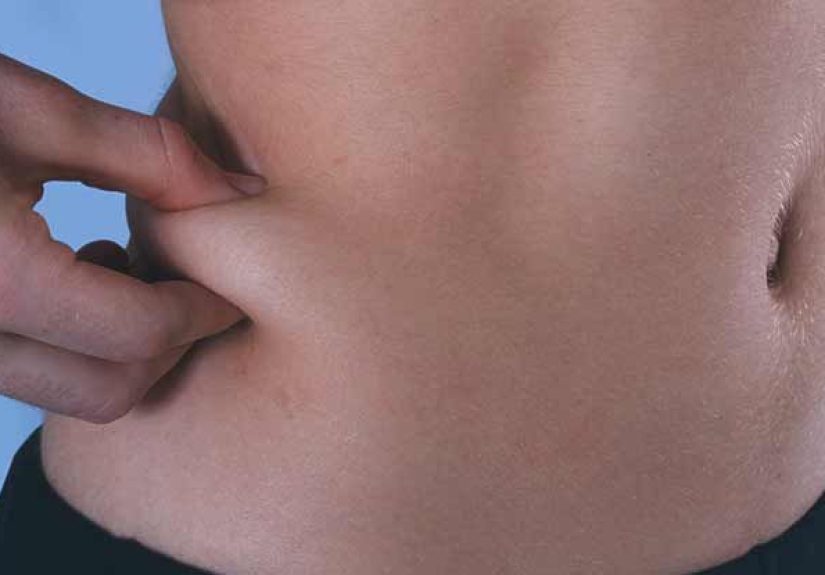
- The lower abdomen, staying at least 2 inches away from the belly button
That is the core rule, and it is a good one to memorize. Your belly button is not part of the team. Neither is any patch of skin that is tender, bruised, red, hard, scarred, or stretched. If you have psoriasis, do not inject directly into thick, raised, red, or scaly lesions either.
Humira is designed to go into fatty tissue, not muscle. That is why the abdomen and thigh work so well. They are generally accessible, easy to clean, easy to see, and easy to rotate. For most people, those two areas provide enough space to build a predictable schedule without repeatedly poking the same exact patch of skin.
Thigh vs. abdomen: which Humira injection site is better?
There is no universal winner. The “best” Humira injection site is usually the one that feels most comfortable for you, produces the least irritation, and is easy to rotate consistently.
Why some people prefer the thigh
The thigh is straightforward. You can sit down, see exactly what you are doing, and hold the pen or syringe steady without twisting into a yoga pose you did not sign up for. For first-time users, that visual control can be reassuring.
On the downside, some people say the thigh feels sharper or stingier than the abdomen. That is not a hard rule, but it is a common complaint. If your thighs are leaner, you may also feel like there is less cushion under the skin.
Why some people prefer the abdomen
The abdomen often feels softer and easier for injections because there is usually a little more fatty tissue there. Many patients say belly injections are less painful than thigh injections, especially once they get over the psychological weirdness of voluntarily approaching their own stomach with a needle.
The catch is that you must stay at least 2 inches away from the navel, avoid waistbands or areas rubbed by clothing, and skip any spot that is irritated or sore. If you are very thin, a clinician may recommend using extra caution with abdominal injections or steering you toward the thigh.
A practical way to decide
If you are new to Humira, try each approved area on different injection days and keep a simple note in your phone: location, pain level, redness, and how long the site stayed annoyed. After a few doses, patterns usually show up. Some people become “abdomen only” loyalists. Others stay faithful to the thigh. And many alternate between the two like a well-organized person who actually uses their calendar correctly.
How to rotate Humira injection sites the smart way
Site rotation is one of the most important habits you can build. Reusing the same exact spot over and over can increase irritation and make the skin more sensitive.
A good rule is to choose a different spot each time and stay at least 1 inch away from the last injection site. Some nursing guidance suggests keeping even more distance when possible. The goal is simple: do not keep returning to the same patch just because it is familiar.
Here is an easy rotation pattern:
- Right thigh
- Left thigh
- Right lower abdomen
- Left lower abdomen
Then repeat the cycle, choosing a slightly different point within each area. You can also jot down the date and location on a calendar. Official Humira instructions specifically recommend keeping a record of injection dates and locations, which is one of those gloriously boring habits that pays off later.
Areas you should never use
Not every inch of skin is an invitation. Skip these areas:
- Within 2 inches of your belly button
- Skin that is bruised, red, hard, or tender
- Scar tissue or stretch marks
- Psoriasis plaques or lesions
- Skin with active irritation, cuts, or infection
- Any place your clothes are rubbing hard that day
Also, do not inject Humira through clothing. That may sound obvious, but official instructions say it for a reason. “I was in a hurry” is not a great injection technique.
How to prepare the injection site
Good site prep can reduce hassle and help prevent irritation.
1. Let Humira warm up
Take the pen or syringe out of the refrigerator and let it sit at room temperature for about 15 to 30 minutes before injecting. Do not microwave it, run it under hot water, or invent your own warming method. Cold Humira can sting more, and official guidance is clear that you should let it warm naturally.
2. Wash your hands
Yes, really. This is not glamorous advice, but it is excellent advice. Wash with soap and water before and after the injection.
3. Inspect the medicine
The liquid should generally look clear and colorless. If it looks cloudy, discolored, or full of particles, do not use it. If the device is damaged, frozen, expired, or has been stored incorrectly, stop and call your pharmacist or healthcare team.
4. Clean the skin
Use an alcohol swab in a circular motion. Then let the skin dry completely. Do not fan it, blow on it, or touch it again before the injection. That spot is now officially “leave it alone” territory.
How to make Humira injections hurt less
Humira injections are often manageable, but “manageable” is not the same thing as “delightful.” A few small adjustments can help.
- Use room-temperature medication. This is one of the biggest comfort upgrades.
- Rotate sites consistently. Repeated use of one area can make it more sensitive.
- Pick calm skin. Avoid spots that are already irritated from waistbands, workouts, shaving, or friction.
- Consider icing briefly beforehand. Some patient-friendly guidance suggests a short period of icing may help numb the area. If you do that, clean the site with alcohol afterward.
- Do not rub afterward. Press gently with a cotton ball or gauze if needed, but rubbing can make irritation worse.
- Stay relaxed. Easier said than done, sure, but tensing up can make the whole experience feel harsher.
Many people also find that the citrate-free version of Humira feels less irritating than older formulations. If injections are consistently rough, talk with your prescriber or pharmacist about which product you are using and whether alternatives or biosimilars might affect the experience.
What a normal injection site reaction looks like
Mild injection site reactions are common with Humira. A little redness, slight swelling, itching, bruising, or soreness can happen. Often, these reactions are temporary and improve without much drama.
Think of a normal mild reaction as “annoying but not alarming.” It may look like a small pink patch, feel a bit tender for a day, or itch briefly. Some people barely notice anything. Others get a short-lived bump or bruise. Neither response automatically means something is wrong.
When a Humira injection site reaction is not normal
Call your healthcare provider if the reaction seems intense, keeps getting worse, or comes with symptoms that feel bigger than a simple local irritation.
Red flags can include:
- Marked swelling
- Warmth spreading around the area
- Significant pain
- Dark discoloration
- Signs of infection
- Hives, facial swelling, or trouble breathing
Because Humira affects the immune system, infection warnings matter. Fever, chills, cough, painful skin, wounds that do not heal, or feeling unusually unwell should not be brushed off as “probably nothing.” Humira carries important warnings about serious infections, including tuberculosis and other bacterial, fungal, or viral infections.
Quick mistakes to avoid on injection day
- Using the same site every time
- Injecting too close to the belly button
- Injecting into bruised or scarred skin
- Using cold medication straight from the fridge
- Touching the cleaned area before injecting
- Rubbing the site afterward
- Forgetting to dispose of the pen or syringe in a sharps container
- Ignoring symptoms that look more serious than a mild local reaction
Storage and travel tips that affect injection comfort
Humira is usually stored in the refrigerator. Official guidance also says it may be kept at room temperature, up to 77°F (25°C), for up to 14 days if needed, such as during travel. Keep it in the original carton to protect it from light, and do not use it if it has been frozen or left out too long.
Why does this matter for injection sites? Because bad storage can affect the device, the solution, and your comfort. A properly stored injection is more predictable. A mystery pen that has lived in a hot car is not the kind of excitement anyone needs.
What people often experience with Humira injection sites
Here is the honest, human version: the first few injections are often more about nerves than pain. Many people spend more time psyching themselves up than actually injecting. The pen clicks, the medicine goes in, and the most common reaction is not heroic triumph. It is usually, “Oh. That was it?”
One of the most common experiences is discovering that one site simply works better than another. Some people swear the abdomen is easier and gentler. Others say the thigh gives them more control, even if it stings a little more. A lot of people need a few tries to find their rhythm. That is normal. There is no medal for instantly becoming a flawless home-injection expert.
Another common experience is realizing that timing changes everything. A shot given straight from the refrigerator may feel much sharper than one allowed to sit out for 20 minutes. Patients often describe cold injections as “stingy,” while room-temperature injections feel smoother and easier to tolerate. It is a small detail, but it can make a big difference.
People also notice that skin mood matters. An injection into calm, untouched skin tends to go better than one into an area that was just rubbed by tight jeans, irritated by exercise, or bruised from some unrelated collision with furniture. On paper, injection sites are simple. In real life, your skin has opinions.
Then there is the mental side. Many patients build tiny rituals around injection day: setting out supplies neatly, choosing a favorite chair, counting to ten, using music, or asking a partner to sit nearby for moral support and absolutely no unhelpful commentary. These routines can turn a stressful task into a manageable one. Familiarity breeds calm.
Mild redness or itching afterward is another experience many people report. A small spot that fades, a little bruise, or a brief tender patch is often just part of the process. But patients also learn to trust their instincts. If a reaction looks bigger, hotter, darker, or more painful than usual, it is worth checking in with a clinician instead of trying to out-stubborn it.
Over time, many people become much more strategic. They keep a note on their phone with the last site used. They learn not to inject right before a workout if friction makes the area irritable. They remember to let the medication warm up. They stop choosing sites in a panic and start choosing them on purpose. That is usually when Humira injections begin to feel less like an ordeal and more like a routine task.
And perhaps the most reassuring experience of all is this: most people get better at it quickly. Not because they suddenly love injections, obviously, but because the process becomes familiar. The site selection gets easier. The fear drops. The “Did I do that right?” spiral quiets down. What starts as a medically themed trust exercise often settles into a boring, efficient habit. In the world of chronic treatment, boring is underrated.
Final takeaway
Humira injection sites are simple in theory but important in practice. The best places are the front of the thighs and the lower abdomen, staying at least 2 inches away from the belly button. Rotate each time, avoid damaged or irritated skin, let the medication warm naturally, and keep an eye on how your body responds.
If your injections are consistently painful, your skin reactions are getting worse, or something feels off, bring it up with your healthcare team. A better technique, a better site pattern, or a device check may solve the problem. The goal is not to be brave for no reason. The goal is to make a necessary treatment safer, calmer, and easier to live with.
In other words: choose good skin, rotate like a pro, and leave your belly button out of it.






 Close
Close