
Table of Contents >> Show >> Hide
- What Made the 2017 Idea House Special?
- The Location: Bald Head Island as a Design Partner
- Architecture That Feels Relaxed, Not Random
- Interior Design: Color, Pattern, and Coastal Confidence
- The Kitchen and Pantry: Practical Beauty With Personality
- Flexible Spaces for Real Coastal Living
- Natural and Reclaimed Materials
- Design Ideas Homeowners Can Steal
- Why Idea House 2017 Still Matters
- Experience-Based Reflections on Idea House 2017
- Conclusion
The phrase “Idea House 2017” may sound simple, but in the world of Southern home design, it points to one very memorable coastal escape: the 2017 Southern Living Idea House on Bald Head Island, North Carolina. This was not just a pretty beach house with a porch, a few seashells, and a bowl of lemons placed exactly where no real family would ever leave a bowl of lemons. It was a thoughtful, livable, beautifully layered coastal home designed to show readers how architecture, interior design, natural materials, and relaxed Southern style can work together without feeling staged or stiff.
Located in Cape Fear Station on Bald Head Island, the home captured the spirit of a place where cars are replaced by golf carts, the pace is slower, and the scenery does most of the bragging. The island sits between the Cape Fear River and the Atlantic Ocean, creating a rare blend of maritime forest, dunes, beach air, and old-fashioned quiet. For a showhouse meant to inspire real homeowners, that setting was more than a backdrop. It shaped the entire design.
The 2017 Idea House brought together architect Eric Moser of Moser Design Group, interior designer Lindsey Coral Harper, and builder Jeff Sanderson of Whitney Blair Custom Homes. Their mission was not to create a glossy coastal fantasy that only works in magazine photography. Instead, the house was designed to feel as though it belonged to the island already: breezy, durable, welcoming, layered, and relaxed enough that you could walk in with sandy feet and not feel like you had committed a design crime.
What Made the 2017 Idea House Special?
The magic of the Idea House 2017 was its balance. It was polished, but not precious. It was colorful, but not chaotic. It honored traditional Southern architecture while still feeling fresh and usable for modern living. Many beach homes lean hard into clichés: anchors, rope, driftwood, blue stripes, and perhaps one sign reminding everyone to “relax.” This house took a smarter route. It nodded to the coast through materials, layout, color, texture, and indoor-outdoor living rather than shouting “beach” through every pillow.
The home was also significant because it was built on an island, a first for the Southern Living Idea House program. Bald Head Island’s no-car lifestyle, conservation-minded planning, and natural surroundings made the home feel more like a retreat than a product showcase. It was a house built for porches, open doors, long dinners, muddy paws, overnight guests, and that very specific beach-house activity known as “doing absolutely nothing while pretending to read.”
The Location: Bald Head Island as a Design Partner
One of the strongest ideas behind the 2017 Southern Living Idea House was that the location should guide the design. Bald Head Island is not a typical crowded beach town lined with high-rise condos and souvenir shops. It is accessible by boat, largely car-free, and known for its quiet coastal character. Residents and visitors move around by golf cart, bicycle, or on foot. That changes the way a house functions. Storage for golf carts matters. Outdoor showers matter. Porches are not decorative extras; they are part of daily life.
The island’s natural beauty also encouraged a softer architectural approach. The house sits within a landscape of trees, coastal vegetation, and sandy paths. Instead of fighting that environment, the design leans into it. Long overhangs, generous porches, warm wood tones, and natural materials help the home feel settled rather than dropped into place. That is one of the best lessons from Idea House 2017: a home looks more timeless when it respects where it is.
Architecture That Feels Relaxed, Not Random
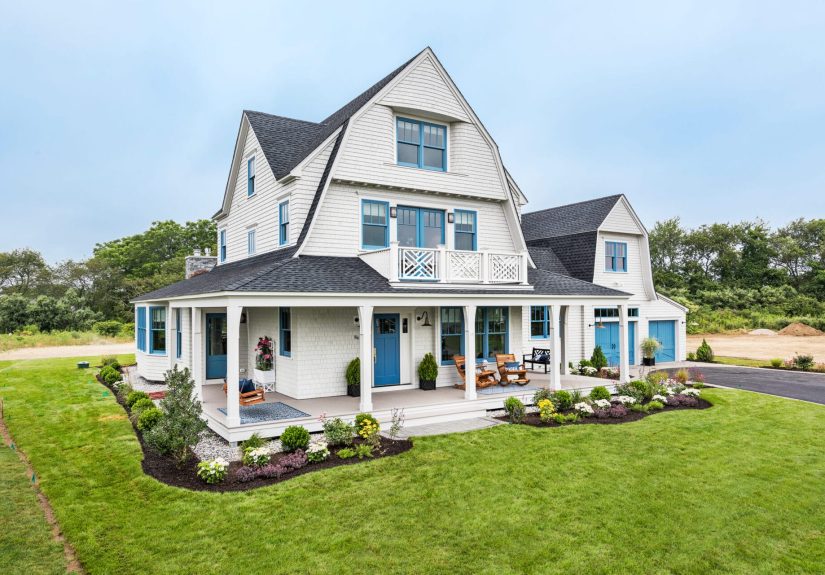
The exterior of the Idea House 2017 was inspired by historic homes along the Southeastern coast, but it avoided looking like a museum piece. Eric Moser’s architecture used familiar Southern forms: broad porches, protective rooflines, simple massing, and an easy relationship between indoor and outdoor rooms. The result was a coastal cottage that felt authentic without becoming old-fashioned.
One key architectural move was the emphasis on outdoor living. The home featured more than 1,300 square feet of outdoor living space, including porches and patio areas. That is not just a nice statistic; it is a design philosophy. In a coastal climate, the best rooms are often the ones with a breeze. A porch can be a dining room, reading room, cocktail corner, nap zone, or unofficial family meeting headquarters. In other words, it earns its square footage.
The Power of the Porch
The porch strategy is one of the most useful takeaways for homeowners. A good porch needs enough depth to function like a room, not just a ledge with chairs. The 2017 Idea House showed how covered outdoor spaces can extend living areas, protect from sun and rain, and make a home feel larger without adding overly formal interior square footage.
For anyone designing or renovating a home, this idea translates beautifully. Even if you do not live on an island, a covered patio, screened porch, or shaded back deck can make daily life feel more generous. Add comfortable seating, durable fabrics, a fan, layered lighting, and a small table, and suddenly the outdoors becomes part of the floor plan.
Interior Design: Color, Pattern, and Coastal Confidence
Lindsey Coral Harper’s interiors gave the Idea House 2017 much of its personality. Instead of a washed-out all-white beach palette, the rooms used warm floors, lively prints, natural textures, and bold color choices. The house felt coastal, but not costume-y. There were botanical prints, rattan pieces, bamboo-inspired details, and cheerful accents, yet everything was grounded by rich wood tones and comfortable furniture.
This is where the home became especially practical for readers. Many people love the idea of color but panic when standing in front of a paint display. The 2017 Idea House demonstrated that color works best when it has structure. A bold green pantry, a yellow bedroom, aqua tones, coral accents, and patterned fabrics can coexist when there are repeating materials and a consistent mood. The secret is not using less personality. The secret is giving personality a plan.
Why the Rooms Felt Livable
The interiors succeeded because they were not afraid of comfort. Sofas looked like places where people could actually sit. Guest rooms felt cheerful rather than showroom-perfect. The use of vintage and natural pieces helped the home avoid that “everything arrived from one catalog on Tuesday” feeling. Rattan, reclaimed-looking wood, botanical art, textured rugs, and layered fabrics gave the rooms age and warmth.
That is a major lesson for anyone studying Idea House 2017 for home inspiration. A stylish room does not need to be cold. In fact, the best rooms usually have a little visual mischief: a surprising fabric, a vintage chair, a plant with dramatic leaves, or a lamp that looks like it has a backstory. A home should not feel like it was assembled by a committee of beige rectangles.
The Kitchen and Pantry: Practical Beauty With Personality
The kitchen in the 2017 Idea House reflected the modern Southern approach to entertaining. It was open, functional, and connected to outdoor living. One especially clever feature was the way the kitchen related to the back porch, making serving and gathering easier. In a coastal home, the kitchen is rarely just a cooking zone. It becomes the snack station, coffee bar, drop-in conversation hub, and command center for dinner that somehow starts at 6 p.m. and ends when everyone forgets what time means.
The cabinetry selections also offered practical inspiration. Wellborn Cabinet contributed to several spaces in the home, with finishes used in the kitchen, butler’s pantry, mudroom, wet bar, bathroom vanities, and pet area. The palette included light finishes as well as deeper tones like Dormer Brown and a memorable Vogue Green for the butler’s pantry. These choices made the utility spaces feel designed rather than forgotten.
The Butler’s Pantry Lesson
The butler’s pantry was one of the home’s strongest reminders that small spaces can carry big style. Because a pantry is not usually where guests spend the whole evening, it can handle a little drama. A rich cabinet color, interesting tile, brass details, or patterned wallcovering can make a pass-through space feel special. The 2017 Idea House used this principle well: let hardworking rooms work hard, but let them wink while doing it.
Flexible Spaces for Real Coastal Living
Another standout feature was the home’s flexible approach to accommodations. The house included four bedrooms and four and a half bathrooms within roughly 3,281 square feet, but its layout was not only about bedroom count. It was about how people actually use a beach house. Guests arrive. Children claim corners. Someone needs a quiet place to work. Someone else needs to rinse off after the beach. A dog may need a designated zone, because dogs are wonderful but also deeply committed to bringing the outside indoors.
The “crofter,” a term used on Bald Head Island for golf cart garage structures, was treated as more than storage. It could function as a guest suite or flexible living area. That idea is extremely relevant today. Homeowners increasingly want spaces that can shift from guest room to office, from hobby room to teen hangout, from storage zone to overflow sleeping area. The 2017 Idea House was ahead of the curve in showing how flexibility can be elegant.
Natural and Reclaimed Materials
One reason the house felt grounded was its use of natural and reclaimed materials. Warm, distressed flooring helped shape the interior palette. Mahogany wood-finished doors on the front of the home added richness while serving a practical island purpose: sheltering golf carts. In a no-car environment, the garage story changes completely. Suddenly, golf cart storage is not a quirky bonus. It is daily transportation infrastructure, just with more breeze and fewer traffic jams.
Materials mattered because the home needed to feel appropriate to its setting. A coastal house deals with humidity, sand, salt air, sunlight, and frequent indoor-outdoor movement. That means finishes should be attractive, but they also need to be durable. The best coastal design is not fragile. It can handle a damp towel, a sandy flip-flop, and a guest who insists they are “just popping in for five minutes” before staying through dessert.
Design Ideas Homeowners Can Steal
The entire point of an Idea House is inspiration, and the 2017 version delivered plenty of practical ideas. First, use porches as true rooms. Do not leave them bare or under-furnished. Give them seating, lighting, tables, fans, and fabrics that can withstand real life.
Second, let color appear in concentrated, confident moments. A green pantry, patterned sofa, bright bedroom, or botanical print can bring energy without overwhelming the whole home. Use wood, woven textures, and repeated accent colors to connect everything.
Third, design utility spaces with care. Mudrooms, laundry rooms, pet areas, pantries, and wet bars do not have to be plain. In fact, these are often the best places to use memorable finishes because they are smaller and more contained.
Fourth, blur the line between indoors and outdoors. Large openings, porch bars, outdoor dining spots, and covered seating areas make a home feel more relaxed. Even in a suburban backyard, this idea works. The goal is to make stepping outside feel natural, not like a field trip.
Finally, design for the way people live, not just the way rooms photograph. Idea House 2017 worked because it understood guests, pets, gatherings, storage, weather, and comfort. It looked good, yes, but it also made sense. That combination is rarer than it should be.
Why Idea House 2017 Still Matters
Years later, the 2017 Idea House remains relevant because it avoided trends that age badly. It did not depend on one fashionable color or one overly specific decorating formula. Instead, it focused on principles: respect the setting, use durable natural materials, create flexible rooms, make outdoor living central, and allow interiors to feel joyful.
That is why this house continues to be useful for anyone interested in coastal home design, Southern architecture, or beach cottage ideas. It shows that a coastal home can be sophisticated without being stiff, colorful without being noisy, and casual without looking unfinished. It is the design equivalent of a linen shirt: relaxed, classic, and much more carefully considered than it appears at first glance.
Experience-Based Reflections on Idea House 2017
One of the most valuable experiences related to studying Idea House 2017 is realizing how much a home’s surroundings should influence its design decisions. When you look at this house as more than a collection of pretty rooms, you begin to see how each choice responds to island life. The porches are not just decorative. The golf cart storage is not just cute. The natural materials are not just trendy. They are part of a lifestyle shaped by salt air, boat access, conservation, and slow movement through the landscape.
For homeowners, the biggest takeaway is to stop designing rooms in isolation. A kitchen should understand the porch. A mudroom should understand the beach path. A guest suite should understand how often friends and family will visit. A color palette should understand the light outside the windows. The 2017 Idea House feels cohesive because its rooms speak to one another. Nothing feels randomly imported from a showroom where the only weather condition is fluorescent lighting.
Another experience-based lesson is that comfort can be more memorable than perfection. Many people try to make their homes impressive first and comfortable second. Idea House 2017 flips that order. It impresses because it feels comfortable. The seating invites conversation. The porches encourage lingering. The colors create cheer. The textures keep the rooms from feeling flat. It is a reminder that people remember how a home makes them feel long after they forget the exact fabric on the chair.
The home also teaches a useful lesson about bold design: confidence works best when it is balanced with restraint. A colorful room does not need every object to compete for attention. A patterned sofa can shine when the surrounding materials are warm and grounded. A green pantry can feel elegant when paired with classic cabinetry and thoughtful hardware. The trick is to choose a few moments of personality and let them breathe.
For anyone planning a renovation, the 2017 Idea House is a strong argument for investing in transitions. Porches, patios, pantry areas, mudrooms, and hallways often get less attention than kitchens and primary bedrooms, but they determine how a house lives. A well-designed transition space reduces clutter, improves flow, and adds character. That is especially true in coastal or vacation homes, where people move constantly between indoors and outdoors.
Finally, Idea House 2017 proves that “timeless” does not have to mean plain. Too often, timeless design is interpreted as white walls, neutral furniture, and the emotional range of a paper towel. This house shows another path. Timeless can mean rooted in place. It can mean durable, layered, personal, and flexible. It can include color, pattern, rattan, rich wood, garden views, and a porch where nobody is in a hurry. That is the lasting charm of the 2017 Southern Living Idea House: it does not simply show people what to buy. It shows them how to think about home.
Conclusion
Idea House 2017 was more than a showcase property on Bald Head Island. It was a master class in coastal Southern living, proving that great design starts with place, lifestyle, and comfort. From its generous porches and flexible guest spaces to its bold interiors and natural materials, the house offered ideas that still feel useful for homeowners today. Whether you are building a beach retreat, refreshing a suburban home, or simply dreaming with a cup of coffee in hand, the 2017 Idea House reminds us that a home should be beautiful, practical, and relaxed enough to make everyone exhale the moment they walk through the door.





 Close
Close