
Table of Contents >> Show >> Hide
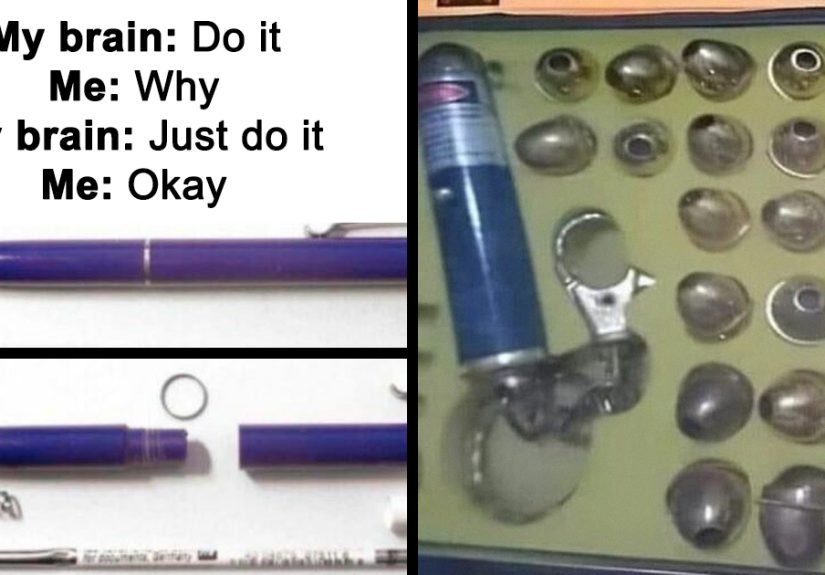
The internet loves a good nostalgia spiral, and few decades get meme treatment quite like the 1990s. One minute you’re scrolling peacefully, and the next you’re staring at a joke about AOL dial-up, a Blockbuster late fee, or a Tamagotchi that “died because you went to school.” If you grew up in the era of VHS tapes, Game Boys, and house phones stretched halfway across the kitchen, these jokes hit like a laser pointer at a school assembly. If you didn’t, they can look like pure chaos.
That is the magic of ’90s memes. They are less about polished punchlines and more about shared survival stories. They turn small everyday frustrations into comedy gold: waiting for the modem to connect, rewinding rental tapes, begging your parents not to answer the phone while you were online, and discovering that your floppy disk had apparently chosen violence. What makes 1990s nostalgia so meme-worthy is that the decade sat in a weird, glorious in-between space. It was modern enough to feel fast, but clunky enough to be hilariously inconvenient by today’s standards.
So let’s translate the chaos. Here are 30 old memes and ’90s pop culture references that make perfect sense to those of us who lived through the decadeand might leave everyone else wondering why a plastic virtual pet could ruin an entire afternoon.
Why ’90s Memes Still Work So Well
Before social media gave us memes in the modern sense, the ’90s gave us the raw material: instantly recognizable routines, technologies, toys, and cultural habits. The jokes keep resurfacing because they are hyper-specific and oddly universal at the same time. Millions of people dealt with the same sounds, the same gadgets, the same school rituals, and the same tiny emotional breakdowns brought on by a frozen computer screen.
In other words, retro memes work because they are emotional shortcuts. Mention one AOL CD, one cassette tape with pencil surgery, or one cursed round of The Oregon Trail, and an entire generation immediately understands the assignment.
30 ’90s Meme References That Need a Translator
Internet, Tech, and the Ancient Digital Struggles
- “Get off the internet, I need to use the phone!”
This one needs no explanation if you lived through dial-up. The phone line and the internet connection were basically jealous siblings who could not coexist. If someone picked up the receiver, your online session often died a dramatic death. - The AOL dial-up scream.
Younger readers may think it was a robot having a breakdown. ’90s kids know it as the official national anthem of going online. Those beeps and screeches meant you were seconds away from chat rooms, terrible webpages, and questionable patience. - “You’ve got mail!” as a full-body emotional event.
Today, an email notification usually means bills, spam, or a newsletter you forgot you signed up for. In the ’90s, getting that cheerful voice alert felt exciting, romantic, or at least mildly important. - AIM away messages as performance art.
People didn’t just step away from the keyboard; they curated mini emotional exhibitions. Lyrics, cryptic one-liners, passive-aggressive messages, and suspiciously dramatic updates turned the away message into the original status post. - The floppy disk “save” icon joke.
Younger people know the image but not the object. The meme lands because modern users recognize the symbol while many have never touched the actual floppy disk it came from. That little square was once your document’s guardian angel. - Clippy asking if you need help at exactly the wrong time.
The paper clip assistant from Microsoft Office was intended to be helpful. In practice, Clippy became the patron saint of uninvited interruptions, popping up when you were already one typo away from losing it. - Computer lab memories of dying from dysentery.
The Oregon Trail wasn’t just a game; it was an educational ambush. One second you were learning history, and the next your wagon party was being destroyed by disease, poor planning, and the consequences of buying too little food. - Encarta felt futuristic.
Before instant search answers were everywhere, digital encyclopedias felt downright magical. Typing a school report on a beige computer while opening Encarta on a CD-ROM made you feel like a tiny scholar in a very slow spaceship. - MapQuest printouts were basically treasure maps.
Late-’90s and early-2000s road trips came with stapled directions that could fail you the second you missed one exit. Memes about “turn left at the gas station that no longer exists” are funny because the system really was that fragile. - AOL CDs appearing literally everywhere.
Mailboxes, stores, magazines, cereal boxesthose shiny discs were unavoidable. The memes exaggerate their presence, but not by much. They multiplied like glitter with a marketing budget.
Entertainment, Media, and Peak Living Room Drama
- “Be kind, rewind.”
Streaming has erased this stress from human memory, but VHS tapes had to be rewound before being returned. The meme works because the phrase sounds polite while secretly carrying the threat of public moral failure. - Blockbuster as the Friday night event.
A trip to the video store wasn’t errand energy; it was a family summit. You wandered the aisles, judged cover art, fought over one movie, and prayed your pick was actually in stock. - Late fees that felt like organized crime.
Returning a rental one day late could make you feel like you’d committed a financial offense. Meme culture loves this because the punishment always seemed wildly disproportionate to forgetting one tape in the VCR. - TV static and tracking lines as part of the viewing experience.
Watching something on tape often involved ritual button pressing, visual fuzz, and a level of patience modern viewers would reject immediately. It was less “press play” and more “negotiate with the machine.” - Recording songs off the radio and getting mad at the DJ.
The song was finally on, your finger hovered over “record,” and then the DJ talked over the intro like a sworn enemy. It built character. Or rage. Usually both. - The pencil in the cassette tape trick.
This is one of those memes that sounds fake until you remember it was absolutely real. A pencil could rescue tangled tape or rewind a cassette manually, which is both charming and deeply ridiculous. - The Discman anti-skip lie.
Portable CD players promised smooth listening, but one brisk walk could turn your favorite track into a glitch remix. Memes about “anti-skip doing nothing” are powered by lived disappointment. - Game Boy batteries dying at the worst possible moment.
Nothing was more tragic than getting deep into a game and watching the power fade like a Victorian heroine. Portable gaming in the ’90s often depended on whether your household had enough AA batteries to maintain civilization. - No backlight, no problemexcept it absolutely was a problem.
The original Game Boy screen had all the brightness of a haunted olive. Kids angled it toward lamps, windows, and divine intervention just to see what was happening. - Pokémon link cable diplomacy.
Trading Pokémon wasn’t an instant cloud-based miracle. You needed a friend, a cable, functioning hardware, and patience. Memes about “real trust is trading your starter” hit hard because those swaps felt serious.
School, Toys, and Everyday ’90s Survival
- Tamagotchi guilt was real.
The tiny digital pet turned children into anxious middle managers. If it beeped during class, on the bus, or while you were trying to have a life, too bad. Its needs came first. - Beanie Babies as “investments.”
The memes are funny because adults genuinely talked about plush toys like retirement assets. Somewhere between cute collectible and financial delusion, the Beanie Baby craze became peak ’90s logic. - Lisa Frank school supplies looking like a unicorn exploded.
Folders, notebooks, stickers, trapper keeperseverything was neon, rainbow-soaked, and aggressively cheerful. A Lisa Frank meme instantly signals maximum color, minimum subtlety. - Scholastic Book Fair economics.
Kids arrived with $12 and the ambition of hedge fund managers. You had to choose between posters, pens, books, and weirdly expensive erasers. The emotional stakes were absurdly high. - Goosebumps as social currency.
Owning the right R.L. Stine title made you feel brave, cool, and slightly doomed. Memes about those covers still work because they capture the exact blend of kid-friendly horror and cafeteria bragging rights. - Saturday morning cartoons as sacred time.
There was no on-demand rescue plan if you missed your favorite show. You had to be awake, planted in front of the television, and ready. Those memes land because appointment viewing once ruled childhood. - House phones with cords long enough to cross state lines.
Privacy meant stretching a curly cord into another room and hoping nobody listened in. Every meme about whisper-fighting near a wall-mounted phone is built on this deeply awkward architecture. - Calling a crush and fearing their parent would answer.
Texting removed a major source of teen terror. In the ’90s, phone calls were public, high-stakes events that could begin with, “Hello, may I please speak to…” and end with instant humiliation. - Pogs, slap bracelets, and random playground economies.
Every school seemed to invent tiny markets around specific objects. One week everyone needed Pogs; the next week the adults banned them. Memes about playground trends are funny because the hype cycles were brutally fast. - Y2K panic energy.
The joke here is that the world was supposedly one computer glitch away from chaos. The year 2000 arrived, society mostly stayed upright, and the collective anxiety instantly became meme material for decades.
Why Younger Readers Might Miss the Joke
Most ’90s pop culture memes depend on friction. That’s the key difference. Modern technology is faster, cleaner, and mostly invisible. You tap a screen and things happen. In the ’90s, everything had texture. Devices clicked, buzzed, whirred, jammed, skipped, rewound, disconnected, and demanded batteries. Entertainment took planning. Communication took nerve. Even basic convenience came with a side quest.
That is why these memes can seem confusing to anyone who didn’t grow up then. The joke is often hidden inside a problem that no longer exists. If you never had to fight a modem, babysit a Tamagotchi, or return a VHS tape before dinner, the punchline can feel oddly specific. But for people who remember the decade, those specifics are exactly what make the humor so satisfying.
What Living Through These ’90s References Actually Felt Like
Here’s the part nostalgia often leaves out: living through the ’90s was not cool in the sleek, curated way the internet likes to pretend. It was messy, slow, bright, loud, and full of tiny inconveniences that somehow became personality traits. You did not “experience media.” You wrestled with it. You earned it. You scheduled your whole mood around it.
Watching a movie meant going somewhere to get it. Listening to music meant buying a CD, borrowing one from a friend, waiting by the radio, or making a mixtape that included at least one accidental chunk of DJ chatter. Going online was not something you casually did in the background while cooking dinner. It was an event. A production. A negotiation with the telephone line, the family computer, and your own patience.
The decade also had a strange kind of intimacy that modern life doesn’t always have. Technology was limited enough that people shared it. Families shared one television, one VCR, one computer, one internet connection, one phone line, and sometimes one set of batteries that kept mysteriously disappearing. Your entertainment habits collided with everybody else’s, which meant everything came with compromise and commentary. If your sibling recorded over something important, that was not a minor inconvenience. That was a household scandal.
School life added its own flavor. You didn’t just show up with supplies; you arrived with identity markers. Your backpack, your folders, your pens, your CD binder, your book fair haul, your lunchbox, and your favorite after-school show all signaled what kind of kid you were. The culture of the ’90s lived in these details. That’s why so many memes from the era focus on objects. A floppy disk, a VHS tape, a Game Boy, or a translucent plastic gadget can unlock a flood of memories faster than a whole photo album.
And then there was the emotional drama of ordinary things. Calling someone’s house felt like stage fright. Hearing “You’ve got mail!” felt thrilling. Keeping a Tamagotchi alive felt like an impossible work-life balance test designed for fourth graders. Renting the right movie, keeping the save file intact, remembering your cheat codes, finding your favorite song on the radio, or making it to the television before your cartoon startednone of these things were world-changing, but in the moment, they absolutely felt that way.
That may be the real reason 1990s nostalgia keeps producing such funny memes. The decade was packed with low-level drama. Not disaster, not luxuryjust constant tiny struggles wrapped in colorful plastic. We remember the friction because it made everything feel more vivid. The inconvenience gave the memory edges. And now, years later, those edges have become punchlines.
So when someone posts a meme about rewinding tapes, dying of dysentery, printing directions from the internet, or guarding a Beanie Baby like it’s a stock portfolio, older millennials and Gen Xers don’t just “get it.” They remember the sound, the frustration, the smell of the electronics cabinet, the weight of the controller, and the absolute panic of realizing someone had picked up the phone while they were online. That kind of memory doesn’t fade politely. It becomes comedy.
In the end, that’s what makes these jokes last. They’re not just about the ’90s. They’re about growing up during a weird transition, when analog habits crashed into digital possibilities and nobody really knew what the final form would look like yet. We were all beta testers for modern life, fumbling through static, cords, cartridges, discs, and blinking screens. Honestly, it was ridiculous. Which is exactly why it’s so funny now.
Final Thoughts
If you haven’t lived through the ’90s, these memes can seem bizarrely specific. But that specificity is the whole point. ’90s memes are tiny time capsules filled with shared inconvenience, cultural shorthand, and the kind of everyday absurdity that only becomes funnier with age. They remind us that before smartphones and instant streaming flattened everything into convenience, there was an era when technology had quirks, entertainment took effort, and childhood ran on batteries, VHS tapes, and vibes.
And maybe that is why the decade refuses to leave the internet alone. The jokes still work because the memories still feel tactile. You can practically hear them.




 Close
Close