
Table of Contents >> Show >> Hide
- What Is an Infected Mole?
- What Causes an Infected Mole?
- Symptoms of an Infected Mole
- Warning Signs It May Be More Than Infection
- How Doctors Diagnose an Infected Mole
- Treatment for an Infected Mole
- When to See a Doctor
- How to Prevent an Infected Mole
- Common Questions About Infected Moles
- Real-World Experiences and Situations People Often Have
- Conclusion
Note: This article is for educational purposes and should not replace medical advice. A mole that looks infected can sometimes be irritated, injured, or, in some cases, mistaken for a more serious skin problem. If a mole is changing quickly, bleeding without an obvious reason, or simply giving you bad vibes, it is smart to have it checked by a healthcare professional.
An infected mole is one of those skin issues that can send your brain straight into panic mode. One day it is just a quiet little spot minding its business. The next day it is red, sore, swollen, or crusty, and suddenly you are Googling at top speed while trying not to poke it every five minutes. Fair enough. Changes in a mole can be unsettling.
Here is the good news: not every irritated or painful mole is dangerous. Sometimes a mole becomes inflamed because it got nicked while shaving, rubbed by a bra strap, scratched in your sleep, or attacked by your own curiosity. But here is the not-so-fun part: a mole that appears infected can overlap with signs of skin cancer, especially melanoma. That means guessing is not a great strategy.
This guide breaks down what an infected mole actually is, what can cause it, the symptoms to watch for, how treatment usually works, and how to prevent the problem in the first place. We will also cover when a “wait and see” approach is reasonable and when it is time to call a doctor instead of playing dermatologist in your bathroom mirror.
What Is an Infected Mole?
A mole is a common skin growth made up of pigment-producing cells. Most moles are harmless and stay stable for years. A true mole does not usually become infected out of nowhere. In many cases, what people call an “infected mole” is actually one of three things: a mole that has been injured, a nearby skin infection affecting the area around the mole, or a suspicious spot that is not a harmless mole at all.
Infection can happen when bacteria enter broken skin. That may occur after scratching, shaving, picking, squeezing, or attempting a DIY mole removal. Friction from clothing can also irritate raised moles, especially on the neck, waistline, underarms, or bra line. Once the skin barrier is damaged, redness, pain, and drainage can follow.
That distinction matters. If you have a mole that looks angry, the issue may be minor irritation. But if the mole is changing in size, shape, color, or texture, you do not want to assume it is “just infected” and ignore it for weeks.
What Causes an Infected Mole?
1. Picking, scratching, or squeezing
This is the classic troublemaker. A mole may itch for harmless reasons, but scratching it can break the skin and create an opening for bacteria. Picking at crusting or bleeding only makes the cycle worse. Your mole is not a stress ball, no matter how tempting it looks in the mirror.
2. Shaving or accidental cuts
Raised moles on the face, legs, armpits, or groin are easy to nick with a razor. Even a small cut can lead to soreness, scabbing, and sometimes infection if the skin does not heal cleanly.
3. Friction from clothing or jewelry
Moles in high-friction areas can become inflamed over time. Think waistbands, collars, backpack straps, sports bras, or necklaces. Repeated rubbing can make a mole tender, irritated, and more vulnerable to skin breakdown.
4. DIY removal attempts
Home mole removal is a terrible beauty hack. Cutting, burning, tying off, or applying random acids from the internet can cause infection, scarring, and delayed diagnosis of skin cancer. If a mole needs to come off, let a qualified medical professional do the honors.
5. Nearby skin infection
Sometimes the mole itself is not the main problem. Folliculitis, an ingrown hair, cellulitis, or a small abscess may develop in the surrounding skin and make the mole look like the guilty party. Skin is dramatic like that.
6. A suspicious or changing lesion mistaken for infection
This is the reason doctors take mole changes seriously. A spot that bleeds, crusts, does not heal, or changes color may be irritated, but it can also be a sign that the lesion needs evaluation. Melanoma and other skin cancers do not always read the rule book.
Symptoms of an Infected Mole
The most common symptoms of infection look a lot like the symptoms of other skin infections. You may notice:
- Redness around the mole
- Swelling or puffiness
- Warmth when you touch the area
- Pain, tenderness, or throbbing
- Pus, yellow drainage, or crusting
- Bleeding after irritation or injury
- Itching that is new or more intense than usual
- A scab that keeps coming back
If the infection is spreading or becoming more serious, you may also develop fever, chills, increasing pain, or redness that expands outward from the spot. That is your cue to stop watching it like a reality show and seek care.
Warning Signs It May Be More Than Infection
Here is where things get important. A painful or crusty mole is not automatically cancer, but some warning signs should push you toward a prompt skin exam. Use the ABCDE rule as a helpful checklist:
- A – Asymmetry: one half does not match the other
- B – Border: edges are ragged, blurred, or uneven
- C – Color: multiple shades of brown, black, red, white, blue, or pink
- D – Diameter: often larger than 6 millimeters, though smaller lesions can still matter
- E – Evolving: the mole is changing in size, shape, color, or feel
Other red flags include a mole that starts bleeding without clear injury, becomes an open sore, keeps crusting, hurts for no obvious reason, or looks distinctly different from your other moles. Dermatologists sometimes call that the “ugly duckling” sign. If one spot is behaving like the class chaos agent while all the others are calm, pay attention.
How Doctors Diagnose an Infected Mole
Diagnosis usually starts with a close look at the spot and a few practical questions. Did you nick it while shaving? Has it changed recently? Is there drainage? Is it new? Does it hurt? Has it been there forever and suddenly started acting weird? That history matters.
If the clinician thinks the area is mainly irritated or infected, they may recommend wound care, topical treatment, or antibiotics depending on severity. But if the mole looks suspicious, the next step may be a biopsy or full removal so the tissue can be examined under a microscope. That is the only reliable way to know whether cancer cells are present.
In other words, “Let’s just see what happens” is not always the winning move. A changing mole deserves a proper evaluation, especially if you are an adult and the spot is new or evolving.
Treatment for an Infected Mole
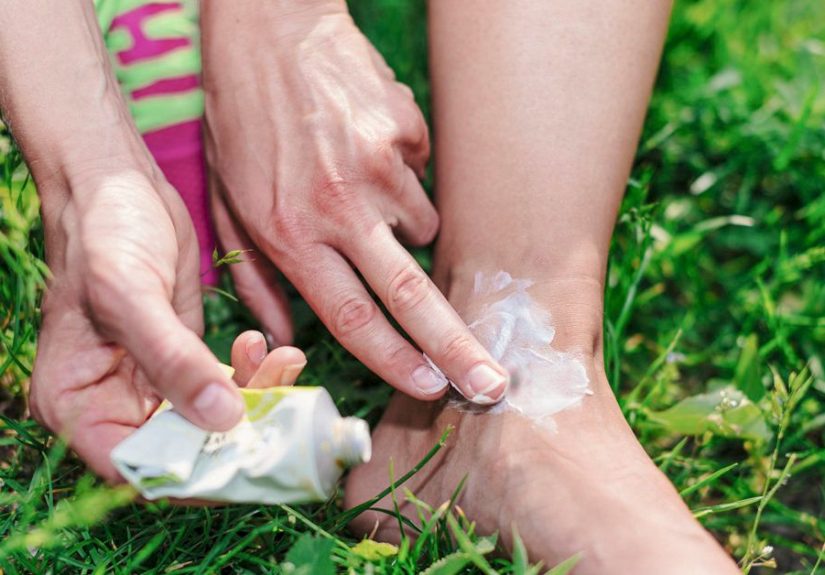
At-home care for mild irritation
If the mole was clearly scratched or nicked and the symptoms are mild, basic wound care may help while you monitor it closely:
- Wash the area gently with mild soap and water
- Pat dry instead of scrubbing
- Avoid picking, squeezing, or shaving over it
- Protect it from friction with loose clothing or a clean bandage if needed
- Watch for worsening redness, swelling, pus, or pain
Do not apply harsh chemicals, random essential oils, toothpaste, or social-media miracle cures. Your skin did not ask for kitchen chemistry.
Medical treatment
If a mole is infected, treatment depends on the cause and how severe the infection is. A healthcare professional may recommend:
- Topical antibiotics for some mild, localized infections
- Oral antibiotics if there is spreading redness, cellulitis, or significant bacterial infection
- Drainage if there is an abscess or pocket of pus nearby
- Removal or biopsy if the mole is suspicious, repeatedly irritated, or not healing properly
If the mole is in a spot that gets injured over and over again, removal may be recommended even if it is benign. That is less about danger and more about ending the monthly drama.
When to See a Doctor
See a doctor, urgent care clinician, or dermatologist if:
- The mole is very painful, swollen, or warm
- You see pus, yellow drainage, or a bad smell
- The redness is spreading
- You have fever or feel unwell
- The mole is bleeding repeatedly
- The spot is changing in color, shape, or size
- The area is not healing after a week or two
- You tried to remove it at home and now regret every life choice that led to that moment
It is especially important to get prompt care if you have a history of skin cancer, many atypical moles, a weakened immune system, or a family history of melanoma.
How to Prevent an Infected Mole
Leave it alone
Yes, that simple. Do not pick, scratch, squeeze, or “test” whether the mole is attached firmly. Your curiosity should not be armed with fingernails.
Use care when shaving
If you have raised moles in shaving zones, work around them carefully or ask a dermatologist whether removal makes sense.
Protect moles from repeated friction
If a mole sits under a strap, collar, waistband, or sports gear, reduce rubbing when possible. Repeated irritation is a fast track to inflammation.
Never try DIY removal
This deserves repeating because the internet keeps inventing new bad ideas. Mole removal at home can cause infection, incomplete removal, heavy bleeding, and missed skin cancer.
Practice sun protection
While sun exposure does not directly cause an infection, it plays a major role in skin damage and skin cancer risk. Use sunscreen, wear protective clothing, seek shade, and skip tanning beds. Prevention is not glamorous, but neither is skin surgery.
Check your skin regularly
Get familiar with your moles so you can spot change early. Monthly self-checks are useful, especially if you have lots of moles or atypical ones. If a spot starts acting different from the rest, get it looked at.
Common Questions About Infected Moles
Can a mole get infected without being cut?
It is less common, but irritation, friction, inflammation, or a nearby skin infection can make it seem that way. Sometimes the issue is not infection at all but a changing lesion that needs evaluation.
Should I put antibiotic ointment on it?
For minor skin injury, basic wound care may help, but persistent or worsening symptoms deserve professional advice. If the mole is suspicious, ointment is not a substitute for diagnosis.
Can an infected mole be melanoma?
Sometimes a cancerous or precancerous lesion can look inflamed, bleed, crust, or fail to heal. That is why ongoing changes should not be brushed off as “probably infected.”
What if it falls off or part of it comes off?
Do not assume the problem is solved. A traumatized or partially removed mole should still be assessed if the area looks unusual, keeps bleeding, or grows back.
Real-World Experiences and Situations People Often Have
One common experience goes like this: someone notices a raised mole on the neck that has always been there, but after a haircut or shaving session it becomes red and stings for a couple of days. Then it crusts. Then they accidentally scratch it again. Now it looks larger and more dramatic than it probably is. In many cases, that kind of story points to repeated irritation rather than a dangerous infection, but because the mole is changing in appearance, it still deserves a closer look if it does not settle down quickly.
Another very relatable scenario involves friction. A person has a mole under a bra strap, along a waistband, or where a backpack rubs every day. The mole feels sore after exercise, turns pink, and occasionally forms a scab. People often assume the mole is infected, but sometimes the real issue is chronic rubbing. Once the area is protected and stops getting traumatized, the irritation improves. If it does not, or if the color and shape keep changing, that is when a dermatologist visit becomes the smart move.
Then there is the “I tried a home remedy from the internet and now everything is worse” experience. Maybe someone used apple cider vinegar, a removal patch, a tying-off trick, or a sketchy device that promised spa results for the price of a sandwich. A few days later the spot is raw, painful, and oozing. This is one of the clearest examples of how home mole treatment can backfire. What looked like a shortcut can end in infection, scarring, and a delayed diagnosis if the spot was never a harmless mole to begin with.
Parents also run into this issue with kids and teens. A child might pick at a mole because it itches, or a teen may nick one while shaving for the first time. Suddenly the area bleeds, everybody panics, and the family starts wondering if this is serious. Often it turns out to be local irritation, but because children and teens still develop new moles over time, it helps to keep an eye on anything that repeatedly bleeds, looks like an open sore, or behaves differently from the others.
People with anxiety around skin cancer often describe another experience: a mole becomes inflamed, and every glance at it feels like a five-alarm emergency. That stress is understandable. Skin changes can be emotionally loud. The most helpful approach is not endless mirror inspections under ten different light bulbs. It is taking a clear photo, noting the date, leaving the area alone, and getting medical advice if the spot worsens or does not improve. Calm observation beats panic poking every time.
There are also people who discover that what they thought was an infected mole was actually something else entirely, like an ingrown hair, a cyst, folliculitis, or a small skin abscess near the mole. The area becomes red, swollen, and tender, making the mole seem guilty by association. That is one reason self-diagnosis is tricky. Skin conditions love disguises.
Finally, many people feel embarrassed about waiting too long before getting a changing mole checked. They worry they are overreacting. In reality, clinicians would almost always rather examine a harmless irritated mole than have someone ignore a suspicious one for months. Getting it checked is not overdramatic. It is responsible. Skin does not send calendar invites when something is wrong, so when a mole starts acting out, paying attention is a pretty reasonable plan.
Conclusion
An infected mole is often the result of irritation, injury, friction, or a nearby skin infection, but it should never be dismissed automatically. Redness, swelling, tenderness, pus, and crusting can happen with infection, yet some of those same changes can also appear in suspicious skin lesions. That is why the safest move is simple: treat mild irritation gently, stop picking at it, and seek professional care if the mole is changing, bleeding, not healing, or just looks wrong.
In short, your mole may only be annoyed. But if it is sending repeated distress signals, listen. Your future self will appreciate the upgrade from bathroom detective to person-who-actually-got-it-checked.






 Close
Close