
Table of Contents >> Show >> Hide
- What Is a Cocktail Pool, Exactly?
- How Much Does a Cocktail Pool Cost?
- Pros of a Cocktail Pool
- Cons and Limitations of Cocktail Pools
- Key Questions to Ask Before You Commit
- Design Ideas for Different Backyard Types
- Is a Cocktail Pool Right for Your Backyard? A Quick Decision Guide
- Real-Life Cocktail Pool Experiences & Practical Tips
- Final Thoughts
Picture this: It’s a hot Saturday, you’re holding a frosty drink, and instead of staring jealously at your neighbor’s giant resort-style pool, you’re chilling in your own compact, perfectly sized backyard oasis. That, in a nutshell, is the magic of a cocktail poolsmall in footprint, big on vibes.
Cocktail pools have exploded in popularity across the United States as more homeowners try to squeeze serious relaxation into modest suburban lots, urban courtyards, and even narrow side yards. They’re essentially mini pools designed for lounging, cooling off, and socializing rather than swimming laps.
But is a cocktail pool actually the right move for your backyardor just a very glamorous impulse buy? Let’s walk through what they are, what they cost, the pros and cons, and how to decide if this small-but-mighty pool style fits your space, your climate, and your lifestyle.
What Is a Cocktail Pool, Exactly?
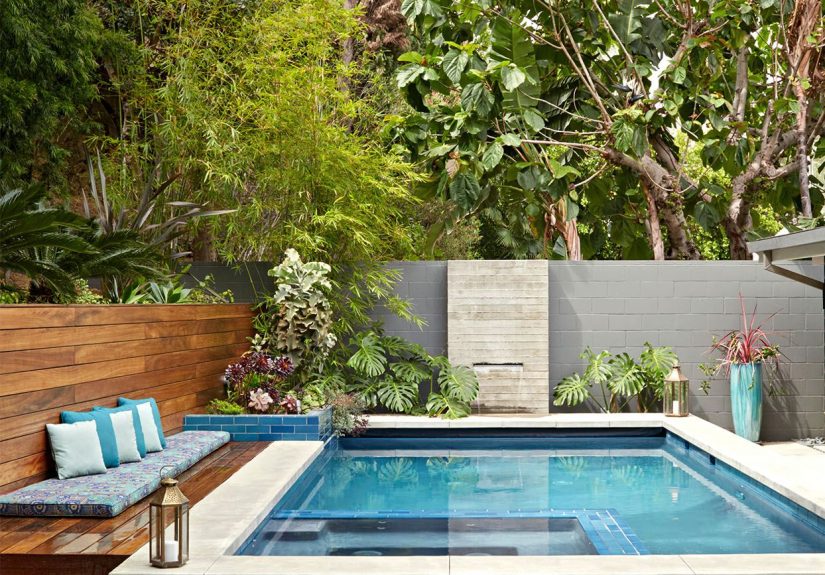
A cocktail pool is a compact, shallow swimming pooloften somewhere around 10 to 14 feet long and 6 to 10 feet wide, with a typical depth of about 3 to 4 feet. Some designs stretch up to 16–20 feet long or reach around 5 feet deep, but they’re still much smaller than traditional backyard pools.
Instead of being built for exercise or diving, cocktail pools are designed as a chill zone: built-in benches, ledges where you can sit with a drink, powerful jets to mimic a spa, and mood lighting are all common features. Many homeowners pair them with fire pits, outdoor kitchens, or compact patios to create a full outdoor-living “cocktail hour” hub.
Cocktail Pool vs. Plunge Pool vs. “Spool”
The terminology gets confusing fast, so a quick breakdown helps:
- Plunge pool: Usually deeper than a cocktail pool (often 4–6 feet), built mainly for cooling off and low-impact exercise like aqua jogging or resistance workouts.
- Cocktail pool: Shallower and more social. Think seats, ledges, jets, and pretty finishesmore “hangout” than “workout.”
- Spool (spa + pool): Often heated year-round, with strong jets like a hot tub but big enough for a few people to stretch out. Many cocktail pools can be designed as spools if you add enhanced heating and spa-style jets.
All three are space savers. The cocktail pool just leans a little harder into the “Instagrammable entertaining space” category.
How Much Does a Cocktail Pool Cost?
Here’s where things get real. A cocktail pool is smaller than a traditional pool, but it’s not a bargain-bin kiddie pool. You’re still paying for excavation, plumbing, electrical work, permits, and pool equipment.
Across many U.S. builders:
- Entry-level inground cocktail pools often start around $25,000–$40,000.
- Mid-range designs with upgraded finishes, lighting, and simple water features might land in the $40,000–$60,000 range.
- High-end, custom builds with infinity edges, elaborate stonework, or combined spa features can easily reach $70,000+.
That’s usually about halfor lessof what you’d pay for a full-size backyard pool, especially in markets where large pools routinely run into six figures.
Ongoing Maintenance Costs
The good news: the smaller your pool, the less you’ll spend month after month on keeping it clean and comfortable.
One U.S. pool expert estimates that cocktail pool maintenance can run around $80–$150 per month, compared with $200–$400 per month for a standard pool. You’re using less water, fewer chemicals, and less energy to heat and circulate that water.
Of course, local utility rates, climate, how warm you keep the water, and whether you cover the pool all affect your actual billbut in general, the mini pool wins the “ongoing cost” showdown.
Pros of a Cocktail Pool
1. Perfect for Small Backyards
If your yard is closer to “cozy postage stamp” than “estate grounds,” a traditional pool may feel overwhelmingor impossible. Cocktail pools are specifically meant to tuck into tight spaces such as narrow side yards, compact patios, or urban courtyards while still leaving room for a seating area, grill, or play space.
2. Lower Water and Energy Use
Less volume means less to heat, filter, and sanitize. Many builders point out that compact pools reduce water waste and have a smaller carbon footprint overall, especially when paired with efficient pumps and a good-quality cover.
3. Lounge-First Design
Cocktail pools are the introverts of the pool world: they don’t need to be the loudest or the biggest to be the life of the party. They shine as:
- A quiet morning coffee spot with your feet in the water.
- A cool-down zone after yard work or a workout.
- An evening hangout with underwater lights, a fire feature, and a couple of bar stools set in the water.
4. Easier to Manage Than a Full-Size Pool
With fewer gallons to worry about, it’s simpler to keep the chemistry balanced and the water clear. Owners and experts alike report that cocktail pools tend to be more manageable day-to-day, especially for first-time pool owners who don’t want their weekends swallowed by vacuuming and testing.
5. Design Flexibility
Cocktail pools can be:
- Geometric and modern with sleek concrete, dark interior finishes, and minimal landscaping.
- Organic and lush, wrapped in plants, boulders, and a waterfall or bubbler.
- Spa-inspired, with heated water, massaging jets, and built-in bench seating.
Because the footprint is small, many homeowners splurge on higher-end materials they couldn’t afford on a giant poollike premium tile, natural stone coping, or state-of-the-art lighting.
Cons and Limitations of Cocktail Pools
1. Not Ideal for Serious Swimmers
If your dream backyard includes lap swimming, cannonballs, or pool volleyball with the whole extended family, a cocktail pool may disappoint. The shallow depth and short length make it great for wading and soaking but not for athletic use.
2. “Small” Doesn’t Mean “Cheap”
While the overall price is often lower than a large pool, homeowners are sometimes surprised that the equipmentpumps, heaters, filterscosts nearly the same. The shell is smaller, but you still need serious hardware to keep the water safe and comfortable.
3. Limited Capacity for Large Gatherings
Most cocktail pools comfortably fit two to six adults at once. Squeeze in more than that and it starts to feel a little like rush hour on the subwaybut wetter. If you regularly host large gatherings, you’ll want to think of the cocktail pool as one zone of the party, not the only attraction.
4. Climate and Shade Matter
In cooler climates, you’ll likely want a heater to make the pool comfortable for more than a few weeks a year. A small volume of water heats and cools quicklywhich is great for warming it up but can also mean it loses heat fast on chilly nights. In very hot climates, shade structures or pergolas help keep the water from turning into bathwater by August.
Key Questions to Ask Before You Commit
1. How Do You Actually Use Your Backyard?
Be brutally honest. If you:
- Love to lounge, read, and chat with a couple of friends, a cocktail pool is perfect.
- Have kids who want to jump, race, and play big pool games, you might want a larger poolor at least plan for nearby play areas.
- Prefer grilling, dining, and gardening over swimming, a cocktail pool can be the “jewel” that complements those activities without taking over the entire space.
2. What’s Your Realistic Budget?
Consider not only installation but also:
- Monthly chemical and energy costs.
- Occasional equipment repairs or replacements.
- Landscaping and hardscaping around the pool (which can easily match or exceed the pool cost if you go high-end).
3. How Long Is Your Swim Season?
In Sun Belt states, an unheated cocktail pool might still get heavy use for many months of the year. Further north, you may want to budget for a heater so the pool doesn’t become an expensive bird bath for most of the summer.
4. Are There HOA or Zoning Rules?
Even small pools can trigger setback requirements, barrier rules, and other safety regulations. Before you fall in love with a design on Pinterest, check your local codes and HOA guidelines so your dream pool doesn’t clash with reality (or your inspector).
Design Ideas for Different Backyard Types
Tiny Urban Patio
Imagine a cocktail pool tucked along one edge of a small brick courtyard, with a slim bench built into the opposite side and a bistro table nearby. Add string lights overhead and climbing plants along the walls, and you’ve created a private “city spa” without losing all your hardscape space.
Suburban Side Yard
Many homes have side yards that are awkwardly narrow but surprisingly long. A rectangular cocktail pool running parallel to the house can transform that forgotten slice of lawn into a dramatic water corridor with stepping stones, low-voltage lighting, and planting beds.
Family-Friendly Hangout
If you have kids, consider a cocktail pool with:
- A wide tanning ledge where little ones can splash under supervision.
- Bench seating along one end for adults.
- A fence or gate that clearly separates the pool zone from the rest of the yard for safety.
Some builders note that compact pools can be helpful for watching young swimmers, because the smaller footprint makes it easy to see everyone in the water at once.
Resort-Style Retreat
Want drama in a small package? Pair your cocktail pool with:
- LED color-changing lights.
- A simple raised wall with a sheet waterfall.
- Lush tropical-style planting and a couple of oversized lounge chairs.
It’s essentially the resort pool experiencejust scaled to fit a normal human yard (and budget).
Is a Cocktail Pool Right for Your Backyard? A Quick Decision Guide
Still on the fence? Use this simple checklist:
- Your yard is small or oddly shaped. A cocktail pool shines in tight or challenging layouts.
- You care more about lounging than swimming laps. Soaking, cooling off, and socializing are your top priorities.
- You want lower ongoing costs than a full-size pool. You’re okay with a substantial initial investment, but you’d like manageable monthly bills.
- You like the idea of a “feature” instead of a “dominating element.” The pool should complement your outdoor kitchen, fire pit, dining area, or gardennot swallow them whole.
If you’re nodding “yes” to most of those, a cocktail pool is probably a strong contender. If you’re dreaming of big family pool parties, competitive swimmers, or high-energy water games, you may want to look at a larger plunge pool or traditional pool instead.
Real-Life Cocktail Pool Experiences & Practical Tips
Numbers and specs are great, but what does life with a cocktail pool actually feel like week to week? Here are experience-based insights and scenarios that can help you imagine this setup in your own backyard.
How It Changes Your Daily Routine
Many cocktail pool owners describe the pool as the “reset button” on their day. Instead of collapsing on the couch after work, they drift out to the backyard, dip into waist-deep water for ten minutes, and let the stress fall off with the temperature drop. Because the pool is small, it heats up quickly on sunny days, so a quick evening soak doesn’t require running the heater for hours.
Morning people often turn the pool area into a quiet coffee-and-journal corner. A built-in bench or tanning ledge becomes the spot to dangle your feet in the water while planning your day or reading the news. It’s a small ritual, but it makes your yard feel like part of your living space instead of a patch of grass you mow once a week.
What Entertaining Actually Looks Like
Hosting with a cocktail pool is less about “everyone in the water!” and more about layering experiences. A typical gathering might look like:
- Two or three guests sitting in the pool on built-in benches, chatting with drinks in hand.
- Others relaxing on nearby lounge chairs or at the outdoor dining table, feet propped up, enjoying the view of water and lights.
- Kids moving in and out of the pool in short bursts, using it to cool off between yard games.
The pool becomes a social anchor rather than the entire event. People naturally circulate between the grill, the seating areas, and the water. If you’re used to feeling cramped when you host, a small pool can change how people flow through the yard, spreading the party out in a comfortable way.
Maintenance in Real Life (Not Just on Paper)
On the maintenance side, owners often find that the smaller water volume means they can manage tasks in shorter sessions. A typical weekly routine might be:
- Skim the surface for leaves and debris.
- Brush the walls and benches to prevent buildup.
- Give the water chemistry a quick check and make minor adjustments.
Because the pool is compact, each step takes less physical time. However, consistency still matters. If you ignore the pool for a couple of weeks during peak season, you can still end up fighting algae or cloudinessjust like a full-size pool. A small investment in an automatic cleaner or robotic vacuum can make the job even easier.
Design Choices You’ll Be Glad You Made
People who live with cocktail pools for a while often highlight a few smart decisions:
- Integrated seating: Built-in benches and ledges get used constantly. They make the pool feel like an outdoor living room rather than a simple tub of water.
- Good lighting: Underwater LEDs and subtle path lights extend the pool’s use late into the evening. Even when nobody’s swimming, the glow of the water creates a resort-like backdrop.
- A convenient place to set drinks and towels: A narrow coping shelf, a small side table, or a low wall nearby keeps the edge of the pool from becoming a clutter zone.
- A heater or spa mode (if your climate is cooler): This extends your season dramatically and turns the cocktail pool into a warm soak spot in spring and fall.
Common Regrets and How to Avoid Them
On the flip side, a few regrets pop up again and again:
- “I wish we had planned more shade.”
In very sunny climates, a pergola, shade sail, or strategically placed tree can make the difference between “refreshing retreat” and “solar oven.” Plan shade before you pour concrete. - “We underestimated how much space the deck would need.”
The pool itself is small, but you still need room for circulation, seating, and safety barriers. When you look at layouts, imagine chairs pulled out, people walking past, and where wet towels will land. - “We didn’t think through privacy.”
Because you spend a lot of time sitting or lounging, sightlines matter. Fencing, screens, or tall plants around at least one or two sides can make the pool feel more like a sanctuary and less like a stage.
How to Test-Drive the Idea Before You Build
Still unsure if a cocktail pool fits your lifestyle? You can “beta test” the concept:
- Visit a hotel, spa, or friend’s home that has a plunge or cocktail-style pool and pay attention to how you actually use it.
- Use outdoor furniture and chalk or tape to outline a potential pool footprint in your yard. Live with that layout for a weekwalk around it, move chairs, grill, play with kids, and see whether the space feels balanced.
- Talk to local builders about sample projects in your area so you can see how cocktail pools look in yards similar to yours.
That trial run often clarifies whether the pool will enhance your everyday routinesor whether you’d be happier investing in a different kind of outdoor upgrade, like a covered patio or outdoor kitchen.
Final Thoughts
A cocktail pool isn’t just a shrunken version of a “real” pool; it’s a different way of thinking about backyard living. It favors conversation over cannonballs, atmosphere over acreage, and everyday unwinding over once-a-year blowout parties. If you want a water feature that fits a modest backyard, keeps your monthly costs under control, and still delivers that “vacation at home” feeling, a cocktail pool might be exactly the right pour for your outdoor space.







 Close
Close