
Table of Contents >> Show >> Hide
- How Does an Air Fryer Work?
- Is Air Frying Healthier Than Deep Frying?
- Does Air Frying Reduce Harmful Compounds?
- Can Air Frying Preserve Nutrients?
- What Are the Healthiest Foods to Cook in an Air Fryer?
- What Foods Are Less Healthy in an Air Fryer?
- Is Air Frying Good for Heart Health?
- Food Safety: The Healthy Part People Forget
- Are Air Fryer Nonstick Coatings a Concern?
- How to Make Air Fryer Meals Healthier
- So, Is Cooking with an Air Fryer Healthy?
- Personal Experience: What Cooking with an Air Fryer Feels Like in Real Life
- Conclusion
Air fryers have earned a permanent spot on many American countertops, right next to the coffee maker and that mysterious appliance everyone swore they would use to make smoothies. The appeal is obvious: crispy fries, crunchy chicken, roasted vegetables, and reheated pizza that tastes less like cardboard and more like dinner. But the big question remains: is cooking with an air fryer healthy?
The honest answer is: yes, air frying can be a healthy cooking method, especially when it replaces deep frying. But it is not a magic health machine. An air fryer will not transform frozen mozzarella sticks into kale, and it will not give chicken nuggets a medical degree. What it can do is help you cook with less oil, reduce total fat and calories in many recipes, and make vegetables, lean proteins, and whole-food meals easier to prepare.
Like most nutrition questions, the real answer depends on what you cook, how often you cook it, and whether your “healthy air fryer dinner” is salmon and broccoli or a mountain of frozen fries wearing a tiny parsley hat.
How Does an Air Fryer Work?
Despite the name, an air fryer does not truly fry food. Traditional frying submerges food in hot oil. An air fryer works more like a compact convection oven. It uses a heating element and a powerful fan to circulate hot air around the food. This fast-moving heat helps create a browned, crisp exterior while keeping the inside tender.
That crispy texture is the reason people love air fryers. A light coating of oil, or sometimes no added oil at all, can produce results that feel close to frying without the oil bath. For foods like potatoes, chicken tenders, tofu, vegetables, and fish fillets, the air fryer can give satisfying crunch with far less fat than deep frying.
Is Air Frying Healthier Than Deep Frying?
In most cases, yes. Air frying is generally healthier than deep frying because it uses much less oil. Deep-fried foods absorb oil during cooking, which increases calories and fat. Air-fried foods usually need only a small amount of oil, often a teaspoon or tablespoon for an entire batch. That difference can matter, especially for people watching their calorie intake, heart health, or overall fat consumption.
For example, a serving of deep-fried French fries may absorb a significant amount of oil. Air-fried potatoes can be made with a light spritz of oil and still turn crisp. The potato is still a potato, of course, but it is no longer wearing a heavy coat of fryer grease.
Lower Fat and Fewer Calories
The biggest health benefit of air frying is simple: less oil usually means fewer calories and less total fat. This can be useful for people trying to manage weight, reduce saturated fat, or make comfort foods a little lighter. Air-fried chicken, for instance, can be coated with whole-wheat breadcrumbs, spices, and a touch of oil instead of being submerged in a deep fryer.
However, “lower calorie” does not automatically mean “nutritious.” Air-fried frozen onion rings are still processed onion rings. Air-fried vegetables, skinless chicken, chickpeas, tofu, or salmon are much stronger choices if your goal is a balanced diet.
Less Mess, Less Grease, More Convenience
Another underrated health advantage is convenience. People are more likely to eat home-cooked meals when cooking feels easy. Air fryers preheat quickly, cook fast, and clean up with less drama than a stovetop frying session. If the appliance helps you make roasted Brussels sprouts on a Tuesday night instead of ordering greasy takeout, that is a win.
Does Air Frying Reduce Harmful Compounds?
Air frying may reduce some compounds associated with deep frying, but the science is not a one-sentence fairy tale. High-heat cooking can create substances such as acrylamide, especially in starchy foods like potatoes. Acrylamide forms naturally when certain plant-based foods are cooked at high temperatures, including frying, roasting, and baking.
Some research has found that air frying can reduce acrylamide compared with deep frying under certain conditions. Other research shows that air-fried potatoes can still form acrylamide, especially when cooked too long, too hot, or until very dark brown. In plain English: the air fryer is better than the deep fryer in many situations, but burnt fries are still burnt fries.
How to Reduce Acrylamide When Air Frying
You do not need to panic about every crispy edge, but smart cooking helps. Aim for golden yellow or light brown potatoes rather than dark brown or charred ones. Cut pieces evenly so they cook at the same speed. Soaking raw potato slices or fries in water before cooking may help reduce surface starch and browning. Also, avoid cooking starchy foods longer than necessary just because “five more minutes” feels harmless. Five more minutes is how dinner becomes a smoke alarm solo.
Can Air Frying Preserve Nutrients?
Air frying can be similar to roasting or baking when it comes to nutrient retention. Because air fryers often cook quickly, some foods may spend less time exposed to heat than they would in a conventional oven. That can be helpful for vegetables, especially when you avoid overcooking them into sad, beige confetti.
Still, all high-heat cooking can affect nutrients to some degree. Heat-sensitive vitamins, such as vitamin C and some B vitamins, may decline during cooking. On the other hand, cooking can improve the availability of certain nutrients and make some foods easier to digest. For example, cooked carrots and tomatoes may provide more accessible carotenoids than raw versions.
The best approach is variety. Enjoy raw vegetables, steamed vegetables, roasted vegetables, and air-fried vegetables. Your body does not require one cooking method to rule them all like a kitchen appliance monarchy.
What Are the Healthiest Foods to Cook in an Air Fryer?
The healthiest air fryer meals usually start with whole or minimally processed ingredients. The air fryer is especially good for foods that benefit from browning and crisp edges.
Vegetables
Vegetables are where the air fryer shines. Broccoli, cauliflower, carrots, Brussels sprouts, zucchini, asparagus, green beans, mushrooms, and sweet potatoes can become flavorful side dishes in minutes. Toss them with a small amount of olive oil, avocado oil, or canola oil, then season with garlic powder, paprika, black pepper, lemon zest, or herbs.
Air-fried vegetables are a great option for people who think they dislike vegetables because their only childhood memory is boiled broccoli surrendering in a puddle. Crisp edges and seasoning can change the story.
Lean Proteins
Chicken breast, turkey burgers, shrimp, salmon, cod, tofu, tempeh, and chickpeas all work well in an air fryer. Lean proteins can help support muscle maintenance, satiety, and balanced meals. For better flavor, marinate proteins before cooking or use spice blends instead of relying heavily on salty sauces.
For chicken, a simple coating of Greek yogurt, mustard, spices, and whole-grain breadcrumbs can create a crisp crust without deep frying. For tofu, pressing out moisture before cooking helps create a firmer, crunchier texture.
Legumes and Whole-Food Snacks
Air-fried chickpeas are a crunchy snack that can replace chips when seasoned well. Try smoked paprika, cumin, garlic powder, or chili lime seasoning. You can also air fry edamame, roasted nuts in small portions, or whole-grain pita chips. The key is portion control, because even healthier snacks can become less helpful when eaten by the cereal bowl.
What Foods Are Less Healthy in an Air Fryer?
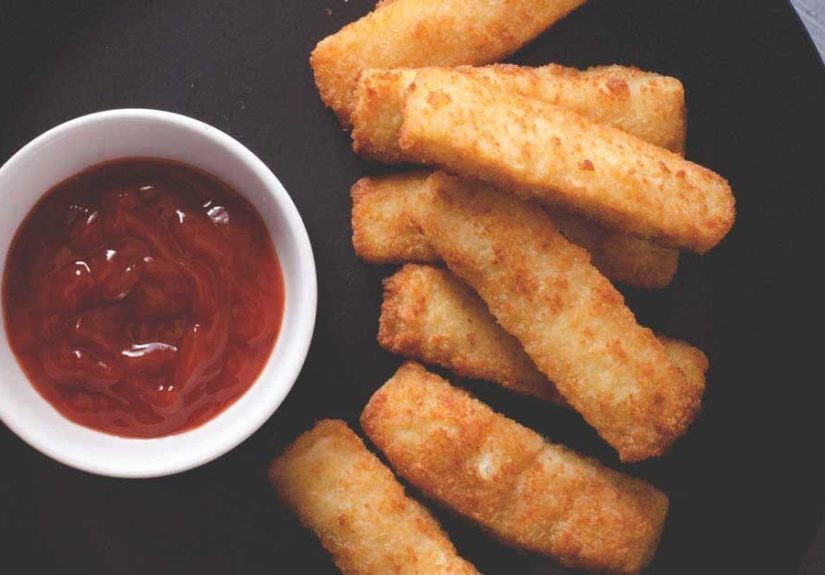
An air fryer can make processed foods taste great, but it cannot erase their nutrition facts label. Frozen fries, breaded cheese sticks, pizza rolls, chicken nuggets, corn dogs, and heavily processed appetizers may still be high in sodium, refined carbohydrates, saturated fat, or additives.
This does not mean you can never eat them. It means air frying should not be used as a loophole to turn ultra-processed foods into everyday staples. A practical rule: use the air fryer mostly for whole foods and occasionally for fun foods. Your dinner plate can have a personality without becoming a carnival menu.
Is Air Frying Good for Heart Health?
Air frying can support heart-health goals when it helps reduce deep-fried foods, excess calories, and saturated fat. Using less oil and choosing unsaturated fats, such as olive, avocado, or canola oil, can fit into a heart-conscious eating pattern. Air frying can also make it easier to prepare fish, vegetables, and lean poultry at home.
But the heart-health benefits depend on the recipe. Air-fried bacon, sausage, and frozen fried snacks are not suddenly heart-smart because a fan was involved. For a better plate, pair air-fried protein with vegetables, beans, whole grains, or a salad. Think air-fried salmon with roasted asparagus and brown rice, not air-fried hot dogs with a side of “I’ll start Monday.”
Food Safety: The Healthy Part People Forget
Healthy cooking is not only about fat and calories. It is also about cooking food safely. Air fryers can brown food quickly on the outside, which may make it look done before the inside reaches a safe temperature. This is especially important for poultry, ground meats, seafood, and leftovers.
Use a food thermometer. Poultry should reach 165°F. Fish should reach 145°F. Ground meats should reach 160°F, while many whole cuts of beef, pork, lamb, and veal should reach 145°F followed by rest time. Always check the thickest part of the food, not the crispy corner you are most emotionally attached to.
Avoid Overcrowding the Basket
Air fryers need airflow. When the basket is packed too tightly, food may cook unevenly. Overcrowding can lead to soggy fries, undercooked chicken, and general dinner disappointment. Cook in batches when needed. Yes, it takes a little longer, but so does explaining to everyone why the chicken is cold in the middle.
Clean the Basket Regularly
Old crumbs and grease can smoke, burn, and affect flavor. Clean the basket and tray after each use according to the manufacturer’s instructions. Avoid metal utensils that can scratch nonstick coatings. If the coating begins peeling or flaking, replace the basket or the appliance part.
Are Air Fryer Nonstick Coatings a Concern?
Many air fryer baskets have nonstick coatings. Used properly and kept in good condition, modern nonstick surfaces are generally designed for normal kitchen use. Still, it is smart to avoid overheating an empty basket, scraping the surface with metal tools, or using damaged cookware. People who prefer to avoid nonstick coatings can look for stainless steel, glass, or ceramic-coated options.
If you use parchment paper liners, use only food-grade liners made for air fryers, keep them away from the heating element, and never preheat the air fryer with loose parchment inside. The fan can lift lightweight paper, and flying parchment plus a heating coil is not the kind of kitchen drama anyone ordered.
How to Make Air Fryer Meals Healthier
Air frying is only as healthy as the habits around it. Here are practical ways to get the most benefit from your appliance.
Use a Light Hand with Oil
You usually need less oil than you think. Start with one or two teaspoons for vegetables or potatoes, then add more only if needed. A silicone brush or refillable oil mister can help distribute oil evenly. Avoid drowning food in oil before air frying, because at that point you have invented deep frying with extra steps.
Choose Better Coatings
Instead of refined white flour coatings, try crushed whole-grain cereal, whole-wheat breadcrumbs, almond flour, cornmeal, oats, or finely chopped nuts. Add spices for flavor. Paprika, garlic, onion powder, cumin, chili powder, Italian seasoning, and lemon pepper can reduce the need for excess salt.
Build a Balanced Plate
A healthy air fryer meal should include more than one crispy item. Aim for protein, vegetables, and fiber-rich carbohydrates. Examples include air-fried chicken with sweet potatoes and green beans, tofu with broccoli and brown rice, or shrimp tacos with cabbage slaw and avocado.
Watch Sodium in Frozen Foods
Many frozen air fryer favorites are high in sodium. Check the Nutrition Facts label and compare brands. Choose lower-sodium options when possible, and balance processed items with fresh vegetables or fruit.
So, Is Cooking with an Air Fryer Healthy?
Cooking with an air fryer can be healthy, especially when it replaces deep frying and helps you prepare more meals at home. It can reduce added oil, lower calories in traditionally fried recipes, and make vegetables and lean proteins more appealing. It is fast, convenient, and capable of turning humble ingredients into crispy, weeknight-friendly meals.
But the air fryer is not a nutrition wizard. The healthiest results come from smart choices: whole ingredients, moderate oil, safe cooking temperatures, light browning, and reasonable portions. Air-fried broccoli is healthy. Air-fried ultra-processed snacks every night are still ultra-processed snacks, just with better crunch.
The best way to think about an air fryer is as a useful tool. It is not a replacement for balanced eating, but it can make balanced eating easier. And in real life, easier matters.
Personal Experience: What Cooking with an Air Fryer Feels Like in Real Life
Using an air fryer regularly teaches you one thing very quickly: healthy cooking is much easier when it does not feel like a punishment. A plate of steamed vegetables may be virtuous, but air-fried vegetables have personality. Brussels sprouts become crispy at the edges, carrots turn sweet and roasted, and cauliflower develops the kind of golden flavor that makes people say, “Wait, this is cauliflower?” with genuine suspicion.
One of the most useful experiences with an air fryer is learning how little oil is actually necessary. At first, many home cooks use too much because they are used to stovetop frying. Then they realize a teaspoon or two can coat a whole bowl of vegetables if everything is tossed well. The result is lighter food that still has texture. That texture matters because crunch is often what people miss when they try to eat healthier.
Air fryers are also helpful for meal prep. Chicken breast, salmon, tofu cubes, turkey meatballs, and chickpeas can be cooked quickly without heating the entire kitchen. This makes weeknight meals less intimidating. Instead of waiting for a large oven to preheat, you can season food, place it in the basket, and have dinner moving in minutes. For busy families, students, or anyone who has ever stared into the refrigerator like it might offer emotional support, that speed can be the difference between cooking and ordering takeout.
There is also a learning curve. The first mistake is overcrowding. Everyone does it once. You pile in too many potato wedges, expecting crispy perfection, and get soft, uneven pieces that taste like they attended a meeting about fries but did not become fries. The second mistake is ignoring temperature. Thin vegetables can burn quickly, while thick chicken pieces may look browned before they are fully cooked inside. A thermometer solves the second problem, and batch cooking solves the first.
Another real-world lesson is that air fryers make leftovers better. Pizza, roasted potatoes, chicken cutlets, and vegetables often reheat with better texture than they do in a microwave. This can reduce food waste, which is good for your grocery budget and your conscience. Nobody wants to throw away last night’s sweet potatoes because they turned into orange sadness in the fridge.
From a health perspective, the best air fryer habit is using it for ingredients you already want to eat more often. If the appliance helps you eat more vegetables, cook more fish, prepare beans or chickpeas, or make homemade versions of takeout favorites, it is doing something valuable. If it becomes a nightly frozen-snack machine, it is still convenient, but the health benefit shrinks.
The most realistic conclusion from experience is this: an air fryer does not make food healthy by itself, but it makes healthy food more craveable. That is a big deal. Nutrition advice often focuses on rules, but people stick with meals that taste good. If crispy green beans, golden tofu, or lighter chicken tenders help you enjoy balanced eating, the air fryer has earned its counter space.
Conclusion
Cooking with an air fryer is healthy when you use it wisely. It can reduce oil, cut calories compared with deep frying, and make wholesome foods easier to cook. The healthiest air fryer meals feature vegetables, lean proteins, legumes, whole grains, and moderate amounts of healthy fats. The least healthy ones rely too heavily on frozen, salty, ultra-processed foods.
Use the air fryer as a helper, not a halo. Cook food to safe temperatures, avoid burning starchy foods, keep portions reasonable, and choose ingredients that support your goals. Do that, and your air fryer can be more than a trendy gadget. It can be a practical tool for better everyday eatingwith crunch included.






 Close
Close