
Table of Contents >> Show >> Hide
- What Is a Maison Caned Bed, Exactly?
- Why Cane and Rattan Are So Popular Right Now
- Construction: What Makes a Maison Caned Bed Feel High-End?
- Pros and Cons of Owning a Maison Caned Bed
- How to Style a Maison Caned Bed in Your Bedroom
- Care and Maintenance Tips for a Maison Caned Bed
- Is a Maison Caned Bed Right for You?
- Real-Life Experiences with a Maison Caned Bed
If you’ve ever scrolled past a photo of a dreamy French-inspired bedroom and thought, “Wait, what is that gorgeous bed with the woven headboard?”chances are you were looking at some version of a Maison caned bed. This style blends classic European lines with airy cane panels, giving you the best of both worlds: elegance and a relaxed, natural vibe.
In this guide, we’ll unpack what a Maison caned bed is, why cane furniture is having such a big moment, how to style and care for it, and what it’s really like to live with onesqueaks, dust bunnies, and all.
What Is a Maison Caned Bed, Exactly?
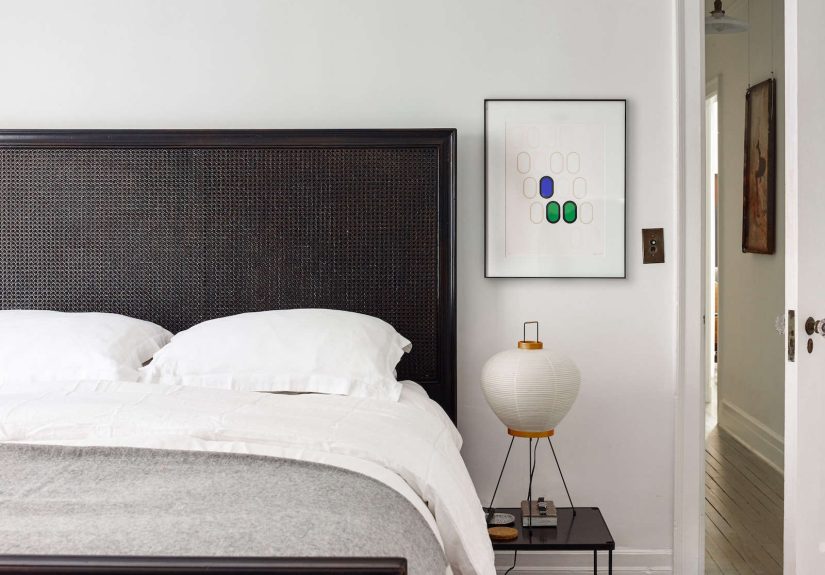
The word “Maison” hints at French inspiration, and that’s intentional. Many Maison caned beds are modeled after late 18th-century French furnishings, with clean rectangular forms, fluted or tapered legs, and a subtly distressed wood finish that looks like a well-loved antique. Brands like RH (formerly Restoration Hardware) describe their Maison Cane Bed as crafted from hardwood, distressed by hand in a multistep process to achieve the look of a weathered antique heirloom. The headboard and often the footboard are fitted with cane panels, giving the bed texture and lightness while still feeling substantial and architectural.
Think of the Maison caned bed as the more sophisticated cousin of the trending rattan and cane furniture you see everywhere: same breezy woven material, but wrapped in a more tailored, traditional frame that works in both classic and modern interiors.
Why Cane and Rattan Are So Popular Right Now
Cane and rattan furniture have been around for centuries, but they’ve surged back into the spotlight thanks to their natural warmth, sustainability profile, and ability to blend with a huge range of stylesfrom coastal to boho to modern farmhouse. Design guides point out that cane is made from the outer bark of the rattan palm, which is durable, flexible, and relatively lightweight. It can be woven into detailed patterns that add depth without visually cluttering a small bedroom.
Advantages often highlighted by furniture experts include:
- Eco-friendly material: Cane is a renewable natural resource, often praised as a more sustainable option than many synthetic materials.
- Lightweight but sturdy: Cane and rattan bed frames are generally lighter than full solid-wood designs, which is handy when you’re trying to vacuum under the bed or rearrange the room.
- Textural warmth: The woven surface adds character and breaks up large wooden surfaces, making the bedroom feel less “boxy” and more inviting.
Of course, cane isn’t totally carefree. It can require more maintenance than a slab of metal or solid wood, and it doesn’t love extremely dry air or heavy, repeated impact. But for many people, the aesthetic payoff is worth the upkeep.
Construction: What Makes a Maison Caned Bed Feel High-End?
A true Maison caned bed is more than just a trendy headboard. When you look at product specs from higher-end retailers, a few patterns emerge:
1. Solid Wood Frames
Most Maison-style cane beds use kiln-dried hardwood such as oak, pine, or meranti with fine veneers. Kiln drying helps minimize warping and cracking over time, which is especially important when you’re combining solid wood with tensioned cane panels.
2. Hand-Finished Surfaces
Retailers often highlight hand-applied finishes, including olive wash, antique coffee, or weathered natural tones. These finishes are built in layers to mimic the patina of a vintage French piece without requiring you to hunt through antique shops for months.
3. Cane Panels with Character
The woven cane itself is the star: tightly woven, framed by molding, and sometimes slightly recessed to protect the weave from bumps. On some beds, both the headboard and footboard feature cane; on others, only the headboard is woven while the footboard is solid wood. That decision subtly shifts the look from light and airy to more formal and grounded.
4. Platform or Slat Support
Many modern cane beds, including Maison-inspired designs, use slat systems that eliminate the need for a box spring. This keeps the profile cleaner, reduces squeaks, and makes the bed feel more contemporaryeven when the design language is vintage.
Pros and Cons of Owning a Maison Caned Bed
Pros
- Timeless style: French-inspired lines plus natural cane mean your bed won’t feel dated next year. Designers and home bloggers have been styling cane beds in mood boards and real-life homes for years, and they still feel fresh.
- Light yet substantial: The solid wood frame gives visual weight, while the cane keeps everything from feeling bulky.
- Versatile across styles: Cane beds show up effortlessly in coastal, boho, Scandinavian, transitional, and even modern traditional spaces.
- Great for layering texture: The woven pattern plays nicely with linen duvets, cotton quilts, and textured throw pillows.
Cons
- Maintenance: Dust and pet hair love to settle into those pretty little cane holes, so you’ll need to vacuum or brush the panels regularly.
- Sensitivity to climate: Natural cane can dry out or sag if subjected to extreme heat, dryness, or moisture over long periods.
- Potential wear and tear: If you treat the headboard like a ladder (no judgment) or kids use the footboard as a jungle gym, the cane may eventually stretch or crack.
- Cost: High-quality, hand-finished cane beds can be pricier than simpler metal or MDF frames because of the craftsmanship involved.
How to Style a Maison Caned Bed in Your Bedroom
Once you’ve invested in a Maison caned bed, the fun part begins: styling it so the whole room feels cohesive and calm (but not boring).
1. Start with a Soft, Neutral Base
Because the cane pattern is visually interesting on its own, many stylists recommend starting with a neutral palette for your big pieces. Off-white or sand-colored linen bedding, a natural jute or wool rug, and light curtains let the bed shine without competition. Interior guides emphasize that natural fiber rugs and light curtains help create a “sanctuary of serenity” effectperfect for highlighting a statement bed.
2. Layer Textures Like a Pro
Cane already gives you one texture. Add two more to follow the popular “rule of three” in bedroom design: maybe a velvet throw pillow, a chunky knit blanket, or a boucle accent chair. Designers note that grouping textures and colors in threes can make a space feel balanced and restful to the eye.
3. Decide: Bed Skirt or No Bed Skirt?
Traditionalists may instinctively reach for a bed skirt, but with a Maison caned bed, it’s optional. Design pros often recommend skipping bed skirts on chunkier, architectural frames or platform beds, since the fabric can visually fight with the beautiful base. A cane bed with elegant legs often looks better without extra fabric hiding the craftsmanshipespecially if your under-bed storage is minimal or well-contained.
4. Play with Mismatched Bedding
The newest bedroom trend is mismatched beddingmixing patterns, colors, and textures instead of using a perfectly coordinated set. A Maison caned bed is an ideal canvas for this: you get a structured, classic frame that anchors the room, so you can have fun with a floral quilt, striped shams, and a solid duvet without making the room feel chaotic. Designers suggest starting with one calm “base” piece (like a white or beige duvet) and layering smaller bursts of color and pattern on top.
5. Choose Complementary Furniture
You don’t have to buy an entire matching bedroom suite. In fact, many homeowners who own Maison cane beds say they like mixing the bed with different nightstands and dressers to keep the room from feeling too “matchy.” Pair the cane bed with simple painted nightstands, a vintage dresser, or even black metal side tables for contrast.
Care and Maintenance Tips for a Maison Caned Bed
To keep your Maison caned bed looking gorgeous for years, treat it a bit like that one friend who’s low maintenance but still appreciates a little attention.
1. Dust Regularly
Use a soft brush attachment on your vacuum or a clean paintbrush to whisk dust out of the cane weave. Guides on cane and rattan care stress that regular dusting prevents grime from settling into the fibers and keeps the weave from looking dull.
2. Avoid Extreme Conditions
Try not to park your bed in direct blasting sunlight or right next to a radiator. Long-term exposure to dryness or intense heat can cause cane to become brittle; high humidity can make it sag. A relatively stable indoor climate is ideal.
3. Clean Spills Gently
If something splashes onto the cane (coffee, anyone?), quickly blot with a slightly damp cloth and then dry immediately. Cane doesn’t like to stay wet, so skip soaking or harsh cleaners.
4. Rotate the Mattress, Not the Headboard
If the headboard sees a lot of actionpillows stacked high, people reading or scrolling in bedmake sure the pressure is on the pillows and mattress, not directly on the cane. Rotating or flipping your mattress can help distribute wear on the frame, too.
Is a Maison Caned Bed Right for You?
A Maison caned bed is ideal if you:
- Love a mix of classic and casual style
- Want a statement piece that’s not overly heavy or ornate
- Are willing to do a bit of dusting and care
- Like the idea of organic materials in your bedroom
If, on the other hand, you prefer zero-maintenance metal frames, have very active kids who treat furniture like playground equipment, or you live in a climate with extreme humidity swings and minimal climate control, you might want to weigh the long-term upkeep carefully.
For many people, though, the Maison caned bed hits the sweet spot: timeless, cozy, and versatile enough to evolve with your style over the years.
Real-Life Experiences with a Maison Caned Bed
Let’s talk about what it really feels like to live with a Maison caned bednot just the showroom fantasy.
The First Impression
Most people who bring home a Maison-style cane bed say the same thing: it instantly becomes the focal point of the room. The combination of a substantial wood frame and light, woven panels grabs attention the moment you walk in. It has that “grown-up bedroom” energyeven if you’re still using a laundry basket as a nightstand on one side.
Because so many Maison caned beds come in soft neutral finishes (think weathered oak, antique white, or olive wash), they tend to play well with what you already own. You don’t necessarily have to repaint the entire room. Swap in a new rug or throw pillow, and suddenly everything feels intentionally designed.
Day-to-Day Use
Day to day, the bed feels solid and supportive when the frame is well-constructed and properly assembled. Owners often mention that the combination of hardwood frame and slat support feels stable and luxurious, with less wobble than cheaper metal frames. Many you’ll see on the market use center-support bars and extra legs for added stability, especially in queen and king sizes.
The cane headboard is particularly nice if you like to sit up in bed to read or watch TV. With the right pillow setup, you get softness from the cushions and gentle support from the bonded cane. You do, however, want to avoid leaning back with a sharp object in your hair (yes, that includes claw clips) or banging heavy objects against the weave.
Cleaning Reality Check
Here’s where the romance meets reality: cane collects dust. If you have pets that shed, you’ll probably find a few hairs woven into the panel now and then. Most owners get into a rhythmmaybe a quick vacuum brush once a week alongside regular bedroom tidying. It’s not a huge time commitment, but it is more than what you’d spend on a plain solid-wood headboard.
On the flip side, many people say they actually like the ritual. It’s a small, satisfying task: put on a podcast, slowly run a brush over the cane, and watch it come back to life. It feels a bit like caring for a beloved piece of vintage furniture, even if your bed just came out of the box last year.
How It Ages Over Time
When well cared for, a Maison caned bed tends to age gracefully. The wood finish may develop subtle patinatiny nicks, gentle rubbing on the legsthat only adds to its “French country” charm. Cane, too, can mellow slightly in color, sometimes warming into a richer honey tone.
Some long-term owners of Maison bedroom collections report that the pieces hold up beautifully after several years, with the set still feeling quietly elegant rather than trendy. They often mention that the design doesn’t feel overly coordinated, so they can add or subtract pieces over time without the room looking like it came straight off a catalog page.
Styling Experiments You Might Try
Living with a Maison caned bed is a bit like having a really photogenic friendyou’re constantly tempted to try new looks. Over time, many people experiment with:
- Seasonal bedding swaps: Crisp white linen and light quilts in summer, then deeper jewel tones and velvet throws in winter.
- Art above the bed: Because the headboard already has texture, simple art works bestmaybe one large framed print or a trio of smaller pieces following the “rule of three.”
- Different bedside lamp styles: Rattan or wicker lamps for a coastal feel, metal task lamps for a more modern edge.
Thanks to the neutral, natural qualities of cane and wood, the bed rarely clashes with new ideas. Instead, it quietly supports each change, like a reliable co-star in your decor story.
The Verdict from Everyday Use
After months or years of living with a Maison caned bed, most people land on a similar conclusion: it’s a keeper. Yes, it needs a little care. Yes, it’s an investment piece. But the combination of comfort, visual warmth, and timeless style makes it one of those rare furniture purchases that still makes you happy every time you walk into the room.
If you want your bedroom to feel polished but welcoming, stylish but not stiff, the Maison caned bed is an excellent place to start. Add good lighting, breathable bedding, and maybe a plant or two, and you’re well on your way to a space that looks like it belongs in a design magazinebut still feels like home.







 Close
Close