
Table of Contents >> Show >> Hide
If you wake up scratching like you just lost a wrestling match with your bedsheets, “mite bites” may be the first suspect that pops into your head. Sometimes that hunch is right. Sometimes it is gloriously wrong. That is because the term mite bites covers a few very different problems, from scabies to chigger bites to irritation from bird or rodent mites. And to make things even more confusing, some people blame mites for rashes that are actually caused by allergies, eczema, bed bugs, fleas, or irritated skin.
The good news is that most mite-related skin problems can be recognized by a few clues: where the bumps appear, how badly they itch, whether symptoms get worse at night, and what you were doing before the rash showed up. The better news? Many mild cases can be soothed while you figure out what is going on, and the most important mite condition in humansscabiesis very treatable with the right prescription medicine.
This guide breaks down mite bite symptoms, treatment options, and the differences among common mite-related bites and rashes, so you can tell whether you are dealing with a backyard nuisance, a contagious skin infestation, or a case of mistaken identity.
What are mite bites, exactly?
Mites are tiny relatives of ticks and spiders. Some live on plants, some on animals, some in stored food, and some in household dust. But not all mites bite humans, and not all skin reactions blamed on mites are true bites.
In plain English, “mite bites” usually refers to one of these situations:
- Scabies: A human itch mite burrows into the top layer of skin and causes a very itchy rash.
- Chigger bites: Larval mites attach to skin outdoors and trigger intensely itchy bumps.
- Bird or rodent mite bites: Mites that normally feed on animals may bite people when their usual host disappears.
- Allergic reactions mistaken for bites: Dust mites, for example, are far more famous for causing allergies than for biting.
So yes, mites can cause skin misery. But no, every itchy bump is not proof that your mattress is staging a microscopic revolt.
Common symptoms of mite bites
The most common symptom across many mite-related problems is itching. Sometimes it is mild and annoying. Sometimes it is so distracting that people become experts in midnight scratching without ever applying for the job.
Typical signs you may be dealing with a mite-related rash
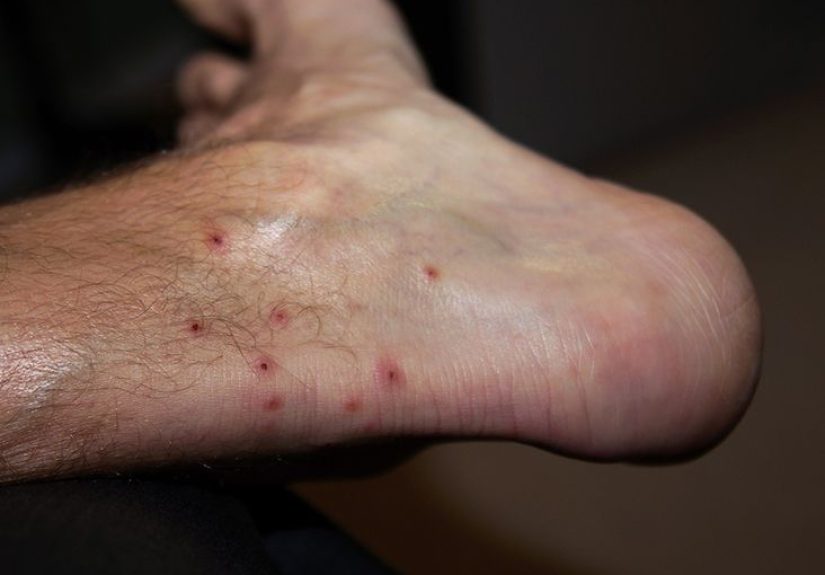
- Small red bumps or pimple-like spots
- Intense itching
- Clusters of bites or rash in specific areas
- Rash that worsens at night in some cases
- Scratch marks, scabs, or irritated skin from rubbing
- Occasional blisters or hive-like reactions
The exact pattern matters. Scabies often causes a rash in predictable body areas and tends to itch more at night. Chigger bites often strike after outdoor exposure and cluster where clothing fits tightly. Bird and rodent mites may cause random itchy spots on exposed skin, especially when there is an infestation nearby.
Different types of mite bites and how to tell them apart
1. Scabies: the most important one to recognize
When people search for “mite bites on skin,” scabies is often the real concern. Scabies is caused by the human itch mite, which burrows into the upper layer of skin. It spreads mainly through prolonged skin-to-skin contact, which is why it can move through households, dorms, care facilities, and intimate partnerships.
Common scabies symptoms include:
- Intense itching, often worse at night
- A pimple-like rash
- Tiny burrow lines in the skin
- Rash between fingers, on wrists, elbows, armpits, waist, buttocks, nipples, or genitals
- Sores caused by scratching
One reason scabies is tricky is that symptoms may not appear right away after first exposure. Some people do not react for weeks, which gives the mites a head start. Also, the rash does not always look dramatic. Sometimes it appears as scattered itchy bumps that could easily be mistaken for eczema, hives, or insect bites.
Big clue: if several people in the same household start itching around the same time, especially at night, scabies moves way up the suspect list.
2. Chigger bites: the outdoor ambush
Chiggers are the larval stage of certain mites found in tall grass, weeds, brushy areas, and woodland edges. They are tiny, seasonal troublemakers that tend to show up when the weather is warm and people are outside pretending bug spray is optional.
Common chigger bite symptoms include:
- Intense itching that may begin several hours after exposure
- Red bumps, welts, or hives
- Bites around the ankles, waist, sock line, underwear line, or warm skin folds
- Occasional blister-like lesions
Unlike a common myth, chiggers do not burrow into your skin and live there forever like tiny squatters. They attach, feed briefly, and trigger an inflammatory reaction. What you feel afterward is often your body’s response to the saliva and skin irritation, not a living chigger still tunneling away.
3. Bird mite bites
Bird mites usually live on birds and in nests. Problems often begin when birds nest in or near a homethink attics, vents, window ledges, rooflines, or abandoned nests near air conditioners. When the birds leave, the mites may wander indoors looking for another meal.
Typical clues include:
- Small itchy red bumps
- A crawling or prickling sensation
- Bites that seem random and keep appearing indoors
- Symptoms that start after birds nested nearby
Bird mites do not usually live long on humans, but they can still cause misery. In these cases, the real solution is not just skin care. It is identifying and removing the source of the infestation safely and cleaning the area.
4. Rodent mite bites
Rodent mites can become a problem in homes or buildings with rats, mice, or nesting rodents. When the rodents die, leave, or their nests are disturbed, the mites may bite people instead.
What it may look like:
- Itchy papules or tiny red bumps
- Bites on exposed skin
- Symptoms that continue indoors despite no obvious mosquitoes or fleas
- Evidence of rodent activity, such as droppings or scratching in walls
If the rash seems to appear mostly at home and pest clues are present, this possibility is worth considering.
5. Dust mites: usually not bites at all
Dust mites are the celebrities of allergy season, but they are usually not true biters. They feed on shed skin flakes in bedding, upholstery, and carpets. What they commonly cause is allergy symptoms, not bite marks: sneezing, itchy eyes, a runny or stuffy nose, and sometimes worsening asthma or itchy skin from irritation.
So if your main problem is waking up congested rather than dotted with red bumps, dust mites may be the culpritbut not because they are nibbling on you.
How to treat mite bites at home
Home care depends on the type of mite problem. For simple, non-burrowing bites or skin irritation, treatment is usually focused on symptom relief.
Basic mite bite treatment
- Wash the area gently with soap and water
- Use a cool compress to calm itching and swelling
- Apply an over-the-counter anti-itch cream, such as hydrocortisone, if appropriate
- Consider an oral antihistamine for significant itching
- Avoid scratching, which can break the skin and invite infection
Calamine lotion can also be soothing for some itchy rashes. If the skin is broken from scratching, keep the area clean. Scratching may feel satisfying for exactly three seconds and then reward you with more inflammation, more redness, and possibly an infection. Not a great deal.
How scabies treatment is different
Scabies usually requires prescription treatment. Common options include medicated creams or lotions that kill the mites, with permethrin 5% being a widely used first-line option. Some patients may need oral medication such as ivermectin, depending on the situation and a clinician’s judgment.
Just as important as treating the skin is treating the environment and close contacts when recommended:
- Follow the medication directions carefully
- Treat close contacts or household members when instructed
- Wash clothing, towels, and bedding as directed
- Seal unwashable items if advised
One surprising detail: the itching from scabies can continue for a few weeks even after successful treatment. That does not automatically mean the treatment failed. It can simply take time for the skin and immune response to calm down.
When to see a doctor
Sometimes an itchy rash is just an itchy rash. Sometimes it is a sign you need medical care. Call a healthcare professional if:
- The itching is severe or keeps you awake
- The rash is spreading quickly
- You suspect scabies
- You develop fever, body aches, or feel ill
- The bite area becomes increasingly red, warm, swollen, or painful
- You see pus, crusting, or signs of infection
- Several people in your household have symptoms
- Home treatment is not helping
Children, older adults, people with weakened immune systems, and anyone with a widespread rash should be evaluated sooner rather than later.
How to prevent mite bites
For scabies prevention
- Avoid prolonged skin contact with someone known to have untreated scabies
- Do not share bedding, towels, or clothing during active infestation
- Complete all treatment steps if someone in your household is diagnosed
For chigger prevention
- Wear long sleeves and long pants in grassy or brushy areas
- Tuck pants into socks when hiking or working outdoors
- Use an appropriate insect repellent
- Shower and change clothes after outdoor exposure
For bird and rodent mites
- Remove bird nests safely and legally when appropriate
- Seal entry points around the home
- Address rodent infestations promptly
- Clean affected areas thoroughly
- Consider professional pest control if bites keep happening indoors
Mite bites vs. other bug bites
Mite bites are easy to confuse with bed bug bites, flea bites, mosquito bites, contact dermatitis, eczema, and hives. A few clues can help:
- Scabies: intense nighttime itch, rash in classic body areas, close contacts may itch too
- Chiggers: outdoor exposure, clustered itchy bumps at tight clothing lines
- Bed bugs: bites may appear in lines or clusters, often after sleeping
- Fleas: common around ankles and in homes with pets
- Allergic rash: may be more widespread and not follow a bite pattern
If you cannot identify a source and the rash keeps returning, a clinician or dermatologist can help sort out whether you are dealing with mites, another insect, or a skin condition that only looks like a bite reaction.
Common experiences people report with mite bites
The experience of mite bites is often more frustrating than dramatic. Many people expect a giant obvious bite like a mosquito welt, then end up with something much sneakier: tiny itchy bumps, a vague rash, or an itch that seems totally unreasonable for how little there is to see.
People with scabies often describe the early phase as confusing. They may notice mild itching on the wrists, hands, or waistline and assume it is dry skin, detergent irritation, or stress. Then the itch ramps up, especially at night. Sleep becomes annoying. Sheets suddenly feel like sandpaper. Some say the weirdest part is that the rash may look smaller than the misery feels. When another family member starts itching too, that is often the moment people realize this is probably not just “sensitive skin.”
Those with chigger bites usually remember the setting clearly. A day in tall grass. A picnic. Yard work. A hike. Then, several hours later, the itching arrives like an uninvited drum solo. People commonly report bites around the sock line, waistband, behind the knees, or in other warm, snug areas under clothing. The bumps may be tiny, but the itch can feel wildly out of proportion. Many people say nighttime is the worst, when there are no distractions and the brain decides to focus on every single bump like it is breaking news.
People dealing with bird or rodent mites often have the most mysterious stories. They notice random itchy spots at home, especially when sitting in one room, sleeping near a window, or spending time in an attic-level bedroom. They wash the sheets, change detergent, vacuum, and maybe blame mosquitoes. Then the bites keep showing up. Eventually they discover a nest in a vent, birds near the roofline, or signs of rodents in the walls. In these situations, the emotional experience is often half rash, half detective novel.
Another common theme is the temptation to over-treat. Once the itching starts, people may layer on multiple creams, scrub the skin too aggressively, or use remedies they found in the internet wilderness. Usually, gentler care works better: clean the area, reduce inflammation, avoid scratching, and use the correct treatment for the actual cause. More product is not always more healing. Sometimes it is just more chaos in a tube.
People also report that the aftermath can outlast the actual exposure. With scabies, itching may continue even after treatment succeeds. With chigger bites, the bumps can remain itchy for days. With scratched bites, the skin may stay discolored or irritated longer than expected. That can make people think they are still being bitten when they are really experiencing lingering inflammation or irritation from scratching.
Perhaps the most relatable experience of all is this: people want a simple answer. They want one bump to equal one bug and one cream to fix it by dinner. Mite-related skin problems are rarely that tidy. But with the right clues, a little patience, and medical help when needed, the mystery usually becomes manageableand your skin can finally stop acting like it has a personal grudge.
Final thoughts
Mite bites can range from mildly irritating to truly miserable, but the pattern usually tells a story. Scabies is the big one to recognize because it is contagious and needs prescription treatment. Chigger bites are classic after outdoor exposure and are known for intense itching. Bird and rodent mites are more about environmental infestations than long-term skin colonization. And dust mites usually belong in the allergy conversation, not the bite conversation.
If your rash is severe, keeps returning, spreads through the household, or comes with signs of infection, it is time to stop guessing and get medical advice. Because sometimes the best treatment for “mite bites” is not another anti-itch creamit is finally figuring out what is actually biting, burrowing, irritating, or pretending to be the villain.







 Close
Close