
Table of Contents >> Show >> Hide
- What “Mood Boosting Foods” Really Means (No Glitter Required)
- The 3 Mood Levers Your Plate Can Pull
- Mood Boosting Foods to Put on Repeat
- 1) Fatty fish (omega-3 foods)
- 2) Eggs (especially the yolk)
- 3) Vitamin D foods (and fortified staples)
- 4) Colorful fruits and vegetables (antioxidants + “your plate needed a personality anyway”)
- 5) Complex carbohydrates (the serotonin-friendly kind)
- 6) Legumes (beans, lentils, chickpeas)
- 7) Nuts and seeds (especially walnuts, pumpkin seeds, chia, flax)
- 8) Fermented foods (probiotic foods)
- 9) Cocoa and dark chocolate (yes, reallybut don’t turn it into a personality)
- 10) Beets and sweet potatoes (steady fuel comfort foods)
- The “Build-a-Plate” Formula for Better Mood (No Math Degree Needed)
- Foods and Habits to Limit (Because “Mood Sabotage” Is Also a Food Group)
- Special Notes: When Mood Is More Than “A Bad Day”
- Quick “Mood Boosting Foods” Grocery List
- Real-Life Experiences: of What “Mood Food” Looks Like in the Wild
- Conclusion
Let’s get one thing straight: there is no “happiness avocado” that will solve your entire emotional life in three bites.
(If there were, it would cost $19 and come with a tiny spoon.)
But food does matter for moodbecause your brain is an organ that runs on fuel, and it cares deeply about
whether that fuel arrives as steady, nutrient-rich energy… or as a sugar roller coaster with a side of regret.
Cleveland Clinic notes that what you eat can influence mood, sleep, and energyand that those ripple effects can shape your whole day.
This guide breaks down the most practical, evidence-based “mood boosting foods” approach: not magical ingredients, but repeatable choices
that support brain chemicals, steady blood sugar, and feed the gut-brain connection. You’ll also get meal ideas you can actually use,
plus a longer “real-life experiences” section at the end to make this feel like something humans do in kitchensnot robots in labs.
What “Mood Boosting Foods” Really Means (No Glitter Required)
Mood is influenced by many thingssleep, stress, movement, relationships, hormones, sunlight, genetics, and mental health conditions.
Food isn’t the whole story. But it’s one of the few levers you can pull multiple times a day.
Think of mood-supportive eating as creating the conditions for your brain to do its job:
- Stable energy (so you’re not cranky at 3 p.m. for reasons that are mostly “I ate a muffin”).
- Raw materials for neurotransmitters (like serotonin, dopamine, and norepinephrine).
- Lower inflammation and oxidative stress (because the brain doesn’t love being “on fire,” metaphorically or otherwise).
- A healthier gut environment (your gut and brain are in constant conversationsometimes loudly).
Cleveland Clinic’s practical headline is refreshingly simple:
the best mood-friendly meal is one that combines complex carbohydrates + lean protein + colorful produce.
That combo helps support serotonin availability, dopamine-related motivation and focus, and steadier blood sugar.
The 3 Mood Levers Your Plate Can Pull
1) Blood sugar stability (a.k.a. “fewer emotional hostage situations”)
Quick-digesting sweets and refined starches can spike blood sugar and then crash itleaving you tired, irritable, and searching for “just one more snack”
that somehow becomes six. Cleveland Clinic recommends cutting back on sugary foods/drinks, highly processed foods, and alcoholespecially when you’re prone to
seasonal “winter blues.”
The fix isn’t “never eat carbs.” It’s choosing carbs that come with fiber, and pairing them with protein and healthy fat so your energy arrives steadily.
2) Neurotransmitter support (your brain’s group chat)
Your brain needs amino acids (from protein), vitamins, minerals, and fatty acids to build and regulate neurotransmitters.
Cleveland Clinic highlights protein-rich foods because they’re linked with brain chemicals involved in mood, motivation, and concentration.
Translation: protein doesn’t make you happy, but it can make you less likely to feel like a phone with 2% battery.
3) The gut-brain axis (yes, your stomach has opinions)
The gut and brain communicate through nerves (including the vagus nerve), immune signaling, and chemical messengers.
Diet patterns that include fiber-rich plants and fermented foods can support a diverse microbiome, which is increasingly associated with mental well-being.
You don’t need to become a kombucha sommelierjust give your gut some grown-up food regularly.
Mood Boosting Foods to Put on Repeat
Below are the foods that show up again and again across clinical guidance and nutrition researchespecially when you zoom out to dietary patterns like
a Mediterranean-style approach (vegetables, fruit, legumes, nuts, olive oil, fish).
Consider this your “mood-supportive roster,” not a strict checklist.
1) Fatty fish (omega-3 foods)
Salmon, sardines, trout, anchovies, and herring are rich in omega-3 fatty acids (EPA and DHA).
Omega-3s are studied for heart health and also for their potential role in mood disorders.
If you don’t eat fish often, aim to start with one or two fish meals per week.
Practical tip: choose baked, grilled, or canned-in-water options more often than fried.
If you’re pregnant or feeding kids, follow FDA guidance about fish choices and serving sizes.
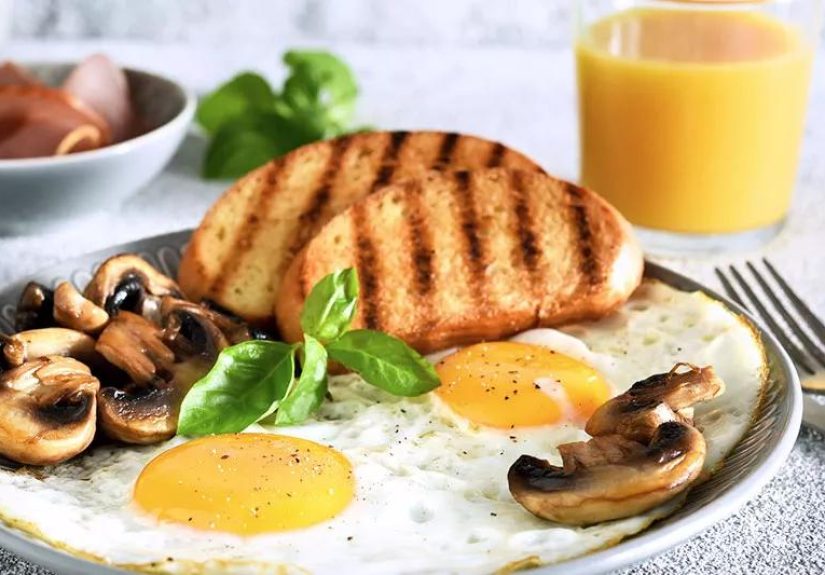
2) Eggs (especially the yolk)
Eggs bring protein plus nutrients like choline and vitamin D (which Cleveland Clinic highlights for mood support, especially in darker months).
If your breakfast is usually “coffee and vibes,” adding eggs can reduce mid-morning hunger chaos.
3) Vitamin D foods (and fortified staples)
Cleveland Clinic points to vitamin D–rich foods such as egg yolks, fatty fish (like salmon and tuna), and mushrooms,
along with fortified milk, yogurt, and some cereals. Vitamin D is often discussed in relation to seasonal mood shifts.
If you suspect deficiency, don’t guessask a clinician about testing. The goal is support, not supplement roulette.
4) Colorful fruits and vegetables (antioxidants + “your plate needed a personality anyway”)
Fruits and veggies provide vitamins, minerals, and antioxidants that nourish the body and brain.
Cleveland Clinic specifically calls out vitamin C sources like citrus, bell peppers, broccoli, kiwi, strawberries, and mango.
Easy win: add one colorful produce item to each meal. That’s it. Not seven. One.
5) Complex carbohydrates (the serotonin-friendly kind)
Oats, quinoa, beans, lentils, sweet potatoes, and brown rice are classic complex carbs: more fiber, slower digestion, steadier energy.
Cleveland Clinic notes that complex carbs can increase serotonin availability in the brainespecially when they come from whole foods.
Translation: swap “mystery crackers” for oats, beans, sweet potatoes, or quinoa a few times a week and notice how your afternoon feels.
6) Legumes (beans, lentils, chickpeas)
Legumes are the underpaid heroes of mood-supportive eating: fiber for the gut, protein for neurotransmitter building blocks, and minerals like iron and magnesium.
Cleveland Clinic even suggests crunchy roasted chickpeas as a swap for chipsbecause your snack deserves both joy and nutrients.
7) Nuts and seeds (especially walnuts, pumpkin seeds, chia, flax)
Nuts and seeds deliver healthy fats, fiber, and key minerals. Cleveland Clinic highlights walnuts specifically for cognitive support and mood,
and they’re easy to add: toss onto oatmeal, salads, yogurt, or eat a small handful with fruit.
If you’re seed-curious: pumpkin seeds are a simple magnesium booster; chia and flax bring fiber and plant omega-3 (ALA).
8) Fermented foods (probiotic foods)
Yogurt, kefir, kimchi, sauerkraut, miso, tempeh, and kombucha show up in gut-brain discussions because they provide beneficial bacteria.
UCLA Health highlights many of these as gut-brain–supportive choices.
Start small: add a spoon of kimchi to a rice bowl, choose unsweetened yogurt, or try kefir in a smoothie.
If fermented foods make your stomach angry, go slowyour gut doesn’t like surprise parties.
9) Cocoa and dark chocolate (yes, reallybut don’t turn it into a personality)
Cleveland Clinic points to cocoa as a source of polyphenolsplant compounds associated with anti-inflammatory and antioxidant effects.
The keyword here is cocoa, not “candy bar with a motivational quote on the wrapper.”
Try: a mug of unsweetened cocoa with warm milk (dairy or fortified alternative) and a light sweetener,
or a small square of dark chocolate after lunch.
10) Beets and sweet potatoes (steady fuel comfort foods)
Cleveland Clinic calls out sweet potatoes for fiber and slower blood sugar effects, and notes magnesium content may support anxiety reduction.
Beets get attention for potential blood pressure and blood sugar effectsplus they’re weirdly good roasted.
The “Build-a-Plate” Formula for Better Mood (No Math Degree Needed)
If you take only one strategy from this article, make it this: build meals that combine
fiber-rich carbs + protein + colorful plants + healthy fat.
This is the pattern Cleveland Clinic emphasizesand it’s also the pattern behind many “good mood diet” discussions.
Simple examples
- Breakfast: Rolled oats + Greek yogurt + berries + walnuts (or chia).
- Lunch: Quinoa or brown rice bowl + salmon or tofu + greens + roasted vegetables + olive oil/lemon.
- Dinner: Lentil soup + side salad + whole-grain toast + a spoon of sauerkraut.
- Snack: Apple + peanut butter, or roasted chickpeas + a clementine.
Cleveland Clinic notes that changes can take a couple of weeks to show up in mood.
That’s normal. Your body isn’t a vending machine: you can’t put in a walnut and immediately receive “Serotonin™.”
Foods and Habits to Limit (Because “Mood Sabotage” Is Also a Food Group)
Cleveland Clinic suggests cutting down on sugar, alcohol, starchy/refined foods, and heavily processed foods when you’re trying to support mood
especially during seasons when emotional eating ramps up.
- Added sugars: U.S. guidance commonly recommends keeping added sugar under 10% of daily calories. Read labels; “added sugars” are listed.
- Ultra-processed snack cycles: If a food makes you hungry again in 45 minutes, pair it with protein/fiber or swap it.
- Alcohol: It can disrupt sleep and mood for many people. If you drink, keep it moderate and not on an empty stomach.
- “Coffee as breakfast”: Caffeine is fine for many, but caffeine + no food can become anxiety cosplay.
Special Notes: When Mood Is More Than “A Bad Day”
It’s important to say this clearly: if you have persistent sadness, loss of interest, hopelessness, or other symptoms of depression,
food can be supportivebut it’s not a replacement for professional care.
Depression is a real medical condition affecting millions of U.S. adults.
If you’re struggling, consider talking with a licensed mental health professional or your primary care provider.
If you or someone you know is in immediate danger or crisis in the U.S., call or text 988 for the Suicide & Crisis Lifeline.
Quick “Mood Boosting Foods” Grocery List
- Protein: salmon/sardines, eggs, chicken/turkey, tofu, beans/lentils, unsweetened yogurt/kefir
- Complex carbs: oats, quinoa, brown rice, sweet potatoes
- Plants: spinach/kale, broccoli, bell peppers, berries, citrus, beets
- Healthy fats: olive oil, walnuts, chia/flax, pumpkin seeds
- Gut helpers: kimchi/sauerkraut, miso/tempeh (as tolerated)
- Extras: cocoa powder (unsweetened), herbs/spices, lemons
Real-Life Experiences: of What “Mood Food” Looks Like in the Wild
I can’t claim personal kitchen victories (I don’t own a fridgetragic, I know), but I can share the kinds of patterns people commonly describe
when they try a Cleveland Clinic–style approach: more whole foods, steadier meals, and fewer “nutrient potholes.”
Think of the stories below as realistic compositeswhat you might notice if you run your own two-week mood-food experiment.
Experience #1: The “I stopped skipping breakfast” plot twist
Many people start with one change: breakfast becomes food, not just caffeine and optimism.
Swapping a pastry-only morning for oats + yogurt + berries (or eggs + whole-grain toast + fruit) often leads to a surprisingly boring outcome:
fewer energy crashes. That boredom is a win.
By late morning, instead of feeling shaky, impatient, or weirdly emotional over a slow email reply, they report feeling more even.
The reason is simple: fiber + protein + healthy fat tends to slow digestion, so energy arrives steadily.
Experience #2: The “afternoon snack that doesn’t betray me” upgrade
A common complaint is the 3 p.m. slumpwhen your brain starts whispering, “Cookies are basically therapy.”
People who switch to snacks like apple + peanut butter, roasted chickpeas, or yogurt + walnuts often say cravings become less intense.
Not gone. Just less bossy.
They still enjoy sweet foods, but they’re not stuck in the loop of “spike, crash, repeat.”
This is where Cleveland Clinic’s advice to cut back on sugary, low-nutrient foods shows up in real life: fewer mood dips that feel random,
because your blood sugar isn’t doing parkour.
Experience #3: The “fish twice a week” confidence boost
People who add fatty fish a couple of times per weeksalmon bowls, sardines on toast, tuna in a saladoften report they feel more “on track.”
Part of that is psychological (doing something caring for yourself matters), and part may be nutritional (omega-3s are a recurring theme in mood research).
They also discover a practical bonus: a fish-based meal is often a full meal, not a snack parade pretending to be dinner.
Experience #4: The fermented-food “go slow” lesson
Some folks jump into probiotics like it’s a new season of a show: yogurt, kombucha, kimchi, all in one day.
Then their gut sends an angry memo.
People who succeed tend to start smallone serving a day, a few days a weekand choose lower-sugar options.
Over time, they describe feeling “lighter” after meals and less bloated, which can indirectly support mood (it’s hard to feel radiant while unbuttoning jeans).
The biggest takeaway is patience and consistency, not mega-dosing sauerkraut.
Experience #5: The “two-week timeline” feels real
Cleveland Clinic notes it may take a couple of weeks to notice improvement.
That’s exactly what people often report: the first few days feel mostly like “I’m cooking more.”
Week two is when subtle shifts appearless afternoon irritability, fewer intense cravings, sleep that’s a bit more stable,
and a general sense of having better emotional traction.
It’s not constant happiness. It’s more like fewer unnecessary mood potholes.
If you want to try this yourself, keep it ridiculously simple: pick one addition per day (Cleveland Clinic recommends this mindset),
like adding berries to breakfast or swapping chips for roasted chickpeas. Track your energy, sleep, and mood for 14 days.
If you feel significantly worse, or if mood symptoms are intense or persistent, loop in a clinicianbecause food is support, not a substitute for care.
Conclusion
Mood boosting foods aren’t about chasing a “perfect” diet or banning joy from your plate. They’re about building meals that help your brain do its job:
stable energy, mood-supportive nutrients, and a gut that isn’t constantly sending stress signals.
Start where it’s easiest: add one colorful plant a day, pair carbs with protein, try fish or legumes a couple of times per week,
and keep added sugars and ultra-processed snacks from running your calendar.
Over a few weeks, those small choices can add up to a noticeably steadier youstill human, still occasionally dramatic, but with better fuel.





 Close
Close