
Table of Contents >> Show >> Hide
- Does an “MS Diet” Really Exist?
- What an MS-Friendly Eating Pattern Tries to Do
- Foods to Eat More Often
- 1) Colorful vegetables and fruits (your daily micronutrient insurance)
- 2) High-fiber whole grains and starchy plants (for energy + regularity)
- 3) Healthy fats (especially omega-3-rich choices)
- 4) Lean proteins (muscle support + steady appetite)
- 5) Fermented and gut-friendly foods (optional but helpful)
- 6) Fluids (because dehydration is a sneaky villain)
- Foods to Limit (Not “Never Again”)
- Popular MS Diets: What to Know (Without the Hype)
- Nutrients and Supplements: Helpful, Maybe, or “Ask First”
- A Practical MS-Friendly Plate (No Tracking App Required)
- MS-Friendly Grocery List (So Future You Doesn’t Have to Think)
- When to Get Personal Guidance
- Real-Life Experiences With MS Eating Patterns (About )
- Conclusion
- SEO Tags
If you’ve ever Googled “best diet for MS” and immediately felt like your refrigerator was being judged by a jury of kale,
you’re not alone. Multiple sclerosis is complicated, and it’s totally normal to want something concrete you can controllike what’s on your plate.
Here’s the honest truth (said with love and zero scolding): there’s no single “official” MS diet that cures MS. But there is a way of eating that
can support energy, bowel regularity, heart health, weight management, and overall inflammation balanceaka the things that can make daily life with MS
feel a little less like pushing a shopping cart with one wonky wheel.
This guide breaks down foods to eat more often, foods to limit (not banish to the shadow realm), practical meal ideas,
and how to think about popular plans like Mediterranean-style eating, Swank, Wahls, keto, and fastingwithout the drama.
Does an “MS Diet” Really Exist?
Think of “MS diet” less like a strict rulebook and more like a helpful blueprint. Research hasn’t identified one perfect pattern
that works for every person with MS. Still, many experts and MS organizations consistently point to the same big picture:
prioritize whole, minimally processed foods; emphasize plants and healthy fats; get enough fiber and protein; and limit added sugars
and saturated fats. Not because you need to eat “perfectly,” but because your brain and body deserve steady fuel.
What an MS-Friendly Eating Pattern Tries to Do
- Support overall health: MS doesn’t happen in isolationheart health, metabolic health, and bone health matter, too.
- Help manage symptoms that food can influence: constipation, fatigue swings, and energy crashes are common targets.
- Promote a steadier inflammation environment: not “anti-inflammatory magic,” just a more supportive baseline.
- Make meals easier to execute: because some days, “cooking” means assembling things on a plate and calling it a win.
Foods to Eat More Often
1) Colorful vegetables and fruits (your daily micronutrient insurance)
Fruits and veggies bring antioxidants, polyphenols, potassium, folate, and fibernutrients tied to brain, immune, and gut health.
Try to “eat the rainbow,” not because it’s trendy, but because different colors often mean different protective compounds.
- Easy wins: baby spinach in eggs, frozen berries in yogurt, carrots + hummus, salsa on basically everything.
- MS-friendly shortcut: frozen vegetables count and require zero chopping (your future self says thank you).
2) High-fiber whole grains and starchy plants (for energy + regularity)
Fiber supports gut health and can help with constipationsomething many people with MS deal with. Whole grains and starchy plants also
provide steady energy compared to refined carbs that spike and crash.
- Choose more often: oats, brown rice, quinoa, barley, whole-wheat pasta, sweet potatoes, beans and lentils.
- Simple swap: half white rice + half cauliflower rice if you want lighter texture without ditching carbs entirely.
3) Healthy fats (especially omega-3-rich choices)
Fats are not the villainyour nervous system literally uses fat in its structure. The goal is choosing fats that support heart health.
Many MS-friendly approaches lean on unsaturated fats and omega-3s rather than saturated and trans fats.
- Go-to fats: extra-virgin olive oil, avocado, nuts, seeds (chia, flax, hemp), natural nut butters.
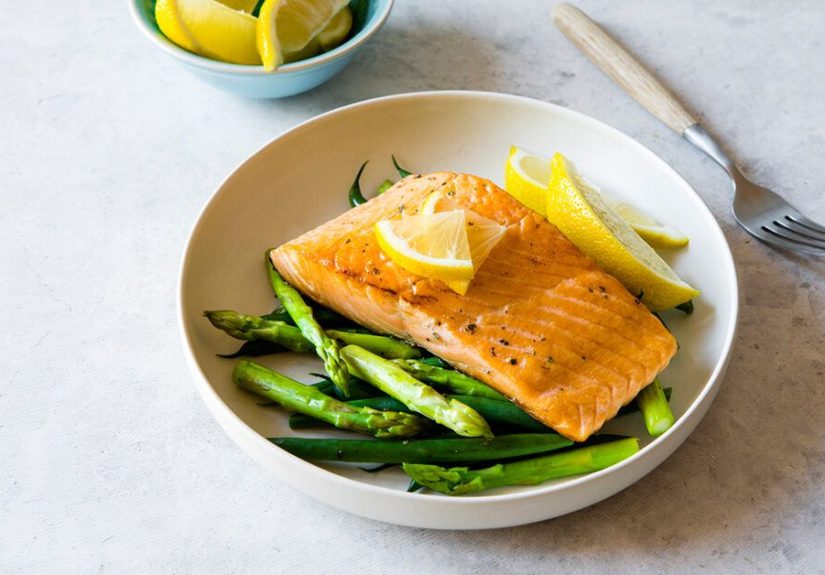
- Omega-3 foods: salmon, sardines, trout, herring; if you don’t eat fish, talk to a clinician about alternatives.
4) Lean proteins (muscle support + steady appetite)
Adequate protein helps maintain muscle and supports satietyuseful if fatigue makes you graze all day or forget meals until 4 p.m.
Mix animal and plant sources based on your preferences and tolerance.
- Good options: beans, lentils, tofu, tempeh, eggs, poultry, fish, low-sugar yogurt, cottage cheese.
- Low-effort option: rotisserie chicken + bagged salad + microwaveable brown rice = dinner without a dissertation.
5) Fermented and gut-friendly foods (optional but helpful)
The gut microbiome is a hot topic in immune health research. While it’s not a cure lever, a fiber-rich diet plus fermented foods can be a practical way
to support digestion and overall wellness.
- Try: plain yogurt or kefir, sauerkraut, kimchi, miso, fermented pickles.
- Tip: choose lower-sugar versions of yogurt/kefir and add fruit yourself.
6) Fluids (because dehydration is a sneaky villain)
Hydration supports energy and bowel function. If bladder symptoms make hydration tricky, spread fluids earlier in the day and
discuss individualized strategies with your clinician.
- Hydration helpers: water, herbal tea, sparkling water, brothy soups, high-water produce (cucumber, oranges, melon).
Foods to Limit (Not “Never Again”)
“Limit” means “less often and in smaller amounts,” not “you are banned from birthday cake.”
The goal is reducing foods linked to worse cardiometabolic health and more inflammation-promoting eating patterns.
1) Ultra-processed foods
Packaged snacks and meals can be convenientsometimes essentialbut many are high in sodium, added sugar, and less-helpful fats.
Try an 80/20 approach: mostly whole foods, with room for convenience.
- Limit more often: chips, packaged pastries, sugary cereals, instant noodles, processed meats, many frozen “meal” boxes.
- Upgrade idea: keep convenience but improve quality: frozen veggies + canned beans + microwavable grain packs.
2) Added sugars (especially in drinks)
Added sugar is easiest to overdo through beverages because they don’t fill you up. If you love sweet drinks, step down gradually:
half-sweet tea, smaller sizes, or swap in flavored sparkling water.
- Common culprits: soda, sweet coffee drinks, energy drinks, sweetened “fruit” beverages.
- Realistic swap: plain latte + cinnamon, or iced tea with lemon and a small splash of juice.
3) Saturated and trans fats (think “burger-and-fries frequency”)
Many MS-focused eating plans recommend keeping saturated fat lower, partly because cardiovascular health matters for brain health overall.
You don’t need fat-free everything; you just want most fats to come from unsaturated sources.
- Limit more often: fried foods, fast food, processed meats, heavy butter/cream-based meals, pastries with hydrogenated oils.
- Swap: olive oil for butter most days; fish or beans more often than fatty red meat.
4) Refined carbs (when they crowd out better carbs)
White bread and sweets aren’t evilthey’re just not as helpful as fiber-rich carbs. If refined carbs dominate your day,
energy can feel more roller-coaster than steady cruise control.
- Limit more often: white bread, many baked goods, candy, large portions of white pasta.
- Swap: whole-grain bread, oats, quinoa, beans, berries.
5) Sodium overload
High sodium is common in packaged foods and can worsen blood pressure risk. You don’t need a bland lifeuse herbs, citrus, vinegar,
garlic, and spice blends to keep flavor high while sodium stays reasonable.
Popular MS Diets: What to Know (Without the Hype)
Mediterranean-style eating
This pattern emphasizes vegetables, fruits, legumes, whole grains, olive oil, fish, and modest amounts of dairy and poultry.
It’s frequently recommended because it supports heart and brain health and is realistic to maintain long-term.
Swank diet (low saturated fat)
The Swank approach is known for strongly limiting saturated fat. Some people like its clear structure, but it can feel restrictive.
If you try it, focus on nutrient adequacy (especially for fat-soluble vitamins and overall calories).
Wahls Protocol / Paleo-style approaches
Some people report improved energy or fatigue with highly structured Paleo-style plans that emphasize vegetables and remove certain food groups.
Evidence is still emerging and experiences vary. If a plan eliminates major categories (like dairy or grains), plan carefully to avoid nutrient gaps.
Keto or very low-carb diets
Keto is being studied in various neurologic conditions, but it’s not a standard MS recommendation.
It can be hard to sustain and may raise concerns for lipid levels or nutrient balance depending on how it’s done.
If you’re considering it, do it with medical guidancenot with vibes and bacon alone.
Intermittent fasting
Fasting approaches (time-restricted eating, 5:2, etc.) are popular. Some people find fasting simplifies decisions (“I only think about food in a smaller window”),
while others feel worse (fatigue, dizziness, or overeating later). If you try it, start gently and prioritize hydration and protein at meals.
Nutrients and Supplements: Helpful, Maybe, or “Ask First”
Supplements are common in MS conversations, but “common” doesn’t always mean “proven.” Food-first is usually the safest baseline,
with supplements used to correct deficiencies or meet specific needs.
Vitamin D
Vitamin D is frequently discussed in MS. Many clinicians check vitamin D levels and recommend supplementation if you’re low.
The key is individualized dosingtoo little isn’t helpful, and too much can be harmful. Treat vitamin D like a medication:
right dose, right person, right monitoring.
Omega-3 fish oil
Omega-3s support heart health, and some studies explore their role in MS outcomes. However, evidence is mixed on whether omega-3 supplements
meaningfully change relapse rates or disability progression. Food sources (fatty fish, chia/flax) are a strong starting point.
B12, folate, iron, calcium
These matter for nerve function, energy, and bone health. If fatigue is a major issue, it’s worth asking your healthcare team
whether labs for deficiencies make sense (instead of guessing with a supplement aisle shopping spree).
A Practical MS-Friendly Plate (No Tracking App Required)
Use this simple template most of the time:
- Half the plate: non-starchy vegetables (salad, roasted broccoli, peppers, green beans)
- Quarter of the plate: protein (fish, chicken, tofu, beans, eggs)
- Quarter of the plate: high-fiber carbs (brown rice, quinoa, sweet potato, whole-wheat pasta)
- Add: healthy fats (olive oil drizzle, avocado, nuts/seeds)
Example day of eating (realistic edition)
- Breakfast: oatmeal with berries, walnuts, and cinnamon (or eggs + spinach + whole-grain toast)
- Lunch: big salad kit upgraded with canned salmon or chickpeas + olive oil-based dressing
- Snack: Greek yogurt with fruit, or hummus with carrots and crackers
- Dinner: sheet-pan chicken (or tofu) + frozen vegetable blend + microwavable quinoa
- Dessert (optional): dark chocolate square or fruit + whipped yogurt
MS-Friendly Grocery List (So Future You Doesn’t Have to Think)
Produce
- Leafy greens (spinach, kale), bell peppers, broccoli, carrots, tomatoes
- Berries (fresh or frozen), apples, oranges, bananas
Protein
- Eggs, canned tuna/salmon/sardines, chicken, tofu/tempeh
- Beans and lentils (canned or dry)
- Plain Greek yogurt or kefir
Fiber-rich carbs
- Oats, brown rice, quinoa, whole-grain bread
- Sweet potatoes, whole-wheat pasta
Healthy fats + flavor
- Extra-virgin olive oil, avocado, nuts, chia/flax seeds
- Garlic, lemon, vinegar, spice blends, salsa
When to Get Personal Guidance
A registered dietitian (especially one familiar with neurologic conditions) can be a game-changer if you’re dealing with:
- Unintended weight loss or weight gain
- Constipation that doesn’t improve with fiber + fluids
- High cholesterol, high blood pressure, or diabetes
- Swallowing issues, appetite changes, or severe fatigue limiting meal prep
- Questions about supplements, interactions, or restrictive diets
Real-Life Experiences With MS Eating Patterns (About )
People’s experiences with MS-friendly eating are wildly individualbecause MS is individual. Still, some themes show up again and again
when people experiment thoughtfully (and not in a “I changed everything overnight and now I only eat air” kind of way).
1) “My energy is steadier when I stop skipping protein.”
A common pattern is realizing breakfast was basically coffee plus optimism. When people add proteineggs, yogurt, tofu scramble, or nut butter
they often report fewer late-morning crashes and less snack spiraling. It’s not a cure; it’s physiology. Protein (and fiber) slows digestion,
which can make energy feel more stable. Many people find the biggest benefit comes from consistency: a “good enough” breakfast most days beats
a perfect breakfast once a month.
2) “My gut feels calmer when I build fiber gradually.”
Fiber is helpful, but going from low-fiber to “I ate three cups of beans and a kale salad” can backfire. People often report better results when they
increase fiber slowlyadding oats at breakfast, then an extra serving of vegetables, then beans a few times a weekwhile also increasing fluids.
The practical takeaway: your gut likes training plans too. Start where you are.
3) “Ultra-processed snacks make my symptoms feel louder.”
Some people notice that heavy, salty, highly processed foods don’t just affect weight or blood pressurethey can affect how they feel day-to-day.
Reports include feeling more sluggish, more “puffy,” or more prone to energy dips. That doesn’t mean you can’t ever eat chips; it often means
chips can’t be the default dinner sidekick. Many people do best with a compromise: keep convenience foods, but pair them with something supportive
(chips + salsa + a bean dip; frozen pizza + a big salad).
4) “Meal prep has to match my fatigue levelor it won’t happen.”
The most successful eating changes are the ones that respect real life. People commonly build “low-energy meals” into their routine:
pre-washed greens, frozen vegetables, canned beans, microwavable grains, rotisserie chicken, and simple sauces. A frequent mindset shift is
redefining cooking as assembling: if you combined protein, fiber, and color, you basically nailed it.
5) “I feel better when I focus on addition, not restriction.”
Restrictive diets can feel tempting because they’re decisive. But many people stick with changes longer when the focus is, “What can I add?”
Add berries to breakfast. Add an extra vegetable at dinner. Add olive oil and herbs to make food enjoyable. The emotional win matters:
when food feels supportive instead of stressful, it’s easier to keep going. And in a condition that already asks a lot of you,
lowering daily friction is a meaningful kind of progress.
Conclusion
The best MS diet is the one you can do consistentlyand that supports your whole health. For most people, that means a Mediterranean-leaning,
minimally processed eating pattern with plenty of plants, fiber, healthy fats, and adequate protein, while limiting added sugars and saturated fats.
If you want to experiment with a structured plan (Swank, Wahls-style, fasting), do it in a way that protects nutrient balance and fits your life.
The goal isn’t perfection. The goal is making tomorrow a little easier than todayone meal at a time.







 Close
Close