
Table of Contents >> Show >> Hide
- Neuropathy 101: What It Means (And What It Doesn’t)
- Early Warning Signs: The Subtle Stuff People Ignore
- Neuropathy Symptoms by Nerve Type
- Clues in the Pattern: What Your Symptom “Map” Can Reveal
- When Neuropathy Symptoms Need Urgent Care
- Common Causes Doctors Consider (Because Diagnosis Isn’t Guesswork)
- How Neuropathy Is Diagnosed: What to Expect at a Real Appointment
- 1) A Detailed Symptom History (Yes, This Part Matters)
- 2) The Neurologic Exam (The Part Where They Poke Your Feet)
- 3) Basic Bloodwork: The “Big Three” and Their Friends
- 4) Nerve Conduction Studies (NCS) and EMG: The “Wiring Test”
- 5) Small Fiber Neuropathy Testing (When Standard Tests Look Normal)
- 6) Imaging and Specialized Tests (Used Selectively)
- A Practical “Get Ready for Your Appointment” Checklist
- Safety While You’re Figuring It Out
- Real-World Experiences: What Neuropathy Can Feel Like (500+ Words)
- Conclusion
“Neuropathy” is one of those words that sounds like a spell from a fantasy novel, but it’s really just a
medical way of saying your nerves aren’t sending messages correctly. Sometimes they whisper
when they should shout (numbness). Sometimes they shout when they should whisper (burning pain). And
sometimes they send total nonsense (pins-and-needles when you’re not even sitting on your foot).
Neuropathy can be mild and annoying, or serious and life-altering. The good news: many causes are
identifiable, and some are treatable or reversibleespecially when caught
early. This guide walks through common signs, symptoms, and the real-world process doctors use to
diagnose neuropathy (without making you memorize a textbook).
Neuropathy 101: What It Means (And What It Doesn’t)
Your nerves are like your body’s wiring system. They carry:
- Sensory signals (touch, pain, temperature, vibration)
- Motor signals (muscle movement and strength)
- Autonomic signals (automatic functions like sweating, digestion, blood pressure, heart rate)
When those nerves are irritated, compressed, inflamed, damaged, or deprived of healthy blood supply,
symptoms show up. “Peripheral neuropathy” specifically refers to nerve problems outside the brain and
spinal cordoften in the feet, legs, hands, and arms.
Also important: neuropathy is a finding, not a personality trait. If you have neuropathy,
your nerves are acting up; you are not “broken.” The job now is figuring out why.
Early Warning Signs: The Subtle Stuff People Ignore
Neuropathy often starts quietly. Many people don’t march into a clinic saying, “Hello, I have peripheral
nerve dysfunction.” They say things like:
- “My toes feel asleep, but they’re not.”
- “My feet burn at night like I’m walking on warm sand.”
- “I can’t feel the floor as welllike my socks are thicker than they are.”
- “I’m clumsier lately. I trip over air.”
- “My hands tingle when I’m driving or holding my phone.”
A classic pattern is symptoms beginning in the toes and feet and slowly moving upward
(“stocking” distribution). Later, hands can become involved (“glove” distribution). Not every neuropathy
follows this script, but patterns matter because they help narrow causes and next tests.
Neuropathy Symptoms by Nerve Type
Sensory Symptoms (The “Feeling” Nerves)
Sensory nerve symptoms are the most common reason people seek help. They can include:
- Numbness or reduced ability to feel pain (which can be riskyinjuries may go unnoticed)
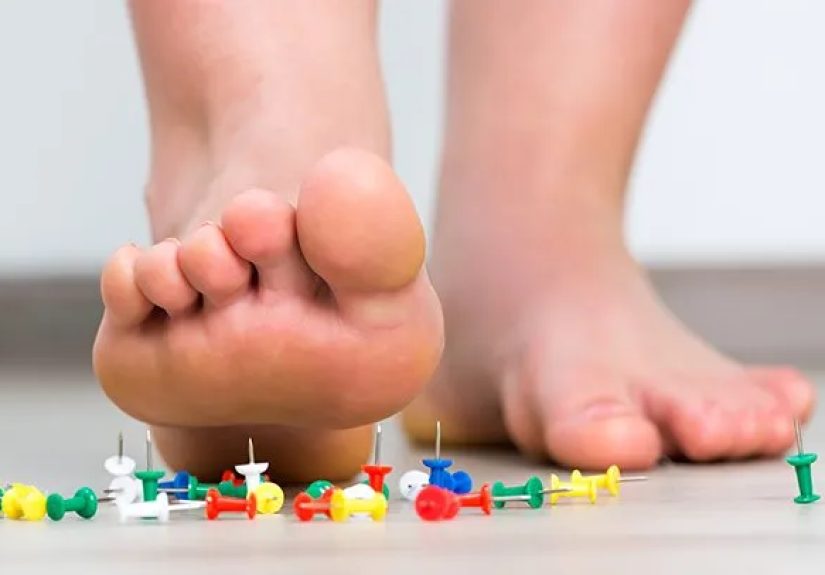
- Tingling, “pins-and-needles,” or buzzing sensations
- Burning, electric, stabbing, or “shooting” pain
- Allodynia (pain from things that shouldn’t hurt, like a bedsheet brushing the foot)
- Temperature mix-ups (can’t tell hot from cold well, or everything feels “off”)
Sensory symptoms often worsen at night because the world gets quiet and your nervous system takes the
stage. In daytime, distractions are a helpful form of “background noise.” At night, the nerves grab the
microphone.
Motor Symptoms (The “Move” Nerves)
Motor nerve involvement may show up as:
- Weakness (difficulty lifting the foot, climbing stairs, opening jars)
- Foot drop (toe catching, higher “steppage” walking)
- Muscle cramps, twitching, or fatigue
- Muscle shrinking (atrophy) over time if nerves can’t keep muscles properly activated
- Balance problems (especially in the dark or on uneven ground)
If weakness is new, rapidly worsening, or affecting breathing/swallowing, that’s not a “wait and see”
situation. It’s an “get evaluated now” situation.
Autonomic Symptoms (The “Automatic” Nerves)
Autonomic neuropathy can feel confusing because symptoms seem unrelateduntil you realize the autonomic
nervous system runs a lot of your behind-the-scenes processes. Symptoms may include:
- Dizziness or lightheadedness when standing (orthostatic symptoms)
- Sweating changes (too much, too little, or oddly patchy)
- Digestive issues (early fullness, nausea, constipation, diarrhea)
- Urinary problems (trouble starting, incomplete emptying, urgency)
- Sexual dysfunction
- Resting fast heart rate or exercise intolerance in some cases
Autonomic symptoms can have many causes besides neuropathy, but when they cluster alongside numbness,
tingling, or neuropathic pain, they’re a clue worth following.
Clues in the Pattern: What Your Symptom “Map” Can Reveal
Doctors don’t just listen for symptoms; they listen for the shape of symptoms.
Think of it like detective workexcept the culprit is sometimes vitamin deficiency, sometimes diabetes,
sometimes a pinched nerve, and sometimes (annoyingly) “we’re still figuring it out.”
Symmetric, starting in feet
This “stocking-glove” style often points toward a polyneuropathya process affecting many
nerves over time (common in diabetes, metabolic issues, some vitamin deficiencies, toxins, and more).
One nerve territory (like thumb/index finger tingling)
This can suggest a mononeuropathy from compression or entrapmentcarpal tunnel syndrome is
the famous example, but there are many others.
Sharp pain radiating from the spine
That may suggest a radiculopathy (a nerve root problem), which can mimic neuropathy but
often behaves differently on exam and testing.
Burning pain with “normal tests” early on
This can happen in small fiber neuropathy, where the tiniest nerve fibers (pain and
temperature) are affected first. Standard nerve conduction studies may be normal, and diagnosis sometimes
requires specialized testing.
When Neuropathy Symptoms Need Urgent Care
Neuropathy is usually not an emergencybut certain symptom combos raise red flags. Seek urgent evaluation
if you have:
- Sudden, severe weakness (especially one-sided or rapidly worsening)
- New trouble breathing, swallowing, or speaking
- Rapidly progressive numbness or paralysis over days
- New bowel/bladder control problems, especially with back pain or leg weakness
- Frequent fainting, severe dizziness on standing, or chest symptoms
- Fever, severe headache, confusion, or new neurologic deficits
Common Causes Doctors Consider (Because Diagnosis Isn’t Guesswork)
A huge part of diagnosing neuropathy is identifying what’s driving it. Some common categories include:
- Metabolic: diabetes, prediabetes, thyroid disease, kidney disease
- Nutritional: vitamin B12 deficiency (sometimes related to medications or absorption issues)
- Medication/toxin-related: chemotherapy, heavy metals, alcohol-related nerve injury
- Autoimmune/inflammatory: certain autoimmune diseases or immune-mediated neuropathies
- Infections: some viral/bacterial infections can affect nerves
- Compression/trauma: pinched nerves, repetitive stress injuries
- Hereditary: inherited neuropathies in select cases
- Idiopathic: sometimes, no cause is found even after a solid workup
The goal isn’t to run every test known to humanity. The goal is to run the right tests
based on your story and exam, focusing on causes that are treatable or need urgent action.
How Neuropathy Is Diagnosed: What to Expect at a Real Appointment
1) A Detailed Symptom History (Yes, This Part Matters)
Your clinician will ask questions that may feel oddly specific, like:
- When did symptoms start, and how have they changed?
- Where did symptoms beginfeet, hands, one side, both?
- Is it numbness, pain, tingling, weakness, balance issues, or a mix?
- Do symptoms worsen at night, with activity, or with certain positions?
- Any new medications, chemo history, alcohol changes, or toxin exposure?
- Any diabetes, thyroid disease, kidney issues, autoimmune history in you or family?
Pro tip: if you can describe symptoms with examples (“I can’t feel a pebble in my shoe,” “I can’t tell if
bathwater is too hot”), that’s often more useful than pain scores alone.
2) The Neurologic Exam (The Part Where They Poke Your Feet)
A neuropathy-focused exam often includes:
- Sensation tests (light touch, pinprick, vibration, temperature)
- Reflexes (ankle reflexes can fade in some neuropathies)
- Strength checks (toe/ankle movement, grip strength)
- Gait and balance (walking normally, on heels/toes, possibly with eyes closed)
- Foot exam (skin integrity, deformities, calluses, ulcers, circulation)
For people with diabetes or suspected diabetic neuropathy, clinicians often use a
monofilament (a thin nylon filament) to see if protective sensation is intact. Losing
protective sensation is a big deal because it increases the risk of unnoticed injuries and foot ulcers.
3) Basic Bloodwork: The “Big Three” and Their Friends
Many guidelines and primary care reviews emphasize starting with labs that catch common, treatable causes.
A typical initial lab workup may include:
- Blood sugar testing (fasting glucose and/or A1C; sometimes a glucose tolerance test)
- Vitamin B12 (and sometimes follow-up testing if levels are borderline)
- Thyroid testing (TSH)
- Complete blood count (CBC) and metabolic panel (kidney/liver markers, electrolytes)
- Serum protein electrophoresis (SPEP) with immunofixation in many workups (to screen for certain protein abnormalities)
Depending on your situation, your clinician may add tests for inflammation, autoimmune markers, infections,
vitamin levels, or toxin exposurebut those are usually guided by your history and exam rather than done
automatically for everyone.
4) Nerve Conduction Studies (NCS) and EMG: The “Wiring Test”
If the diagnosis is unclear, symptoms are significant, weakness is present, or the pattern suggests certain
nerve disorders, you may be referred for electrodiagnostic testing:
- Nerve conduction studies (NCS) measure how fast and how strongly electrical signals travel in a nerve.
- Electromyography (EMG) measures muscle electrical activity to help determine whether weakness is due to nerve problems, muscle problems, or nerve root issues.
These tests can help classify neuropathy (for example, whether it looks more “axonal” or “demyelinating”),
and can distinguish neuropathy from radiculopathy or focal nerve entrapment in many cases. They also help
confirm that symptoms truly match a peripheral nerve process.
Not every person with suspected neuropathy needs EMG/NCS right away. But when they’re indicated, they can
provide clarity that a regular exam can’t.
5) Small Fiber Neuropathy Testing (When Standard Tests Look Normal)
Small fiber neuropathy can cause intense burning pain, tingling, and temperature sensitivityyet NCS/EMG
may come back normal because those tests primarily evaluate larger nerve fibers.
When small fiber neuropathy is suspected, clinicians may consider:
- Skin punch biopsy to assess nerve fiber density
- Autonomic testing when autonomic symptoms are prominent (e.g., sweat testing or reflex screens)
- Quantitative sensory testing in select centers
The big takeaway: “normal nerve conduction” doesn’t always mean “no neuropathy.” It can mean “we need to
look at different fibers.”
6) Imaging and Specialized Tests (Used Selectively)
Imaging isn’t a routine starting point for most neuropathy workups, but it can be useful when symptoms
suggest structural problems, such as:
- MRI or CT if a pinched nerve, spinal stenosis, tumor, or other structural issue is suspected
- Nerve ultrasound in select cases (often for focal neuropathies)
- Nerve biopsy rarely, when specific inflammatory or infiltrative diseases are suspected
- Genetic testing when hereditary neuropathy is possible based on history/exam
In other words, specialists build the test plan like a custom playlist, not like a random shuffle.
A Practical “Get Ready for Your Appointment” Checklist
If you think neuropathy is on the table, bring:
- A list of symptoms (where they started, how they spread, what makes them worse/better)
- Medication and supplement list (including recent changes)
- Medical history highlights (diabetes, thyroid, kidney disease, autoimmune issues, chemo, surgeries)
- Family history of nerve disease, high arches/foot deformities, or unexplained weakness
- Specific examples of function changes (falls, dropping items, not feeling injuries, sleep disruption)
And yes, it’s absolutely acceptable to say: “I’m worried I’m missing injuries because I can’t feel my feet.”
That one sentence can change the urgency and focus of the visit.
Safety While You’re Figuring It Out
While you’re getting evaluated, it helps to reduce risk from numbness and balance issues:
- Check your feet daily if you have reduced sensation (especially if you have diabetes)
- Wear supportive shoes; avoid going barefoot on hot pavement or unknown surfaces
- Use night lights and reduce tripping hazards if balance is off
- Tell your clinician if you have new falls, wounds, or rapidly changing symptoms
Neuropathy pain can be exhausting. But numbness can be sneaky-dangerous. Both deserve attention.
Real-World Experiences: What Neuropathy Can Feel Like (500+ Words)
The medical descriptions of neuropathy are accurate, but they can feel oddly sterilelike describing a thunderstorm
as “atmospheric electrical discharge.” So here are common experiences people report (shared here as composite,
anonymized examples), to help you recognize patterns and feel less alone in the “Is this normal?” spiral.
Experience #1: The “I Didn’t Notice the Injury” Wake-Up Call.
A lot of people first realize something is wrong when they discover a blister, cut, or sore they can’t explain.
They’ll say, “I must’ve stepped on something,” but they can’t remember whenbecause their foot sensation has faded.
Sometimes it’s a tiny pebble in a shoe that rubs all day without being felt. Sometimes it’s hot bathwater that
doesn’t register as too hot until the skin is irritated. This experience often comes with a gut-punch of worry:
“If I can’t feel injuries, what else am I missing?” Clinicians take this seriously because reduced protective sensation
can raise the risk of ulcers and infection. It’s also one of the moments people become very motivated about foot checks,
better shoes, and finally scheduling that overdue appointment.
Experience #2: The “My Feet Are on Fire at Night” Pattern.
Burning pain is one of the most vivid neuropathy complaints. People describe it as hot sand, a sunburn under the skin,
or “electric chili powder.” It often flares in the evening when you’re trying to relaxbecause your nervous system
isn’t distracted anymore. Some people notice that cool sheets feel weirdly painful, while others crave a fan or cold
pack. Sleep gets choppy, which then makes pain tolerance worse the next day (a rude feedback loop). Many folks go through
a phase of self-doubt: “Is this in my head?” It’s not. Neuropathic pain can be very real even when the outside of the skin
looks normal. If nerve conduction testing is normal, people sometimes feel dismisseduntil a clinician explains small fiber
neuropathy and why different testing may be needed.
Experience #3: The “I’m Clumsy Now, and It’s Embarrassing” Shift.
Another common experience is subtle balance change. People say they’re fine in daylight but feel unsteady in the dark,
on stairs, or on uneven ground. They might start grabbing railings more, avoiding slick floors, or stopping certain workouts
because “my ankles don’t feel reliable.” Some notice they can’t feel the ground well, like walking on foam. Others notice
their toes don’t lift the way they used to and they catch the carpet (sometimes a clue for foot drop or motor involvement).
This can be emotionally heavy. People often mourn a loss of confidence: “I used to be the stable one.” The helpful reframe is
that this is not a character flawit’s a nervous system signal, and it deserves medical attention and practical safety steps
(lighting, supportive shoes, physical therapy when appropriate).
Experience #4: The “The Workup Is a Journey” Reality.
Diagnosis can take time. Some people expect one test to provide a big, satisfying answer. Instead, they get a staged process:
history, exam, bloodwork, maybe EMG/NCS, maybe targeted testing. It can feel frustrating, especially when symptoms affect sleep
or daily function. But there’s logic behind it: clinicians prioritize the most common and treatable causes first (like blood sugar
issues or B12 deficiency) and then narrow further based on the pattern. Many people feel relief just having a name for what’s
happening. Even before a perfect “root cause” is found, a good evaluation can still lead to symptom relief strategies, safer habits,
and a plan to monitor changes over time.
If any of these experiences sound familiar, the most useful next step is not panic-Googling at 2 a.m. It’s writing down your
symptom pattern and taking it to a clinician who can evaluate nerves thoughtfully and systematically.
Conclusion
Neuropathy can show up as numbness, tingling, burning pain, weakness, balance problems, and sometimes autonomic symptoms like
dizziness on standing or digestive changes. The diagnosis is built from your symptom pattern, a focused neurologic exam, and
targeted testsoften starting with common, treatable causes like blood sugar issues, vitamin B12 deficiency, and thyroid disease.
When needed, nerve conduction studies and EMG help confirm and classify neuropathy, and specialized tests can evaluate small fiber
or autonomic involvement.
If you suspect neuropathy, don’t settle for “we’ll see.” You deserve a real evaluationbecause nerves don’t complain for fun.






 Close
Close