
Table of Contents >> Show >> Hide
- What Are Osteoporosis Fractures and Why Do They Matter?
- Causes of Osteoporosis Fractures
- Common Osteoporosis Fractures and Symptoms
- How Osteoporosis Fractures Are Diagnosed and Evaluated
- Treatments for Osteoporosis Fractures
- Prevention: How to Lower the Risk of Osteoporosis Fractures
- Extended Section: Real-World Experiences With Osteoporosis Fractures (500+ Words)
- Conclusion
Osteoporosis fractures have a sneaky way of showing up uninvited. One day you’re carrying groceries, stepping off a curb, or reaching for a top-shelf snack, and suddenly your body says, “Actually, no.” That’s because osteoporosis is often a quiet condition until a fracture happens. It weakens bone strength over time, so the first “symptom” may be a broken wrist, a vertebral compression fracture, or a hip fracture.
The good news: osteoporosis fractures are not just “bad luck” or an unavoidable part of aging. They’re often preventable, and even after a fracture, treatment can lower the risk of future breaks. In this guide, we’ll break down what causes osteoporosis fractures, how they’re treated, and the smartest ways to protect your bones for the long haulwithout turning your life into a full-time calcium spreadsheet.
What Are Osteoporosis Fractures and Why Do They Matter?
Osteoporosis reduces bone density and bone quality, making bones more fragile. These are often called fragility fractures, meaning they happen from a low-impact eventlike a fall from standing height, or sometimes even without a clear fall at all.
The most common osteoporosis fracture sites are the hip, spine (vertebrae), and wrist. These fractures matter because they can affect mobility, independence, posture, pain levels, and overall quality of life. Hip fractures, in particular, can be life-changing and may require hospitalization, surgery, rehab, and long recovery periods.
Another major point: one fragility fracture often raises the risk of another. In other words, the first fracture is a warning sign, not the end of the story. If you treat it like a one-time accident and move on, osteoporosis may still be waiting in the wings.
Causes of Osteoporosis Fractures
Osteoporosis fractures are caused by a combination of weakened bone strength and fracture triggers (like falls, poor balance, or sudden force on fragile bone). Think of it like a cracked sidewalk: the damage builds slowly, but the break happens all at once.
1) Bone Loss and Reduced Bone Strength
Bones are constantly being remodeledold bone is removed, and new bone is formed. As people age, that balance can shift toward more bone loss than bone building. Over time, bones become thinner and more brittle.
In women, the drop in estrogen after menopause is a major driver of accelerated bone loss. In men, bone loss usually happens more gradually, but risk still rises with age, especially later in life. Hormonal changes, low body weight, poor nutrition, and certain medical conditions can all speed up the process.
2) Falls and Trauma
Many osteoporosis fractures happen after fallsespecially hip fractures. And falls are common in older adults. Factors like lower-body weakness, balance problems, vision changes, certain medications, and home hazards (hello, loose rug) all increase fall risk.
Here’s the frustrating part: a fall that might cause a bruise in someone with strong bones can cause a serious fracture in someone with osteoporosis. That’s why fracture prevention isn’t only about building boneit’s also about preventing falls.
3) Risk Factors You Can’t Change
- Older age
- Female sex (especially postmenopausal)
- Family history of osteoporosis or hip fracture
- Small body frame
- Certain racial/ethnic risk patterns (risk varies across populations)
These risk factors don’t mean a fracture is guaranteed. They just mean you should be more proactive about screening and prevention.
4) Risk Factors You Can Change (or Manage)
- Low calcium, vitamin D, or protein intake
- Smoking
- Heavy alcohol use
- Low physical activity or long periods of inactivity
- Poor balance and muscle weakness
- Certain medications (for example, some long-term steroid use)
- Medical conditions that affect hormones, absorption, or bone metabolism
This list is actually empowering. Why? Because many of these factors can be improved, even in small steps. Bone health isn’t an all-or-nothing project.
Common Osteoporosis Fractures and Symptoms
Hip Fractures
Hip fractures are among the most serious osteoporosis-related injuries. They often happen after a fall and usually require urgent medical treatment. Recovery may involve surgery, rehab, assistive devices, and home modifications. For many people, a hip fracture is the moment bone health becomes very real.
Spinal Compression Fractures
Vertebral (spinal) fractures can be dramaticor almost invisible. Some cause sudden back pain. Others happen gradually and are discovered later on imaging. Signs can include:
- Back pain (especially new or worsening pain)
- Loss of height over time
- A more stooped or hunched posture
These fractures may occur even without a major fall. In osteoporosis, the vertebrae can weaken enough to compress under normal daily stress.
Wrist and Other Fragility Fractures
Wrist fractures are also common, often from trying to catch yourself during a fall. Fragility fractures can happen in other places too, including the upper arm or pelvis. The key question after any low-trauma fracture is: Was this a bone-strength problem? If the answer may be yes, osteoporosis evaluation should follow.
How Osteoporosis Fractures Are Diagnosed and Evaluated
DXA Bone Density Testing
The standard screening test for osteoporosis is a DXA (DEXA) scan, a low-dose X-ray test that measures bone mineral densityusually at the hip and spine. It’s quick, painless, and extremely useful for identifying osteoporosis before the next fracture happens.
Screening is especially important for women 65 and older, and for younger postmenopausal women with risk factors. Men may also need screening based on age and risk profile, even though screening recommendations for men are less uniform across organizations.
FRAX and Fracture Risk Assessment
Doctors often use the FRAX tool (Fracture Risk Assessment Tool) along with DXA results to estimate fracture risk over the next 10 years. This helps guide treatment decisions, especially for people with osteopenia (low bone mass that isn’t yet osteoporosis by DXA criteria).
Translation: two people can have similar bone density, but very different fracture risk depending on age, prior fractures, smoking history, steroid use, and other factors.
Why One Fracture Should Trigger a Full Bone Check
A fragility fracture in an adult over 50 should be treated as a major warning sign. It’s not just about fixing the broken boneit’s about asking why the bone broke so easily. A thorough evaluation may include bone density testing, review of fall risk, and labs to look for secondary causes (like vitamin D deficiency or other medical conditions).
Treatments for Osteoporosis Fractures
Treatment usually happens on two tracks at the same time:
- Treat the fracture itself (pain, healing, mobility, sometimes surgery)
- Treat the osteoporosis to prevent the next fracture
That second track is where a lot of people get stuck. They recover from the fracture, feel better, and never start bone treatment. Unfortunately, that leaves the underlying risk in place.
1) Treating the Fracture
Fracture treatment depends on the location and severity. Hip fractures often require surgery and rehabilitation. Wrist fractures may be treated with casting or surgery. Vertebral compression fractures may be managed with pain control, short-term bracing, guided activity, and physical therapy.
With vertebral fractures, prolonged bed rest is usually avoided because too much inactivity can worsen bone and muscle loss. The goal is safe movement as soon as possible, while controlling pain.
2) Medications That Treat Osteoporosis and Reduce Future Fractures
Several medication classes are used for osteoporosis. The best choice depends on fracture history, DXA results, FRAX risk, age, kidney function, other health conditions, and personal preferences.
Bisphosphonates
These are commonly used first-line medications and include options like alendronate, risedronate, ibandronate, and zoledronic acid. They help slow bone breakdown and reduce fracture risk.
Some are taken by mouth (daily, weekly, or monthly depending on the drug), while others are given by IV less frequently. They are effective for many patients, but they require proper use and monitoring.
Denosumab
Denosumab is an injection given every six months. It can improve bone density and reduce fracture risk and may be a good option for some patients. One important detail: stopping denosumab without a follow-up treatment plan can increase the risk of spine fractures, so transitions must be planned carefully with a clinician.
Bone-Building (Anabolic) Medications
For people at very high fracture risk or with multiple fractures, doctors may use bone-building medications such as:
- Teriparatide
- Abaloparatide
- Romosozumab
These medications stimulate new bone formation and are often followed by another osteoporosis medicine to help maintain the gains.
Hormone-Related and Other Options
Depending on the patient, treatment may also include:
- Raloxifene (a selective estrogen receptor modulator)
- Estrogen therapy in select postmenopausal patients
- Other medications in specific situations
Every option has benefits and tradeoffs, so treatment should be individualized. This is not a “pick the first bottle on the shelf” situation.
3) Lifestyle Treatment (Yes, It Counts)
Medication matters, but lifestyle treatment is still a core part of fracture prevention:
- Weight-bearing exercise
- Strength training
- Balance training
- Adequate calcium, vitamin D, and protein intake
- Smoking cessation
- Limiting alcohol
- Fall prevention at home and outdoors
Think of medication as the structural repair crew and lifestyle changes as the long-term maintenance team. You want both on the job.
Prevention: How to Lower the Risk of Osteoporosis Fractures
1) Build a Bone-Smart Plate
Bone health starts with nutrition, and two nutrients get most of the headlines: calcium and vitamin D. The headlines are deserved, but bone health also needs enough protein and an overall balanced diet.
Common U.S. guidance for calcium intake includes:
- Adults 19–50: 1,000 mg/day
- Women 51–70: 1,200 mg/day
- Men 51–70: 1,000 mg/day
- Adults 71 and older: 1,200 mg/day
For vitamin D, general recommended amounts are:
- Adults 19–70: 600 IU (15 mcg)/day
- Adults 71 and older: 800 IU (20 mcg)/day
Food-first is usually a smart approach (dairy, fortified foods, leafy greens, fish, etc.), with supplements used when diet alone isn’t enough or when a doctor recommends them.
2) Exercise for Bone and Balance
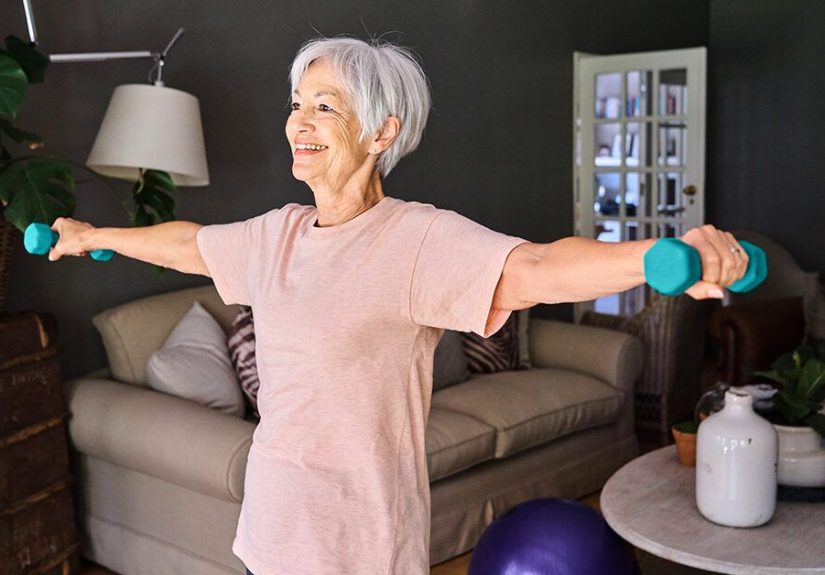
The most effective exercise plan for osteoporosis fracture prevention usually includes:
- Weight-bearing exercise: walking, hiking, dancing, stair climbing
- Strength training: helps support bones and improves stability
- Balance work: reduces fall risk (this is the underrated hero)
If you already have osteoporosis or a prior spine fracture, talk with a clinician or physical therapist before starting a new routine. Some movementsespecially forceful forward bending or twistingmay need to be modified.
3) Fall-Proof Your Environment
A strong bone plan without a fall prevention plan is like buying a helmet and then riding a bike with no brakes.
Smart fall-prevention moves include:
- Reviewing medications that may cause dizziness or sedation
- Checking vision and footwear
- Improving lighting (especially night lights)
- Adding bathroom grab bars
- Removing loose rugs and clutter
- Using a cane or walker if balance is shaky
- Standing up slowly to avoid lightheadedness
These steps may sound simple, but simple is good. Simple prevents fractures.
4) Screen Early, Treat Early, Follow Up
Screening and follow-up are the backbone of prevention. If you’re in a higher-risk group (age, menopause status, family history, prior fracture, long-term steroid use, etc.), don’t wait for “proof” in the form of a broken bone.
Early treatment can slow or stop bone loss and help prevent fractures. And if you’ve already had a fragility fracture, secondary fracture prevention is urgentbecause the risk of another fracture can rise quickly.
Extended Section: Real-World Experiences With Osteoporosis Fractures (500+ Words)
One of the most important things to understand about osteoporosis fractures is how normal life can look right before one happens. Many people don’t feel “sick.” They’re active, independent, and doing everyday things. Then a small incident changes everything: a missed step on the porch, a slippery bathroom floor, a twist while lifting a laundry basket, or a simple reach-and-turn motion that triggers sudden back pain.
A common experience is the “mystery back pain” story. Someone notices persistent mid- or low-back pain, assumes it’s muscle strain, and tries rest, heat, and over-the-counter pain relievers. Weeks later, they’re shorter, more stooped, or still hurting. Imaging finally shows a vertebral compression fracture. That moment can be frustrating because the fracture felt invisible at first. But it’s also a turning point: once identified, it often leads to a bone density test, lab work, and a treatment plan that should have happened earlier.
Hip fractures often unfold differently. They tend to be dramatic and immediate. Many patients describe a fast transition from independence to a hospital room, surgery, and rehab. What stands out in recovery stories is not just painit’s the sudden need to relearn routines: getting out of bed safely, using a walker, navigating stairs, showering with confidence, and rebuilding strength. Family members frequently become part of the recovery team, helping with medications, meals, appointments, and fall-proofing the home.
There’s also a strong emotional side that doesn’t get enough attention. After a fracture, many people become afraid of falling again. That fear can lead them to move less, go outside less, and avoid activities they once enjoyed. Unfortunately, less movement can mean weaker muscles and worse balance, which increases fall risk. It’s a frustrating cycle. The best recovery experiences usually include not just medical treatment, but encouragement, physical therapy, and a gradual return to movement.
Another common experience is “I fixed the fracture, so I thought I was done.” This is incredibly commonand understandable. If your wrist heals or your hip surgery goes well, it’s tempting to move on. But fracture specialists and bone health experts repeatedly emphasize that a fragility fracture should trigger osteoporosis treatment planning. People who do well long term are often the ones who treat the fracture as a signal, not just an isolated event. They follow up on DXA results, discuss medication options, improve nutrition, and make practical home changes.
Caregiver experiences matter too. Spouses, adult children, and other family members often say the hardest part is realizing how many small things affect fall risk: dim hallways, slippery socks, poor shoe support, low chairs that are hard to stand from, or a medication that causes dizziness. Caregivers also see how much confidence changes after a fracture. The most helpful support is usually a combination of safety changes and emotional supportencouraging safe activity rather than wrapping someone in bubble wrap and banning all movement forever.
Patients who have the best outcomes often share a similar pattern: they build a sustainable routine. Not a perfect routine, just a realistic one. Maybe it’s a daily walk, a strength class twice a week, a protein-rich breakfast, calcium-rich foods, vitamin D as prescribed, and a bathroom grab bar that no one thought looked stylish (until it prevented a fall). They keep follow-up appointments, repeat bone density testing when recommended, and talk with their clinicians before stopping medication.
The biggest lesson from real-world experiences is this: osteoporosis fractures can feel sudden, but prevention and recovery are built through steady habits. Bone health is less about one dramatic change and more about the quiet winssmall decisions that add up to stronger bones, fewer falls, and a lot more freedom.
Conclusion
Osteoporosis fractures are serious, but they are not inevitable. The key is recognizing that bone health and fracture risk are closely linked to everyday choices, regular screening, and timely treatment. If you or someone you care about has had a low-trauma fracture, treat it as a signal to evaluate bone health nownot later.
The strongest fracture prevention plan combines medical care, bone-strengthening treatment when needed, smart nutrition, movement, and fall prevention. It’s not glamorous. It won’t go viral. But it worksand your future self (and your future hips) will be grateful.





 Close
Close