
Table of Contents >> Show >> Hide
- Why Choose a Sliding Barn Door?
- Before You Begin: Check the Space Like a Pro
- Tools and Materials You Will Need
- Choosing the Right Barn Door for Farmhouse Style
- Step-by-Step Barn Door Installation
- Step 1: Prepare the Door
- Step 2: Mark the Track Height
- Step 3: Install the Header Board
- Step 4: Attach the Track
- Step 5: Install the Hangers on the Door
- Step 6: Add Anti-Jump Blocks
- Step 7: Hang the Door
- Step 8: Install Door Stops
- Step 9: Install the Floor Guide
- Step 10: Add Handles, Pulls, and Optional Latches
- Common Barn Door Installation Mistakes to Avoid
- Farmhouse Style Ideas That Look Fresh, Not Forced
- Maintenance Tips for a Smooth Sliding Door
- When to Call a Professional
- Real-World Experience: What Barn Door Installation Teaches You
- Conclusion
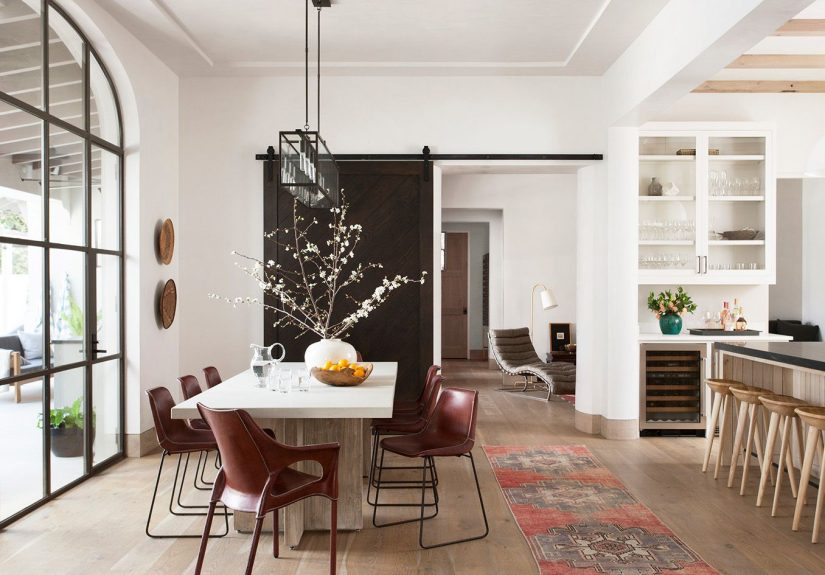
A sliding barn door is one of those home upgrades that looks like it wandered in from a charming farmhouse, took off its muddy boots, and somehow made your hallway feel twice as stylish. But behind that cozy, rustic look is a practical idea: barn doors save swing space, add architectural interest, and can turn a plain opening into a feature worth showing off.
Still, barn door installation is not a “hold it up and hope” project. The door may look relaxed, but the hardware needs to be precise. A sliding barn door must be properly measured, securely anchored, level from end to end, and guided so it does not sway like a saloon door in an old Western. Whether you are updating a pantry, laundry room, closet, office, mudroom, or bedroom entry, this guide walks you through the essentials of installing a barn door with farmhouse style and everyday function in mind.
Why Choose a Sliding Barn Door?
The biggest reason homeowners love barn doors is space. A traditional hinged door needs room to swing open, which can be awkward in tight hallways, small bathrooms, compact closets, and laundry nooks. A barn door slides along the wall instead, keeping the floor plan more open and flexible.
Style is the other obvious reason. Barn doors bring texture, warmth, and personality. A painted white door can feel fresh and cottage-like. A stained wood door adds rustic character. A glass-panel barn door can make a home office feel polished while still borrowing from the farmhouse look. Matte black hardware, oil-rubbed bronze, brushed nickel, or raw steel can shift the design from modern farmhouse to industrial, coastal, traditional, or even minimalist.
But here is the practical truth: barn doors are best when used in the right place. They do not seal as tightly as regular doors, so they are not ideal when sound control, odor control, or complete privacy is the top priority. That means they are excellent for pantries, closets, laundry rooms, dens, offices, and decorative room dividers. For bathrooms and bedrooms, they can work, but you should plan for overlap, soft-close hardware, privacy latches, and possibly seals to reduce gaps.
Before You Begin: Check the Space Like a Pro
A successful barn door installation starts before you buy the door. The most common mistakes happen because someone falls in love with a door first and measures later. That is like buying jeans without checking the size tagoptimistic, but risky.
Measure the Door Opening
Measure the width and height of the opening, including trim if the door needs to cover it. For most interior barn door installations, the door should be wider than the opening so it overlaps on both sides when closed. A common approach is to add at least 2 inches to the total width, though larger overlap can improve privacy and block more light.
For height, measure from the floor to the top of the opening or trim. Then check the door and hardware manufacturer’s instructions for the required track height. Many systems require the track to sit above the door with enough clearance for rollers, standoffs, and floor clearance.
Confirm Wall Space Beside the Opening
A barn door needs somewhere to slide. The wall next to the opening should be at least as wide as the door, and ideally a little wider. Look for obstacles such as light switches, outlets, thermostats, wall sconces, return vents, artwork, baseboard heaters, or furniture. If the door runs into your thermostat every morning, the farmhouse dream becomes a daily negotiation.
Check for Studs and Structural Support
Barn doors are heavy, and the track must be fastened into solid framing. Drywall alone is not enough. Use a stud finder to locate wall studs above the opening. If the track holes do not align perfectly with studs, install a sturdy header board or mounting board first, fastening it securely into studs. The track then attaches to the header board.
This backer board is not just decorative trim. It spreads the weight of the door and gives the track a reliable surface. Many barn door kits rely on lag bolts, spacers, and standoffs, so follow the exact instructions for your hardware. If your door is oversized, unusually heavy, or installed on a questionable wall, bring in a carpenter or contractor.
Tools and Materials You Will Need
Every kit is a little different, but most barn door installation projects require the same basic tools and supplies:
- Sliding barn door slab or prebuilt barn door
- Barn door hardware kit with track, hangers, rollers, spacers, stops, and anti-jump blocks
- Header board or mounting board, if needed
- Stud finder
- Tape measure
- Level
- Pencil
- Drill and drill bits
- Socket wrench or wrench set
- Lag bolts or manufacturer-approved fasteners
- Wood screws for the header board
- Floor guide or wall-mounted guide
- Door pull or handle
- Safety glasses
- A helper, preferably one who will not say “that looks level enough”
Choosing the Right Barn Door for Farmhouse Style
Farmhouse style is flexible. It can be rustic and weathered, clean and modern, or somewhere in between. The door you choose should match both your home’s look and the job the door needs to do.
Solid Wood Doors
Solid wood barn doors are classic. They offer warmth, durability, and a substantial look. Pine, alder, oak, and reclaimed wood are common choices. A stained wood door can create a cozy, vintage feel, while painted wood works well in bright farmhouse interiors.
MDF and Engineered Wood Doors
Engineered options are often more budget-friendly and can be less prone to warping than some natural wood doors. They are a good choice if you want a painted finish, such as white, black, sage green, navy, or warm greige.
Glass Barn Doors
Glass panels are useful for offices, dining rooms, and spaces where you want light to pass through. Frosted glass adds privacy without making the room feel closed off. Clear glass is beautiful but not ideal for hiding laundry piles, unless your laundry piles are part of your design concept.
Hardware Finish
Matte black hardware is the modern farmhouse favorite because it creates contrast and works with many door colors. Brushed nickel feels softer and more transitional. Oil-rubbed bronze leans traditional. Raw steel or stainless finishes can create an industrial look.
Step-by-Step Barn Door Installation
Always read the instructions that come with your specific kit before starting. Hardware dimensions, fastener sizes, and clearance requirements vary by brand. The steps below give you a practical overview of the process.
Step 1: Prepare the Door
If your barn door is unfinished, sand it smoothly and apply paint, stain, or sealer before installation. Finishing the door first is easier than trying to paint around rollers and hardware later. Seal all sides, including the top and bottom edges, to help reduce moisture movement and warping.
If the door requires assembly, build it on a flat surface and check that it is square. Attach any decorative trim or crossbuck boards before hanging. Let finishes dry completely before installing hardware.
Step 2: Mark the Track Height
Measure the door height and add the clearance required by the hardware kit. Most installations leave a small gap between the bottom of the door and the floor so the door can slide freely without scraping. Use a level to draw a straight horizontal line where the track or mounting board will sit.
This line matters. If the track is even slightly out of level, the door may drift open or closed by itself. A barn door that slowly creeps across the wall may be entertaining for five minutes, but it is not a feature you want long term.
Step 3: Install the Header Board
If your track cannot attach directly into studs at every required point, install a header board. Position the board above the opening, level it carefully, and fasten it into the wall studs with strong screws. The board should be long enough to support the full track and wide enough to accommodate the hardware.
Paint or stain the header board before installation if you want it to blend with the wall or match the door. Many homeowners paint the board the wall color for a cleaner look, while others stain it to make it part of the farmhouse design.
Step 4: Attach the Track
Hold the track against the header board or wall, align it with your marks, and confirm that it is level. Mark the mounting holes, then drill pilot holes according to the hardware instructions. Attach the track using the provided lag bolts, spacers, and washers.
Do not fully tighten one end before the rest of the bolts are started. Instead, loosely install the fasteners first, check the level again, and then tighten everything securely. This gives you a little room to correct alignment before the track is locked in place.
Step 5: Install the Hangers on the Door
Lay the door flat and position the roller hangers according to the manufacturer’s template or measurements. Mark the holes, drill carefully, and attach the hangers with the included bolts. Use the correct drill bit size so the bolts fit snugly without splitting the door.
Make sure both hangers are mounted at the same height. If one roller sits higher than the other, the door may hang crooked. Crooked can be charming in a hand-thrown coffee mug. It is less charming in a sliding door.
Step 6: Add Anti-Jump Blocks
Anti-jump blocks or discs help prevent the door from lifting off the track. They are small parts, but they do big safety work. Install them as directed after the door is hung or before hanging, depending on the kit. Do not skip them.
Step 7: Hang the Door
This is a two-person step. Lift the door carefully and set the rollers onto the track. Once the door is hanging, slide it slowly from side to side to check the motion. It should glide smoothly without scraping the wall, trim, or floor.
If the door rubs, check the spacers, track alignment, and floor clearance. If it rolls too freely in one direction, recheck the level. Small adjustments now prevent long-term annoyance later.
Step 8: Install Door Stops
Door stops keep the door from rolling off the end of the track. Position the stops so the door fully covers the opening when closed and opens far enough for comfortable access. Tighten them securely.
Test both open and closed positions before final tightening. You want the door to stop exactly where it should, not where it feels dramatic.
Step 9: Install the Floor Guide
A floor guide keeps the bottom of the door from swinging in and out. Some guides fit into a groove on the bottom of the door, while others use small rollers or brackets that hold the door from the sides. Choose the type that works with your door design and flooring.
Position the guide so the door remains plumb in both open and closed positions. Mark the screw holes, drill pilot holes if needed, and fasten the guide securely. If you have tile, concrete, or radiant floor heating, proceed carefully and use the right anchors or consult a professional.
Step 10: Add Handles, Pulls, and Optional Latches
Install the handle at a comfortable height, usually around standard doorknob height. For rooms that need more privacy, consider a barn door latch designed for sliding doors. Remember that most barn door latches are not the same as traditional door locks, so choose hardware based on the room’s purpose.
Common Barn Door Installation Mistakes to Avoid
Skipping the Studs
This is the big one. A barn door track must be anchored into studs or a properly secured mounting board. If the track is only attached to drywall, the door can pull loose, damage the wall, or become unsafe.
Choosing a Door That Is Too Narrow
The door should overlap the opening. If it is exactly the same width as the opening, gaps will show along the sides. Wider overlap improves the finished look and helps with privacy.
Forgetting Baseboards and Trim
Thick trim, casing, baseboards, and plinth blocks can interfere with the door. Spacers usually create wall clearance, but you should check before installation. In some cases, you may need a thicker header board or adjusted hardware.
Ignoring the Floor Guide
Without a guide, the bottom of the door can swing, bang, or drift away from the wall. The guide helps the door move smoothly and safely.
Using a Barn Door Where Privacy Really Matters
Barn doors are beautiful, but they are not airtight or soundproof. For bathrooms, nurseries, and bedrooms, think carefully. Add overlap, soft-close hardware, seals, and privacy latches if you want better performance.
Farmhouse Style Ideas That Look Fresh, Not Forced
The best farmhouse interiors feel warm, practical, and collectednot like every item arrived in the same shopping cart. A barn door should support the room, not shout over it.
Paint It White for a Clean Cottage Look
A white barn door blends beautifully with shiplap, beadboard, warm wood floors, and neutral walls. It keeps the texture of the door while making the room feel bright and calm.
Go Dark for Contrast
A black, charcoal, or deep green barn door can act like a statement wall in motion. Pair it with simple trim and matte black hardware for a modern farmhouse look.
Use Natural Wood for Warmth
Natural wood adds instant character. Lighter stains feel casual and airy, while darker stains feel more traditional. Reclaimed wood can be gorgeous, but make sure it is stable, sealed, and not too warped for smooth sliding.
Try a Double Barn Door
Double barn doors work well for wide openings, dining rooms, offices, and large closets. They create symmetry and drama without requiring hinged-door swing space. Just make sure there is enough wall room on both sides of the opening.
Maintenance Tips for a Smooth Sliding Door
A barn door does not need much maintenance, but a little attention keeps it gliding well. Dust the track regularly so debris does not build up around the rollers. Check bolts and screws occasionally, especially during the first few months after installation. If the door begins to wobble, inspect the floor guide and anti-jump blocks.
Wood doors may expand and contract slightly with seasonal humidity changes. If the door starts rubbing, check whether the floor clearance has changed or the hardware needs adjustment. Avoid hanging heavy items on the door unless it was designed for that extra weight.
When to Call a Professional
Many confident DIYers can install a barn door in a weekend, but some situations call for help. Hire a professional if the wall lacks proper framing, the door is extremely heavy, the opening is unusually wide, the wall may contain plumbing or electrical lines, or you are installing into masonry, tile, or concrete. A pro can also help if you want a custom door, recessed track, pocket-style effect, or complex double-door setup.
Real-World Experience: What Barn Door Installation Teaches You
Installing a barn door teaches one lesson very quickly: measuring is not a boring pre-project ritual; it is the project’s entire personality. The difference between a door that glides like butter and one that bumps, scrapes, and sulks often comes down to a quarter inch. When people say, “Measure twice, cut once,” barn doors quietly add, “Then check the level, mark the studs, and maybe measure a third time because walls enjoy surprises.”
One of the most useful experiences is discovering how much wall conditions matter. In photos, barn doors appear to float effortlessly. In real life, they depend on framing, fasteners, clearances, and a track that must stay perfectly straight. Older homes can make this interesting. Walls may not be perfectly flat, floors may slope slightly, and trim may be thicker than expected. A header board often becomes the hero of the installation because it gives the hardware a strong, even foundation while hiding some wall imperfections.
Another practical lesson is that hardware quality shows. Budget hardware can work, but rollers, stops, spacers, and guides take daily use. A pantry door may slide open dozens of times a week. A laundry room door may be pushed with a hip while someone carries towels. A home office door may become part of a morning routine. Smooth rollers, strong stops, and a reliable floor guide make the difference between a door that feels custom and one that feels like a weekend experiment with ambition.
There is also a style lesson: simple usually wins. A barn door already has a strong visual presence. If the door has bold cross braces, heavy texture, and dramatic hardware, the surrounding decor can stay calm. If the room is already filled with rustic wood, a cleaner painted door may look more balanced. Practical farmhouse style is not about stuffing every corner with rustic details. It is about warmth, usefulness, and materials that feel honest.
Privacy is another experience homeowners remember. A barn door can make a laundry room look fantastic, but on a bathroom it may reveal its limitations. The side gaps, bottom gap, and lack of a traditional jamb mean it will not perform like a standard hinged door. That does not make it a bad choice; it just means expectations matter. For private spaces, choose a wider door, use privacy hardware, and consider seals or trim details that reduce sightlines.
Finally, barn door installation reminds you that DIY projects are more enjoyable with patience and another set of hands. Lifting the door onto the track is easier, safer, and far less dramatic with a helper. The finished result, though, is worth the careful work. A well-installed barn door does more than cover an opening. It gives the room character, saves usable space, and adds that satisfying “I made this better” feeling every time it slides shut.
Conclusion
A barn door can be both practical and beautiful when it is installed with care. The key is to choose the right location, measure accurately, anchor the track into solid support, use a guide to control the door, and match the design to your home’s style. For farmhouse interiors, barn doors bring warmth and charm, but the best installations are not just about looks. They work smoothly, feel sturdy, and make everyday spaces easier to use.
Whether you are updating a pantry, closing off a laundry room, giving a closet more character, or creating a flexible home office, a sliding barn door is a rewarding project when done correctly. Take your time, follow the hardware instructions, and respect the level. The level is not being picky; it is protecting your future peace.
Note: This article is written as original publishing content and synthesizes widely accepted barn door installation practices from reputable U.S. home improvement, hardware, manufacturer, and design guidance. Always follow the instructions included with your specific door and hardware kit.





 Close
Close