
Table of Contents >> Show >> Hide
- The Story Behind the Living Rainbow
- Why Rainbows Mean So Much More Than “Pretty Colors”
- Body Painting as Performance Art and Protest
- How Colorful Community Art Boosts Wellbeing
- From Sweden to Portugal to the Netherlands: One Rainbow, Many Contexts
- Love, Peace, Happiness… and Logistics
- How to Bring a Rainbow Project to Your Own Community
- Experiences from Inside the Rainbow
- Conclusion: When People Become the Rainbow
Imagine walking down a normal city street on a gray Tuesday and suddenly realizing the people around you
are turning into a living rainbow arms, faces, bellies, even bald heads glowing in neon swirls and soft
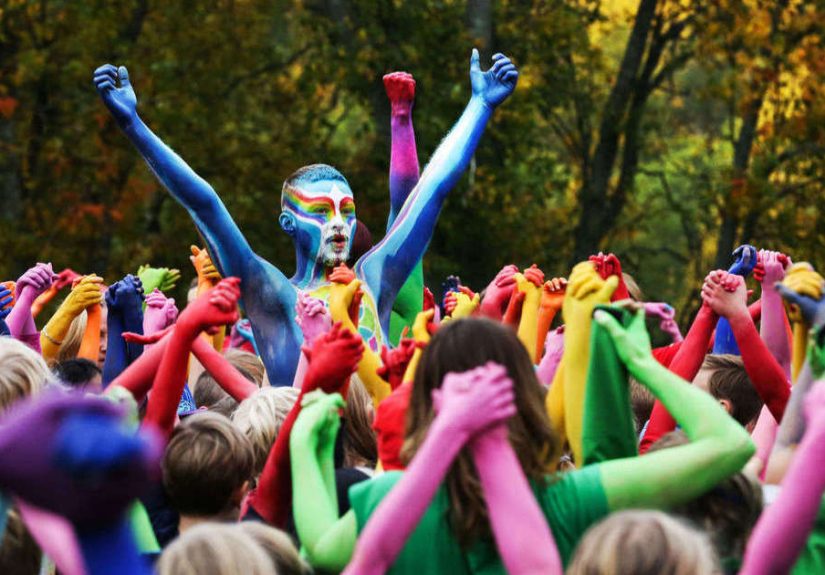
pastels. That’s exactly the kind of joyful chaos artist Vilija Vitkutė created with her ambitious rainbow
bodypaint project, where more than 750 people were transformed into moving, breathing works of art to
spread love, peace, happiness, and of course lots of color.
This wasn’t just about cool photos (though the photos are extremely cool). It was a traveling celebration of
equal rights, Pride, and human connection that moved through cities in Sweden, Portugal, and the
Netherlands. With circus performers stacking themselves in human totems, schoolchildren forming a rainbow
mandala, and bodypainted dancers performing in festivals and pride parades, the project turned public
spaces into giant open-air galleries and street parties.
In this article, we’ll dive into how this rainbow project came to life, why color and body painting are such
powerful tools for activism, and how community art like this can genuinely boost mental health and social
connection. We’ll also explore how you can bring a bit of that rainbow magic to your own neighborhood no
acrobatics required.
The Story Behind the Living Rainbow
At the heart of the project is Lithuanian-Swedish artist and bodypainter Vilija Vitkutė, who had a simple but
bold idea: use the human body as a canvas to paint a rainbow that could travel across borders and bring
people together. She collaborated with fellow bodypainting artists, circus performers, dancers, and
hundreds of everyday people to create large-scale rainbow performances at festivals, pride events, and
community gatherings.
In Falun, Sweden, around 650 children were painted in different rainbow colors and choreographed into a
huge circular mandala, symbolizing equal rights for everyone. In Linköping, circus artists painted from head
to toe balanced on each other in busy shopping streets, turning a normal afternoon into a pop-up art show.
In Portugal and the Netherlands, dancers and performers took the rainbow onto festival stages and under
streets lined with colorful umbrellas, making the whole environment feel like it had stepped inside the
spectrum.
Over just a couple of years, more than 750 people were painted as part of these rainbow performances kids,
adults, pregnant women with glowing bellies, circus troupes, festival-goers, and Pride marchers all
volunteered their skin to become part of the artwork. The idea was never just to look pretty; it was to
physically embody love, inclusion, and joy.
Why Rainbows Mean So Much More Than “Pretty Colors”
A rainbow is never just a rainbow. For the LGBTQ+ community, the rainbow flag has been a powerful symbol of
Pride, diversity, and equal rights since artist Gilbert Baker designed it in 1978 in San Francisco. Each
color originally had a specific meaning: red for life, orange for healing, yellow for sunlight, green for
nature, turquoise for art, indigo for harmony, and violet for spirit.
Over time, the Pride flag has evolved, but the core idea remains the same: many colors, one flag; many
identities, one community. When performers step out painted in rainbow tones, they’re not just doing cool
makeup they’re literally wearing a visual manifesto: “Everyone belongs here.”
Rainbow imagery is also widely used as a symbol of peace and hope, from peace marches in Europe to social
campaigns around the world. It’s bright, optimistic, and universally understood, even if you’ve never read a
single article about Pride or design. That makes it perfect for public art: you don’t need a museum label to
“get it” your brain sees the colors and immediately registers joy, diversity, and possibility.
Body Painting as Performance Art and Protest
Body painting has long been used to mark rituals, identities, and celebrations in cultures across the
globe. Contemporary bodypainting festivals now turn cities and beaches into open-air studios where artists
collaborate with models to turn skin into living sculptures. Events like the World Bodypainting Festival
highlight how serious and sophisticated this art form can be, blending fashion, performance, and visual
storytelling on a human canvas.
There’s also a record-breaking side to it: at music festivals and gatherings, hundreds of participants have
joined together to set records for the most people painted in one place, emphasizing just how communal this
medium can be.
In the rainbow project, body painting becomes both costume and message. Painted performers aren’t hiding
behind masks or props their own bodies are the billboard. That vulnerability and openness create a powerful
contrast to the hostility many marginalized groups still face. In a world where people are attacked for who
they are, choosing to show up in public covered in vivid colors saying, “I’m proud, I’m here, and I’m
beautiful,” is a quiet but radical act.
How Colorful Community Art Boosts Wellbeing
This kind of project doesn’t just look good on Instagram; it also taps into something science is catching up
with: being around art is genuinely good for you. Research on community art initiatives and art therapy
suggests that collaborative creativity can reduce stress, help people express difficult emotions, and build
social connection.
Group art experiences whether in museums, festivals, or community studios have been linked with lower
loneliness, improved mood, and a stronger sense of belonging. Some art therapy programs specifically note
that working on shared projects helps participants feel seen and supported, especially if they’ve struggled
with anxiety, trauma, or isolation.
Even just viewing art can have measurable physical effects. Recent studies have found that looking at
original artworks in gallery-like settings can lower levels of stress hormones and inflammation in the
body exactly the markers associated with chronic illness and mental strain.
Now picture combining all of that with live music, street festivals, pride marches, and a few hundred people
painted in swirling color. You’re not just making a nice picture; you’re basically staging a group therapy
session disguised as a party.
From Sweden to Portugal to the Netherlands: One Rainbow, Many Contexts
One of the strengths of this project is how it adapts to different places while keeping the same core
message. In Swedish cities like Falun and Linköping, the rainbow appears in schools and public squares, with
kids painted in bright hues and performers partnering with local police and Pride organizers to show support
for equal rights.
In Portugal’s AgitÁgueda art festival, rainbow-painted dancers perform under skies filled with floating
umbrellas a now-iconic public art installation that draws visitors from around the world. In the
Netherlands, rainbow acrobats stack themselves into human towers at festivals, framed by flags and city
streets, connecting the project to Europe’s broader culture of street performance and open-air arts.
Each setting adds its own flavor Scandinavian schoolyards, Iberian festivals, Dutch city centers but the
core visual language of color and human connection remains the same. That repeatable formula is what makes
the project a powerful blueprint for other communities that want to create large-scale, inclusive art
experiences.
Love, Peace, Happiness… and Logistics
Behind the dreamy photos is a lot of very unglamorous planning. You don’t just wake up and casually paint
750 people before lunch.
Successful bodypainting events require:
- Skilled artists who know how to work safely with skin-friendly paints and manage time.
- Volunteers and models willing to stand still for long periods (bonus points if they can also do acrobatics).
- Partnerships with festivals, schools, and Pride organizers to secure venues, permits, and crowds.
- Weather plans rainbows look great in the sun, less great if the paint is literally washing off in a storm.
- Accessibility and consent so that participants of different ages, bodies, and comfort levels can join in safely.
Many community art spaces and organizations already have infrastructure for workshops and public events, and
they’re increasingly interested in projects that combine visual impact with social messages. From mural
programs in hospitals to art therapy groups in museums, there’s a growing recognition that art is not just a
“nice extra,” but a practical tool for healthier, more connected communities.
How to Bring a Rainbow Project to Your Own Community
You may not be ready to coordinate 750 painted humans on day one (fair), but you can absolutely steal
elements of this project to create your own version.
1. Start Small But Colorful
Begin with a smaller group maybe a local dance troupe, school club, or Pride organization. Use safe,
professional-grade body paints and plan simple designs: solid color arms, rainbow stripes on faces, or
matching patterns across a group for group photos and short performances.
2. Connect It to a Bigger Story
Make the rainbow mean something specific. It could celebrate Pride Month, honor equal rights initiatives,
support mental health awareness, or simply remind people to show a little more kindness. Tie the event to a
local cause, fundraiser, or festival to help it reach more people.
3. Think Inclusive from the Start
Invite people of all ages, body types, and backgrounds. Offer options for partial painting (arms, faces,
hands) for those who aren’t comfortable with full-body designs. Make sure there are accessible areas and
clear consent guidelines for photography and social media.
4. Document the Joy
One thing the original rainbow project did brilliantly was photography. Dramatic angles, street scenes,
colorful backdrops, and candid smiles turned the performances into images that traveled far beyond each
city. Consider partnering with local photographers, videographers, or even student media teams to capture
the magic.
5. Keep the Conversation Going
After the paint is washed off, the feelings remain. Use social media, local exhibits, or school projects to
share participants’ stories. Ask them what the experience meant, how it felt to be “part of the rainbow,”
and what they hope others take away from it.
Experiences from Inside the Rainbow
It’s one thing to see photos of painted crowds from afar; it’s another to imagine what it feels like to be
one of the people under the brush. While everyone’s experience is unique, these scenes capture the kind of
moments that tend to unfold when hundreds of strangers decide to become a work of art together.
Picture a chilly morning in Sweden. You’re standing in a school gym that smells faintly of tempera paint and
sports mats. Volunteers are laying out drop cloths on the floor, and kids are bouncing with the kind of
energy that suggests someone should have considered decaf juice. A team of artists moves through the room
with palettes of red, orange, yellow, green, blue, and violet. As the first lines of color touch your arms,
it’s oddly grounding ticklish and cool, but also intentional, like someone is writing on your skin in a
language made of light.
At first, people are shy. Parents hover. Teens make jokes about looking ridiculous. But as more bodies
transform into patches of the rainbow, the mood shifts. The kid who was nervous about being seen without a
hoodie starts flexing painted muscles for photos. A quiet classmate asks if they can match shades so they
“belong to the same color family.” Laughter gets louder. The gym, once echoey and awkward, becomes a
backstage area for a play everyone forgot they were in.
Outside, when the whole group spills into the schoolyard, the effect is overwhelming. From a distance, the
mandala looks almost digital a perfectly arranged swirl of color. Up close, you notice chipped nail polish,
mismatched socks, braces, and freckles. The beauty isn’t in how polished it looks; it’s in the fact that
hundreds of imperfect little humans are willing to stand still long enough to form something bigger than
themselves.
In Portugal, the experience shifts with the light. The air is warm, and the sky is dotted with hundreds of
suspended umbrellas casting patches of colored shade on the street. Dancers stretch on cobblestones as
artists paint intricate patterns across their backs, legs, and faces. You feel a drumbeat coming from down
the block; a festival band is warming up. When the performance starts, you’re suddenly hyper-aware of your
body the way the paint tightens when you bend, the way spectators’ eyes widen when they see the full
design in motion.
As you leap, spin, or simply walk with the group, you’re not just “wearing” art you’re activating it. The
colors around your muscles stretch and twist; the audience reacts in real time. Strangers grin, kids wave,
someone in the crowd wipes away a tear they probably didn’t expect. You may not know their names, but for a
few minutes you share a tiny emotional universe built on color and courage.
At a Pride march, the experience adds another layer. For some participants, stepping into the street painted
in rainbow colors is the first time they’ve expressed their identity so openly. You might be marching beside
someone who came out last week and someone who’s been out for decades. The air hums with music, chants, and
the occasional off-key sing-along. Police officers or security staff sometimes themselves decorated with
small rainbow details help keep the route safe. Painted performers climb on each other’s shoulders, making
human towers of color that rise above the crowd like exclamation marks.
Later, when the paint finally washes down the drain, you’re left with strange tan lines and an even stranger
feeling: you miss the colors. But you also realize something shifted. Maybe you met friends. Maybe you felt,
for the first time in a while, like your body was something to celebrate instead of something to hide. Maybe
you saw your city respond with applause instead of indifference.
These are the kinds of intangible but very real outcomes community art can create: memories of being part of
something joyful, visible proof that a crowd of strangers can cooperate for beauty instead of conflict, and
the quiet knowledge that, yes, you once helped turn an ordinary street into a living rainbow.
Conclusion: When People Become the Rainbow
The rainbow bodypainting project shows what happens when art steps off the canvas and onto the street
literally. By painting more than 750 people in vivid colors and inviting them to dance, balance, march, and
simply exist together, the project transforms cities into temporary utopias where love, peace, and happiness
aren’t just slogans they’re painted onto skin.
Supported by research on art, mental health, and community connection, this kind of project is more than a
photo op. It’s a portable model of how color, creativity, and collaboration can help people feel seen,
supported, and energized. And the best part is that you don’t need to be a professional artist or a circus
star to join in. All you need is a willingness to show up, share space, and maybe get a little paint on your
elbows.
Because when people become the rainbow, they don’t just decorate the world they remind the world what it
could look like if we chose love and color a little more often.





 Close
Close