
Table of Contents >> Show >> Hide
- Why a Pallet Coffee Table Still Works in Modern Homes
- What to Know Before You Build
- Choosing the Best Pallet Coffee Table Style
- How to Build a Pallet Coffee Table That Looks Good
- Best Finishes for a Reclaimed Wood Coffee Table
- How to Style a Pallet Coffee Table
- Common Mistakes to Avoid
- Is a Pallet Coffee Table Worth It?
- Real-Life Experiences With a Pallet Coffee Table
- Conclusion
- SEO Tags
A pallet coffee table is one of those DIY ideas that sounds delightfully simple at first. You find a pallet, bring it home like a victorious treasure hunter, and imagine yourself casually telling guests, “Oh this old thing? I made it.” Then reality taps you on the shoulder and whispers, “Cool. Did you clean it? Sand it? Make sure it wasn’t living a previous life as a forklift casualty?”
That is exactly why pallet coffee tables remain so popular. They are affordable, flexible, full of character, and surprisingly stylish when done right. A good pallet coffee table can look rustic, modern farmhouse, industrial, minimalist, or even polished enough to pass for something you bought at a boutique furniture store with suspiciously small price tags.
In this guide, we will break down what makes a pallet coffee table such a smart DIY project, how to choose the right pallet, how to build one that looks intentional instead of accidental, and how to style it so your living room says “curated charm” rather than “warehouse chic gone rogue.”
Why a Pallet Coffee Table Still Works in Modern Homes
The appeal of a pallet coffee table comes down to three things: cost, personality, and practicality. Reclaimed pallet wood is often inexpensive or even free, which makes it attractive to budget-conscious DIYers. It also carries natural imperfections, grain variation, nail marks, and weathering that give the piece character. In a world of flat-pack furniture and identical living rooms, that kind of texture feels refreshing.
It also helps that a coffee table is one of the most forgiving furniture projects you can build. You do not need a full woodworking shop, a dramatic soundtrack, or a beard worthy of a lumberjack calendar. A basic pallet coffee table can be made with simple tools, thoughtful prep work, and a clear plan.
Design-wise, pallet tables fit especially well in farmhouse, rustic, industrial, boho, and casual modern interiors. Add caster wheels and you lean industrial. Paint it white or black and it looks more tailored. Keep the wood raw-looking with a matte finish and it instantly feels cozy and relaxed.
What to Know Before You Build
Not Every Pallet Is a Good Candidate
This is the part where the sensible adult enters the room. If you are using pallet wood indoors, the pallet matters. A lot. You want wood that is clean, dry, structurally sound, and clearly marked. Many DIY experts recommend looking for heat-treated pallets and avoiding any that show signs of spills, mold, rot, strong odors, or mystery stains. Mystery stains are fun in detective novels, not in your living room.
If you find a stamp, pay attention to it. Heat-treated pallets are generally preferred over pallets that were chemically fumigated. Pallets with unknown treatment history should be skipped, especially for indoor furniture. A coffee table is not the place to roll the dice on chemistry.
Indoor Use Requires More Prep Than Outdoor Use
If the table is headed for a covered patio, you still need to clean and finish it well, but indoor use calls for more caution. That means cleaning the wood thoroughly, disassembling or trimming it carefully, sanding it until it is splinter-free, and sealing it with a finish appropriate for interior furniture.
Many experienced DIYers also avoid using pallet wood for surfaces that will have direct food contact. A coffee table is fine for trays, mugs, books, and decor, but it should still be treated like furniture rather than a cutting board in disguise.
Choosing the Best Pallet Coffee Table Style
One reason this project has staying power is that there is no single “correct” pallet coffee table. The same basic wood can become several very different pieces depending on how you build it.
1. The Classic Stacked Pallet Table
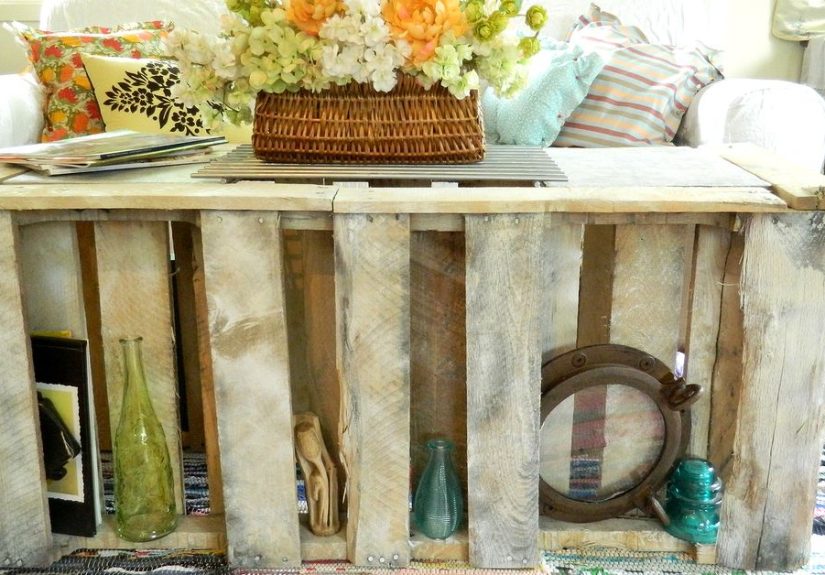
This is the version most people imagine first. Two pallets are stacked, secured together, sanded, and finished. Sometimes wheels are added for mobility. The lower section acts as built-in storage for baskets, books, blankets, or the remote controls that mysteriously multiply overnight.
This style works well for casual family rooms and larger seating areas because it offers both presence and function.
2. The Single-Pallet Minimalist Table
A single pallet with trimmed edges and short legs can create a lower-profile coffee table with a clean, modern feel. This style is great in smaller rooms where a bulky table would overwhelm the space.
3. The Pallet Table with a Glass Top
If you love the texture of pallet wood but want a smoother surface, adding a custom glass top is a smart move. It makes the table easier to wipe clean and elevates the look instantly. It also helps showcase the wood beneath without turning every slat gap into a crumb-catching event.
4. The Painted or Stained Version
Painting a pallet coffee table can make it feel less rustic and more intentional. White, black, charcoal, sage, and warm taupe all work beautifully depending on your room. Stain is ideal if you want to highlight the grain while evening out the color. A natural or medium walnut tone often brings out the character of reclaimed boards without making the piece feel too dark.
5. The Hybrid Coffee Table
You do not have to build the whole thing from pallets. Many of the best-looking DIY pieces combine pallet wood with other materials like hairpin legs, metal frames, box casters, or a plywood substrate for better stability. This gives you the charm of reclaimed wood with the structure of more predictable materials.
How to Build a Pallet Coffee Table That Looks Good
The difference between “impressively handmade” and “garage leftovers with a destiny crisis” is usually in the prep work. Here is the process that matters most.
Start With a Plan
Measure your space before you touch a saw. Your coffee table should feel proportional to the sofa and allow enough room to walk around it comfortably. A table that is too big will dominate the room. Too small, and it starts looking like it got lost on the way to becoming an end table.
Clean the Wood Thoroughly
Brush off dirt, wash the surface if needed, and allow the wood to dry completely. Do not rush this step. Wet pallet wood is not charming. It is just wet.
Disassemble Carefully if Needed
Some designs use a full pallet, while others require taking the boards apart. A reciprocating saw, pry bar, and patience can help reduce splitting. Reclaimed wood is stubborn, which is part of its personality and part of its revenge.
Sand More Than You Think You Need To
Sanding is what turns rough pallet wood into living-room furniture. Start with a coarser grit to remove splinters and grime, then move to finer grits for a smoother finish. Pay special attention to the top surface, corners, and edges. Nobody wants a coffee table that grabs knit blankets like a cat with a vendetta.
Secure the Structure Well
Use screws rather than relying only on nails, especially if you are stacking pallets or attaching legs. Reinforce the underside if needed. A coffee table should survive feet, trays, books, and at least one dramatic flop onto the couch after a long day.
Apply a Finish That Fits the Room
If you want a natural look, use a clear protective topcoat. If you want richer color, stain first and then seal it. For indoor furniture, many DIY finishing guides suggest at least two coats of protective finish, with light sanding between coats for a smoother result. A matte or satin finish usually looks more expensive than a super-gloss coat on pallet wood.
Consider Wheels or Storage
Caster wheels are a favorite on pallet coffee tables for good reason. They add mobility, reinforce the industrial look, and make the table easier to move when cleaning. Built-in storage is another big win, especially in family rooms where blankets, baskets, and books need a home.
Best Finishes for a Reclaimed Wood Coffee Table
The finish you choose changes the whole personality of the table. A pale waxed finish feels soft and farmhouse-inspired. A warm walnut stain looks richer and more traditional. A black painted base with a natural wood top can look surprisingly upscale.
For indoor use, low-odor and lower-VOC products are often a smart choice, especially if you are working in a smaller home or apartment. Let the table cure fully before bringing it into daily use. Fresh finish may look dry before it is actually ready for mug duty.
If your household is hard on furniture, choose durability over romance. A coffee table gets bumped, wiped, used as a snack zone, and occasionally treated like a footrest despite society’s best efforts. Seal it accordingly.
How to Style a Pallet Coffee Table
Once your table is built, styling makes all the difference. A pallet coffee table already has a lot of visual texture, so you do not need to pile on decorations until it resembles an artisan gift shop.
Use the Rule of Three
Grouping decor in threes tends to feel balanced without looking too staged. For example, try a stack of books, a small tray, and a vase with greenery. Simple, functional, attractive. Like a good haircut.
Mix Soft and Hard Elements
Because pallet wood has a rougher, more rugged appearance, pair it with softer materials. Think ceramic vases, linen coasters, candles, or a woven tray. This keeps the table from feeling too heavy or overly rustic.
Keep It Practical
A coffee table should still function as a coffee table. Leave enough open surface for actual life to happen. Decorative objects are lovely, but guests also need a place to put their drink without balancing it on a decorative bead garland like it is a circus act.
Match the Room, Not a Trend
If your living room leans modern, keep the styling minimal. If the room is farmhouse or cottage-inspired, a few warm accessories can enhance the look. The goal is for the pallet coffee table to feel integrated, not like it wandered in from a different Pinterest board.
Common Mistakes to Avoid
- Using dirty or damaged pallets: If the wood looks questionable, trust your instincts and move on.
- Skipping the sanding: Rustic does not have to mean splintery.
- Ignoring the finish: Unsealed wood is more vulnerable to stains, moisture, and daily wear.
- Making it too bulky: A pallet coffee table should feel grounded, not like a shipping platform moved into your den.
- Overdecorating: Let the texture of the wood do some of the visual work.
Is a Pallet Coffee Table Worth It?
Yes, if you like furniture with personality and you are willing to put in the prep work. A pallet coffee table is not just a cheap alternative to store-bought furniture. Done well, it becomes a custom piece with story, texture, and function. It can save money, reuse materials, and give your space a relaxed, collected feel that mass-produced pieces often struggle to match.
The trick is treating it like real furniture. Choose your wood carefully. Build it well. Sand it properly. Finish it with intention. Style it like you meant to own it all along. When those pieces come together, a pallet coffee table stops being a budget project and starts becoming the kind of piece people ask about the minute they sit down.
Real-Life Experiences With a Pallet Coffee Table
The funny thing about a pallet coffee table is that people usually build one for practical reasons and then end up keeping it for emotional ones. It often starts with a budget problem. Maybe the living room feels unfinished, but spending hundreds of dollars on a table sounds ridiculous when there are bills, groceries, and at least one streaming service quietly judging your financial priorities. Then someone spots an old pallet, starts browsing DIY inspiration, and suddenly there is a weekend project in motion.
One of the most common experiences is surprise at how much prep work is involved. Plenty of first-time builders assume the pallet already looks “rustic,” so all they need to do is slap on some wheels and call it a day. Then the sanding begins. And continues. And continues some more. Somewhere around the third cloud of sawdust, most people realize that beautiful reclaimed wood does not magically emerge from a pallet by positive thinking alone.
But once the piece comes together, that effort tends to feel worth it. The table often becomes the hardest-working surface in the room. It holds coffee in the morning, snacks in the afternoon, and television remotes that somehow disappear even when they are sitting in plain sight. Families use it for board games, kids do homework on it, and pets adopt the shelf underneath as if they paid rent.
Another common experience is discovering that a pallet coffee table changes the mood of the room more than expected. A living room with generic furniture can feel flat, but the minute a handmade reclaimed wood table shows up, the space gains warmth. The wood grain, imperfections, and handmade details create that slightly relaxed, lived-in atmosphere people often try to fake with expensive decor.
There is also a lot of pride involved. Guests notice handmade furniture. They ask where it came from. And there is a special satisfaction in answering, “I made it,” especially when the table looks polished enough that nobody suspects its former career involved warehouses and forklifts.
Of course, not every experience is glamorous. Some pallet coffee tables end up heavier than expected. Some are built a little too large and become a permanent obstacle course between the sofa and the TV. Some reveal, after staining, that reclaimed boards have very strong opinions about color consistency. But even those imperfections are part of the charm. A pallet coffee table rarely feels sterile or forgettable. It feels lived with, used, and personal.
That may be the biggest reason people stay attached to them. A pallet coffee table is rarely just furniture. It is usually a project, a memory, a small design victory, and a reminder that practical pieces can still have soul. Even when the finish gets a little worn or the corners get softened by years of use, that only seems to make the table better. It looks less like something you bought and more like something that belongs to your home.
Conclusion
A pallet coffee table is proof that good design does not always begin in a showroom. Sometimes it starts with reclaimed wood, a free weekend, and a slightly overconfident belief that you can totally figure it out as you go. With the right pallet, proper prep, smart finishing, and thoughtful styling, this DIY project can become a durable and attractive centerpiece that adds warmth, storage, and personality to your living room.
Whether you love the rustic look, need a budget-friendly DIY coffee table, or simply want a reclaimed wood table with more character than a mass-produced option, a pallet coffee table is still one of the best home projects to try. Build it with care, and it will not just fill space. It will tell a story.





 Close
Close