
Table of Contents >> Show >> Hide
- What Is Perioral Dermatitis?
- What Causes Perioral Dermatitis?
- Symptoms: What It Looks and Feels Like
- Diagnosis: How Clinicians Confirm It
- Treatment: What Actually Helps (and What Usually Backfires)
- Prevention: Keeping Perioral Dermatitis from Coming Back
- Quick FAQ
- Real-Life Experiences: What People Commonly Go Through (About )
- Conclusion
Perioral dermatitis is the facial rash that loves irony: it often shows up right where you put products meant to make your skin look “better.”
It can look like acne, act like irritation, and respond to the exact opposite of what your instincts might scream (“More moisturizer! Stronger cream! Exfoliate it into submission!”).
Spoiler: your skin is not impressed by those ideas.
This article breaks down what perioral dermatitis is, why it happens, how to recognize it, and which treatments actually workwithout turning your bathroom counter into a chemistry lab.
(And yes, we’ll talk about the #1 troublemaker: topical steroid creams that seem helpful… until they absolutely are not.)
What Is Perioral Dermatitis?
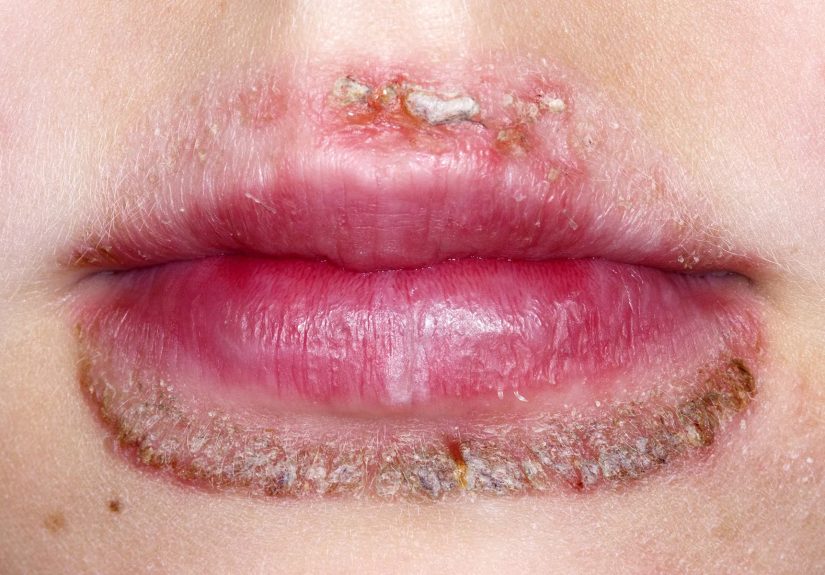
Perioral dermatitis is an inflammatory rash that typically appears around the mouth, and sometimes around the nose and eyes.
It often shows up as clusters of small red or pink bumps (papules), sometimes with tiny pustules, plus dryness or flaking.
Many clinicians also use the term periorificial dermatitis because it can involve multiple “face openings” (mouth, nose, eyes).
Despite the name, it’s not always a classic “dermatitis” in the eczema sense. It behaves more like an acne-rosacea cousin that gets cranky when the skin barrier is disrupted or irritated.
The good news: it’s common, it’s treatable, and it’s not a sign you’ve done anything “gross” or wrong.
What Causes Perioral Dermatitis?
Here’s the tricky part: the exact cause isn’t always one neat villain twirling a mustache.
It’s often a combination of triggers that push the skin barrier and immune response into “overreacting” mode.
Think of it like your face saying, “I have had it with your experiments.”
1) Topical steroid creams (the usual suspect)
The most common and important trigger is topical corticosteroids applied to the faceincluding “mild” ones, prescription-strength ones, and even steroid creams borrowed from a family member’s drawer of miracles.
Steroids can reduce redness temporarily, so it looks like they’re working… until you stop, and the rash rebounds.
This rebound can make perioral dermatitis feel stubborn, dramatic, and personally offended.
2) Inhaled or nasal steroids
Some people develop flares linked to steroid inhalers or nasal sprays (often used for asthma or allergies).
The medication can contact the skin around the mouth or nose, especially if residue isn’t rinsed away.
This doesn’t mean you should stop prescribed respiratory meds on your ownjust that technique and skin care around the area matter.
3) Heavy skincare, occlusives, and cosmetics
Perioral dermatitis frequently worsens with thick creams, balms, oily products, and occlusive cosmetics.
In plain English: the richer and more “slug-like” the product, the higher the chance your rash says, “Thanks, I hate it.”
This includes some facial oils, heavy moisturizers, thick sunscreens, and makeup that traps heat and irritation.
4) Toothpaste and irritants (yes, really)
For some people, ingredients in toothpaste can aggravate the areacommonly reported culprits include fluoride and strong flavoring agents.
This is not a universal trigger, but it’s common enough that dermatologists often suggest a trial switch to a gentle, non-irritating toothpaste during flares.
5) Hormones, stress, and the “life happens” category
Many patients notice patterns with hormonal shifts (menstrual cycle, pregnancy/postpartum changes), stress, sleep disruption, or environmental extremes (wind, cold, dry air).
These factors can amplify inflammation and weaken the skin barrierbasically turning a small irritation into a full musical number.
6) Microbes and skin barrier disruption (possible contributors)
Research suggests the condition may involve changes in the skin barrier and the local microbiome.
Various organisms have been studied (including bacteria, yeast, and mites), but there isn’t one single germ you can blame every time.
That’s why treatment usually focuses on calming inflammation, removing triggers, and using anti-inflammatory/antibiotic therapies when needed.
Symptoms: What It Looks and Feels Like
Perioral dermatitis can be sneaky. It often looks like acne, but behaves differently.
If you’ve been throwing acne products at it and it’s only getting angrier, this is your clue to consider a different diagnosis.
Common signs
- Small red, pink, or skin-colored bumps around the mouth (and sometimes nose/eyes)
- Burning, stinging, or mild itching (often more “irritated” than “itchy”)
- Dryness, flaking, or tightness in the affected area
- “Spared” lip border: many people have a narrow clear zone right next to the lip line
- Flares after steroid use or after stopping steroid creams
What it’s often confused with
- Acne (but perioral dermatitis is often more irritated, more clustered, and less comedone-heavy)
- Rosacea (overlap existssome experts consider them related inflammatory conditions)
- Allergic or irritant contact dermatitis (from skincare, toothpaste, masks, fragrances)
- Seborrheic dermatitis (more greasy scaling; often eyebrows/nasal creases/scalp)
- Lip-licking dermatitis (often involves the actual lip border more directly)
If the rash is painful, spreading rapidly, oozing yellow crust, causing significant swelling, or affecting the eyes with vision symptoms,
get medical care promptly. Most perioral dermatitis is not dangerous, but infections and other conditions can mimic it.
Diagnosis: How Clinicians Confirm It
Diagnosis is usually clinical, meaning a healthcare professional can identify it by appearance, distribution, and history (especially steroid exposure).
In unclear cases, a clinician might consider:
- Reviewing skincare and medication triggers (including inhalers and nasal sprays)
- Considering a brief “product elimination” plan
- Patch testing if allergic contact dermatitis is suspected
- Rarely, swabs/cultures or a biopsy if the presentation is atypical
Treatment: What Actually Helps (and What Usually Backfires)
The most effective treatment plans are boring in the best way: remove triggers, calm inflammation, and give your skin barrier time to recover.
The goal is not to “nuke” the rashit’s to stop feeding the fire.
Step 1: Stop topical steroids (but do it smart)
If you’ve been using steroid creams on your face, stopping them is usually essential.
But here’s the catch: abrupt steroid withdrawal can cause rebound flaring.
Some clinicians recommend tapering (switching to a lower-potency steroid briefly, then discontinuing), especially if you’ve used potent steroids for a long time.
Work with a clinician if you’re unsurebecause restarting steroids to “calm it down” often restarts the cycle.
Step 2: Simplify skincare (“zero therapy,” minus the drama)
During a flare, your routine should be so gentle it’s basically a lullaby:
- Cleanser: mild, fragrance-free, non-foaming if possible
- Moisturizer: light, non-irritating, minimal ingredients
- Sunscreen: choose a gentle formula; some people tolerate mineral sunscreens better, but the “best” one is the one you can wear without stinging
- Avoid: scrubs, peels, strong acids, retinoids, heavy oils, and “tingly” actives until stable
If your skin burns when you apply products, that’s valuable informationnot a sign you should “push through.”
It’s often a sign your barrier is compromised and needs less input, not more.
Step 3: Topical prescription options
Many mild-to-moderate cases respond well to topical treatments that reduce inflammation and microbial overgrowth:
- Metronidazole (cream/gel/lotion): commonly used for inflammatory facial rashes
- Erythromycin or clindamycin (topical antibiotics): may help reduce lesions
- Azelaic acid: can help inflammation and texture, though some people find it stings during acute flares
- Topical calcineurin inhibitors (e.g., pimecrolimus or tacrolimus): steroid-sparing anti-inflammatory options used in some cases
Topicals often take a few weeks to show meaningful improvement. If you’re looking for overnight magic, perioral dermatitis will politely decline.
Step 4: Oral medications for moderate-to-severe flares
When the rash is widespread, persistent, or significantly inflamed, clinicians often prescribe oral antibioticsmost commonly in the tetracycline family
not just for antimicrobial effects, but for their anti-inflammatory benefits.
- Doxycycline (often used at anti-inflammatory dosing)
- Minocycline or tetracycline (depending on patient factors)
A typical course can last several weeks, sometimes longer, with the goal of tapering as the skin stabilizes.
These medications aren’t appropriate for everyone (including many children and pregnant patients), so individualized medical guidance matters.
Special situations: pregnancy, kids, and around-the-eyes rash
If you’re pregnant, trying to conceive, or treating a child, your clinician may avoid tetracyclines and choose alternatives (often topical therapies and/or different oral antibiotics).
For perioral dermatitis near the eyes, treatment is still very doablebut you’ll want professional guidance to avoid irritating that sensitive area.
How long does treatment take?
Many people start to see improvement within a few weeks once triggers are removed and appropriate therapy begins,
but full clearing can take longerespecially if topical steroids were involved.
A common pattern is: initial flare (after stopping steroids) → gradual calming → fewer bumps → less redness and texture.
The most important ingredient is consistency (and resisting the urge to panic-switch products every 48 hours).
Prevention: Keeping Perioral Dermatitis from Coming Back
Once your skin is calm, prevention is mostly about avoiding the “usual suspects” and keeping your barrier happy.
You don’t need to live like a monk, but you may need to stop treating your face like it’s a test kitchen.
- Avoid using steroid creams on the face unless specifically directed by a clinicianand ask about safer long-term plans if facial eczema is an issue.
- Use gentle, fragrance-free basics as your default routine.
- Introduce new products one at a time (your face deserves a controlled trial, not a surprise party).
- Consider toothpaste triggers if flares cluster around the mouthswitching to a bland formula during flares can be a simple experiment.
- Rinse after inhalers/nasal sprays if residue contacts facial skin, and use good technique as instructed by your healthcare team.
- Be careful with heavy occlusives and thick makeup when you’re prone to flares.
Quick FAQ
Is perioral dermatitis contagious?
No. You can’t “catch” it from someone else, and you can’t give it to anyone by sharing a pillowcase (though sharing pillowcases is still a questionable life choice).
Can I treat it with over-the-counter acne products?
Often, harsh acne actives can worsen the irritation. If your bumps sting, burn, and flake, think barrier-first.
A clinician can help you choose targeted treatments that calm inflammation rather than escalating it.
Will it go away on its own?
Sometimes it can, but it may take a long time. Treatment usually shortens the course and reduces the misery factor.
If it keeps recurring, that’s a sign to look for triggers and get a tailored plan.
Real-Life Experiences: What People Commonly Go Through (About )
Perioral dermatitis has a surprisingly consistent “story arc,” and if you’ve lived it, you’ll recognize the plot twists.
Many people start with a few bumps around the mouthnothing dramaticso they do what any reasonable human does: they treat it like acne.
Out comes the exfoliating scrub, the strong cleanser, the spot treatment that smells like it could remove paint from a deck.
The rash responds by multiplying. Because of course it does.
Next comes the well-meaning steroid cameo. Someone has a tube of hydrocortisone. Or a prescription steroid from a past eczema flare.
The rash improves quickly, which feels like victory… until it returns the moment the steroid stops.
People often describe this as the rash “rebounding” or “boomeranging,” and they’re not being dramatic.
That cyclesteroid helps, steroid stops, rash explodesis one of the most common experiences reported.
Then comes the phase I like to call “product detective work.” People start scanning ingredients like they’re decoding a spy message.
They notice the rash worsens after thick moisturizers, heavy sunscreens, face oils, or a new foundation.
Some realize the flare clusters exactly where toothpaste foam touches the skin, and suddenly brushing becomes a surgical procedure:
wipe the corners, rinse the chin, avoid minty overflow like it’s lava.
It sounds funny, but it’s also empoweringbecause finding even one trigger can reduce flares dramatically.
The most successful stories tend to share one theme: simplicity wins.
People who improve often describe “quitting everything” for a whileno new serums, no exfoliation, no aggressive acne routines.
Just a gentle cleanser, a basic moisturizer (if tolerated), sunscreen that doesn’t sting, and whatever prescription plan their clinician recommends.
This can feel emotionally challenging because skincare culture teaches us that more steps equal more control.
Perioral dermatitis teaches the opposite lesson with the enthusiasm of a substitute teacher confiscating your phone.
Another common experience: the timeline messes with your head.
After stopping steroids, many people notice a short-term flare, and it’s easy to panic and restart the steroid.
But those who stick to a smart plan (often with a taper and/or steroid-sparing anti-inflammatory meds) usually report the bumps slowly flattening,
the burning easing, and the redness fading over weeksnot days.
The “I woke up and it was suddenly perfect” moment is rare. The “I realized I hadn’t thought about my rash for two days” moment is much more commonand honestly, better.
Finally, there’s the psychological side: it’s on your face, so it feels personal.
People often say they avoided photos, canceled plans, or felt judged.
If that’s you, you’re not overreactingyou’re human.
The encouraging pattern is that once triggers are managed and the right treatment is in place, most people get back to stable skin and learn what their face will and won’t tolerate.
Consider it annoying wisdom earned the hard way… like learning not to text your ex, but dermatology edition.
Conclusion
Perioral dermatitis is frustrating because it looks familiar (hello, acne) but plays by different rules.
The biggest breakthroughs usually come from removing triggersespecially topical steroid creamssimplifying skincare, and using targeted anti-inflammatory treatments.
If your rash keeps returning, spreads around the nose/eyes, or you’re stuck in a steroid-rebound loop, a dermatologist can help you stabilize faster and avoid repeat flare cycles.
Your skin doesn’t need a hundred products. It needs a plan.







 Close
Close