
Table of Contents >> Show >> Hide
- What Is a Piano Feeder, Exactly?
- Why Pets Will Work for Food
- The Real Benefits Behind the Funny Videos
- Where the Piano Feeder Fits in Modern Pet Care
- Not Every Pet Will Be a Tiny Maestro
- How to Use a Piano Feeder Without Turning Dinner Into Chaos
- Why This Trend Feels Bigger Than a Gadget
- Experiences Pet Owners and Animal Care Teams Often Describe
- Conclusion
Some pet products are practical. Some are ridiculous. And every now and then, a product lands right in the sweet spot where practical and ridiculous shake paws and become genius. That is exactly the charm of a piano feeder: a miniature instrument that rewards cats or dogs with kibble or treats when they tap the keys. On paper, it sounds like a joke invented during a very enthusiastic lunch break. In real life, it taps into something much more interesting: how pets learn, how they stay mentally engaged, and why “working” for food can be healthier than inhaling dinner from a bowl like it is a speed-eating contest.
The buzz around the Pet Piano has not come from novelty alone. People are paying attention because the idea sits at the crossroads of pet enrichment, reward-based training, slow feeding, and smart-home convenience. In other words, it is not just a tiny concert hall for your cat. It is a conversation starter about modern pet care.
If your first reaction is, “My dog can barely sit still for a photo,” or “My cat believes effort is beneath royalty,” fair enough. But the concept behind a piano feeder is more grounded than it looks. Many veterinarians, trainers, and animal welfare groups already recommend puzzle feeders, interactive toys, and food-based enrichment to help pets stay active, curious, and less bored. A piano feeder simply gives that idea a theatrical upgrade. Dinner and a show, served in one device.
What Is a Piano Feeder, Exactly?
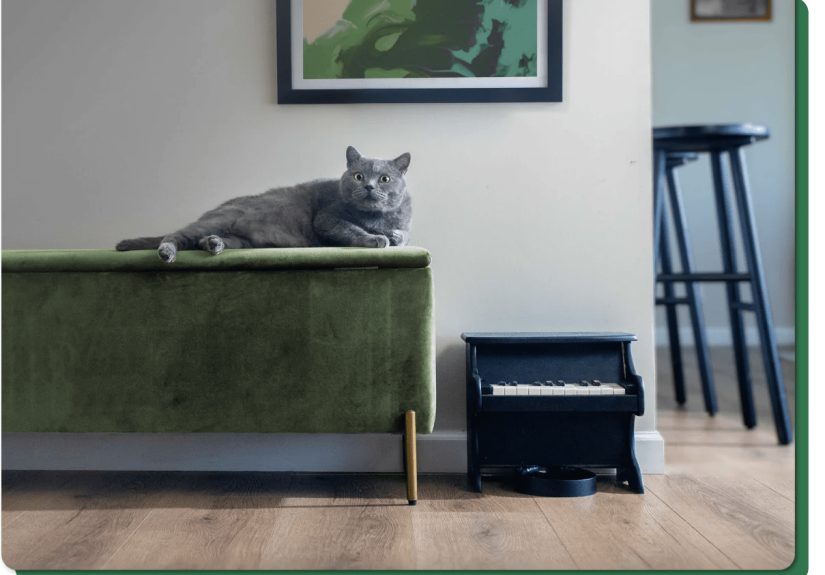
A piano feeder is an interactive pet feeder designed to dispense food when an animal presses keys or triggers specific actions. The best-known version packages the experience as a toy piano, complete with sounds, food rewards, and controls that can limit portions or set feeding times. That matters because the device is not only trying to entertain the humans in the room. It is meant to create a consistent feedback loop for the pet: touch key, hear sound, receive reward, repeat.
That sequence is important. Animals learn through patterns, timing, and consequences. When the reward is immediate and clear, pets can begin to understand that their behavior influences what happens next. That is why food puzzles, treat dispensers, and clicker-style training tools work so well with many dogs and cats. The piano feeder borrows that same logic and wraps it in a gimmick with excellent social media manners.
And yes, the “cute factor” is off the charts. But the more meaningful point is that the feeder turns passive eating into active problem-solving. Instead of strolling to a bowl and vacuuming up lunch in 30 seconds, the pet has to participate. For many animals, that tiny challenge is not frustrating; it is stimulating.
Why Pets Will Work for Food
Domesticated pets may live indoors, but they did not leave all their natural instincts at the door. Cats still like to stalk, paw, chase, and hunt. Dogs still love to sniff, search, nudge, chew, and solve small problems if a payoff is involved. A regular food bowl does one thing very efficiently: it removes the need to think. That is convenient, but convenience is not always enriching.
Interactive feeders flip that script. They ask the pet to do something before the meal appears. Sometimes that “something” is rolling a ball, sliding a panel, pawing a compartment, or sniffing out hidden food. With a piano feeder, it is pressing keys. That does not mean the pet is suddenly studying Chopin. It means the animal is learning a simple cause-and-effect relationship that activates both body and brain.
Reward-based training is the real engine under the hood. When a pet performs a behavior and immediately receives something valuable, that behavior becomes more likely to happen again. Trainers have used this principle for years to teach everything from “sit” to agility tricks to cooperative vet-handling skills. A piano feeder simply turns the reward moment into a mealtime game.
For food-motivated pets, that can be powerful. A cat who usually treats life like a low-budget monarchy may suddenly discover an impressive work ethic when crunchy bites arrive on cue. A dog who gets bored easily may channel that energy into the device instead of into your shoes, your couch cushion, or an unauthorized excavation project in the yard.
The Real Benefits Behind the Funny Videos
Mental enrichment
The biggest benefit of a piano feeder is mental stimulation. Pets, especially indoor pets, need opportunities to solve problems and engage their senses. Boredom in animals does not always look dramatic. Sometimes it shows up as restlessness, clinginess, overgrooming, excessive vocalizing, destructive behavior, or endless requests for snacks. Interactive feeding can help break up that monotony.
That is one reason enrichment experts and animal welfare groups are so enthusiastic about food puzzles. When pets work for part of their meals, they are not just eating. They are investigating, experimenting, and practicing species-appropriate behavior. A piano feeder may be unusual, but its underlying job is very familiar: make the animal think a little before the food appears.
Slower eating
Some pets eat like the world is ending in 45 seconds. Slow feeders and puzzle toys can help stretch out mealtime, which may reduce gulping and make the process more satisfying. A piano feeder will not turn every gobbler into a polite dinner guest, but it can slow the pace compared with a plain bowl.
More movement
Interactive feeding can also increase activity, which matters for pets who spend most of the day indoors. A few extra steps, pounces, paw taps, and position changes may not sound like a fitness revolution, but small bursts of movement add up, especially when paired with play and sensible portion control. That is why enrichment tools are often mentioned in conversations about healthy weight management for cats and dogs.
Better bonding
There is also a human benefit: shared attention. When people help pets learn a game or skill, the interaction becomes more intentional. Instead of only refilling bowls and tossing the occasional treat, the owner becomes part coach, part stage manager, part bewildered audience member. It is hard not to bond with an animal who appears to be performing a snack-funded recital in your living room.
Where the Piano Feeder Fits in Modern Pet Care
The piano feeder matters because it represents a broader shift in how people think about feeding. Mealtime is no longer just nutrition delivery. For many pet owners, it is now part of enrichment, behavior support, and daily routine design. That is a big improvement over the old model of “food in bowl, job done.”
For indoor cats, especially, this shift is important. Cats are often underestimated when it comes to trainability and enrichment needs. Yet many experts recommend puzzle toys, hidden-food games, climbing options, and short training sessions to help indoor cats express natural behavior. A piano feeder fits neatly into that philosophy. It gives the cat a task, a reward, and a repeatable pattern that can make home life more interesting.
For dogs, the appeal is equally clear. Dogs often thrive when they have structured activities that blend movement, thinking, and reward. Brain games, puzzle toys, scent work, and training sessions can all help tire out a dog in healthy ways. A piano feeder is not a substitute for walks, play, or training, but it can be a fun addition to the lineup.
There is even a shelter angle. Enrichment programs in shelters aim to reduce stress and help animals show more natural, adoptable behavior. Devices that encourage safe curiosity and food-motivated interaction may help make an animal’s day more engaging. And let us be honest: a cat “playing piano” is the kind of thing that stops scrolling thumbs in their tracks. That can be useful when the goal is getting people to notice an adoptable pet.
Not Every Pet Will Be a Tiny Maestro
Now for the less glamorous truth: not every pet will love a piano feeder. Some animals are naturally cautious. Some are not strongly food-motivated. Some may find a new device suspicious in the way only cats can, as if it personally offended their ancestors. Others may get overexcited and try to brute-force the experience.
That is why introduction matters. Start easy. Let the pet investigate the feeder without pressure. Use part of the regular daily food ration rather than piling on extra calories like you are tipping the pianist after every note. Reward curiosity. Keep early sessions short. If the pet seems confused, help them make the connection between touching the key and getting food. If frustration builds, simplify the challenge.
Safety matters too. Any interactive feeder should be size-appropriate, durable, and supervised at first. Multi-pet households may need separate sessions to prevent guarding or conflict. And pets with medical conditions, special diets, or weight issues should have feeding changes cleared with a veterinarian. A piano feeder is enrichment, not a nutritional free-for-all.
Cats deserve a special note here. While puzzle feeding can be excellent for feline enrichment, cats should not go long without eating enough calories. If a cat loses interest in the feeder and skips too much food, that is a problem. The goal is engagement, not a dramatic artistic hunger strike.
How to Use a Piano Feeder Without Turning Dinner Into Chaos
Use regular food, not endless treats
The smartest way to use an interactive pet feeder is to treat it as part of the meal plan, not dessert after dessert after dessert. Using kibble from the pet’s normal daily allotment helps control calories and keeps the device from becoming an accidental weight-gain machine with sound effects.
Keep the difficulty fair
Pets should feel challenged, not defeated. The best enrichment tools are just difficult enough to stay interesting but not so hard that the animal quits and gives you a look that says, “This workplace is hostile.”
Rotate, do not overdo
A piano feeder works best as one enrichment option among many. Rotate it with snuffle mats, food puzzles, training games, hide-and-seek kibble hunts, and ordinary interactive play. Variety keeps pets engaged and prevents a single gadget from becoming stale.
Watch the individual animal
One pet may become focused and confident with an interactive feeder. Another may become frantic, noisy, or possessive. There is no universal setting for personality. Good pet care is less about chasing trends and more about observing the animal in front of you.
Why This Trend Feels Bigger Than a Gadget
The piano feeder is funny, yes. But it also reflects a smarter idea about pet life: animals do better when their days include novelty, control, learning, and opportunities to earn rewards. That principle shows up in modern shelter design, veterinary behavior advice, force-free training, and home enrichment plans. The piano just happens to make the lesson more entertaining.
It also says something about pet owners. People are no longer satisfied with products that simply contain, restrain, or distract animals. They want tools that support wellbeing. They want feeding systems that can slow eating, manage portions, encourage movement, and create more meaningful interaction. In that sense, the piano feeder is not as silly as it looks. It is part toy, part feeder, part behavior tool, part conversation about how to make home life richer for pets.
And maybe that is why the idea sticks. At one level, it is deeply absurd to watch a cat tap out a snack-powered melody. At another, it feels oddly right. The pet is active. The human is delighted. Dinner takes longer than 12 frantic seconds. Nobody is bored. That is not a bad outcome for a gadget that looks like it belongs in a dollhouse conservatory.
Experiences Pet Owners and Animal Care Teams Often Describe
People who use interactive feeders often describe the first session as equal parts science experiment and comedy show. The pet circles the device, sniffs it, maybe pokes it once, and then acts as though it has discovered either a miracle or a deeply suspicious new government program. That slow investigation is part of the experience. Pets are gathering information. They are testing what works. And when the machine finally pays out a piece of kibble, you can almost see the light bulb flick on.
For cat owners, one of the most common experiences is surprise. Cats have a reputation for being independent, but many are much more trainable than people expect. Once they learn that pawing a key leads to food, some become wonderfully methodical. They approach the feeder with the serious expression of a tiny union employee clocking in for a shift. Others are less disciplined and prefer what can only be described as jazz. Random notes, random paws, total confidence. Either way, the human usually ends up laughing, which is not the worst side effect a feeding routine can have.
Dog owners often talk about focus. A dog that normally races through meals may become calmer when the food is spread out through an activity. The experience becomes less about frantic consumption and more about engagement. Some dogs treat the feeder as a puzzle to be solved with nose, paw, and persistence. Others love the attention that comes with learning a new game. Many owners report that interactive feeding does not replace walks or playtime, but it adds another useful outlet on rainy days, busy workdays, or those awkward hours when the dog has energy and the human has emails.
In shelters or foster settings, the experience can be even more meaningful. Enrichment tools can give stressed animals something predictable and rewarding to do. A nervous dog may relax when offered a structured food activity. A shy cat may begin showing curiosity instead of withdrawal. Staff and volunteers often learn a lot by watching how an animal approaches a puzzle or feeder. Is the pet confident? Hesitant? Frustrated? Playful? Those observations can help match animals with adopters and explain what kind of home routine might suit them best.
There is also a human emotional layer that gets overlooked. Shared games create stories. The owner remembers the first deliberate paw tap, the first “performance,” the first time the pet seemed to understand the pattern. Those moments feel small, but they build connection. A piano feeder may not transform a pet into a furry Beethoven, and it certainly will not solve every behavior problem in the zip code. But it can make mealtime more interactive, more thoughtful, and a lot more memorable. In a world full of pet gadgets that promise the moon and deliver a plastic lump, that is a pretty respectable encore.
Conclusion
The story behind “Piano Feeder Gets Pets Playing For Their Supper” is bigger than the novelty headline. Yes, the image is hilarious. Yes, the videos are irresistible. But beneath the tiny keyboard lies a serious idea: pets benefit when mealtime becomes mentally engaging, physically active, and reward-driven in healthy ways. A piano feeder will not be right for every cat or dog, and it should never replace veterinary guidance, exercise, play, or thoughtful feeding plans. Still, as a symbol of where pet care is heading, it hits the right note.
Modern pet owners are looking for tools that entertain, enrich, and support wellbeing all at once. The piano feeder does exactly that, with just enough absurdity to make people smile while their pets get something useful out of the deal. For once, the phrase “playing for supper” is not just a metaphor. It is dinner, enrichment, and a one-pet concert series rolled into one very snackable package.






 Close
Close