
Table of Contents >> Show >> Hide
- What Makes a Sukkot Menu “Quick and Easy” (and Still Festive)?
- 5 Quick Sukkot Menus You Can Mix and Match
- Quick and Easy Sukkot Recipes (Designed for Sukkah Dining)
- Recipe 1: Sheet-Pan Chicken Thighs with Squash, Red Onion, and Dates
- Recipe 2: Slow-Cooker Brisket You Can Actually Slice
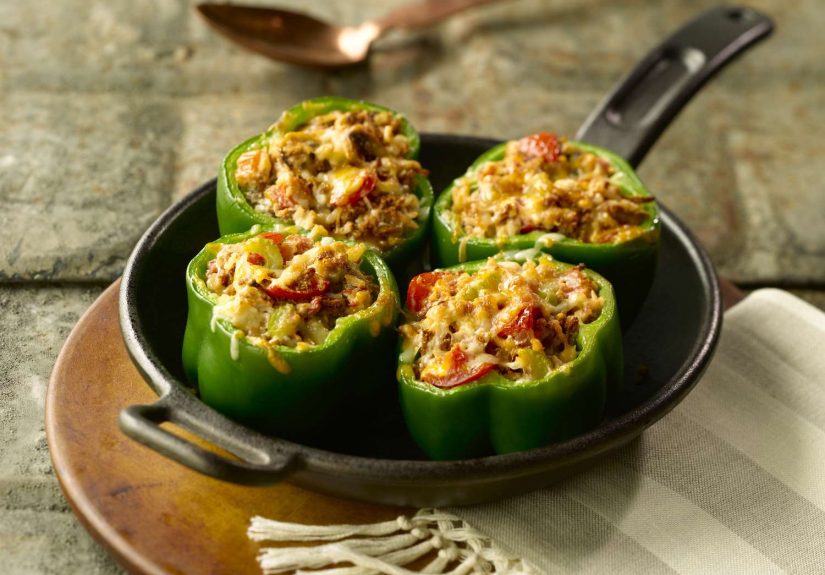
- Recipe 3: “Stuffed Without Stress” Peppers (Weeknight-Style)
- Recipe 4: Apple-Fennel Slaw (Crisp, Bright, No-Mayo Version)
- Recipe 5: Maple-Dijon Roasted Carrots & Sweet Potatoes
- Recipe 6: Big-Batch Lemon Herb Couscous (or Quinoa) for a Crowd
- Recipe 7: “Sukkah Snack Board” That Doubles as Dinner
- Recipe 8: Mini “Edible Sukkah” Snacks for Kids (and Grown-Ups Who Like Fun)
- Recipe 9: Apple Crumble Bars (The Dessert That Travels Like a Champion)
- Recipe 10: Citrus-Olive Oil Cake with Pomegranate (Optional but Dramatic)
- Make-Ahead Timeline: How to Host Without Losing Your Mind
- Outdoor Serving Tips for the Sukkah (Wind, Bugs, and Other Special Guests)
- Conclusion: A Sukkot Menu That Feels Like Joy (Not a Catering Exam)
- Real-World Hosting Experiences: What Sukkot Meals Are Actually Like (500-ish Words)
Sukkot is the Jewish holiday where you build a little outdoor house (a sukkah), invite people you love,
and eat meals under a roof that’s basically “nature’s skylight.” It’s joyful, a little chaotic, andif you’re
luckyonly moderately windy.
The good news: Sukkot food doesn’t have to be complicated to feel special. The best Sukkot meals are
portable, seasonal, crowd-friendly, and forgiving when a paper napkin makes a break for it. Below you’ll find
quick Sukkot menu ideas (meat, dairy, vegetarian, and kid-friendly), plus easy recipes designed for real-life
sukkah dining.
What Makes a Sukkot Menu “Quick and Easy” (and Still Festive)?
1) Foods that travel well
You’re not plating microgreens in a controlled lab environmentyou’re carrying trays outside. Think: sheet-pan
mains, sturdy salads, dips, and desserts that don’t melt the second you blink.
2) Harvest-season flavor without extra work
Sukkot lines up beautifully with fall produce: apples, pears, squash, sweet potatoes, carrots, and sturdy greens.
Let the farmers’ market do the heavy lifting. If it tastes like autumn, you’re already winning.
3) Smart kosher planning (optional, but helpful)
If you keep kosher, decide early: meat meal (skip dairy) or dairy/vegetarian meal
(lean into cheeses, creamy soups, and baked pasta). If you don’t, you can still steal the best idea from kosher
kitchens: keep it organized so hosting feels fun, not like a pop quiz.
4) A nod to traditionwithout a culinary marathon
Sukkot doesn’t demand one “official” dish, which is secretly the holiday’s biggest gift. Many families do like
serving stuffed foods (think cabbage rolls, grape leaves, stuffed peppers, or stuffed squash) to
celebrate the harvest’s abundance. You can do that in an easy waypromise.
5 Quick Sukkot Menus You Can Mix and Match
Each menu below is built around a simple formula: one main, one “wow” side, one crunchy/fresh element, and one
dessert. Add a snack board, and people will think you planned for weeks (you didn’t; we won’t tell).
Menu 1: First-Night Sukkah Dinner (Meat, Classic & Cozy)
- Main: Slow-Cooker Brisket with Onion Gravy
- Side: Maple-Dijon Roasted Carrots & Sweet Potatoes (sheet pan)
- Fresh: Apple-Fennel Slaw (crunchy, bright, no wilting drama)
- Extra: Store-bought challah + quick honey butter (or olive oil + flaky salt)
- Dessert: Apple Crumble Bars
Menu 2: Dairy/Vegetarian “Harvest Table” (Bright, Creamy, Comforting)
- Main: Butternut Squash & Chickpea Pot Pie (or a simple baked pasta)
- Side: Fall Panzanella with toasted bread, roasted squash, and herbs
- Fresh: Big lemony green salad with pepitas
- Extra: Mini bourekas or cheesy puff pastry twists
- Dessert: Olive Oil Citrus Cake (travel-friendly, not fussy)
Menu 3: Chol HaMoed “Sukkah Hangout” (Casual, Kid-Friendly)
- Main: Build-your-own burger board (beef, turkey, or veggie)
- Side: Oven fries or sweet potato wedges
- Fresh: Pickles + sliced cucumbers + cherry tomatoes
- Snack: Hummus trio (classic, roasted pepper, and “whatever was on sale”)
- Dessert: Cookies or fruit skewers
Menu 4: Sukkot Brunch (Because Morning Air is the Best Air)
- Main: Shakshuka (or baked eggs with spinach and feta)
- Side: Israeli salad (tomato, cucumber, herbs, lemon)
- Carb: Bagels or challah French toast (if you’re feeling iconic)
- Extra: Yogurt + granola + citrus + pomegranate seeds
- Dessert: Honey cake muffins (aka “breakfast cake,” totally different)
Menu 5: Potluck Sukkot (The “Bring One Thing” Menu)
- Host makes: One big main (sheet-pan chicken OR baked ziti)
- Guests bring: A salad, a dip/snack, a side, a dessert
- Pro move: Assign categories so you don’t get seven hummuses and zero forks
Quick and Easy Sukkot Recipes (Designed for Sukkah Dining)
These recipes are intentionally low-drama: minimal stovetop juggling, lots of make-ahead options, and flavors that
scream “fall party” even if you’re eating on folding chairs.
Recipe 1: Sheet-Pan Chicken Thighs with Squash, Red Onion, and Dates
Why it works: One pan. Big flavor. The sweet-savory combo tastes like you tried harder than you did.
- Ingredients: Bone-in chicken thighs, cubed butternut squash, red onion wedges, pitted dates (or dried apricots), olive oil, lemon, garlic, paprika, salt, pepper.
- Do this: Toss veg and dates with oil + spices. Nestle chicken on top, salt generously. Roast at 425°F until chicken is browned and squash is tender (about 35–45 minutes). Finish with lemon juice.
- Make-ahead tip: Chop everything earlier; roast right before dinner.
Recipe 2: Slow-Cooker Brisket You Can Actually Slice
Why it works: Brisket tastes like tradition. The slow cooker tastes like sanity.
- Ingredients: Brisket, onions, garlic, beef broth, tomato paste, a splash of vinegar, salt, pepper, smoked paprika (optional).
- Do this: Sear brisket if you have time (nice, not required). Layer onions on the bottom, add brisket, broth, tomato paste, seasonings. Cook low 8–10 hours. Chill, slice cold, reheat in sauce.
- Sukkah bonus: Reheats beautifully and stays juicy in a covered pan.
Recipe 3: “Stuffed Without Stress” Peppers (Weeknight-Style)
Why it works: You get the Sukkot stuffed-food vibe without rolling 47 cabbage leaves.
- Ingredients: Bell peppers, cooked rice or quinoa, canned chickpeas (or cooked ground turkey), sautéed onions, diced tomatoes, cumin, cinnamon (tiny pinch), salt, herbs.
- Do this: Mix filling, stuff peppers, pour a little tomato sauce in the baking dish, cover, bake at 375°F for ~35–45 minutes.
- Shortcut: Use microwave rice and jarred marinara.
Recipe 4: Apple-Fennel Slaw (Crisp, Bright, No-Mayo Version)
Why it works: Crunch cuts through rich mains, and it doesn’t get sad outside.
- Ingredients: Thin-sliced fennel, apples, cabbage, lemon juice, olive oil, Dijon, honey, salt, pepper.
- Do this: Whisk dressing; toss with sliced veg/fruit right before serving. Add toasted nuts or pepitas if you want extra crunch.
Recipe 5: Maple-Dijon Roasted Carrots & Sweet Potatoes
Why it works: It’s basically fall on a tray.
- Ingredients: Carrots, sweet potatoes, olive oil, Dijon, maple syrup, thyme or rosemary, salt.
- Do this: Roast at 425°F until caramelized. Add a squeeze of lemon at the end so it tastes “fancy.”
Recipe 6: Big-Batch Lemon Herb Couscous (or Quinoa) for a Crowd
Why it works: Warm or room temp, it behaves itself in the sukkah.
- Ingredients: Couscous or quinoa, lemon zest/juice, olive oil, parsley, mint (optional), chopped cucumbers, scallions, salt.
- Do this: Cook grain. Fluff. Add everything. Taste and add more lemon like you mean it.
Recipe 7: “Sukkah Snack Board” That Doubles as Dinner
Why it works: It’s dinner… disguised as everyone’s favorite part of dinner.
- Build it with: Hummus, olives, pickles, grape tomatoes, sliced peppers, pita, crackers, roasted nuts, dried fruit, cheese (for dairy meals) or smoked fish (for pareve-friendly options).
- Board survival tip: Put dips in heavier bowls so the wind doesn’t redecorate your tablecloth.
Recipe 8: Mini “Edible Sukkah” Snacks for Kids (and Grown-Ups Who Like Fun)
Why it works: If the meal runs late, tiny humans stay happy. Also, it’s adorable.
- Ideas: Cucumber “cups” stuffed with tuna or avocado; celery “boats” filled with cream cheese or nut butter; square-cut omelet pieces topped with sautéed spinach; carrot sticks with dill dip.
- Bonus: Everything is handheld, which means fewer forks on the ground.
Recipe 9: Apple Crumble Bars (The Dessert That Travels Like a Champion)
Why it works: Less messy than pie, more exciting than “I brought fruit.”
- Ingredients: Apples, cinnamon, lemon, flour, oats, brown sugar, butter (or coconut oil), pinch of salt.
- Do this: Press half the crumble into a pan, layer apples, top with remaining crumble, bake until golden. Cool fully before slicing.
Recipe 10: Citrus-Olive Oil Cake with Pomegranate (Optional but Dramatic)
Why it works: Moist, sturdy, and it looks like you own matching serving platters.
- Ingredients: Olive oil, sugar, eggs, flour, baking powder, orange or lemon zest, citrus juice, pinch of salt.
- Do this: Bake in a loaf or round pan. Top with powdered sugar and pomegranate seeds right before serving.
Make-Ahead Timeline: How to Host Without Losing Your Mind
2–3 days before
- Plan your menu (pick one main, two sides, one dessert, one snack).
- Shop for shelf-stable stuff: foil, storage containers, paper goods, candles or battery lanterns.
- Make dessert bars or olive oil cake (they improve after a day).
1 day before
- Chop vegetables, mix dressings, and prep slaws (keep dressing separate if you want max crunch).
- Cook grains (couscous/quinoa), refrigerate, fluff before serving.
- Cook brisket or a stew; slice and reheat later.
Day of
- Roast sheet-pan mains and sides.
- Assemble snack board and salads near serving time.
- Pack a “sukkah kit”: serving spoons, napkins, bug spray, and one extra lighter that isn’t missing.
Outdoor Serving Tips for the Sukkah (Wind, Bugs, and Other Special Guests)
Keep it weighted
Use heavier bowls for dips, a tray for condiments, and clips for tablecloths. The wind will test your leadership skills.
Choose “room-temp friendly” foods
Salads, roasted vegetables, grain bowls, brisket, and bars are forgiving. Creamy sauces and delicate soufflés… less so.
Food safety, but make it realistic
If it’s warm out, don’t let meat or dairy sit out for hours. Serve smaller portions and refresh from the kitchen as needed.
If it’s chilly, congratulations: nature is your refrigerator (still, keep an eye on it).
Conclusion: A Sukkot Menu That Feels Like Joy (Not a Catering Exam)
The best quick and easy Sukkot menus are built on smart shortcuts: seasonal produce, one-pan roasting, make-ahead grains,
and one “signature” item that anchors the meallike brisket, stuffed peppers, or a pot pie that makes people hover near the pan.
Pick a menu style, repeat a few components through the week, and let the sukkah do what it does best: turn an ordinary meal into
a memory. If the wind steals a napkin, consider it part of the entertainment.
Real-World Hosting Experiences: What Sukkot Meals Are Actually Like (500-ish Words)
Here’s the part nobody puts in the cookbook: the sukkah has a personality. Some sukkot are serene and fairy-lit, with a gentle
breeze and friends who arrive exactly on time. Other sukkot are essentially outdoor dining in “surprise mode,” where a chair leg
sinks into the lawn, a citron-scented breeze drifts in, and your carefully stacked napkins audition for a kite festival.
That’s why experienced Sukkot hosts tend to cook with a few unglamorous priorities. First: sturdy food. Not “sturdy”
in a tough-love waysturdy in a “this still tastes great even if we’re using compostable plates” way. Roasted chicken, brisket, and
veggie trays are heroes because they don’t require perfect timing. Grain salads (couscous, quinoa, farro) are equally heroic: they’re
delicious at room temperature, they can feed a crowd, and they don’t sulk if you’re delayed by an unexpected conversation that turns into
a full-on life update. (Sukkot is basically built for that.)
Second: portable serving. People learn quickly that carrying soup outside sounds romantic until you do it while stepping
around decorations. So the “real-life” sukkah meals often feature foods you can transport in a single trip: covered baking dishes, sheet-pan
dinners, and big bowls with lids. A surprising number of hosts swear by one dedicated “sukkah tray” for the essentialsserving spoons, napkins,
salt, and an extra roll of paper towelsbecause once you sit down, nobody wants to be the designated fork retriever.
Third: comfort plus crunch. Outdoor meals shine when you pair cozy mains with something bright. Think brisket plus apple-fennel
slaw, roast chicken plus lemony salad, or stuffed peppers plus a crisp cucumber plate. That balance matters even more in a sukkah, where the air
is fresh and people tend to snack longer. A crunchy side makes a rich menu feel lighter, and it gives picky eaters a safe landing spot (cucumbers
have saved more holiday dinners than anyone will admit).
Fourth: accept the “guest factor.” Many families invite friends, neighbors, and community members into the sukkah. Even if you’re
not doing a formal guest tradition, Sukkot has a welcoming vibeand that’s where snack boards earn their crown. A board buys you time. It keeps
people happy while the main dish finishes. It’s also the easiest way to accommodate different diets without turning the meal into a spreadsheet.
Put out hummus, olives, veggies, and something carby, and suddenly everyone is laughing and nibbling like you planned it that way.
Finally: embrace the imperfect magic. Sukkot meals feel special because you’re outside, sharing food under a temporary roof,
noticing the season, and leaning into togetherness. If the weather is a little weird, the chairs don’t match, or dessert arrives slightly
lopsidedcongratulations, you’re doing it right. The sukkah isn’t about perfection. It’s about showing up, feeding people well, and letting the
week be joyful.





 Close
Close