
Table of Contents >> Show >> Hide
- What Are Regular Dry Roasted Peanuts?
- What Are Roasted Spanish Peanuts?
- Nutrition Comparison: Regular Dry Roasted vs. Roasted Spanish Peanuts
- Are Regular Dry Roasted Peanuts Good for You?
- Are Roasted Spanish Peanuts Good for You?
- Which Is Better for Heart Health?
- Which Is Better for Weight Management?
- Which Is Better for Blood Sugar?
- What About Peanut Skins?
- Possible Downsides to Consider
- Best Ways to Eat Peanuts for Health
- Regular Dry Roasted vs. Roasted Spanish Peanuts: The Final Verdict
- Practical Experiences: Living With Both Peanut Types in Real Life
Peanuts are the snack world’s overachievers. They are crunchy, affordable, easy to pack, and somehow manage to show up at baseball games, lunch boxes, trail mixes, party bowls, peanut butter jars, and emergency desk drawers everywhere. But when you stand in the snack aisle staring at regular dry roasted peanuts on one shelf and roasted Spanish peanuts on another, the question becomes surprisingly serious: which one is actually better for you?
The simple answer is this: both can be good for you, as long as you pay attention to portion size, sodium, added oils, sugar, and your personal health needs. The better choice depends less on the peanut’s personality and more on what the food label is quietly whispering behind your back.
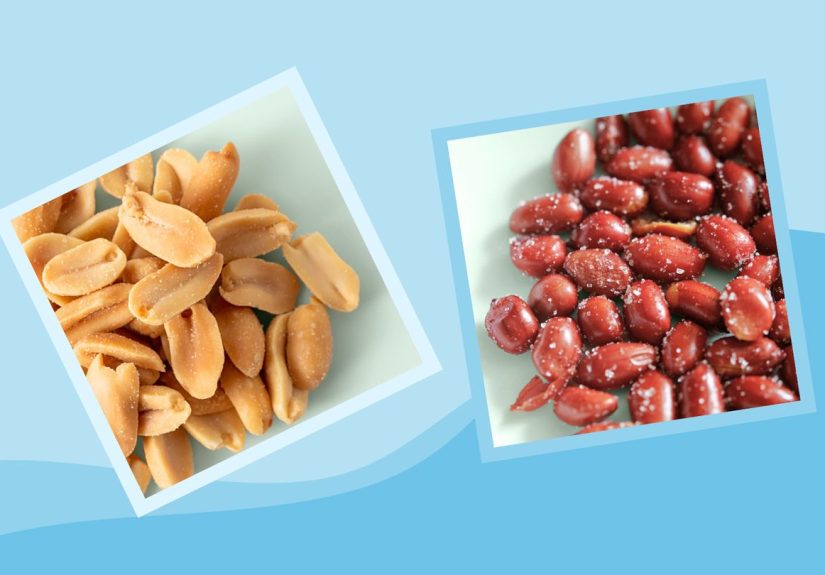
Regular dry roasted peanuts are usually roasted without added oil, which makes them a smart, straightforward snack. Roasted Spanish peanuts, meanwhile, are known for their smaller kernels, reddish-brown skins, and rich, nutty flavor. Those skins may bring extra antioxidant compounds, but Spanish peanuts also tend to have a slightly higher oil content naturally. In other words, regular dry roasted peanuts are the dependable friend who shows up on time, while Spanish peanuts are the flavorful cousin who arrives wearing a red jacket and somehow makes the party more interesting.
What Are Regular Dry Roasted Peanuts?
Regular dry roasted peanuts are peanuts roasted with hot air or heat rather than being fried or roasted in added oil. They may be sold salted, lightly salted, unsalted, honey roasted, seasoned, or flavored. For health purposes, the best option is usually unsalted dry roasted peanuts or lightly salted dry roasted peanuts with a short ingredient list.
A typical one-ounce serving of dry roasted peanuts, which is about a small handful, contains roughly 160 to 170 calories, about 7 grams of protein, around 14 grams of fat, and about 2 grams of fiber. Most of the fat in peanuts is unsaturated fat, the type commonly associated with heart-friendly eating patterns. Peanuts also provide nutrients such as magnesium, niacin, vitamin E, folate, copper, manganese, and plant compounds known as phytochemicals.
Because dry roasted peanuts are calorie-dense, the main issue is not whether they are healthy. The real issue is whether you eat one handful or accidentally “quality test” half the container while watching one episode of your favorite show. Peanuts are nutritious, but they are not magical. The serving size still counts.
What Are Roasted Spanish Peanuts?
Spanish peanuts are a specific type of peanut, not a different food category altogether. They are usually smaller than common peanut varieties and are easy to recognize because of their reddish-brown skins. They are popular in peanut candies, peanut butter, snack mixes, and salted peanut products because they have a bold, roasted flavor and a naturally higher oil content than some other peanut types.
Roasted Spanish peanuts may be dry roasted or oil roasted depending on the brand. This detail matters. A bag labeled “roasted Spanish peanuts” does not automatically mean “dry roasted.” Some products may include added peanut oil, vegetable oil, salt, or seasonings. Others may be very simple: peanuts and salt, or just peanuts.
The reddish skins are one of the biggest nutritional differences. Peanut skins contain polyphenols and antioxidant compounds. These compounds are not magic shields against every health problem, but they do add nutritional value. If you enjoy the slightly earthy taste and papery texture, roasted Spanish peanuts with skins can be a smart choice.
Nutrition Comparison: Regular Dry Roasted vs. Roasted Spanish Peanuts
Calories
Both regular dry roasted peanuts and roasted Spanish peanuts are calorie-dense. A one-ounce serving usually lands around 160 to 170 calories, though the exact number depends on the brand, roasting method, and whether oil, sugar, or coatings are added. Spanish peanuts may have a slightly richer mouthfeel because they naturally contain a bit more oil, but the calorie difference between plain versions is usually not dramatic.
Protein
Peanuts are a strong plant-based protein snack. Both regular dry roasted peanuts and roasted Spanish peanuts typically provide about 7 grams of protein per ounce. That makes them useful for keeping hunger under control between meals. They are not a complete replacement for a balanced meal, but they are far more satisfying than a handful of candy or plain chips.
Fat Quality
Peanuts are high in fat, but much of that fat is monounsaturated and polyunsaturated fat. These fats are commonly found in heart-conscious eating patterns. Regular dry roasted peanuts may have a slight advantage if they contain no added oil. Roasted Spanish peanuts may be equally reasonable if the ingredient list is simple, but oil-roasted versions can add extra fat depending on processing.
Fiber
Both types provide fiber, usually around 2 grams per ounce. Spanish peanuts with skins may offer a small advantage because the skins contribute extra fiber and plant compounds. Fiber helps support digestion, satiety, and blood sugar control. It is not glamorous, but fiber is basically the quiet office manager of nutrition: not flashy, very necessary.
Sodium
Sodium is where the peanut plot thickens. Plain peanuts are naturally very low in sodium, but salted peanuts can vary widely. Some salted peanut products still fit into a moderate-sodium diet, while others are heavy-handed with the salt shaker. If you are watching blood pressure or trying to reduce sodium, choose unsalted or lightly salted versions. The front of the package may say “healthy snack,” but the Nutrition Facts label tells the real story.
Are Regular Dry Roasted Peanuts Good for You?
Yes, regular dry roasted peanuts can be good for you. Their biggest advantages are simplicity, protein, healthy fats, fiber, and convenience. They are especially helpful when they replace less nutritious snacks, such as chips, cookies, or sugary granola bars pretending to be health food while wearing a tiny halo.
Dry roasted peanuts may support heart health because they contain mostly unsaturated fats, along with magnesium, niacin, and other nutrients. Their protein and fiber can also help with fullness, which may support weight management when eaten in reasonable portions.
The healthiest version is usually unsalted dry roasted peanuts with no added sugar and no unnecessary flavor powders. If you prefer salted peanuts, lightly salted options are a practical middle ground. Food does not need to taste like cardboard to be healthy. Thankfully, peanuts did not get that memo.
Are Roasted Spanish Peanuts Good for You?
Roasted Spanish peanuts can also be good for you, especially when they are sold with their red skins intact. The skins contain antioxidants, including polyphenol compounds. These naturally occurring compounds help explain why peanuts are more than just protein and fat in a crunchy package.
Spanish peanuts have a deeper, more intense roasted flavor than many regular peanuts. That can be a benefit if it helps you feel satisfied with a smaller portion. Flavor matters. A snack you enjoy slowly is often better than a “healthy” snack you resent and then follow with three other snacks to emotionally recover.
The main caution is that roasted Spanish peanuts are often sold salted, oil roasted, or included in candy and snack mixes. Spanish peanuts in chocolate clusters are still peanuts, technically, but let’s not pretend the chocolate is just there for emotional support. If your goal is nutrition, choose plain or lightly salted roasted Spanish peanuts rather than candy-coated versions.
Which Is Better for Heart Health?
For heart health, both types can fit well into a balanced diet. The best choice is the one with the least sodium, no added sugar, and no unnecessary processed oils. Peanuts contain unsaturated fats, plant protein, fiber, magnesium, and phytosterols, all of which can support a heart-conscious eating pattern.
If comparing two plain products, regular unsalted dry roasted peanuts may have a tiny edge because they are typically roasted without added oil. However, roasted Spanish peanuts with skins may offer extra antioxidant compounds. The difference is not big enough to crown one universal champion. This is not the Super Bowl of peanuts. It is more like choosing between two solid teammates.
Which Is Better for Weight Management?
For weight management, portion control matters more than peanut type. Both regular dry roasted and roasted Spanish peanuts are calorie-dense. A small handful can be satisfying; a large bowl can become a calorie avalanche with crunching sound effects.
Peanuts may help with fullness because they combine protein, fat, and fiber. That trio digests more slowly than refined carbohydrates, helping you feel satisfied longer. If you struggle with snacking, pre-portion peanuts into small containers or snack bags. This simple habit prevents the classic “I only had a few” situation, which often means “I lost track somewhere around handful seven.”
Which Is Better for Blood Sugar?
Both types are generally blood-sugar-friendly compared with many high-carb snacks. Peanuts are relatively low in carbohydrates and contain protein, fat, and fiber, which can help slow digestion. For people managing blood sugar, plain peanuts can be a better choice than crackers, candy, sweetened cereal bars, or desserts.
However, flavored peanuts can change the equation. Honey roasted peanuts, chocolate-covered peanuts, and sweet-and-spicy varieties may contain added sugar. If blood sugar control is your priority, choose plain, unsalted, or lightly salted peanuts and pair them with fruit, yogurt, or vegetables for a balanced snack.
What About Peanut Skins?
Peanut skins deserve more respect than they get. Many people brush them off like snack dust, but they contain antioxidant compounds and extra fiber. Roasted Spanish peanuts are commonly eaten with the skins still on, which gives them a slight nutritional bonus over skinless regular dry roasted peanuts.
That said, peanut skins have a slightly bitter, earthy taste. Some people love it; others act personally betrayed by it. If you enjoy Spanish peanuts with skins, great. If not, regular dry roasted peanuts are still nutritious. The best peanut is the one you will eat in a sensible portion instead of abandoning in the pantry until it tastes like regret.
Possible Downsides to Consider
Peanut Allergies
Peanut allergy can be serious and potentially life-threatening. Anyone with a peanut allergy should avoid peanuts completely and follow medical guidance. For households, schools, or workplaces where allergies are present, be careful with shared surfaces, snack bowls, and ingredient labels.
Sodium Levels
Salted peanuts can contribute sodium, especially if you eat more than one serving. People with high blood pressure, kidney disease, or sodium-restricted diets should choose unsalted peanuts more often.
Added Oils and Sugars
Not all peanut products are created equal. Dry roasted peanuts are usually simpler, but flavored versions can contain sugar, corn syrup solids, maltodextrin, or extra oils. Roasted Spanish peanuts may be oil roasted, salted, or mixed into candy. Always check the ingredient list.
Calories Add Up Fast
Peanuts are healthy, but they are not low-calorie. A one-ounce serving is a smart snack. Three or four ounces can become the calorie equivalent of a full meal. This is not a reason to fear peanuts; it is simply a reason to respect the handful.
Best Ways to Eat Peanuts for Health
For the healthiest peanut snack, keep it simple. Choose unsalted or lightly salted peanuts, avoid sugary coatings, and measure a one-ounce serving until you can eyeball it accurately. Pair peanuts with fresh fruit, such as apple slices or a banana, for a snack that includes fiber, healthy fats, and natural sweetness.
You can also sprinkle chopped peanuts over oatmeal, salads, stir-fries, yogurt bowls, or roasted vegetables. Spanish peanuts are especially good in savory dishes because their bold flavor stands up well to spices, lime, chili, garlic, and herbs. Regular dry roasted peanuts work beautifully in trail mix, homemade granola, or as a crunchy topping for soups and noodle bowls.
If you are buying peanut butter, look for versions made with peanuts and maybe salt. Avoid products with hydrogenated oils or lots of added sugar. Peanut butter can be nutritious, but once it starts tasting like frosting, it has crossed into dessert territory wearing a fake mustache.
Regular Dry Roasted vs. Roasted Spanish Peanuts: The Final Verdict
So, which peanuts are good for you? Both. If you want the simplest option, choose unsalted regular dry roasted peanuts. If you want richer flavor and the bonus of peanut skins, choose roasted Spanish peanuts with skins. If you are watching sodium, choose unsalted. If you are watching calories, portion them. If you are choosing between plain peanuts and a candy-coated peanut snack, plain peanuts win by a landslide.
The healthiest peanut is not defined only by variety. It is defined by the full package: serving size, sodium, added oil, added sugar, freshness, and how it fits into your overall diet. Regular dry roasted peanuts and roasted Spanish peanuts can both be part of a balanced eating pattern that includes fruits, vegetables, whole grains, lean proteins, and other nutrient-rich foods.
In short, peanuts are good for you when you treat them like a snack, not a bottomless bucket. Your heart, taste buds, and grocery budget can all get along nicely.
Practical Experiences: Living With Both Peanut Types in Real Life
In everyday snacking, the difference between regular dry roasted peanuts and roasted Spanish peanuts becomes clearer than it looks on a nutrition label. Regular dry roasted peanuts are the practical choice for people who want a clean, reliable snack. They are easy to toss into a lunch bag, sprinkle on a salad, or keep in the pantry for those mid-afternoon moments when your stomach starts holding a meeting without your permission. The flavor is familiar, mild, and flexible. If you are feeding a family, regular dry roasted peanuts are usually the crowd-pleaser because they do not have the slightly bitter skin texture that some people notice with Spanish peanuts.
Roasted Spanish peanuts, on the other hand, feel a little more special. Their red skins give them a rustic look, and their flavor tends to be deeper and nuttier. They are excellent when you want a snack that tastes more intense without needing extra seasoning. In a homemade trail mix, Spanish peanuts can stand up to raisins, dark chocolate chips, toasted oats, or pumpkin seeds. In savory cooking, they work beautifully with chili powder, smoked paprika, lime zest, or a little cayenne. They bring enough character to make a simple dish feel intentional, which is a fancy way of saying they make you look like you planned dinner better than you did.
For portion control, regular dry roasted peanuts may be easier for some people because the flavor is less intense, while Spanish peanuts can be so tasty that the hand-to-mouth rhythm gets dangerously efficient. A good trick is to serve either type in a small bowl instead of eating from the jar or bag. The container is not judging you, but it is definitely enabling you.
For office snacks, unsalted dry roasted peanuts are often the safer pick because they are less messy and less salty. Spanish peanuts with skins can leave little flakes behind, which may make your keyboard look like it survived a tiny peanut snowstorm. At home, though, that skin is part of the charm. It adds texture, flavor, and a more whole-food feel.
For kids or picky eaters, regular dry roasted peanuts may be more approachable. For adults who like bold snacks, roasted Spanish peanuts may be more satisfying. For people reducing sodium, either type can work as long as the label says unsalted or lightly salted. For people who want maximum simplicity, the best ingredient list is still the shortest one: peanuts. Maybe salt. That is it.
The best experience-based advice is to keep both around for different uses. Use regular dry roasted peanuts as your everyday staple and roasted Spanish peanuts when you want extra flavor, crunch, and personality. One is not the villain and the other is not the superhero. They are both nutritious, affordable, and useful when eaten wisely. The real winner is the peanut that helps you snack better without turning snack time into a full-contact sport.
Note: This article is based on real nutrition and food information from recognized U.S. nutrition, health, agriculture, and food-labeling references. It is for general educational purposes only and should not replace medical advice, especially for people with peanut allergies, sodium restrictions, kidney disease, diabetes, or heart-related conditions.







 Close
Close