
Table of Contents >> Show >> Hide
- What Is a Plastic Pallet Patio?
- Is This Actually Renter-Friendly?
- Step 1: Measure Your Space and Plan a Layout
- Step 2: Choose the Right Plastic Pallets
- Step 3: Prep the Base (So It Doesn’t Wobble Like a Cartoon Table)
- Step 4: Build the Plastic Pallet Patio Platform
- Step 5: Finish the Surface (So It Looks Intentional)
- Style It Like You Live There (Because You Do)
- Safety and Practical Considerations (Unsexy but Important)
- Maintenance: Keep It Looking Good (Without Turning It Into a Chore)
- Cost Example: What a Plastic Pallet Patio Might Run
- Alternatives If Plastic Pallets Aren’t Your Thing
- Real-Life Lessons and Renter Experiences With a Plastic Pallet Patio (Extra 500+ Words)
- Conclusion
Renting with a sad, cracked concrete patio is a universal experience. You move in, you picture iced coffee and fairy lights… and then you step outside and realize your “outdoor oasis” looks like a parking lot that gave up on its dreams.
Here’s the renter-friendly plot twist: you can create a temporary, removable patio platform using plastic shipping pallets as the basekind of like building a “deck” without the permanent, expensive, landlord-side-eye part. Done right, a plastic pallet patio can look polished, feel comfortable underfoot, drain water like a champ, and pack up when your lease is up.
This guide breaks down what a plastic pallet patio is, why renters love it, how to build one safely, and how to make it look like you didn’t just invent “warehouse chic” on your balcony.
What Is a Plastic Pallet Patio?
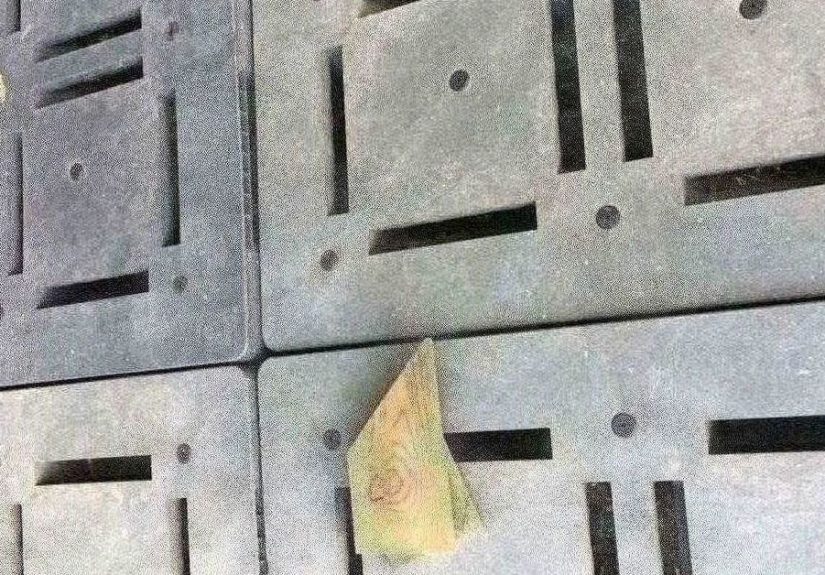
A plastic pallet patio is a modular floor platform made by laying plastic shipping pallets side-by-side and connecting them into a stable base. You can leave the pallets as-is and add an outdoor rug on top, or finish the surface with interlocking deck tiles, removable mats, or a lightweight topper for a more “real patio” vibe.
Plastic pallets are typically made from durable plastics like HDPE (high-density polyethylene) and are designed to carry heavy loads in shipping and warehousing. The features that make them great for logisticsstrength, water resistance, and easy cleaningalso make them surprisingly useful for renter patio upgrades.
Why plastic (and not wood pallets)?
- No splinters: Your socks will survive. So will your feet.
- Weather-resistant: Plastic doesn’t rot like wood.
- Easy to clean: Hose it off and keep living your best life.
- Drainage-friendly: Many plastic pallets have vented or open decks that let water pass through instead of pooling.
Is This Actually Renter-Friendly?
Yesif you keep it non-permanent and surface-safe. A plastic pallet patio works best when you:
- Don’t drill into concrete, tile, wood decking, or exterior walls
- Use protective pads under pallets to prevent scratches
- Choose connections that are removable (zip ties, removable brackets, bolts with washersnot adhesive that leaves residue)
- Confirm your lease rules for outdoor modifications
If your building is strict, pitch it like this: “I’m placing a removable outdoor mat system that protects the surface and improves drainage.” That sounds a lot more responsible than “I’m building a deck on your deck.”
Step 1: Measure Your Space and Plan a Layout
Start with a tape measure and a realistic mindset. You’re not designing Versailles. You’re designing cozy.
Measure these three things:
- Overall footprint: length × width of your usable patio/balcony
- Door swing + clearance: you need the door to open without catching on your new floor height
- Obstacles: drain locations, hose bibs, posts, AC units, railing supports
Pro renter move: Sketch a quick grid on paper. If you’re using standard pallets, remember they’re often large rectanglesso alignment matters unless you enjoy the “accidental maze” aesthetic.
Step 2: Choose the Right Plastic Pallets
Not all pallets are created equal. Some are smooth and sturdy. Some are weirdly flexible and feel like they were designed exclusively for disappointing you.
What to look for
- Outdoor durability: If possible, choose pallets marketed as weather-resistant or suited for repeated use.
- Open/vented deck: Great for drainage (especially on uncovered patios).
- Flat top surface: Easier to top with rugs or tiles.
- Condition: No cracks, missing feet, or warping.
- Height: Lower is better for doors and trip safetymany pallets sit a few inches high.
Where renters typically source pallets
- Pallet resellers or recyclers: Often have used plastic pallets in decent condition.
- Industrial supply retailers: More expensive, but consistent sizes and clean condition.
- Local marketplace listings: Can be greatjust inspect carefully.
Heads-up: Don’t “borrow” pallets from behind stores. Some pallets are part of rental/return systems. Also, your future self doesn’t need a side quest involving security cameras.
Step 3: Prep the Base (So It Doesn’t Wobble Like a Cartoon Table)
Even tough pallets can feel unstable if your surface slopes or has dips. Prep is what separates “cute outdoor lounge” from “why does my chair rock like a cradle?”
If your patio/balcony is concrete or tile
- Sweep and wash the area first (dust turns into grit, grit turns into scratches)
- Use rubber furniture pads, thin outdoor matting, or non-slip underlayment beneath pallets
- Keep drainage points cleardon’t block the drain with pallet feet
If your patio is grass or soil (ground-level only)
- Lay down landscape fabric to reduce weeds
- Add a thin layer of compacted gravel or sand for leveling (optional but helpful)
- Use a few pavers as support points to prevent pallets sinking unevenly
Important: If you’re on a balcony, skip anything that adds significant weight (like thick gravel beds). Keep it light, modular, and removable.
Step 4: Build the Plastic Pallet Patio Platform
This is the fun part. It’s basically adult LEGOjust bigger, dirtier, and dramatically more satisfying.
Tools and supplies (renter-friendly edition)
- Tape measure
- Work gloves
- Level (a small one is fine)
- Zip ties or removable brackets/bolts with washers
- Rubber pads or thin outdoor underlayment
- Shims (plastic shims work well and don’t swell like wood)
Build steps
- Dry fit the layout: Place pallets where you want them before connecting anything.
- Check door clearance: Open the door fully. If it catches, adjust layout or choose lower pallets.
- Level the platform: Use shims under pallet feet as needed. Aim for stablenot perfectly “laser level.”
- Connect pallets together:
- Zip ties: Fast, cheap, removable. Use multiple ties at each contact point for stability.
- Bolts + washers: More secure. Great for windy balconies. Still removable later.
- Removable brackets: If you want a cleaner look than zip ties.
- Stabilize edges: If your layout has exposed edges, plan how you’ll prevent trip hazards (edge trim, outdoor rug coverage, or a border of deck tiles).
Wind note (balcony people): If you get strong gusts, prioritize sturdy connections and consider adding a topper (tiles/rug) that’s secured at the edges.
Step 5: Finish the Surface (So It Looks Intentional)
Plastic pallets are the foundation. The finishing layer is where your patio stops looking like a warehouse and starts looking like a vibe.
Option A: Outdoor rug (fastest glow-up)
- Choose a weather-resistant outdoor rug (polypropylene is common)
- Use rug tape only if it’s truly removable and won’t leave residue
- Pick a pattern that hides dirt (because… outdoors)
Option B: Interlocking deck tiles (most “real deck” look)
Interlocking deck tiles are popular because they’re designed to install without complicated tools, and many are portable and removablegreat for renters. You can find wood, composite, and plastic options. Some tile systems sit on a raised grid that helps water drain below, which is ideal for uncovered patios.
Option C: Removable mats or turf tiles (soft underfoot)
If your main goal is comfort, snap-together outdoor mats or turf tiles can be a low-commitment layer on top of your pallet base. Just keep airflow in mind so moisture doesn’t get trapped.
Option D: A lightweight topper panel (advanced, still removable)
For a smoother surface, some renters add a thin, exterior-rated panel or modular boards on top of pallets. If you do this, keep it removable, avoid adhesives, and ensure water can still drain.
Style It Like You Live There (Because You Do)
Once your floor is upgraded, the rest is just smart styling. Think “cozy outdoor room,” not “stuff I dragged outside.”
Easy upgrades that feel high-end
- Lighting: Battery lanterns, solar string lights, or rechargeable table lamps
- Seating: Foldable bistro set, compact lounge chair, or storage bench
- Greenery: Rail planters, pots, or a mini herb corner (basil = instant joy)
- Privacy: Outdoor curtains, reed fencing, or a slim trellis with climbing plants
- Small table: The unsung hero of “I can actually use this space”
Design trick: Repeat one color three times (pillow, planter, rug stripe). It makes the space feel intentionaleven if your chair came from a “please take this” group chat.
Safety and Practical Considerations (Unsexy but Important)
1) Watch the weight on balconies
Balconies and decks are designed with live-load limits (people + furniture + everything fun). As a renter, you’re not expected to do engineering mathbut you should avoid piling heavy materials in one small area. Skip thick gravel layers on balconies, avoid large water features, and distribute weight evenly.
2) Keep drainage paths open
Don’t cover drains or block water flow. Standing water is the villain of outdoor spaces: it causes algae, mildew, and that one weird smell you can’t explain to guests.
3) Prevent trip hazards
Secure edges and avoid sudden height changes near doors. If needed, add a border of tiles or a threshold ramp piece that’s removable.
4) Heat and slipperiness
Plastic can warm up in direct sun. If your patio gets intense afternoon sunlight, plan for a rug, tiles, or outdoor slippers (yes, patio slippers are a real thing and they are glorious).
Maintenance: Keep It Looking Good (Without Turning It Into a Chore)
- Weekly: Sweep debris so it doesn’t scratch surfaces or collect under rugs.
- Monthly: Lift corners of rugs/tiles to let the base breathe and check for trapped moisture.
- Seasonally: Hose off pallets, tighten/replace zip ties or hardware, and re-level if needed.
- After storms: Check that nothing shifted and drainage still works.
If you treat this like a modular system (because it is), maintenance is quick. And if you ever need to move? You’ll be grateful you didn’t glue anything to anything.
Cost Example: What a Plastic Pallet Patio Might Run
Costs vary wildly based on whether you find pallets used, buy them new, and what finish layer you choose. Here’s a practical way to think about it:
- Base pallets: often the biggest variable (used can be affordable; new is consistent but pricier)
- Connection + leveling supplies: typically inexpensive
- Top layer: outdoor rug is usually cheapest; interlocking deck tiles can cost more but look more finished
Reality check: If you’re moving within a year, choose materials you can reuse. A great renter patio is one that comes with you.
Alternatives If Plastic Pallets Aren’t Your Thing
If the pallet approach feels too industrial (or you can’t source consistent sizes), these renter-friendly patio flooring ideas are popular:
- Interlocking deck tiles (wood, composite, or plastic)
- Outdoor rugs with non-slip underlayment
- Snap-together patio tiles made for quick installs
- Peel-and-stick options for covered patios only (check removability carefully)
But if you want a slightly raised, modular platform with serious durability, plastic pallets remain a clever, renter-friendly hack.
Real-Life Lessons and Renter Experiences With a Plastic Pallet Patio (Extra 500+ Words)
Let’s talk about what actually happens when real renters try a plastic pallet patiobecause the internet loves a “perfect after” photo, but your patio has opinions. Here are the most common experiences people report, plus the small adjustments that turn “meh” into “magic.”
1) The “Why is it wobbly?” phase (and how to end it)
The biggest surprise is how much a patio surface can slopeeven if it looks flat. Many renters lay pallets down, step back proudly, then sit in a chair that rocks like it’s auditioning for a porch swing role. The fix is usually simple: shim the pallet feet. Plastic shims are great because they don’t swell when damp. The winning strategy is to level for stability, not perfection. If your drink stays in the cup and your chair stops tap dancing, you’re done.
2) The “This looks like a loading dock” moment
Yes. If you stop at “pallets on the ground,” your patio might give mild warehouse energy. The quickest makeover is a large outdoor rug. A rug instantly hides seams, softens the look, and makes the space feel like an outdoor room. A runner at the door and a bigger rug in the seating zone can also create visual “zones” without spending more on furniture.
3) The drainage win you didn’t know you needed
On older patios, puddles love to form in low spots. A raised pallet base often improves the feel of the space because you’re no longer stepping in the same shallow “mystery lake” every time it rains. Renters commonly say the patio feels cleaner, drier, and easier to sweep because debris falls through gaps instead of smearing across wet concrete. The trick is to keep the drain accessible and lift the rug occasionally so moisture doesn’t get trapped.
4) Wind: the balcony villain
If you’re on an upper floor, wind can turn lightweight patio décor into a traveling circus. Renters who succeed long-term usually do three things: (1) connect pallets together (more than you think you need), (2) avoid super-light furniture that can tip, and (3) secure the finishing layer at edges (tiles that snap together, or a rug held down by furniture). Bonus: a storage bench doubles as “wind ballast” and hides cushions.
5) The moving-day victory lap
This is where the renter-friendly part really shines. People who build a plastic pallet patio tend to love how modular it is when it’s time to move. Instead of demoing anything, you disconnect ties/bolts, stack pallets, roll up the rug, and you’re out. Several renters mention they reused the same setup in a new place by simply changing the layout and swapping the rug for a different size. It becomes a portable “patio kit” you can redesign each lease cyclelike a capsule wardrobe, but for your outdoor life.
6) The “I wish I had done this sooner” effect
Probably the most consistent experience is emotional, not structural: once the floor looks better, renters actually use the space. Morning coffee becomes a habit. A small table becomes a dinner spot. Plants suddenly make sense. The patio stops being “storage for the broom” and turns into a place you want to be. And honestly, that’s the whole pointyour home should feel like yours, even if your name isn’t on the mortgage.
Conclusion
A renters patio plastic pallet patio is one of the most practical ways to upgrade outdoor flooring without permanent changes. It’s modular, removable, easy to clean, and customizablewhether you want a quick rug-on-top solution or a fully finished look with interlocking deck tiles. Keep it stable, keep drainage clear, stay mindful of balcony weight, and you’ll end up with an outdoor space that feels like a treatnot a compromise.







 Close
Close