
Table of Contents >> Show >> Hide
- The Big Idea: Heat Waves Change What “Ready” Means
- Quick Answer: A Heat-Wave Harvest Decision Tree
- Crop-by-Crop: What Gardening Pros Recommend Before Extreme Heat
- 1) Leafy Greens and Tender Herbs: Harvest Early, Harvest Often
- 2) Broccoli, Cauliflower, and Other Brassicas: Pick Before Quality Drops
- 3) Cucumbers: Pick Before They Get Bitter or Overgrown
- 4) Zucchini and Summer Squash: Harvest Like It’s Your Job
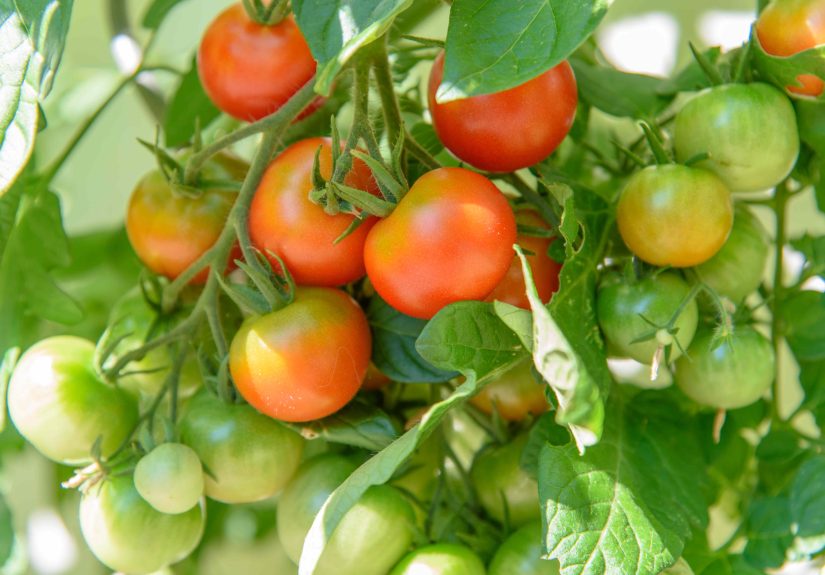
- 5) Tomatoes: “Pick Early” Depends on Stage and Variety
- 6) Peppers and Eggplant: Usually WaitBut Protect From Sunscald
- 7) Green Beans: Pick Young and Keep Them Coming
- 8) Root Crops (Carrots, Beets, Radishes): It Depends on Size and Stress
- 9) Melons and Watermelon: Don’t Harvest Early Unless You Must
- How to Protect Your Veggies If You Don’t Harvest Early
- Heat-Wave Harvesting Tips: Make the Most of What You Pick
- So… Should You Harvest Before a Heat Wave?
- Heat-Wave Harvest Diaries: Real-World Experiences Gardeners Share (Extra)
- Experience #1: “My lettuce went from salad to sadness overnight.”
- Experience #2: “I didn’t water enough, then I watered too much, and now everything is mad.”
- Experience #3: “My tomatoes stopped setting fruit, and I thought I did something wrong.”
- Experience #4: “My peppers got sunburned. Yes, peppers can sunburn.”
- Experience #5: “Zucchini is unstoppable… until it isn’t.”
- Conclusion
When a heat wave shows up on the forecast, it’s basically your garden texting you: “Hey bestie… we need to talk.” Extreme heat can turn crisp lettuce into a bitter soap opera, make tomatoes drop flowers like they’re unfollowing everyone, and push cucumbers into their “villain era.”
So, should you harvest your veggies before a heat wave? Sometimes yesabsolutely, grab your basket. Sometimes noleave them be, but protect them like you’re guarding the last ice cube on Earth. The best move depends on the crop, how close it is to maturity, and how long the heat is expected to stick around.
The Big Idea: Heat Waves Change What “Ready” Means
In normal weather, you can wait for peak ripeness, perfect size, and that “just one more day” glow-up. In a heat wave, plants prioritize survival over flavor and yield. That can mean:
- Bolting (leafy greens sending up flower stalks and turning bitter)
- Blossom drop (flowers aborting before they set fruit)
- Sunscald (fruit getting bleached, papery, or blistered by intense sun)
- Texture problems (tough beans, pithy radishes, woody greens)
- Water stress that can amplify cracking, bitterness, or misshapen fruit
Translation: a heat wave isn’t just “hot.” It’s a quality-control event. Sometimes harvesting early preserves taste and tenderness. Other times, early harvesting gives you underdeveloped produce that won’t improve off the plant.
Quick Answer: A Heat-Wave Harvest Decision Tree
Use this simple rule of thumb:
- Harvest BEFORE the heat if the veggie is:
- prone to bolting (lettuce, spinach, cilantro)
- best when tender (zucchini, cucumbers, green beans)
- able to ripen after picking (some tomatoes, some stone-hard fruits at “breaker/blush” stage)
- Harvest AS NEEDED (but protect plants) if the veggie is:
- already producing and benefits from frequent picking (summer squash, cucumbers, beans)
- likely to pause fruit set during heat but resume later (tomatoes, peppers, eggplant)
- Hold off and protect if the crop:
- needs full ripeness on the plant for best flavor (melons, many peppers if you want full color)
- stores well in the ground and isn’t at risk of rapid quality decline (many root crops, depending on size)
Crop-by-Crop: What Gardening Pros Recommend Before Extreme Heat
1) Leafy Greens and Tender Herbs: Harvest Early, Harvest Often
Cool-season crops are the first to throw in the trowel when temperatures spike. Lettuce, spinach, arugula, cilantro, and some Asian greens can bolt quickly under heat stressmeaning your salad turns into a bitter life lesson.
What to do:
- Pick a “salad sweep” the day before the heat: harvest heads or cut-and-come-again leaves.
- Prioritize the outer leaves first for plants you want to keep growing.
- Harvest early in the day so leaves are crisp and hydrated.
Bonus: If you’ve ever tasted heat-stressed greens, you know “wait and see” is a bold strategy. The forecast rarely negotiates.
2) Broccoli, Cauliflower, and Other Brassicas: Pick Before Quality Drops
Heat can reduce the quality of cool-loving brassicas. Heads can loosen, get “ricey,” or grow unevenly. If broccoli crowns are close to full size, harvesting before the heat can lock in better texture and shelf life.
- Harvest in the early morning when the crop is naturally cooler.
- Don’t wait for perfection if the head is near-ready and the heat is imminent.
3) Cucumbers: Pick Before They Get Bitter or Overgrown
Cucumbers love warmthbut heat waves plus uneven watering can push them toward bitterness. Also, cucumbers left too long get seedy and lose that fresh snap. A heat wave is a great time to pick smaller fruit more frequently.
- Harvest daily (or every other day) during peak production.
- Pick while firm and green (before yellowing).
- Keep watering consistent to reduce stress and improve flavor.
4) Zucchini and Summer Squash: Harvest Like It’s Your Job
Summer squash can size up fastespecially in hot weather. Oversized fruit can slow the plant down, because the plant “thinks” it has completed its mission. If you want more squash, you generally need to remove fruit promptly, even if you’re secretly hoping for a zucchini the size of a canoe.
- Harvest small and tender for best texture.
- Remove overgrown fruit to keep yield steady (even if you compost it).
- Avoid harvesting when vines are wet to reduce disease spread.
5) Tomatoes: “Pick Early” Depends on Stage and Variety
Tomatoes are dramatic in heat. Extended high temperatures can interfere with pollination and fruit set, which often shows up as blossom drop or a pause in new fruit forming. But tomatoes that already set fruit might still developjust more slowly.
When to harvest before a heat wave:
- Pick tomatoes that are at the “breaker” stage (just starting to show color). Many will finish ripening indoors, away from scorching sun.
- Harvest fully colored fruit that might crack or soften quickly in extreme heat.
When not to rush harvest:
- Very green, immature tomatoes usually won’t taste great if picked too early. If fruit is still small and hard-green, focus on protection instead.
Pro tip: Heat can also increase sunscald risk, especially if plants are pruned hard or leaves are sparse. If fruit is exposed, consider shade cloth instead of stripping foliage further.
6) Peppers and Eggplant: Usually WaitBut Protect From Sunscald
Peppers and eggplant are more heat-tolerant than lettuce or broccoli, and they generally need time on the plant to develop flavor and sweetnessespecially if you’re aiming for fully colored peppers.
The heat-wave risk here is less about “harvest immediately” and more about sunscald: fruit can get damaged when intense light hits it directly, particularly if foliage is thin.
- Don’t aggressively prune before or during heat waves.
- Use shade cloth if fruit is exposed and temperatures are extreme.
- Harvest peppers at usable size if the plant is overloaded and struggling, but don’t panic-pick everything green unless you need to.
7) Green Beans: Pick Young and Keep Them Coming
Beans can get tough quickly in heat, and older pods slow production. If pods are ready, harvesting before the hottest stretch protects tenderness and signals the plant to keep producing (assuming watering is consistent).
8) Root Crops (Carrots, Beets, Radishes): It Depends on Size and Stress
Many root crops can handle warm soil for a while, but quality can change with heat: radishes can get pithy or overly spicy, carrots can become less crisp if stressed, and beets can get woody if left too long.
- Harvest radishes before the heat if they’re near sizequality drops fast.
- Carrots and beets are more flexible; protect soil moisture and harvest as needed.
- Mulch matters here: cooler soil supports better texture.
9) Melons and Watermelon: Don’t Harvest Early Unless You Must
Melons generally don’t improve much after picking (and an underripe melon is a tragedy you can’t un-taste). Instead of harvesting early, focus on reducing stress:
- Maintain even moisture (not soggy, not bone-dry).
- Shade the plant canopy lightly if heat is extreme, but keep airflow.
- Leave fruit to ripen and harvest at typical ripeness cues for the variety.
How to Protect Your Veggies If You Don’t Harvest Early
Sometimes the best “harvest strategy” is a “survival strategy.” Gardening pros commonly emphasize the same core heat-wave tactics:
Use Shade Cloth (Correctly)
Shade cloth is one of the fastest ways to lower stress. A moderate shade level is often recommended for many vegetables, and it works best when suspended above plants so air can move freely. The goal is to reduce intensity, not trap heat.
- Choose moderate shade for most vegetables.
- Keep it off the foliage with hoops, stakes, or a frame.
- Prioritize airflow to avoid humidity-related disease problems.
Water Smarter, Not Harder
In extreme heat, watering mistakes get magnified. Shallow sprinkling can encourage shallow roots; overwatering can suffocate them. Many pros recommend focusing on deep, consistent moisture and timing watering to reduce evaporation.
- Water early so plants enter the hottest hours hydrated.
- Target the root zone with drip lines or slow soaking if possible.
- Check soil a few inches down instead of watering on a schedule alone.
Mulch Like You Mean It
Mulch is the garden’s temperature-stabilizing “lid.” A modest layer of organic mulch helps keep soil cooler, reduces evaporation, and protects roots during heat spikes.
- Apply a light-to-moderate layer of straw, shredded leaves, or similar mulch.
- Keep mulch pulled back from stems to reduce rot risk.
Skip These During a Heat Wave
Heat waves are not the moment for ambitious projects. Many experts advise against practices that pile stress on plants:
- Don’t fertilize heavily (especially nitrogen-heavy feeds).
- Don’t transplant unless it’s truly urgent.
- Don’t prune aggressivelymore leaf cover can protect fruit.
Heat-Wave Harvesting Tips: Make the Most of What You Pick
If you do harvest ahead of the heat, you’ll get the best results by treating produce like it’s already on a countdown timer. Heat speeds up respiration and wilting after harvest, so the goal is to cool things down quickly.
Harvest Timing
- Pick early in the morning when produce is naturally cool and crisp.
- Use shade in the field: keep a bucket or harvest bin out of direct sun.
- Handle gentlyheat-stressed produce bruises more easily.
Quick Cooling at Home
- Greens: rinse with cool water, dry well, and refrigerate promptly.
- Tomatoes: keep ripening fruit at room temperature; refrigerate only fully ripe tomatoes if you must.
- Herbs: treat like flowers (a little water, cool storage) or process into pesto/freezer cubes.
So… Should You Harvest Before a Heat Wave?
Here’s the balanced takeaway gardening pros tend to agree on:
- Yes, harvest ahead of extreme heat for leafy greens, tender herbs, broccoli that’s close, and fast-growing fruits like cucumbers and zucchini.
- Harvest selectively for tomatoes (especially those starting to color) and beans that are ready.
- Don’t panic-harvest peppers, eggplant, and melonsprotect them instead, and pick at normal ripeness cues.
Your best friend in a heat wave is flexibility: pick what will decline quickly, protect what needs time, and remember that the forecast is a strategy prompt, not a reason to despair-eat raw zucchini over the sink. (Unless that’s your thing.)
Heat-Wave Harvest Diaries: Real-World Experiences Gardeners Share (Extra)
Not everyone experiences heat the same wayArizona heat hits different than a humid Mid-Atlantic scorch, and a rooftop container garden behaves nothing like an in-ground bed with rich soil. But gardeners across the U.S. tend to report similar “aha” moments once a heat wave bulldozes through their growing season. Below are common experiences people share (and what they learned), written as a practical, reality-based add-on you can use immediately.
Experience #1: “My lettuce went from salad to sadness overnight.”
Gardeners often learn the hard way that leafy greens can look fine in the morning and taste like bitter regret two days later. The lesson most people take away: harvest greens before the heat, not during it. Even if leaves don’t visibly wilt, flavor can shift fast. Many folks switch to “baby leaf” harvestingtaking outer leaves frequentlyso plants don’t sit around getting stressed while waiting to become picture-perfect heads.
Experience #2: “I didn’t water enough, then I watered too much, and now everything is mad.”
Heat waves inspire panic watering. A common story: the soil dries out, plants droop, then the gardener floods the bed late in the day. The result can be split tomatoes, bitter cucumbers, and stressed roots. Gardeners who get through heat waves with less drama usually report the same habit shift: watering earlier, more slowly, and checking moisture below the surface. People also mention mulch as the “unsexy hero” that kept the root zone stable when the air felt like a hair dryer.
Experience #3: “My tomatoes stopped setting fruit, and I thought I did something wrong.”
This one is practically a rite of summer. Gardeners describe healthy tomato plants that suddenly drop blossoms during a string of hot days and warm nights. The most comforting (and useful) realization: it’s often a temperature/pollination issue, not a moral failure. The plants may resume fruit set once conditions improve. Meanwhile, many gardeners shift to harvesting any tomatoes that have started coloring before they get sunscalded or soften too quickly. Others learn to use light shade cloth during peak heatespecially on exposed bedswhile leaving foliage intact to protect fruit.
Experience #4: “My peppers got sunburned. Yes, peppers can sunburn.”
Many gardeners first notice sunscald as pale patches that turn papery or blistered on peppers (and sometimes eggplant and tomatoes). The common thread: fruit exposure. People often connect the dots after a well-intentioned pruning session or after a plant loses leaves to stress. What tends to work: keeping more leaf canopy (less pruning), adding shade during the hottest afternoons, and making sure plants aren’t underwatered. Some gardeners also start harvesting peppers once they’re full size if the plant is strugglingthen letting a smaller number of fruit mature to full color.
Experience #5: “Zucchini is unstoppable… until it isn’t.”
Summer squash can be wildly productive, and gardeners often joke that it multiplies when you’re not looking. During heat waves, though, people report two opposite problems: rapid growth (giant squash) and stalled production if plants get stressed or diseased. The consistent takeaway is surprisingly simple: harvest more often. Picking small and frequently keeps plants producing and prevents the “one huge fruit” from slowing everything down. Gardeners also mention being careful about harvesting when vines are wet (from irrigation or dew) because disease spreads more easily.
If you remember just one thing from these shared experiences, make it this: heat-wave gardening rewards early action and gentle consistency. Harvest the crops that decline quickly, protect the ones that need time, and keep the root zone steady with shade, mulch, and sensible watering. You’re not trying to “win” against summeryou’re trying to outsmart it.
Conclusion
Should you harvest your veggies before a heat wave? Often, yesespecially for leafy greens, tender herbs, broccoli nearing maturity, and fast-growing fruits like cucumbers and zucchini. For tomatoes, a selective harvest (especially fruit just starting to color) can protect quality, while peppers, eggplant, and melons usually benefit more from protection than panic-picking. Combine smart harvesting with shade, mulch, and consistent watering, and your garden can come out the other side still producingmaybe a little sun-tired, but not defeated.





 Close
Close