
Table of Contents >> Show >> Hide
- Understanding Daylilies Before You Grab the Pruners
- Should You Prune Daylilies in the Fall?
- Best Time to Cut Back Daylilies in Fall
- How to Prune Daylilies in the Fall
- Deadheading vs. Pruning: What Is the Difference?
- Will Fall Pruning Help Daylilies Bloom Better?
- When to Divide Daylilies for Better Blooms
- Fall Daylily Care Checklist
- Common Mistakes When Pruning Daylilies in Fall
- Special Considerations for Different Climates
- Real-World Experience: What Actually Helped My Daylilies Bloom Better
- Conclusion: Should You Prune Daylilies in the Fall?
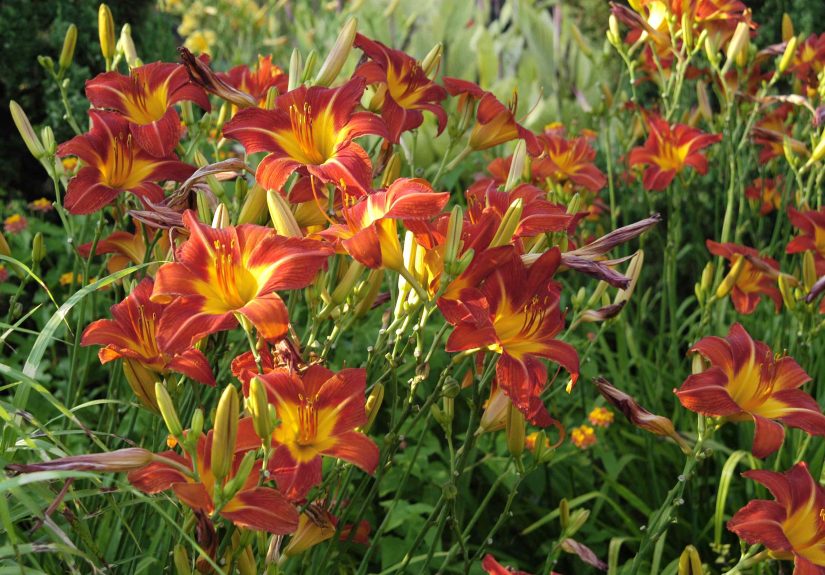
Daylilies are the laid-back friends of the perennial garden. They show up reliably, look good with very little fuss, tolerate heat like champions, and somehow forgive gardeners who forget a watering can exists. But when fall rolls in and those once-glossy leaves start looking like tired green spaghetti, the big question appears: Should you prune daylilies in the fall?
The short answer: yes, you can prune daylilies in the fall, but timing matters. The best approach is to wait until the foliage has yellowed, browned, or been knocked back by frost. Cutting too early can rob the plant of energy it is still moving down into its crown and roots. Cutting at the right time, however, keeps the garden tidy, reduces hiding places for pests and disease, and sets your plants up for stronger growth and better blooms next season.
This guide explains when to cut back daylilies, how low to prune them, what to leave alone, and which fall tasks actually improve next year’s flower show. Spoiler: the secret is not aggressive pruning. It is smart cleanup, good timing, and not treating every brown leaf like a botanical emergency.
Understanding Daylilies Before You Grab the Pruners
Daylilies, botanically known as Hemerocallis, are herbaceous perennials. That means the above-ground foliage naturally dies back in many climates, while the crown and roots stay alive underground and return in spring. They are not true lilies, and they do not grow from bulbs. Instead, they grow from crowns with fleshy roots that store water and nutrients.
Each daylily flower usually lasts only one day, which sounds dramatic until you realize a mature clump can produce many buds over several weeks. Some varieties bloom once in early or midsummer, while reblooming daylilies, such as popular yellow cultivars, may flower again if they are healthy and well maintained.
Because daylilies rely on their leaves to make food through photosynthesis, the foliage is more than decoration. Those leaves help recharge the plant after blooming. Cutting them down while they are still green and productive is like unplugging your phone at 12 percent and hoping it survives a road trip. It might, but it will not thank you.
Should You Prune Daylilies in the Fall?
Yes, fall pruning is helpful for many daylilies, especially in regions where the foliage dies back after frost. The goal is not to “force” more blooms in fall. Instead, fall pruning is mainly about cleanup, disease prevention, and preparing the plant for winter dormancy.
Wait until the leaves have turned yellow or brown, or until a hard frost has damaged the top growth. At that point, the plant has already pulled much of its usable energy back into the crown and roots. Removing the collapsed foliage will not hurt the plant and can make your garden look less like it hosted a salad-based wrestling match.
When You Should Not Cut Daylilies Back
Do not cut healthy, green foliage all the way to the ground in early fall. This is especially important if your plants finished blooming recently or if you grow reblooming varieties. Green leaves continue feeding the plant, and removing them too soon may reduce vigor, especially if the plant is young, stressed, newly divided, or growing in poor soil.
You can, however, remove individual yellow, brown, mushy, diseased, or torn leaves at any time. This kind of light grooming keeps the clump attractive without interrupting the plant’s energy-making process.
Best Time to Cut Back Daylilies in Fall
The best time to cut back daylilies is after the foliage naturally declines. In colder climates, this is usually after the first hard frost. In milder areas, the foliage may remain partly green into winter, so gardeners often wait until late winter or early spring to remove the old growth.
Here is a simple rule: if the leaves are mostly green, wait; if they are mostly brown, prune.
For many gardeners, the ideal window is late October through November, depending on the local climate. In the South or other warm regions, daylilies may behave as semi-evergreen plants. In that case, remove only dead or damaged foliage in fall and save major cleanup for early spring, before new flower stalks appear.
How to Prune Daylilies in the Fall
Pruning daylilies is not complicated, which is good news because nobody needs another garden chore that requires a manual, a diagram, and emotional support.
Step 1: Remove Spent Flower Stalks
After a daylily finishes blooming, the bare flower stalks, called scapes, can be cut down near the base. This can be done in summer or fall. Removing finished scapes keeps the plant neat and prevents it from spending energy on seed pods unless you intentionally want seeds for breeding or experimentation.
Use clean hand pruners and cut the scape close to the crown without slicing into the crown itself. If the scape is dry and pulls away easily, you can remove it by hand.
Step 2: Pull or Cut Dead Leaves
Once the foliage has browned, gather the leaves gently and cut them back to about 2 to 6 inches above the ground. Some gardeners cut daylilies nearly to ground level after frost, while others leave a short fan of stubble to mark the plant’s location. Leaving a small amount of foliage can be useful so you do not accidentally dig into the crown while planting tulips, garlic, or whatever else you bought “just to look at” and somehow brought home.
Step 3: Remove Debris From the Crown
Old leaves can collect around the crown. Pull away dead, slimy, or matted material so water does not sit against the plant. Good air circulation around the crown helps reduce rot problems, especially in wet winter areas.
Step 4: Dispose of Diseased Foliage
If the leaves show signs of disease, such as streaking, rust-colored marks, or suspicious spotting, do not compost them unless your compost pile gets hot enough to destroy pathogens. Bag and discard diseased foliage instead. Healthy daylily leaves can usually be composted.
Deadheading vs. Pruning: What Is the Difference?
Deadheading means removing spent flowers during bloom season. Pruning or cutting back usually refers to removing leaves, flower stalks, or the whole top of the plant later in the season.
Deadheading daylilies is optional but useful. Since each bloom lasts only a day, spent flowers can quickly make a clump look messy. Removing them prevents seed pod formation and helps the plant direct energy toward roots, crowns, and, in reblooming varieties, possibly more flowers.
For the cleanest look, pinch or snip off the spent flower, making sure you remove the whole faded bloom and not just the petals. Once every bud on a scape has bloomed, cut the entire scape down at the base.
Will Fall Pruning Help Daylilies Bloom Better?
Fall pruning alone will not magically create more blooms. Better flowers come from the complete care package: enough sunlight, consistent moisture, healthy soil, timely division, and sensible cleanup.
That said, fall pruning can support better blooms indirectly. Removing dead foliage reduces clutter, improves sanitation, and makes it easier to spot overcrowded clumps. It also gives you a clean start in spring, when new shoots emerge and the garden suddenly becomes a full-time job again.
For More Blooms, Focus on Sunlight
Daylilies bloom best in full sun, which generally means at least six hours of direct sunlight per day. They can tolerate part shade, but too much shade often results in fewer flowers and more leaves. If your daylilies are producing lush green foliage but not many blooms, look up. A nearby tree may have grown wider, a shrub may be casting afternoon shade, or your once-sunny bed may now be a leafy cave.
Water Matters More Than Many Gardeners Think
Daylilies are drought tolerant once established, but drought tolerance does not mean they bloom best while thirsty. Consistent moisture is especially important in spring when plants are forming scapes and buds, and again during the bloom period. About 1 inch of water per week is a useful target in many gardens, though sandy soils and hot weather may require more frequent watering.
Do Not Overdo Fertilizer
Daylilies are not heavy feeders in rich soil. Too much nitrogen can lead to big, leafy plants with disappointing bloom counts. If your plants look like they are auditioning to become ornamental grass but refuse to flower, excess nitrogen may be part of the problem.
A light application of compost in spring is often enough. If your soil is poor, use a balanced fertilizer according to label directions, preferably in spring as growth begins. Avoid pushing tender new growth with heavy fall fertilization, especially in cold-winter regions.
When to Divide Daylilies for Better Blooms
If your daylilies bloom less than they used to, the problem may not be pruning. It may be overcrowding. Mature clumps can become dense over time, with older material in the center and vigorous fans around the outside.
Most daylilies benefit from division every three to five years, though some can go much longer if they are blooming well. Reblooming varieties may need division more often to stay vigorous.
Signs Your Daylilies Need Dividing
- Fewer flowers than previous years
- Smaller blooms
- A crowded clump with a dead or weak center
- Leaves competing tightly for space
- Plants spreading beyond their intended area
How to Divide Daylilies in Fall
Late summer to early fall is a great time to divide daylilies in many regions because the weather is cooler and plants still have time to grow new roots before winter. Water the clump a day or two before digging if the soil is dry. Cut the foliage back to about 5 to 8 inches so the plant is easier to handle.
Dig around the clump with a garden fork or spade, lift the entire plant, and shake or rinse off excess soil. Pull the fans apart by hand, or use a clean knife for dense clumps. Each division should have healthy roots and at least two or three fans of leaves. Replant divisions at the same depth they were growing before, with the crown close to the soil surface. Water thoroughly after planting.
Do not panic if divided daylilies bloom lightly the next year. Some divisions need a season or two to settle in before they return to full flower power.
Fall Daylily Care Checklist
Pruning is only one part of fall care. For stronger daylilies and better blooms next season, use this practical checklist:
- Remove spent scapes: Cut flower stalks down after blooming ends.
- Wait on green leaves: Let healthy foliage keep feeding the crown.
- Cut back after frost: Once leaves are brown, trim them to a few inches above soil level.
- Clean the crown: Remove matted debris that can trap moisture.
- Divide crowded clumps: Replant healthy outer divisions and discard weak centers.
- Water new divisions: Keep soil evenly moist while roots establish.
- Mulch lightly: Add mulch after the soil cools, but avoid burying the crown.
- Skip heavy fall feeding: Save most fertilizing for spring.
Common Mistakes When Pruning Daylilies in Fall
Cutting Too Early
The most common mistake is cutting daylilies to the ground while the leaves are still green. This may make the bed look tidy, but it interrupts the plant’s natural storage process. Wait until foliage has yellowed, browned, or been damaged by frost.
Leaving Wet, Matted Leaves Around the Crown
Dead foliage can hold moisture against the crown. In wet climates, that can invite rot. A little dry mulch is helpful; a soggy blanket of decaying leaves pressed into the crown is not.
Ignoring Overcrowding
If a clump barely blooms, do not blame the pruners first. Crowded daylilies often need division. Fall cleanup is the perfect time to evaluate which clumps are still performing and which ones need a little garden surgery.
Using Dirty Tools
Clean pruners matter, especially if you are removing diseased foliage. Wipe blades with rubbing alcohol between questionable plants to reduce the chance of spreading disease.
Special Considerations for Different Climates
Cold-Winter Gardens
In colder regions, daylily foliage usually dies back fully after frost. Cut it back once it turns brown, then apply a light mulch layer after the ground begins to cool. Mulch helps reduce freeze-thaw cycles that can heave crowns out of the soil.
Mild-Winter Gardens
In mild climates, some daylilies stay semi-evergreen. Instead of cutting everything down in fall, remove dead, diseased, or unattractive leaves as needed. Do a more thorough cleanup in late winter or early spring before new flower stalks begin forming.
Wet-Winter Gardens
If winter is rainy, focus on drainage and airflow. Avoid piling mulch directly over the crown. Daylilies dislike soggy crowns, and even tough plants have limits. “Low maintenance” does not mean “happy in a swamp.”
Real-World Experience: What Actually Helped My Daylilies Bloom Better
In practice, the biggest improvement I have seen with daylilies did not come from one dramatic fall pruning session. It came from paying attention to the whole plant through the year. Daylilies are forgiving, but they are also honest. When they are happy, they bloom like they are trying to win a neighborhood popularity contest. When something is off, they usually tell you with fewer flowers, yellowing leaves, or a clump that looks crowded enough to need its own traffic signal.
One of the best lessons is to avoid rushing fall cleanup. Early in my gardening life, I used to cut back perennials the moment they looked messy. The garden looked cleaner, yes, but the daylilies did not always reward that impatience. Over time, I learned to let the green leaves stay until they faded naturally. Once the foliage turned yellow or brown, pruning felt less like stealing energy and more like clearing away an old stage set after the show was over.
Another useful experience is that deadheading makes a visible difference in tidy beds. With a few daylilies, removing spent blooms is easy. With a long border, it becomes a daily squat workout disguised as horticulture. Still, cutting finished scapes down to the base after bloom season keeps the plants looking fresh and prevents unnecessary seed pod formation. Reblooming varieties especially seem to appreciate this kind of attention.
Dividing overcrowded clumps has also made a major difference. A daylily clump can look impressive because it is large, but bigger is not always better. I have seen old clumps produce fewer flowers simply because the fans were packed too tightly. After division, the first season may be modest, but by the second year the plants often bloom with renewed energy. The outer divisions usually perform best, while the woody or exhausted center is better discarded.
Watering is another underrated factor. Daylilies survive dry spells, so it is easy to assume they do not need help. But survival and performance are not the same thing. During bud formation and bloom season, steady moisture can noticeably improve flower size and quantity. A plant that receives deep watering during dry weeks often looks stronger than one left to tough it out.
Finally, mulch helps, but only when used wisely. A light layer around the plant suppresses weeds and keeps soil moisture more consistent. However, mulch piled over the crown can create problems. The goal is to protect the roots, not tuck the crown into a damp winter sleeping bag. Once that balance is right, daylilies become exactly what gardeners love: durable, colorful, generous, and just fussy enough to keep us humble.
Conclusion: Should You Prune Daylilies in the Fall?
Yes, you should prune daylilies in the fall if the foliage has turned yellow, brown, or frost-damaged. Cut the leaves back to a few inches above the ground, remove spent flower stalks, clear debris from the crown, and discard diseased foliage. But do not rush the job. Healthy green leaves are still feeding the plant, and cutting them too early can weaken next year’s display.
For better blooms, pair fall cleanup with good growing habits: full sun, steady moisture, compost-rich soil, careful deadheading, and division when clumps become crowded. Daylilies may be famously easy, but a little thoughtful care turns “they survived” into “wow, where did all those flowers come from?”






 Close
Close