
Table of Contents >> Show >> Hide
- What “Expands Into Business Security” Actually Means
- Why Business Security Is Different From Home Security (Even If It’s the Same Building)
- The Headliners: Multi-User PINs, Roles, and “Who Did What?” Accountability
- Proactive Deterrence: From “Alarm Goes Off” to “Let’s Stop This Before It Gets Worse”
- How the Monitoring Tiers Map to Real Small Businesses
- Hardware Still Matters: The Right Sensors Beat “More Sensors”
- DIY vs. Pro Install: The Real Question Is Time
- Costs, Flexibility, and the “No Contract” Advantage
- Limitations: When SimpliSafe Might Not Be the Best Fit
- A Quick Setup Checklist (So You Don’t Accidentally Monitor the Coat Rack)
- Why This Move Matters: Consumer Tech Is Going Commercial
- Conclusion: A Business-Friendly Security Upgrade Without the Business-Unfriendly Baggage
- Experiences From the Field (Realistic Scenarios Small Businesses Recognize)
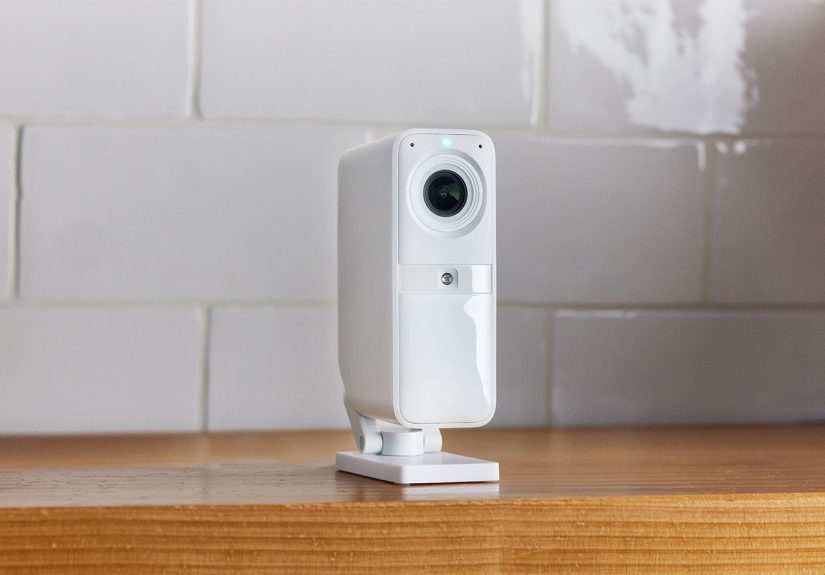
Running a business means you’re already doing twelve jobs at once: operator, accountant, HR, IT support, andif we’re being honestpart-time mind reader. The last thing you want to add is “night watchman who lives inside a security camera feed.”
That’s the promise behind SimpliSafe Business Security: take what made SimpliSafe popular in homes (DIY-friendly setup, flexible plans, no long contracts) and adapt it for real-world small business chaosemployees coming and going, multiple doors, unpredictable hours, and the occasional “who armed the system last night?!”
What “Expands Into Business Security” Actually Means
SimpliSafe didn’t just slap the word “commercial” on a box and call it a day. The business push comes with monitoring plans and features aimed at small and medium-sized businessesthink coffee shops, boutiques, small offices, studios, and restaurantsnot giant warehouses the size of a small moon.
The business lineup includes multiple monitoring tiers (often referenced as Standard, Core, Pro, and Pro Plus), built around 24/7 professional monitoring and a more business-ready way to manage access, cameras, and accountability.
Why Business Security Is Different From Home Security (Even If It’s the Same Building)
A home system usually has a simple reality: a small number of trusted people, predictable patterns, and one main goalprotect the household. A business has a different vibe:
- More doors, more risk: front entrance, back door, stockroom, side gate, receiving areaeach one is an opportunity.
- More users, less control: staff turnover happens, and “everyone uses the same code” is basically an invitation for trouble.
- Higher stakes: cash drawers, inventory, equipment, customer data, and liability all pile on top of each other.
- Weird hours: early deliveries, late closings, cleaning crewsyour building might be “closed,” but it’s rarely empty.
This is where SimpliSafe’s business-specific focus matters: it adds tools that help owners manage people, not just sensors.
The Headliners: Multi-User PINs, Roles, and “Who Did What?” Accountability
One of the biggest pain points for small businesses is access control without a full-blown enterprise badge system. SimpliSafe leans into this with multiple unique PINs (commonly described as up to 10) and role-based permissions for app access.
Why this is a big deal
If a system is armed late, disarmed early, or “mysteriously” left off during a weekend, you don’t want a vague shrug as your incident report. You want a clean answerwho disarmed it, and when.
For owners, this can turn security from a constant argument (“I swear I armed it!”) into an audit-friendly routine (“Cool, the log says it was disarmed at 6:12 p.m. by Staff PIN #4.”).
Proactive Deterrence: From “Alarm Goes Off” to “Let’s Stop This Before It Gets Worse”
Traditional alarms are often reactive: something happens, the siren blares, and everyone hopes help arrives fast. SimpliSafe’s newer approach leans more proactive, using a mix of AI-based detection and live monitoring agents.
Active Guard Outdoor Protection (AI + live agents)
With compatible outdoor cameras and the right monitoring tier, SimpliSafe can flag suspicious activity outside and route it to live agents. The agent can intervene using the cameraspeaking through it, triggering a siren, and activating a spotlight. In plain terms: it’s closer to “virtual guard” energy than “hope the alarm scares them off.”
Business plans are commonly described with options like overnight coverage (for businesses most vulnerable after hours) and 24/7 coverage for owners who want the full-time watch.
Intruder intervention via indoor camera during an alarm
For indoor events, some setups include an indoor camera that can support real-time intervention when an alarm triggersanother layer that can reduce the “alarm blaring to an empty room” problem.
Video verification for faster, clearer dispatch
Systems that can provide video evidence during an alarm can make emergency response more informed. Dispatchers don’t have to guess whether it’s a false alarm or a real break-inbecause there’s actual context.
How the Monitoring Tiers Map to Real Small Businesses
The easiest way to think about business monitoring is: how much help do you want when something happensand how quickly?
Standard/Core-style coverage: “I want professional monitoring, period.”
This tier is the foundation: professional monitoring that can request dispatch for emergencies like break-ins and certain hazards. It’s a solid fit for:
- Small offices with predictable hours
- Studios with minimal inventory
- Businesses in lower-risk areas that still want coverage
Pro-style coverage: “Nights are my weak spot.”
Many small businesses are most vulnerable when the lights are off. Pro-style plans often add overnight outdoor deterrence, which is perfect for:
- Cafés and restaurants (late-night foot traffic, back doors, deliveries)
- Retail stores (window shopping after hourssometimes the destructive kind)
- Studios with expensive gear (cameras, instruments, tools)
Pro Plus-style coverage: “If something weird happens at 2 p.m., I want eyes on it.”
For businesses with all-day exposurebusy storefronts, high-value inventory, or repeated incidents24/7 outdoor deterrence can be the peace-of-mind pick.
Hardware Still Matters: The Right Sensors Beat “More Sensors”
Business security isn’t about turning your shop into a sci-fi hallway of lasers. It’s about covering the most likely paths: doors, windows, glass, and the areas that matter most.
A practical small-business setup might include
- Entry sensors for front/back doors and any accessible windows
- Motion sensors aimed at the main walkway (not the ceiling fan that moves like it’s auditioning for a horror movie)
- Glassbreak sensors for storefront windows
- Indoor/outdoor cameras positioned for faces and approaches, not just “a beautiful shot of the sidewalk”
- Panic button where staff can reach it quickly (under-counter is a classic for a reason)
- Environmental monitoring for issues like leaks or extreme temperatures, depending on the business
The goal is coverage that matches your layout and your risksbecause “I bought the biggest kit” isn’t a strategy. It’s retail therapy.
DIY vs. Pro Install: The Real Question Is Time
SimpliSafe built its reputation on DIY installation, and that still matters for small businesses that can’t pause operations for a complicated setup. Many owners like being able to start small, then expandadd a camera here, a sensor therewithout redoing everything.
If you’re short on time (or patience), professional installation can be an option. Either way, the value is in flexibility: you’re not forced into the “three-year contract + mystery fees” universe that traditional commercial systems are known for.
Costs, Flexibility, and the “No Contract” Advantage
Traditional commercial security often comes with long agreements and steep pricing structures. SimpliSafe’s business positioning is different: monthly monitoring with the ability to change or cancel, and hardware you can tailor to your budget.
Pricing varies by plan and features, but business monitoring is commonly positioned with an entry-level tier around the mid-$20s/month range, then stepping up as you add video features and proactive outdoor deterrence.
Translation: you can start with “I need professional monitoring” and grow into “I want proactive deterrence” without rewriting your business plan.
Limitations: When SimpliSafe Might Not Be the Best Fit
SimpliSafe Business Security is designed for smaller footprints and simpler operations. You may want a more traditional commercial provider if you need:
- Enterprise-grade access control (badges, complex door schedules, deep integrations)
- Highly customized multi-site monitoring across many locations
- Specialized compliance requirements that demand specific certified hardware and documentation
- Large facilities well beyond a typical small business footprint
The sweet spot is the owner-operated world: businesses that need real protection, smarter monitoring, and better control over staff accesswithout becoming a security systems administrator.
A Quick Setup Checklist (So You Don’t Accidentally Monitor the Coat Rack)
- Map your “must-protect” zones: entrances, register area, stockroom, and any side doors.
- Assign unique PINs: no more “everyone uses 1234,” unless your goal is chaos.
- Use roles wisely: owners/admins get full access; staff get only what they need.
- Place cameras for identification: capture faces and approaches, not just wide scenery shots.
- Test after-hours routines: closing checklist should include arming verification.
- Review alerts weekly: catch patterns early (false alarms, door left open, etc.).
Why This Move Matters: Consumer Tech Is Going Commercial
SimpliSafe’s expansion is part of a bigger trend: the tools once reserved for larger companiesvideo verification, AI filtering, remote dashboards, and proactive deterrenceare moving downstream to small businesses.
For owners, that’s a win. It means business security doesn’t have to be an all-or-nothing leap into expensive commercial systems. It can be incremental, affordable, and still legitimately capable.
Conclusion: A Business-Friendly Security Upgrade Without the Business-Unfriendly Baggage
SimpliSafe expanding into business security isn’t just a new marketing pageit’s a shift toward the realities of small business operations: employee access, accountability, flexible monitoring, and proactive deterrence that can help stop problems earlier.
If your business fits the “small to mid-sized” profile and you want a system that’s easier to run than a spaceship, SimpliSafe Business Security is worth a serious lookespecially if you’ve been avoiding traditional commercial alarms because of contracts, complexity, or cost.
Experiences From the Field (Realistic Scenarios Small Businesses Recognize)
The most useful way to understand SimpliSafe’s business expansion is to picture it in the moments that actually happenwhen you’re not sitting at a desk, calmly comparing spec sheets like it’s a hobby. Below are realistic, small-business-style scenarios that reflect how owners typically use features like multi-user PINs, camera monitoring, and proactive outdoor deterrence.
1) The Coffee Shop Closing Rush: “Who Armed It?”
It’s 8:47 p.m. The espresso machine is finally quiet. Your closer is sweeping, someone’s taking out trash, and one last customer is “just finishing up” (for the past 12 minutes). In the old world, the shop’s alarm code is shared, written on a sticky note, and everyone swears they armed it. In the business-ready world, each staff member uses their own PIN. The owner can quickly confirm the system was armed, and if it wasn’t, it’s obvious who disarmed it and when. This doesn’t just reduce riskit reduces staff friction, because the security routine becomes a checklist item, not a recurring argument.
2) The Boutique With a Back Door Problem: Overnight Deterrence That Actually Deters
A clothing boutique is charminguntil someone discovers the back alley is quiet and the delivery door is a tempting target. With outdoor cameras and a monitoring tier that supports proactive deterrence, suspicious motion outside after hours can trigger a quicker response than “alarm goes off eventually.” A live agent can intervene through the cameraspeaking, triggering the siren, shining a spotlightbefore the situation escalates. Even when nothing is stolen, the psychological effect matters: the business doesn’t feel like an easy win. Owners often describe this as the difference between “hoping the alarm is scary” and “knowing someone can actively respond.”
3) The Small Office With Weekend Contractors: Access Without Overexposure
A professional office hires weekend cleaners and occasional maintenance contractors. The challenge: you want them to access the building, but you don’t want them to have the same level of control as a manager. Role-based app permissions and unique PINs make that cleaner. Staff can be granted the minimum access needed, then removed without changing the entire system’s routine. When something triggers an alert, owners can review what happened with clearer contextrather than relying on secondhand explanations like “I think the door was open? Maybe?” For small businesses without dedicated facilities staff, this type of controlled access is often the difference between “secure” and “secure-ish.”
4) The Restaurant With a Walk-In Fridge: Not Everything Is a Break-In
Restaurants and food businesses don’t just worry about intruders; they worry about the expensive, quietly disastrous problemslike a leak, a temperature issue, or a door that didn’t seal properly. Environmental monitoring (where configured) can provide alerts that help owners respond before a small issue becomes a costly one. In practice, owners often appreciate that “security” isn’t treated as only crime-related. It’s risk-related. And small businesses live and die by risk management: one big loss can undo a month of good work. While no system replaces good operations, getting timely alerts can help reduce the damage when reality happens.
These experiences share a theme: small business security works best when it fits the way the business actually runsbusy, human, sometimes messy and still deserving of serious protection. SimpliSafe’s move into business security aims to meet owners where they are: short on time, long on responsibility, and very interested in systems that protect without becoming a second job.





 Close
Close