
Table of Contents >> Show >> Hide
- Why Skillet Lasagna Works (The Delicious Science)
- Skillet Lasagna Recipe (Classic Meat Version)
- Time, Yield, and Gear
- Ingredients
- Step-by-Step Instructions
- 1) Build the flavor base
- 2) Brown the meat (don’t just gray it)
- 3) Add tomato paste for “slow-cooked” vibes
- 4) Sauce + liquid = noodle-cooking fuel
- 5) Add noodles and simmer (covered!)
- 6) Mix the ricotta layer (aka the creamy surprise)
- 7) Dollop, don’t spread
- 8) Melt the cheese (two options)
- 9) Rest, then serve
- Flavor Upgrades (Without Making It Complicated)
- Easy Variations
- Common Problems (And the Fixes)
- Make-Ahead, Storage, and Leftovers
- Skillet Lasagna FAQ
- Conclusion: Lasagna Energy, Weeknight Reality
- Extra: Real-World Skillet Lasagna Experiences (The Stuff Recipes Don’t Always Tell You)
Traditional lasagna is a beautiful thinglayers of noodles, sauce, cheese, and the vague sense that you should’ve started dinner sometime before lunch. Skillet lasagna is the same cozy, saucy, cheesy vibe… but it’s faster, mess-free-ish, and doesn’t require a baking dish the size of a small canoe.
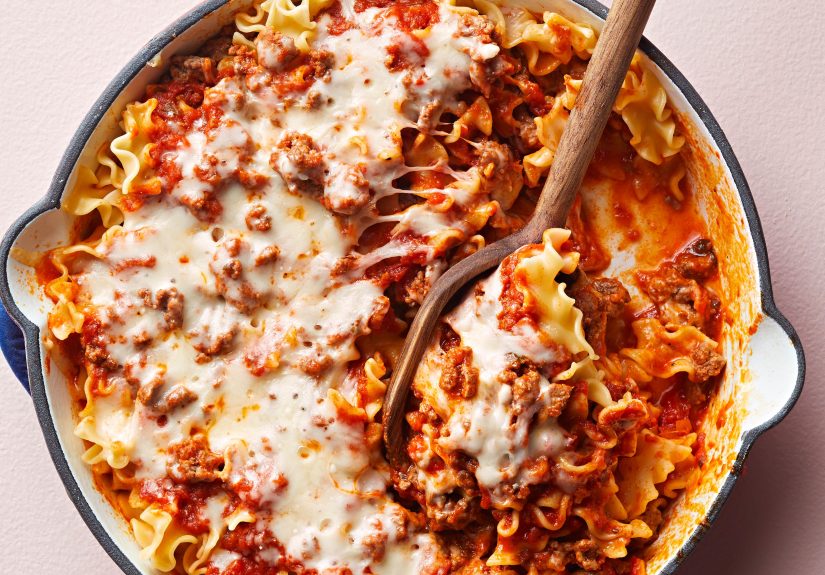
This skillet lasagna recipe delivers those classic Italian-American flavors using one pan on the stovetop (with an optional broil finish if you want that golden “look-at-me” cheese top). It’s perfect for weeknights, small kitchens, camping-adjacent cravings, and anyone who thinks washing extra pots is a personal attack.
Why Skillet Lasagna Works (The Delicious Science)
Skillet lasagna is basically lasagna’s practical cousin who shows up in sneakers and still looks great in photos. Instead of layering long sheets, you:
- Break the noodles into pieces so they cook evenly in sauce.
- Simmer pasta directly in the sauce, which means the noodles absorb flavor as they soften.
- Create “pockets” of ricotta by dolloping a cheese mixture on top (so every scoop gets creamy payoff).
- Melt mozzarella at the end for that stretchy, dinner-table applause moment.
The key is managing moisture: you need enough liquid for the noodles to cook, but not so much that you end up with “tomato soup with pasta feelings.” We’ll nail that balance.
Skillet Lasagna Recipe (Classic Meat Version)
Time, Yield, and Gear
- Total time: ~40–50 minutes
- Serves: 4–6 (depending on how dramatic everyone is about seconds)
- Best pan: 12-inch deep skillet or high-sided sauté pan with a lid (cast iron or heavy nonstick both work)
Ingredients
Tip: This recipe is flexible. Use what you’ve got, but keep the noodle-to-liquid ratio in the same universe.
- 1–2 tablespoons olive oil
- 1 small onion, finely chopped
- 3–4 cloves garlic, minced
- 1 pound ground beef or Italian sausage (or a 50/50 mix)
- 2 tablespoons tomato paste (optional, but adds deeper flavor)
- 1 teaspoon dried oregano
- 1 teaspoon dried basil (or Italian seasoning)
- Pinch of red pepper flakes (optional)
- 1 jar marinara sauce (24–25 ounces) or 3 cups good-quality sauce
- 1 1/2 to 2 cups water or low-sodium broth (start with 1 1/2 cups; add more if needed)
- 8 ounces lasagna noodles, broken into 2-inch pieces (about 8–10 noodles)
- 1 cup ricotta (whole milk for max comfort)
- 1 egg (optional, helps ricotta set into creamy pockets)
- 1/2 cup grated Parmesan, plus more for serving
- 2 cups shredded mozzarella (whole milk melts best)
- Salt and black pepper
- Fresh basil or parsley for finishing (optional but highly recommended for “I cook” energy)
Step-by-Step Instructions
1) Build the flavor base
Heat olive oil in your skillet over medium heat. Add onion with a pinch of salt and cook until softened, 3–5 minutes. Add garlic and cook 30 secondsjust until fragrant (not until it smells like regret).
2) Brown the meat (don’t just gray it)
Add ground meat. Cook until browned, breaking it up into small pieces. If there’s a lot of fat, spoon off somebut leave a little for flavor. Season with salt, pepper, oregano, basil, and red pepper flakes.
3) Add tomato paste for “slow-cooked” vibes
Stir in tomato paste (if using) and cook 1–2 minutes. This caramelizes slightly and makes the sauce taste like it had more time than it actually did.
4) Sauce + liquid = noodle-cooking fuel
Pour in marinara and 1 1/2 cups water or broth. Stir well, scraping up any browned bits from the bottom. Bring to a gentle boil.
5) Add noodles and simmer (covered!)
Stir in broken lasagna noodles, making sure they’re mostly submerged. Reduce heat to medium-low, cover, and simmer 15–20 minutes, stirring every few minutes to prevent sticking.
How to know it’s ready: noodles are tender and the sauce is thick (think “scoopable,” not “pourable”). If noodles are still firm, add a splash of water and keep simmering.
6) Mix the ricotta layer (aka the creamy surprise)
In a bowl, stir ricotta with Parmesan and egg (if using). Add a pinch of salt and pepper. Want a subtle “restaurant” note? Add a tiny pinch of nutmegit won’t taste like eggnog; it just makes the cheese taste richer and warmer.
7) Dollop, don’t spread
Turn heat to low. Dollop ricotta mixture all over the top in spoonfulsthis creates those iconic lasagna pockets. Sprinkle mozzarella over everything.
8) Melt the cheese (two options)
- Stovetop method: Cover and cook 3–5 minutes until mozzarella is melted.
- Broiler method (best top): If your skillet is oven-safe, broil 2–4 minutes until bubbly and lightly browned. Watch it closelybroilers go from “golden” to “we need a fire extinguisher” fast.
9) Rest, then serve
Let the skillet lasagna rest 5–10 minutes. This helps it set so you get satisfying scoops instead of a saucy landslide. Finish with fresh basil and extra Parmesan.
Flavor Upgrades (Without Making It Complicated)
- Umami boost: Add 1–2 teaspoons Worcestershire or a tiny splash of soy sauce to the meat while browning (sounds odd, tastes fantastic).
- Wine moment: Deglaze the browned meat with 1/4 cup red wine before adding marinara for deeper bolognese energy.
- Heat + tang: Stir in a spoonful of Calabrian chili paste or a pinch more red pepper flakes.
- Herby cheese: Mix chopped basil or parsley into the ricotta mixture.
- More vegetables: Add chopped mushrooms, zucchini, or bell pepper with the onion; stir in spinach near the end.
Easy Variations
Vegetarian Skillet Lasagna
Skip meat. Sauté mushrooms until browned, add garlic, then stir in marinara. Add frozen spinach (thawed and squeezed dry) or fresh spinach at the end. Use the same noodle and cheese method. This version is hearty enough that nobody will miss the meatunless someone is committed to missing it on principle.
Sausage Skillet Lasagna
Use Italian sausage for built-in seasoning. If your marinara is mild, sausage brings the party. Add fennel seed (a pinch) if you want extra “Italian deli” vibes.
Chicken Skillet Lasagna Shortcut
Use shredded rotisserie chicken. Add it after the sauce warms, then simmer noodles as usual. Great when you want lasagna but also want to keep your life moving.
Gluten-Free Version
Use gluten-free lasagna noodles (broken up). They often need a little more liquid and gentle stirring to avoid breaking too much. Add extra water in small splashes as needed.
Dairy-Free Version
Use plant-based ricotta and mozzarella alternatives. Choose brands that melt well, and finish with a lid-on melt rather than broiling (some dairy-free cheeses brown differently).
Common Problems (And the Fixes)
“My noodles are still crunchy.”
They need more liquid and time. Add 1/4 cup water, cover, and simmer another 3–5 minutes. Stir gently so noodles don’t glue themselves to the bottom.
“It’s watery.”
Uncover and simmer a few minutes to reduce. Also, remember ricotta releases some moistureresting helps it thicken up.
“It’s sticking/burning on the bottom.”
Lower heat and stir more often, especially early on. A heavy skillet holds heat; your sauce shouldn’t be furiously boilingthink “lazy bubble.”
“The top cheese melted, but it’s not browned.”
That’s normal on the stovetop. If you want browning, broil briefly in an oven-safe skillet or use a kitchen torch if you’re feeling like a culinary wizard.
Make-Ahead, Storage, and Leftovers
- Make-ahead: Cook the sauce and meat earlier, then reheat and simmer noodles fresh when ready to eat.
- Store: Refrigerate in an airtight container up to 3–4 days.
- Reheat: Add a splash of water or sauce and warm gently on the stovetop, covered, or microwave in intervals. The noodles drink sauce overnight like they’re training for a marathon.
- Freeze: Freezes okay, though noodle texture softens. Freeze in portions for best results.
Skillet Lasagna FAQ
Do I have to use no-boil noodles?
No. Regular lasagna noodles work great broken into pieces, as long as you simmer them covered with enough liquid. No-boil noodles can be convenient, but they also vary by brand, so you may need to tweak the liquid.
Can I use cottage cheese instead of ricotta?
Absolutely. It’s a classic swap in many American kitchens. For a smoother texture, blend it briefly or choose small-curd cottage cheese.
How do I keep it from tasting “jar-sauce-y”?
Brown the meat well, use tomato paste, and add one or two flavor builders: a splash of broth, a pinch of red pepper flakes, a little Parmesan in the sauce, or fresh herbs at the end.
What’s the best skillet for this?
A deep 12-inch skillet with a lid is ideal so the noodles have room and you can stir without launching sauce onto your stovetop like modern art. Cast iron works beautifully if it’s well-seasoned and you don’t mind the weight.
Conclusion: Lasagna Energy, Weeknight Reality
This skillet lasagna recipe gives you everything you love about classic lasagnasavory sauce, tender noodles, creamy ricotta pockets, and melty mozzarellawithout the full “kitchen project” experience. It’s flexible, forgiving, and basically guaranteed to make your home smell like someone has their life together (even if the laundry pile says otherwise).
Extra: Real-World Skillet Lasagna Experiences (The Stuff Recipes Don’t Always Tell You)
Skillet lasagna has a way of becoming a “default favorite” because it fits real life. You know the moment: it’s a weeknight, you’re hungry, and the idea of building perfect layers in a baking dish feels like signing up for unpaid overtime. Skillet lasagna swoops in like, “Hey, what if we just made dinner work?”
One of the most satisfying parts is the soundtrack of the process. The sizzle when onions hit oil. The deeper crackle when the meat browns properly (not steams). The soft plop-plop of sauce going in, followed by that first gentle bubble as everything comes to a simmer. It’s a recipe that rewards you with sensory cues, which is great when you’re cooking half by instinct and half by “I swear this will be fine.”
Then there’s the noodle momentbreaking lasagna sheets into pieces feels mildly rebellious, like you’re cheating on tradition, but it’s also strangely freeing. You don’t have to treat noodles like delicate sheets of priceless parchment. You just snap them, scatter them, stir them, and let them do their thing. If you’ve ever boiled lasagna noodles and ended up with slippery pasta ribbons fused together like a single lasagna mega-blanket, this feels like sweet revenge.
Skillet lasagna also shines in the “feeding people” category. It’s the kind of dish you can set in the middle of the table and let everyone scoop their own portion, which instantly makes dinner feel casual and communal. And because it’s scoopable, it’s perfect for households where someone wants extra cheese, someone wants extra sauce, and someone wants to pretend they’re only having a small portion (until the skillet is mysteriously half-empty).
Leftovers have their own personality, too. The next day, skillet lasagna often tastes even better because the flavors have had time to mingle. The noodles absorb sauce overnight, thickening everything into a more cohesive, almost casserole-like texture. The trick is reheating gently with a splash of water or marinara, so you revive the creaminess without drying it out. If you reheat it too aggressively, the cheese can tighten upstill tasty, just less luxurious.
And let’s talk about the “I only have what’s in the fridge” situations. Skillet lasagna is ridiculously adaptable: swap beef for turkey, add mushrooms that need to be used, stir in spinach that’s one day away from “science experiment,” or use cottage cheese when ricotta isn’t around. You still get the core lasagna experience because the structure is what matters: a rich tomato base, pasta cooked in sauce, and creamy cheese pockets. That’s why it becomes a repeat recipebecause it doesn’t punish you for being a normal person with a normal pantry.
Most of all, skillet lasagna is the kind of food that makes a regular night feel like a win. It’s comfort food with practical shoes on: still cozy, still cheesy, still worth the carbsjust less complicated and a lot easier to love on a Tuesday.






 Close
Close