
Table of Contents >> Show >> Hide
- What “diabetes-friendly smoothie” actually means
- Low GI vs. low GL: the simple explanation (and why it matters in smoothies)
- The “steady-sugar smoothie” blueprint
- Low-GI ingredient picks for diabetes-friendly smoothies
- Common smoothie “gotchas” that spike carbs fast
- 6 low-GI smoothie ideas (with practical portion notes)
- Tips to make smoothies work with your day (and your glucose)
- Benefits of diabetes-friendly smoothies (when built well)
- Important cautions (because real life has fine print)
- Real-world smoothie experiences (the good, the messy, and the “why is this 900 calories?”)
- Conclusion
Smoothies can be either a blood-sugar-friendly powerhouse… or a sneaky dessert wearing athleisure.
The difference usually isn’t the blender. It’s the ingredient math: how much carbohydrate you pour in,
whether you balance it with protein/fiber/fat, and what “healthy” add-ons quietly turn into a sugar parade.
This guide breaks down how to build diabetes-friendly smoothies with a low-glycemic approach, smart portions,
and practical recipes. It’s general educationnot personal medical advice. If you use insulin or meds that can
cause low blood sugar, or you have kidney issues or other conditions, check in with your clinician or a registered
dietitian for personalized guidance.
What “diabetes-friendly smoothie” actually means
A diabetes-friendly smoothie isn’t automatically “low sugar” or “no fruit.” It’s a smoothie that helps you:
(1) keep carbohydrates in a range that fits your plan, (2) avoid rapid spikes by using lower-GI choices and
balancing macros, and (3) get real nutritionfiber, protein, and micronutrientsinstead of “liquid calories.”
In real life, that usually means: whole fruit (not juice), plenty of fiber-rich plants, a protein anchor,
and a small amount of healthy fatplus realistic portions. The goal is steadier energy and a gentler blood sugar
curve, not a joyless mug of blended lawn clippings.
Low GI vs. low GL: the simple explanation (and why it matters in smoothies)
The glycemic index (GI) ranks carbohydrate foods by how quickly they raise blood sugar compared with glucose.
Lower GI foods generally lead to a slower rise. Glycemic load (GL) adds portion size to the equationbecause
the amount you eat matters just as much as the type of carb.
Smoothies are a perfect “GI vs. GL” lesson: you can blend a low-GI fruit, but if you use a huge amount, you may still
end up with a high total carb load. On the flip side, some foods look scary by GI alone, but the typical portion has a
smaller real-world impactespecially when paired with protein/fat/fiber.
One more nuance: blending can make foods easier to consume quickly, which can matter for blood sugar response. You don’t
need to fear smoothiesyou just want them built like a balanced meal or snack, not a drinkable fruit bowl the size of your head.
The “steady-sugar smoothie” blueprint
Use this as a flexible formula. It’s not a rigid templatemore like guardrails that keep your smoothie from drifting into milkshake territory.
1) Start with an unsweetened liquid
- Best picks: water, unsweetened almond/soy milk, plain low-fat milk, or unsweetened kefir.
- Limit: fruit juice, sweetened plant milks, sweetened coffee creamers, “vitamin waters,” and anything with added sugar.
2) Choose a measured amount of fruit (yes, fruit is allowed)
Fruit contains carbohydrate, but it also brings fiber, potassium, vitamin C, polyphenols, andmost importantlyjoy.
The key is portion awareness. A common carb-counting rule of thumb is that a small piece of whole fruit or about 1/2 cup
of frozen/canned fruit lands around one “carb choice” (often ~15 g of carbs), while fruit juice reaches that carb level in a much smaller volume.
Translation: whole fruit gives you more “food” for the carb.
3) Add non-starchy vegetables for volume and nutrients
This is the easiest “cheat code” for better smoothies: add spinach, kale, cucumber, zucchini, or even riced cauliflower.
These boost vitamins and minerals while keeping carbs relatively modest.
4) Anchor with protein
Protein helps slow digestion and increases fullnesstwo things your blood sugar and your afternoon snack cravings will appreciate.
Great smoothie proteins include plain Greek yogurt, cottage cheese, silken tofu, soy milk, or an unsweetened protein powder.
5) Finish with fiber and healthy fats (small amounts, big impact)
Soluble fiber forms a gel-like substance that slows digestion, which can help blunt post-meal rises. Easy adds:
chia seeds, ground flaxseed, oats, nut butter, and avocado. Healthy fats also help with satietyjust keep portions
reasonable because calories add up fast when your “tablespoon” becomes a “free-pour situation.”
Low-GI ingredient picks for diabetes-friendly smoothies
Fruits that often work well (especially in measured portions)
- Berries: strawberries, blueberries, raspberries, blackberries (fiber-rich and naturally flavorful).
- Cherries: tart or sweet (watch portions; still a carb food).
- Apples and pears: especially with skin; pair beautifully with cinnamon.
- Citrus: oranges or grapefruit segments (whole fruit tends to be more balanced than juice).
- Peaches/plums: often moderate when portioned; great with yogurt.
Fruits that can be trickier for some people (mainly because they’re easy to over-portion) include bananas, mango, pineapple,
and large amounts of grapes. They’re not “bad”they’re just easier to accidentally turn into a high-carb smoothie.
If you love them, use a smaller amount and balance aggressively with protein/fiber.
Veggies that blend surprisingly well
- Baby spinach (the classic “I swear you can’t taste it” option)
- Kale (stronger flavoruse less at first)
- Cucumber (fresh and light)
- Zucchini (great for thickness when frozen)
- Riced cauliflower (adds creaminess; virtually disappears under berries)
Protein options
- Plain Greek yogurt or skyr (choose unsweetened)
- Unsweetened kefir
- Silken tofu (neutral, creamy, and dairy-free)
- Unsweetened soy milk (higher protein than many plant milks)
- Unflavored or lightly sweetened protein powder (check label for added sugars)
Fiber + healthy fat boosters
- Chia seeds (thickens after a few minutes)
- Ground flaxseed (nutty flavor; easy fiber add)
- Nut butter (peanut, almond, cashew1 tbsp is usually plenty)
- Avocado (creamy texture + unsaturated fats)
- Rolled oats (adds body and fiber; start with 1–2 tbsp)
Common smoothie “gotchas” that spike carbs fast
- Fruit juice as a base: it concentrates sugar and removes most fiber. Whole fruit is typically a better bet.
- Sweetened yogurt: flavored yogurts can add a lot of added sugar; pick plain and sweeten with cinnamon/vanilla extract/berries.
- Honey, agave, syrups, dates: tasty, but they’re still concentrated sugar. Use sparingly, if at all.
- “Healthy” granola: can be sugar + starch in disguise. If you want crunch, try chia, flax, or a few nuts.
- Gigantic portions: even a well-built smoothie can become a carb bomb if it’s served in a container designed for aquarium fish.
Quick label tip: “Added sugars” can include sugars from concentrated fruit or vegetable juices used beyond what you’d expect from the same volume of 100% juice.
So a product can look fruity and wholesome while still stacking up added sugar.
6 low-GI smoothie ideas (with practical portion notes)
These recipes are designed as snack-to-light-meal smoothies. Carbs vary by brand and portion, so consider these
estimates and adjust based on your plan and your glucose response.
1) Berry-Greens “I Promise It’s Not a Salad” Smoothie
- 1 cup unsweetened almond or soy milk
- 3/4 cup mixed berries (fresh or frozen)
- 1–2 cups baby spinach
- 3/4 cup plain Greek yogurt (or silken tofu)
- 1 tbsp chia seeds
- Ice + cinnamon
Why it works: berries + greens keep carbs reasonable, while yogurt and chia slow the ride.
2) Apple Pie Protein Smoothie
- 1 cup unsweetened milk of choice
- 1 small apple (or ~1/2–3/4 cup chopped), skin on
- 1/2 cup plain Greek yogurt or cottage cheese
- 1 tbsp almond butter
- 1–2 tsp cinnamon + a tiny pinch of salt
- Optional: 1 tbsp oats for extra thickness
Why it works: apple fiber + protein + fat = “dessert vibes” with steadier energy.
3) Citrus Cream Smoothie (No Juice Needed)
- 1 peeled orange (or orange segments)
- 1/2 cup plain Greek yogurt
- 1/2 cup frozen cauliflower rice (trust the process)
- 1 tbsp ground flaxseed
- Water/ice as needed
- Optional: vanilla extract
Why it works: you get citrus flavor with fiber and proteinwithout the juice “sugar rush.”
4) Chocolate-Peanut “Not a Milkshake” Smoothie
- 1 cup unsweetened soy milk
- 1/2 frozen banana (yes, halfbanana is strong)
- 1 tbsp natural peanut butter
- 1 tbsp chia or flax
- 1 tbsp unsweetened cocoa powder
- Optional: unflavored protein powder
Why it works: cocoa adds richness without sugar; peanut butter and seeds slow absorption.
5) Strawberry-Kefir “Gut-Friendly” Smoothie
- 1 cup plain, unsweetened kefir
- 3/4 cup strawberries
- 1 tbsp chia seeds
- Handful of spinach (optional)
- Ice
Why it works: kefir provides protein; strawberries keep it bright and lower on the glycemic side for many people.
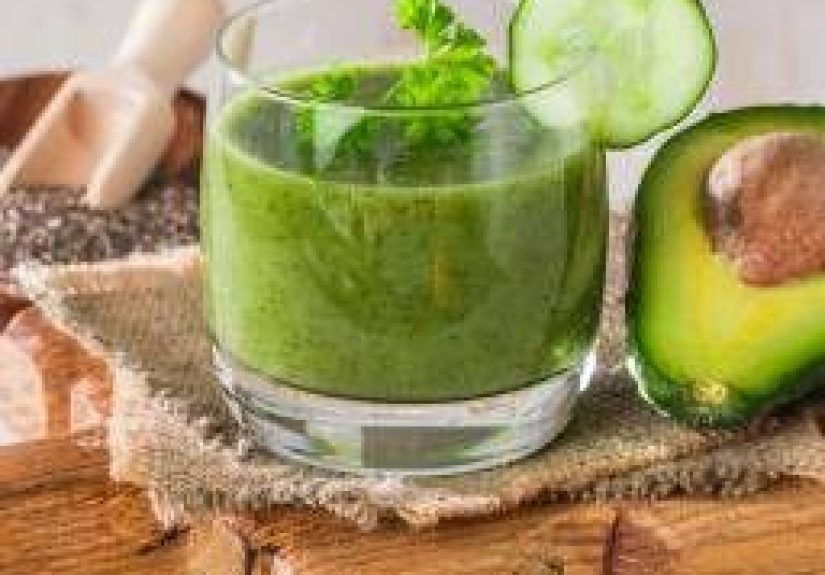
6) Savory-leaning Green Smoothie (For People Who Hate “Sweet Drinks”)
- 1 cup water or unsweetened milk
- 1–2 cups cucumber + spinach
- 1/2 avocado
- 1/2 cup plain Greek yogurt or silken tofu
- Lime juice, mint, pinch of salt
Why it works: very low “sweetness,” lots of volume, and satisfying fat/protein.
Tips to make smoothies work with your day (and your glucose)
Use the “plate method” mindsetjust in a cup
The diabetes plate method emphasizes non-starchy vegetables, lean protein, and a measured portion of carb foods.
A smoothie can follow the same spirit: veggies + protein + controlled fruit/starch.
Decide: snack smoothie or meal smoothie
- Snack: keep fruit smaller, focus on protein + fiber (often more satisfying).
- Meal: include more protein and a bit more total calories, but avoid turning it into a “double meal” by adding pastry on the side.
Blend slower carbs, not faster ones
Prefer whole fruit, seeds, and yogurt over juice and syrups. When you include soluble fiber (chia, flax, oats, beans in other meals),
digestion slows, which can help keep blood sugar steadier.
Track what matters to you
If you count carbs, treat your smoothie like any other food: measure fruit and read labels (especially for yogurts, milks, and powders).
If you use a continuous glucose monitor (CGM) or finger sticks, look for patterns: which ingredients and portions keep you stable,
and which ones cause a spike or a crash.
Benefits of diabetes-friendly smoothies (when built well)
- More fiber, more often: Many people under-eat fiber. Smoothies can make fiber (berries, greens, chia, flax) easy to repeat daily.
- Protein support: Adding protein can increase fullness and help reduce “snack drift” later.
- Micronutrient density: Leafy greens and fruit contribute vitamins, minerals, and antioxidants in a convenient format.
- Hydration with purpose: An unsweetened smoothie base can contribute fluids without added sugar.
- Helpful for busy mornings: When time is tight, a balanced smoothie can beat skipping breakfast and “finding a muffin by accident.”
Important cautions (because real life has fine print)
- Meds and lows: If you use insulin or certain diabetes medications, a smoothie with too few carbs (or delayed digestion from lots of fat/fiber) may not match your dosing. Ask your clinician for personalized guidance.
- Kidney considerations: Some people with kidney disease need to watch potassium, phosphorus, or protein amountssmoothies can be high in these depending on ingredients.
- Calories still count: “Healthy” can still be high-calorie if you stack nut butter + coconut products + large portions.
- Added sugar sneak attacks: Flavored yogurts, sweetened milks, and “health” powders can quietly add sugars and carbs.
Real-world smoothie experiences (the good, the messy, and the “why is this 900 calories?”)
People who succeed with diabetes-friendly smoothies tend to have one thing in common: they stop treating smoothies like a
magical loophole and start treating them like food. That shift sounds boringuntil you realize it’s the difference between
“steady energy” and “why am I starving and sleepy two hours later?”
One common win is the two-minute breakfast rescue. Someone who used to grab a sweet coffee drink and a pastry
swaps to a smoothie with plain Greek yogurt, berries, spinach, and chia. The first morning feels suspiciously responsible,
like buying sunscreen before a beach trip. But then the payoff shows up at 10:30 a.m.: fewer cravings, less brain fog, and
no urgent mission to find a snack that comes in a crinkly bag.
Another classic experience: the banana betrayal. A person blends “healthy stuff” and still sees higher readings,
then realizes the recipe included: two bananas, mango, orange juice, honey, and “just a little granola.” That’s not a smoothie;
that’s a fruit festival with a sugar confetti cannon. The fix is usually simple (and doesn’t require giving up fruit forever):
use half a banana for texture, swap juice for water or unsweetened milk, choose berries as the main fruit, and add protein plus
a tablespoon of chia or flax. Suddenly the same blender produces a totally different result.
There’s also the protein powder learning curve. Some people toss in a flavored powder and assume it’s “fitness,”
then later notice added sugars or a huge carb count on the label. The experience becomes: read the nutrition facts like you’re
a detective and the suspect is “vanilla cupcake dream.” Unflavored or lightly sweetened powders can work well, but the label
decidesnot the marketing.
And yes, the calorie creep is real. It usually starts innocently: “I added avocado for healthy fats.” Great!
Then: “And peanut butter.” Also fine! Then: “And coconut oil, because TikTok said so.” Now we’re in a different movie.
The best real-life strategy is choosing one primary fat source per smoothie (like avocado or nut butter) and measuring it.
Most people don’t need three fats in one cup unless they’re training for a marathon or trying to survive the winter in a cabin.
Finally, a lot of people report that the biggest improvement comes from a surprisingly unglamorous habit:
repeating a few “safe” recipes. Instead of chasing new smoothie trends, they rotate two or three options they know
work for themthen experiment on weekends when they can monitor how they feel. It’s not flashy, but it’s effective. And it leaves
room for the most important part: enjoying your smoothie without your blood sugar feeling like it just got jump-scared.
Conclusion
Smoothies can absolutely fit into diabetes-friendly eatingespecially when you build them with measured fruit, plenty of plants,
a solid protein base, and a small boost of fiber and healthy fats. Think low-GI and sensible portions (hello, glycemic load),
watch for hidden added sugars, and treat your smoothie like a balanced snack or mealnot a liquid dessert.
Start with one recipe, measure for a week, and see how your body responds. Your blender doesn’t need to be perfect.
It just needs to be on your team.







 Close
Close