
Table of Contents >> Show >> Hide
- What Is the Solo Stove Pi Pizza Oven?
- Solo Stove Pi Key Specs and Features
- Design Review: Sleek, Minimalist, and Patio-Friendly
- Performance: How Hot Does the Solo Stove Pi Get?
- Cooking Results: Crust, Cheese, and Toppings
- Ease of Use: Friendly, But Not Foolproof
- Build Quality and Durability
- Cleaning and Maintenance
- Solo Stove Pi vs. Pi Prime: Which One Should You Choose?
- Pros and Cons of the Solo Stove Pi Pizza Oven
- Who Is the Solo Stove Pi Best For?
- Is the Solo Stove Pi Worth It?
- Real-World Experience: Cooking With the Solo Stove Pi
- Final Verdict
If backyard pizza night had a dress code, the Solo Stove Pi Pizza Oven would show up in polished stainless steel, looking calm, confident, and slightly smug. This is not the clunky outdoor appliance that makes your patio feel like a hardware aisle. The Solo Stove Pi is compact, modern, and built with the same design-first attitude that made Solo Stove fire pits popular with people who enjoy flames but not smoke, chaos, or wrestling with equipment like it owes them money.
But good looks only get a pizza oven so far. The real question is simple: can the Solo Stove Pi make excellent pizza at home without turning dinner into a three-act tragedy? After comparing product specifications, expert testing notes, and real-world cooking feedback, the answer is mostly yeswith a few important “know before you buy” details.
This Solo Stove Pi Pizza Oven review breaks down its design, heat performance, cooking experience, fuel options, strengths, drawbacks, best use cases, and whether it deserves a permanent spot in your outdoor cooking setup.
What Is the Solo Stove Pi Pizza Oven?
The Solo Stove Pi is an outdoor pizza oven designed for high-heat pizza making in a small, stylish package. It is part of Solo Stove’s move beyond fire pits and into outdoor cooking. The Pi is made for people who want restaurant-style pizza at home without installing a brick oven, hiring a mason, or explaining to their spouse why the backyard now has “a small Tuscan structure.”
The original Solo Stove Pi is best known for its dual-fuel flexibility. Depending on the configuration, it can cook with wood or propane gas using the optional gas burner. That gives it a nice advantage over simpler propane-only models because you can choose convenience on a busy weeknight or wood-fired flavor when you want the full backyard pizzaiolo experience.
The oven is designed for 12-inch pizzas, which is a practical size for home pizza nights. It is not the oven for making one giant party pizza the size of a manhole cover. Instead, it excels at quick individual pies, where everyone gets to customize toppings and pretend their mushroom-prosciutto masterpiece is “basically Naples.”
Solo Stove Pi Key Specs and Features
The Solo Stove Pi has a cylindrical stainless steel body, a demi-dome interior design, and a cordierite pizza stone cooking surface. Most published specifications list the oven at about 15 inches high and 20.5 inches in diameter, with a weight around 30 pounds. That makes it portable enough to move around a patio or store when not in use, though it is not exactly something you toss into a backpack before a casual hike.
Important features include:
- Stainless steel construction: Durable, sleek, and easy to wipe down after cooking.
- Demi-dome heating design: Helps direct heat across the top of the pizza for fast cooking.
- Cordierite pizza stone: Designed to absorb and distribute heat for a crisp crust.
- Wide front opening: Makes launching, turning, and removing pizzas easier.
- Wood and propane compatibility: Available on dual-fuel versions or with the right accessory setup.
- 12-inch pizza capacity: Ideal for personal pizzas and small gatherings.
The Solo Stove Pi Prime, a related propane-only model, is often mentioned alongside the original Pi. The Pi Prime simplifies the experience with built-in gas cooking, faster setup, and a lower learning curve. However, the classic Pi remains especially appealing if you like the option of both wood-fired and gas-fired cooking.
Design Review: Sleek, Minimalist, and Patio-Friendly
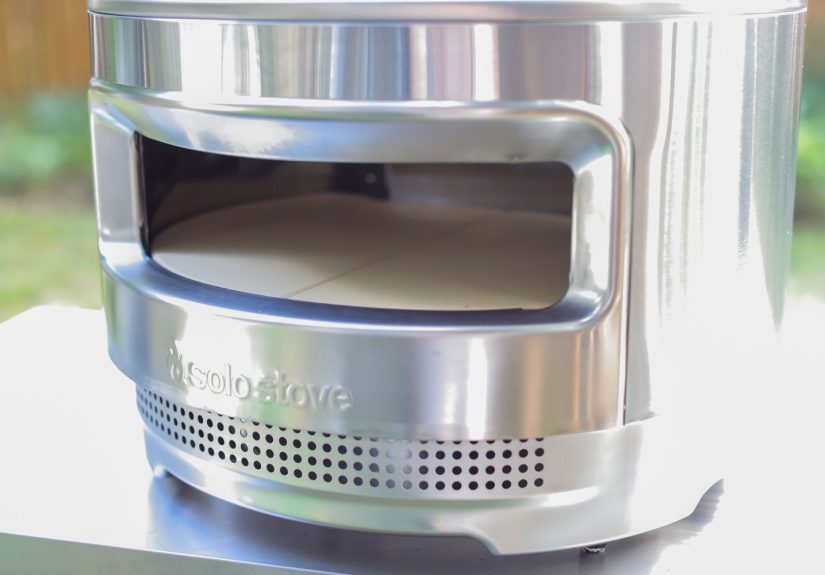
The first thing most people notice about the Solo Stove Pi Pizza Oven is the design. It looks more like a polished modern appliance than a rugged backyard gadget. The round stainless steel shape feels intentional and premium, and the compact footprint makes it easier to place on a sturdy outdoor table, dedicated stand, or cooking station.
Unlike long, tunnel-style pizza ovens, the Pi has a circular shape that matches Solo Stove’s visual identity. It fits nicely next to a fire pit, outdoor kitchen, or patio furniture setup. In other words, it does not scream “temporary cooking experiment.” It looks like it belongs.
The wide opening is one of the oven’s best usability features. Pizza ovens live or die by access. If the mouth is too narrow, turning a pizza becomes a high-pressure game involving dough, flame, cheese, and mild panic. The Solo Stove Pi gives you a generous view of the cooking surface, making it easier to rotate the pizza before one side turns into charcoal art.
Performance: How Hot Does the Solo Stove Pi Get?
High heat is the entire point of a dedicated pizza oven. A normal kitchen oven can make good pizza, but it usually cannot recreate the fast, blistered crust associated with Neapolitan-style pies. The Solo Stove Pi is designed to reach serious temperatures, especially when using the gas burner attachment or a properly managed wood fire.
In real-world testing, users and reviewers commonly report that the Pi can reach pizza-friendly temperatures in roughly 15 to 20 minutes, though the exact timing depends on the fuel source, outdoor temperature, wind, and how long you let the stone absorb heat. That last part matters. The air inside the oven may get hot quickly, but the stone needs enough time to fully heat so the bottom crust cooks properly.
That is one of the most important lessons with the Solo Stove Pi: do not rush the stone. If the top of the pizza cooks faster than the bottom, you end up with melted cheese over floppy dough. Delicious? Maybe. Structurally sound? Absolutely not.
Gas Performance
With propane, the Solo Stove Pi becomes much easier to control. You turn the burner on, let the oven preheat, and adjust the flame as needed. Gas is ideal for beginners because it removes much of the guesswork from temperature management. It also makes back-to-back pizzas easier, since you do not have to feed wood or manage embers between pies.
Gas cooking is also cleaner. There is less ash, less smoke, and less “why does my shirt smell like a campfire and mozzarella?” energy. For most households, propane will be the everyday mode.
Wood-Fired Performance
Wood cooking is more romantic, more flavorful, and more dramatic. It also requires more attention. You need small, dry hardwood pieces, careful fire management, and patience. When done well, wood gives pizza a subtle smoky character and a more traditional outdoor cooking experience.
The downside is that wood-fired cooking can be fussier. Temperature may fluctuate more, and beginners may need a few practice pies before they get consistent results. The first pizza may be a humble sacrifice to the oven gods. That is normal. Eat it anyway.
Cooking Results: Crust, Cheese, and Toppings
The Solo Stove Pi is at its best with thin-crust pizzas, especially Neapolitan-inspired doughs that cook quickly at high heat. A well-preheated stone can produce a crisp bottom, airy edge, and nicely blistered crust. The dome helps cook the top quickly, melting cheese and finishing toppings before the crust dries out.
For a classic Margherita pizza, the Pi performs beautifully when the dough is properly stretched and lightly topped. Fresh mozzarella, crushed tomatoes, basil, and a drizzle of olive oil are all you need. Overloading the pizza is where trouble begins. Too much sauce, cheese, or wet toppings can slow the bake and make the center soggy.
This oven rewards restraint. Think “elegant Italian pizza,” not “everything in the fridge plus emotional baggage.”
Best Pizza Styles for the Solo Stove Pi
- Neapolitan-style pizza: Excellent match for high heat and fast baking.
- New York-style inspired pizza: Possible, but lower heat and longer cooking may work better.
- Flatbreads: Very easy and forgiving.
- Naan pizzas: Great for quick weeknight meals.
- Frozen pizzas: Possible, but watch carefully because high heat can burn edges fast.
Ease of Use: Friendly, But Not Foolproof
The Solo Stove Pi is easier to use than a traditional masonry pizza oven, but it still has a learning curve. Launching pizza into a hot oven takes practice. Turning pizza at high heat takes practice. Knowing when the stone is ready also takes practice. Fortunately, this is the fun kind of practicethe kind where even your mistakes are covered in cheese.
Beginners should use a wooden peel for launching and a metal turning peel for rotating. A light dusting of semolina or flour helps the dough slide, but too much flour can burn and leave bitter residue on the stone. Keep pizzas small, lightly topped, and round-ish. They do not need to be perfect circles. Homemade pizza that looks like a map of Idaho can still taste fantastic.
Helpful Tips for Better Results
- Preheat longer than the minimum recommendation if you want a crisp bottom crust.
- Use an infrared thermometer to check stone temperature.
- Rotate the pizza every 20 to 30 seconds when cooking at high heat.
- Keep toppings light and avoid watery ingredients.
- Let dough come to room temperature before stretching.
- Use small wood pieces if cooking with wood.
Build Quality and Durability
Solo Stove is known for stainless steel outdoor products, and the Pi follows that design language. The body feels sturdy, the oven has a stable base, and the overall construction gives the impression of a product built for repeated outdoor use. The cordierite stones are removable, which helps with cleaning and storage.
Like any outdoor appliance, the Pi benefits from protection. A cover or shelter is a smart investment if the oven will live outside. Stainless steel is durable, but rain, humidity, pollen, and general patio grime are still real. Your pizza oven deserves better than becoming a shiny bird-resting platform.
Cleaning and Maintenance
Cleaning the Solo Stove Pi is refreshingly simple. After cooking, let the oven cool completely. Do not pour water on the hot stone unless you enjoy turning useful equipment into a science demonstration. Once cool, brush away burnt flour, crumbs, and ash. The stone should not be soaked or scrubbed with soap because it can absorb moisture and odors.
The stainless steel exterior can be wiped with a damp cloth. If using wood, you will need to remove ash after each session. If using gas, cleanup is much easier. This is another reason propane is the practical choice for frequent pizza nights.
Solo Stove Pi vs. Pi Prime: Which One Should You Choose?
The Solo Stove Pi and Solo Stove Pi Prime are closely related, but they serve slightly different buyers. The original Pi is the better choice if you want dual-fuel flexibility and like the idea of cooking with both wood and propane. The Pi Prime is better if you want a simpler, propane-only oven that is easy to light, control, and use often.
Choose the Solo Stove Pi if you enjoy experimenting, want wood-fired flavor, and appreciate versatility. Choose the Pi Prime if you mainly want convenience, fast weeknight pizza, and fewer accessories to think about.
In practical terms, many home cooks will use gas more often, even if they love the idea of wood. That does not make wood unnecessary; it simply means convenience has a powerful gravitational pull. Especially on a Tuesday.
Pros and Cons of the Solo Stove Pi Pizza Oven
Pros
- Sleek stainless steel design looks great outdoors.
- Compact footprint is easy to fit on patios and decks.
- Dual-fuel flexibility is excellent for adventurous cooks.
- Wide opening makes turning pizzas easier.
- High heat can produce crisp, blistered crusts.
- Removable stone sections simplify cleanup.
- Great for small gatherings and family pizza nights.
Cons
- Limited to 12-inch pizzas.
- Gas burner and accessories may add to the total cost.
- Wood-fired cooking requires practice.
- Stone needs sufficient preheating for best crust results.
- Not ideal for cooking many large pizzas quickly.
Who Is the Solo Stove Pi Best For?
The Solo Stove Pi Pizza Oven is best for home cooks who care about design, enjoy outdoor cooking, and want better pizza than a standard oven can deliver. It is especially appealing for Solo Stove fans who already like the brand’s clean stainless steel style.
It is also a strong fit for couples, small families, and casual entertainers. If your ideal night involves making several personal pizzas while friends gather around the patio, the Pi makes a lot of sense. If you need to feed 20 hungry guests in 30 minutes, you may want a larger ovenor a backup plan involving tacos.
Is the Solo Stove Pi Worth It?
The Solo Stove Pi is worth considering if you want a premium-looking outdoor pizza oven with strong performance and flexible fuel options. It is not the cheapest pizza oven available, and buyers should factor in accessories such as a peel, cover, stand, infrared thermometer, and possibly the gas burner. However, the combination of design, portability, heat performance, and dual-fuel capability gives it real appeal.
For beginners, the propane setup is the easiest path to consistent results. For enthusiasts, the wood option adds personality and flavor. The oven’s 12-inch limit may be a drawback for larger groups, but for everyday backyard pizza nights, it is perfectly workable.
Real-World Experience: Cooking With the Solo Stove Pi
A typical Solo Stove Pi pizza night starts with optimism, flour on the counter, and at least one person saying, “How hard can this be?” The good news is that the oven itself does not make the process difficult. The challenge is usually dough handling, topping discipline, and timing.
For the best experience, prepare everything before lighting the oven. Pizza cooking moves quickly, and once the stone is hot, there is no time to wander into the kitchen looking for basil like you are on a relaxed grocery tour. Set up your dough balls, sauce, cheese, toppings, peel, turning tool, and serving board before the first pizza goes in.
Using propane feels straightforward. After preheating, the oven becomes predictable. You launch the pizza, watch the edge begin to puff, rotate it several times, and pull it when the crust has browned and the cheese is bubbling. The first pizza may teach you something. Maybe the stone was not quite hot enough. Maybe the flame was too aggressive. Maybe the dough stuck to the peel because someone got confident and forgot the semolina. These are not failures. They are edible training materials.
Wood cooking feels more theatrical. The flame dances, the oven smells better, and the whole process feels closer to traditional outdoor cooking. It is also more demanding. You need to maintain a live flame without crowding the oven chamber. Small hardwood splits work better than large chunks. Too much wood can create excessive flame; too little can drop the temperature. Once you find the rhythm, wood-fired pizza in the Pi is deeply satisfying.
The best results usually come from simple pizzas. A light tomato sauce, small pieces of mozzarella, a few basil leaves, and a touch of olive oil can outperform a heavily loaded pizza with six meats and a mountain of cheese. The Solo Stove Pi cooks quickly, so toppings need to be thin, balanced, and ready for high heat. Pre-cook sausage, drain wet vegetables, and go easy on fresh mozzarella unless you enjoy soup in the middle of your crust.
One underrated benefit of the Pi is how social it feels. Because pizzas cook fast, people naturally gather near the oven, talk about toppings, compare crust bubbles, and offer deeply unnecessary advice. Someone will say, “Turn it now.” Someone else will say, “No, wait.” The pizza will survive both opinions.
After cooking, cleanup is painless if you were reasonably careful. Let the oven cool, brush the stone, empty ash if needed, and wipe the exterior. The compact shape makes storage manageable, especially with a cover. Over time, the stone will darken and develop marks. That is normal. A spotless pizza stone is not a badge of honor; it is a sign that not enough pizza has happened.
Overall, the Solo Stove Pi experience is enjoyable because it balances performance with approachability. It feels premium without being intimidating. It looks sharp without being delicate. Most importantly, it makes pizza night feel like an event without requiring professional-level skill. You will need practice, but the learning curve is part of the funand the leftovers are rarely a problem.
Final Verdict
The Solo Stove Pi Pizza Oven is a sleek, capable, and thoughtfully designed outdoor pizza oven that delivers impressive results when used correctly. Its stainless steel build, compact shape, wide opening, and dual-fuel potential make it stand out in a crowded pizza oven market. It is not perfect: the 12-inch capacity limits volume, accessories can raise the price, and wood-fired cooking requires patience. Still, for home cooks who want beautiful backyard pizza without committing to a massive oven, the Pi is a strong choice.
If your dream is crisp crust, bubbling cheese, and a patio appliance that looks like it was designed by someone who owns matching tongs, the Solo Stove Pi deserves serious attention. It is sleek, fun, and capable of turning ordinary pizza night into the best-smelling event on the block.






 Close
Close