
Table of Contents >> Show >> Hide
There are two ways to realize you are getting older. The first is noble and reflective, like gaining wisdom, valuing peace, and understanding that time is precious. The second is pulling a muscle while reaching for a coffee mug and wondering whether your body has filed a formal complaint. Most people, naturally, experience both.
That is why questions about the clear signs of getting older tend to explode online. Everyone has an answer, and the funniest ones usually land because they are painfully accurate. One person says they now make sound effects when standing up. Another says subtitles went from “nice feature” to “absolutely non-negotiable.” Someone else realizes they now get more excited about a new vacuum than a wild night out. None of this is exactly tragic. It is just aging doing what aging does: changing the rules while pretending it sent you the memo.
And yes, there is real science behind many of these painfully honest responses. As adults age, it becomes more common to notice changes in close-up vision, hearing, sleep quality, recovery time, balance, muscle strength, and attention. That does not mean every forgotten name is a crisis or every ache is a dramatic medical plot twist. It simply means the body is no longer running the same software version it had at 22.
So, in the spirit of honesty, humor, and a respectful nod to everybody who has ever groaned while standing up from the couch, here are 67 of the most relatable signs of getting older.
Why These Signs Feel So Real
One reason this topic resonates so strongly is that the signs of aging often show up in daily life before they show up in deep philosophical reflection. You do not wake up one day and think, I have entered a new stage of adulthood. You wake up, try to read a menu in dim lighting, and suddenly your arms are not long enough. That tiny moment says more than a motivational calendar ever could.
Getting older is often less about one dramatic transformation and more about a long series of oddly specific experiences. Your knees become weather analysts. Your sleep becomes lighter. Recovery takes longer. Loud restaurants feel like obstacle courses for your ears. You start caring deeply about insoles, hydration, and whether the couch supports your lower back like a loyal friend.
Still, aging is not just about loss. It is also about perspective. Many older adults report valuing meaningful relationships, quiet routines, emotional steadiness, and comfort over chaos. In other words, you may lose your ability to survive on four hours of sleep and a gas station burrito, but you gain the priceless ability to leave a loud event without guilt. That is not decline. That is evolution.
Here Are 67 Of The Most Honest Responses
Your Body Starts Leaving You Passive-Aggressive Notes
- You make a little sound every time you sit down or stand up.
- You can injure yourself by sleeping in a completely ordinary position.
- Your knees have opinions, and they share them on stairs.
- Recovery from a workout now takes longer than the workout itself.
- Stretching stops being optional and starts feeling like rent.
- You do not “bounce back” anymore. You gently return with paperwork.
- You squat carefully because standing back up is a separate event.
- Your back can go out for reasons that remain deeply disrespectful.
- One bad pillow can ruin the next two business days.
- You start choosing chairs based on lumbar support.
- You suddenly understand why supportive shoes cost money.
- Stairs are no longer scenery. They are a decision.
- You wake up sore and cannot even blame anything fun.
- Your feet get tired from activities that used to count as “existing.”
- You begin every physical task with a brief strategic pause.
Your Eyes and Ears Begin Negotiating Terms
- You hold your phone farther away to read it and pretend that is normal.
- Restaurant menus get mysteriously darker every year.
- You need better lighting for everything, including opening mail.
- Subtitles go from helpful to sacred.
- You say “What?” and then understand the sentence two seconds later.
- Loud restaurants become less romantic and more like survival training.
- You realize tiny instructions on packaging were written by a villain.
- Night driving starts feeling a little less glamorous and a little more tactical.
- You avoid background noise like it personally offended you.
- You finally schedule vision and hearing checks without being reminded.
- You start caring whether a room is “too loud” instead of “too quiet.”
- You prefer text because it is easier than pretending you caught every word.
- You become weirdly passionate about glare, brightness, and screen settings.
- You learn that sensory fatigue is real, and it is rude.
Memory and Time Start Pulling Sneaky Little Pranks
- You walk into a room and immediately forget why you went there.
- You know a name, just not right now, and definitely not under pressure.
- You open a browser tab and forget your mission halfway through loading.
- You need a password manager because your brain has gone on strike.
- You say “a couple of years ago” and accidentally mean 2017.
- Songs from your teens are now called “classic hits.”
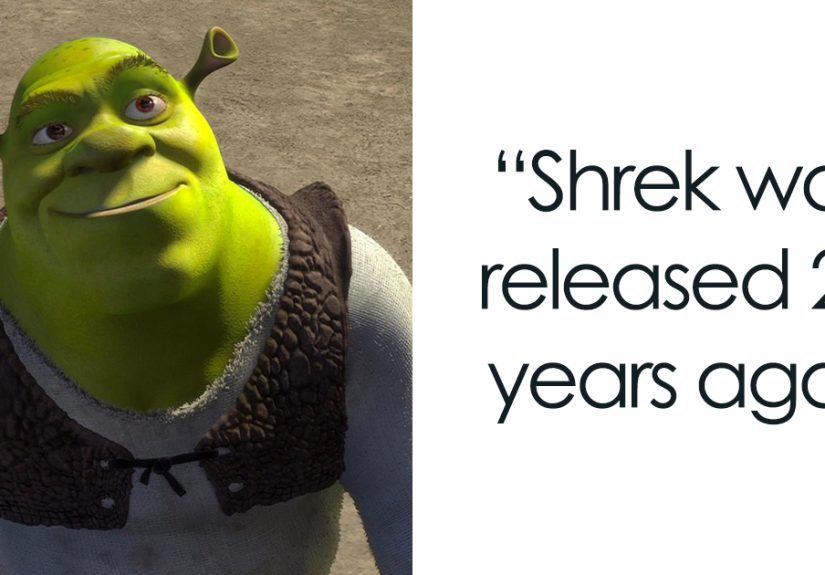
- People born after your favorite movie came out are now adults with jobs.
- You remember random trivia from 1999 but forget why you picked up your keys.
- You suddenly understand the phrase “just resting my eyes.”
- Bedtime starts sounding less like a punishment and more like a reward.
- You become loyal to calendars, reminders, and lists.
- Trends come back around wearing new names and worse branding.
- You reference something from “20 years ago” and shock yourself with the math.
- Silence begins to feel luxurious.
Your Lifestyle Quietly Changes Its Priorities
- Canceling plans feels incredible.
- Staying home starts to sound like peak luxury.
- You get excited about a good vacuum, air fryer, or storage container.
- You compare mattresses with the seriousness of financial planning.
- You read nutrition labels voluntarily.
- You care more about comfort than looking slightly cooler in painful shoes.
- You become interested in weather, birds, plants, and local produce.
- You keep a jacket nearby because indoor temperatures are apparently random.
- One drink can affect tomorrow in ways that feel deeply unfair.
- You start leaving events early on purpose.
- You value quality friendships more than a giant social circle.
- A quiet morning becomes better than a chaotic night.
- You understand why adults used to get excited about kitchen gadgets.
- You no longer chase every invitation just because it exists.
The Emotional Signs Hit Harder Than the Physical Ones
- You realize energy is a budget, not an unlimited resource.
- Peace becomes more attractive than proving a point.
- You start taking falls seriously instead of laughing them off.
- You understand that taking care of your health is not boring, it is freedom.
- You become more aware that sleep can ruin or rescue a whole day.
- You begin to understand your parents a lot better.
- You notice grief and gratitude showing up in the same room.
- You stop trying to impress everyone and start protecting your peace.
- You measure a good day more by how it felt than how it looked online.
- You realize the person in the mirror changes faster than the voice in your head.
- You do not just notice aging. You notice time.
What These Responses Actually Reveal About Aging
For all the jokes, these honest responses point to something bigger. Aging is not one single experience. It is a mix of physical changes, mental shifts, social adjustments, and emotional clarity. Some changes are almost universal, like needing better light to read, sleeping a little differently, or taking longer to recover after hard activity. Others are more personal, like becoming less tolerant of noise, more selective with friendships, or newly fascinated by weather patterns and orthopedic footwear.
The most important thing is remembering that normal aging and serious illness are not the same thing. Slower recall, needing reading glasses, lighter sleep, and less springy joints can all be common with age. But severe confusion, major hearing or vision loss, frequent falls, or memory problems that disrupt daily life should not be brushed off as “just getting older.” A sense of humor is useful. Ignoring warning signs is not.
There is also good news buried inside these brutally honest responses. Many people become more emotionally grounded as they age. They get clearer about boundaries, more intentional with time, and less interested in nonsense. The body may become slightly more dramatic, yes, but the mind often becomes more selective in a very healthy way. You learn what matters. You stop volunteering for chaos. You buy the good socks. You become, in many ways, much better at being a person.
The Shared Experience Of Getting Older
One of the strangest and most comforting things about getting older is realizing how universal the experience really is. People from different generations, cities, careers, and personalities often end up describing the same oddly specific moments. They all talk about sounds made when standing up, the betrayal of tiny font, the sacred importance of a comfortable mattress, and the rude discovery that late-night plans now come with a recovery fee. Aging can feel personal in the moment, but it is also deeply communal. Almost everybody eventually meets the same cast of characters: stiff knees, lighter sleep, fading patience for nonsense, and a sudden devotion to practical footwear.
There is humor in that shared recognition. It softens the sharp edges. It helps people laugh at changes that might otherwise feel unsettling. When someone admits that they now need subtitles for everything or that they threw their back out by existing too aggressively, others laugh because they have either lived it already or can see it coming like a slow-moving weather front. Humor becomes a coping tool, not because aging is trivial, but because it is easier to carry when people talk about it honestly.
At the same time, getting older often brings a quieter kind of confidence. People stop performing youth and start investing in function. They choose comfort without apology. They learn that rest is productive, that protecting their peace is wise, and that saying no is not a character flaw. They also begin to understand that health is not about chasing perfection. It is about preserving independence, mobility, energy, and joy for as long as possible.
That is why the most honest signs of aging are rarely just about wrinkles or gray hair. They are about changed priorities. They are about realizing you would rather have a peaceful evening than loud excitement, a small circle of real friends than a crowd of casual acquaintances, and a body that works reasonably well over one that merely looks impressive in photos. In many ways, aging strips away nonsense. It reveals what actually supports a good life.
So yes, getting older may mean reading glasses, slower recovery, and being personally offended by restaurant acoustics. But it can also mean better judgment, stronger boundaries, more gratitude, and a much healthier relationship with time. That trade is not always easy, but it is more meaningful than people admit. The body changes, the calendar keeps moving, and the jokes get more specific. Yet somewhere in the middle of all that, many people become steadier, wiser, and far less interested in wasting their lives on things that do not matter. If that is aging, it is not just a decline story. It is also a clarity story.
Conclusion
If there is one clear sign of getting older, it is this: everyday life starts revealing it in the funniest, most honest ways possible. Whether it is subtitles, sore knees, earlier bedtimes, or a thrilling attachment to supportive shoes, the signs are often small, relatable, and surprisingly universal. The good news is that aging is not only about what changes. It is also about what sharpens: perspective, self-respect, emotional balance, and appreciation for the life you are actually living.
So the next time you groan while getting off the couch or hold your phone at arm’s length like it owes you money, do not panic. You are not alone. You are just participating in one of adulthood’s oldest group projects.






 Close
Close