
Table of Contents >> Show >> Hide
- What Is a Stroke?
- Stroke Symptoms: What to Watch For
- What Causes a Stroke?
- Stroke Risk Factors
- How Stroke Is Diagnosed
- Stroke Treatment Options
- What Happens After the Emergency?
- How to Help Prevent a Stroke
- When to Call 911
- Bottom Line
- Experiences Related to Stroke: What Real Recovery Can Feel Like
- SEO Tags
Stroke is one of those medical emergencies that does not believe in gentle introductions. It shows up suddenly, changes the rules, and demands immediate attention. One minute a person is talking, walking, texting, or making coffee; the next, they may have facial drooping, slurred speech, confusion, or weakness on one side of the body. That speed is exactly why understanding stroke matters so much.
A stroke happens when part of the brain loses its blood supply or when a blood vessel in the brain breaks and bleeds. Either way, brain cells begin to suffer quickly because the brain needs a steady supply of oxygen and nutrients. In plain English, the brain is brilliant, but it is not especially forgiving when the plumbing fails.
This guide explains the most important stroke symptoms, the major causes and risk factors, how doctors diagnose it, what treatment may look like, how recovery often unfolds, and what people can do to lower their risk. If you remember only one thing, make it this: a stroke is a medical emergency, and fast action can save brain function, independence, and life.
What Is a Stroke?
Stroke is sometimes called a “brain attack,” and that nickname is not dramatic fluff. It is accurate. When blood flow to the brain is blocked or when bleeding happens inside the brain, the affected area can no longer function normally. Depending on where the problem occurs, a person may lose speech, vision, balance, movement, memory, or the ability to swallow safely.
The Three Main Types of Stroke
Ischemic stroke is the most common type. It happens when a blood clot or narrowed artery blocks blood flow to part of the brain. Think of it like a traffic jam that stops oxygen from getting where it needs to go.
Hemorrhagic stroke happens when a blood vessel ruptures and bleeds into or around the brain. In this case, the problem is not blockage but bleeding and rising pressure inside the skull.
Transient ischemic attack (TIA), often called a mini-stroke, is a temporary blockage that causes stroke-like symptoms for a short time. Symptoms may go away, but a TIA is still an emergency warning sign, not a “well, that was weird” moment to ignore.
Stroke Symptoms: What to Watch For
Stroke symptoms usually begin suddenly. That suddenness is one of the biggest clues. A person may seem fine and then, without much warning, be unable to smile evenly, lift one arm, or speak clearly.
The Classic F.A.S.T. Warning Signs
- F Face drooping: One side of the face may droop or feel numb. The smile can look uneven.
- A Arm weakness: One arm may drift downward or feel weak and numb.
- S Speech difficulty: Speech may be slurred, jumbled, or strangely hard to understand.
- T Time to call 911: If any of these signs appear, call emergency services right away.
Some clinicians and educators also use BE FAST to include Balance and Eyes. That matters because some strokes first show up as sudden trouble walking, dizziness, loss of coordination, or vision problems in one or both eyes.
Other Common Stroke Symptoms
- Sudden numbness or weakness, especially on one side of the body
- Sudden confusion or trouble understanding speech
- Sudden vision loss, blurry vision, or double vision
- Sudden trouble walking or loss of balance
- Sudden severe headache with no known cause, especially with some hemorrhagic strokes
- Sudden trouble swallowing or unusual drowsiness
One important point: stroke does not always come with pain. People often expect severe pain to be the red flashing light, but many strokes are painless. That is one reason they can be missed.
What Causes a Stroke?
The cause depends on the type of stroke.
Causes of Ischemic Stroke
Ischemic strokes are usually caused by a clot or severe narrowing in an artery. Sometimes the clot forms in the blood vessel going to the brain. Other times it starts elsewhere, such as the heart, and then travels to the brain. This is why conditions like atrial fibrillation, an irregular heartbeat, are such a big deal in stroke prevention.
Another major player is atherosclerosis, which is the buildup of fatty deposits and plaque in arteries. Over time, these narrowed vessels become more likely to block blood flow or trigger clots.
Causes of Hemorrhagic Stroke
Hemorrhagic strokes happen when a blood vessel breaks. This can be linked to uncontrolled high blood pressure, weak blood vessels, aneurysms, blood vessel malformations, head trauma, or problems related to blood-thinning medicines. When bleeding starts, the brain is hit with a double problem: loss of normal blood flow and pressure from blood collecting where it should not be.
Stroke Risk Factors
Some stroke risks cannot be changed, such as age, family history, and certain inherited conditions. But many important risk factors can be managed, and that is where prevention becomes powerful.
Medical Conditions That Raise Stroke Risk
- High blood pressure the leading modifiable risk factor
- Diabetes
- High cholesterol
- Atrial fibrillation and other heart disease
- Prior stroke or TIA
- Obesity
- Sleep apnea
- Sickle cell disease in some patients
Lifestyle Habits That Matter
- Smoking or tobacco use
- Heavy alcohol use
- Lack of regular physical activity
- A diet high in sodium, saturated fat, and ultra-processed foods
- Poor control of stress and sleep habits
Here is the encouraging part: many strokes are considered preventable through a combination of healthy habits, regular medical care, and controlling risk factors early. Prevention is not glamorous, but it is wildly effective.
How Stroke Is Diagnosed
In a hospital, the first goal is speed. Doctors need to determine whether the stroke is ischemic or hemorrhagic because the treatments are very different. A treatment that helps one type could be dangerous for the other.
Common Stroke Tests
- Physical and neurological exam to check strength, speech, vision, coordination, and alertness
- CT scan to quickly look for bleeding and early stroke changes
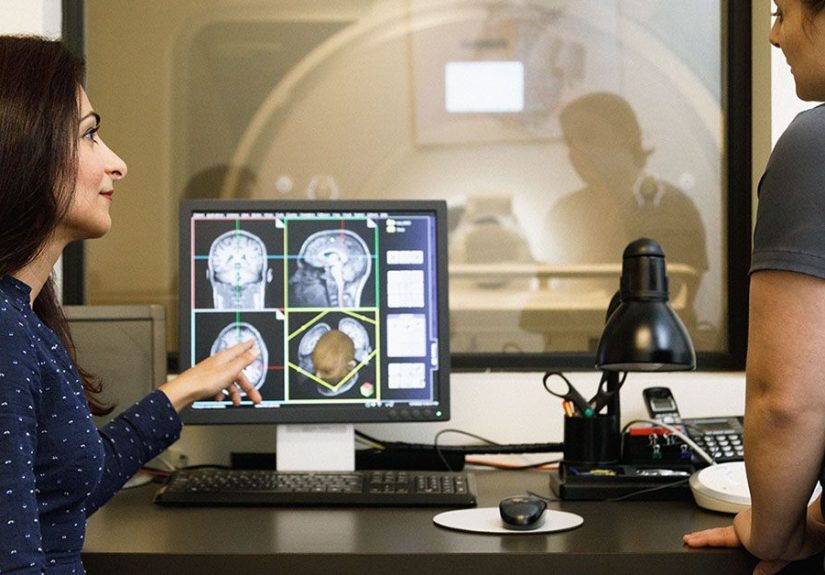
- MRI for a more detailed picture in some cases
- Blood tests to check clotting, glucose, and other causes
- Heart testing such as ECG or echocardiogram if a heart source is suspected
- Vessel imaging to look for narrowed or blocked arteries
Doctors may also use stroke assessment scales to measure the severity of symptoms and help guide treatment decisions. It is a lot of information in a short period, but that speed is exactly the point.
Stroke Treatment Options
Treatment depends on the type of stroke, how long symptoms have been present, the size and location of the affected brain area, and the person’s overall health.
Treatment for Ischemic Stroke
When a clot is blocking blood flow, time matters enormously. Some patients may be eligible for clot-busting medicine if they arrive quickly enough after symptoms begin. For certain large-vessel blockages, doctors may use mechanical thrombectomy, a procedure that removes the clot through a catheter.
Other treatment may include antiplatelet medicine, anticoagulation in selected situations, blood pressure management, cholesterol-lowering therapy, and treatment of the underlying cause, such as carotid artery disease or atrial fibrillation.
Treatment for Hemorrhagic Stroke
For hemorrhagic stroke, the goal shifts. Doctors work to control bleeding, reduce pressure in the brain, manage blood pressure, and prevent complications. Some patients may need surgery or other procedures to repair a blood vessel, drain blood, or reduce swelling.
Why “Time Is Brain” Is More Than a Slogan
The phrase “time is brain” is used often because it is true. The faster blood flow is restored or bleeding is managed, the better the chances of preserving function. Waiting to “see if it goes away” is a terrible strategy. Stroke symptoms are not customer service emails; they do not improve because you ignored them long enough.
What Happens After the Emergency?
Once the immediate crisis is stabilized, treatment shifts toward preventing another stroke and helping the person recover as much function as possible.
Stroke Recovery and Rehabilitation
Recovery is different for every person. Some people improve quickly. Others need weeks, months, or longer. Rehab may begin within the first day after treatment if the patient is medically stable.
- Physical therapy helps with strength, balance, and walking
- Occupational therapy helps with daily activities like dressing, bathing, cooking, and writing
- Speech-language therapy helps with communication, swallowing, and cognitive skills
- Psychological support helps with anxiety, depression, frustration, and emotional adjustment
Common stroke aftereffects can include weakness, fatigue, memory problems, emotional changes, speech trouble, swallowing difficulty, and reduced independence. Caregivers are often deeply affected too, which is why family education and support matter.
How to Help Prevent a Stroke
Stroke prevention is not about chasing perfection. It is about reducing risk, step by step, in ways that actually stick.
Practical Prevention Strategies
- Know and control your blood pressure. If there is a headliner in the stroke risk concert, it is high blood pressure.
- Manage diabetes and cholesterol. Work with a healthcare professional to keep numbers in a healthier range.
- Stop smoking. This may be one of the most powerful changes a person can make.
- Move your body regularly. Walking counts. Consistency beats heroics.
- Eat a heart-healthy diet. More fruits, vegetables, beans, whole grains, and lean proteins; less sodium and heavily processed food.
- Limit alcohol. Too much can increase blood pressure and stroke risk.
- Address atrial fibrillation and other heart issues. These are major clot-forming conditions.
- Take prescribed medicines as directed. Skipping blood pressure or blood thinner medication is not a clever plot twist.
- Do not ignore a TIA. A mini-stroke is a warning, not a free pass.
- Keep regular medical appointments. Prevention works best before the emergency room gets involved.
When to Call 911
Call 911 immediately if you notice sudden face drooping, arm weakness, speech trouble, confusion, vision changes, balance problems, or a severe unexplained headache. Do not drive yourself if symptoms are severe. Do not wait for symptoms to become dramatic. Do not take a nap and hope for a plot reset.
Emergency teams can begin stroke evaluation and route patients to the right hospital quickly. Even symptoms that improve can still signal a TIA or evolving stroke and require urgent medical attention.
Bottom Line
Stroke is serious, fast-moving, and often life-changing, but it is not hopeless. Early recognition, emergency treatment, risk-factor control, and rehabilitation can make an enormous difference. Learn the signs. Take sudden symptoms seriously. Treat a TIA like the warning flare it is. And if you have risk factors such as high blood pressure, diabetes, high cholesterol, or atrial fibrillation, work on them now, not someday.
The most useful stroke knowledge is not trivia. It is action. If you can spot the signs quickly and respond fast, you may help save a life, a memory, a conversation, a career, or a person’s ability to walk back into their ordinary world.
Experiences Related to Stroke: What Real Recovery Can Feel Like
The experience of stroke is not one story. It is many stories, often beginning with the same shocking sentence: “I didn’t think it was a stroke.” That pattern shows up again and again. A retired man notices his coffee mug slipping from his right hand and assumes he slept on his arm wrong. A middle-aged teacher hears herself speaking, but the words come out scrambled, as if her brain and mouth are no longer on speaking terms. A younger adult feels sudden dizziness and blurry vision during a normal afternoon and writes it off as stress. In real life, stroke can begin quietly enough to be brushed aside, and that is part of what makes it dangerous.
Many survivors describe the first hours as surreal. The room is busy, clinicians are moving fast, scans are ordered, questions come one after another, and time seems both slow and incredibly fast. Some people remember very little of the emergency phase. Others remember one tiny detail with strange clarity: a spouse squeezing their hand, a paramedic asking the date, or a doctor telling them not to worry because treatment has already started. Those moments matter because stroke care often unfolds at a pace patients cannot control. They are suddenly passengers in a race against time.
Recovery also feels different than many people expect. It is rarely a smooth movie montage where someone struggles for a week and then triumphantly walks into sunlight with perfect hair. Real stroke recovery is often uneven. A person may regain leg strength before hand function. Speech may improve faster than memory. Fatigue can linger even when outward recovery looks impressive. Families are often surprised that emotional changes are part of the experience too. Frustration, grief, anxiety, embarrassment, and depression can all appear, even in people who seem physically improved.
Caregivers have their own stroke story as well. A spouse, sibling, or adult child may go from ordinary routine to medication tracking, appointment scheduling, transportation planning, and home safety changes almost overnight. Many caregivers talk about learning new vocabulary at high speed: TIA, thrombectomy, swallow evaluation, rehab placement, fall risk. They also talk about learning patience. Progress after stroke can be real but slow, and families often celebrate small milestones that once seemed ordinary, like buttoning a shirt, finishing a sentence smoothly, or making toast without help.
There are also hopeful experiences that deserve attention. Some survivors say the event forced them to address years of ignored high blood pressure, smoking, poor sleep, or skipped checkups. Others say rehab taught them how adaptable the brain and body can be. One common theme is that people become fierce advocates for recognizing symptoms quickly. After living through a stroke or caring for someone who did, many survivors can spot facial drooping or slurred speech from across a room faster than anyone else. It becomes personal knowledge, not abstract health advice.
If there is one lesson that threads through these experiences, it is this: stroke changes life quickly, but quick action changes outcomes too. People who call 911 fast, receive treatment early, and commit to rehabilitation often describe a path that is difficult but meaningful. Recovery may not look exactly like life before stroke, yet many people rebuild routines, confidence, and independence in ways that once seemed impossible during those first frightening hours.




 Close
Close