
Table of Contents >> Show >> Hide
- What the Study Actually Found
- The 3 Dirtiest Body Parts You Forget to Wash in the Shower
- Why These Body Parts Get So Dirty So Fast
- How to Wash These Areas Properly Without Overdoing It
- Common Shower Mistakes That Make the Problem Worse
- When a “Missed Spot” Becomes a Medical Issue
- Real-Life Experiences: The Shower Spots People Forget More Than They Admit
- Conclusion
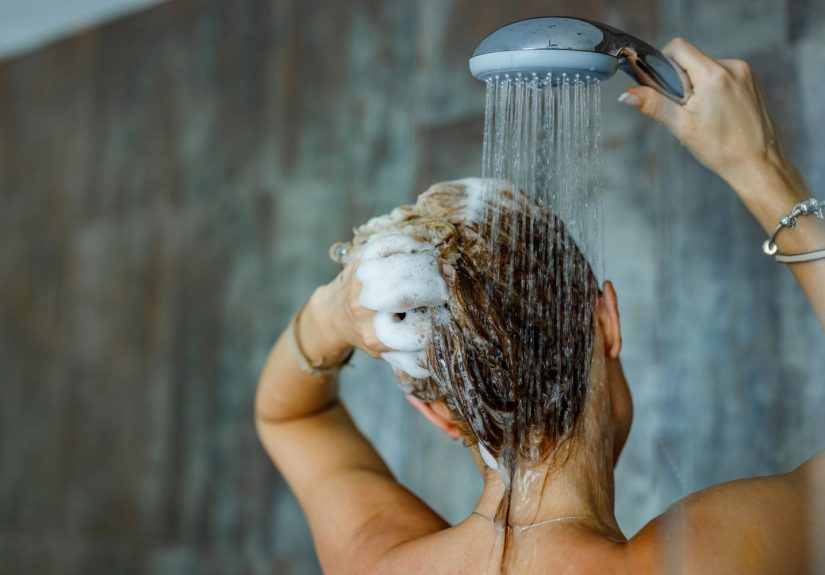
You step into the shower, do the usual song-and-soap routine, rinse, and walk out feeling like a sparkling beacon of civilization. But here’s the slightly humbling twist: according to research on the skin microbiome, some of the grimiest body areas are the exact spots people tend to ignore. In other words, your shower may be thorough everywhere except the places that most need a little extra attention.
The headline phrase dirtiest body parts is catchy, but the science is more specific than that. A George Washington University research team studied overlooked skin “hotspots” and found that behind the ears, between the toes, and inside the belly button had different microbial patterns than more routinely washed areas like the forearms and calves. Those neglected zones tended to show lower microbial diversity, which may reflect a less balanced skin environment. Translation: Grandma’s old advice to scrub the awkward little nooks was not just old-school nagging. It was surprisingly sharp hygiene guidance.
So let’s talk about the three body parts you forget to wash in the shower, why they collect sweat, oil, dead skin, and odor so easily, and how to clean them properly without turning your bathroom into a dermatology crime scene. Because yes, there is a sweet spot between “light rinse and vibes” and “scrub until your ancestors feel it.”
What the Study Actually Found
The study behind this conversation looked at five skin regions in healthy adults: the belly button, behind the ears, between the toes, the calves, and the forearms. The idea was based on what researchers called the “Grandmother Hypothesis,” meaning the body areas older relatives always told us to wash are probably the ones we skip most often. Turns out, that hunch held up pretty well.
Researchers found that the more routinely cleaned areas, such as the forearms and calves, had greater bacterial diversity than the more neglected hotspots. That does not mean every belly button is a biohazard or that every ear crease is plotting against humanity. It means your skin microbiome changes from place to place, and areas that stay moist, oily, folded, or poorly rinsed may become better homes for buildup and less desirable microbes.
This matters because the skin is not just a wrapping paper layer for your body. It is a living barrier with oils, microbes, and immune functions that help protect you. When that balance gets thrown off, irritation, odor, inflammation, and some infections become more likely. So while the study does not say these areas are doomed to be gross, it strongly suggests they deserve more attention than the average rushed shower gives them.
The 3 Dirtiest Body Parts You Forget to Wash in the Shower
1. Behind Your Ears
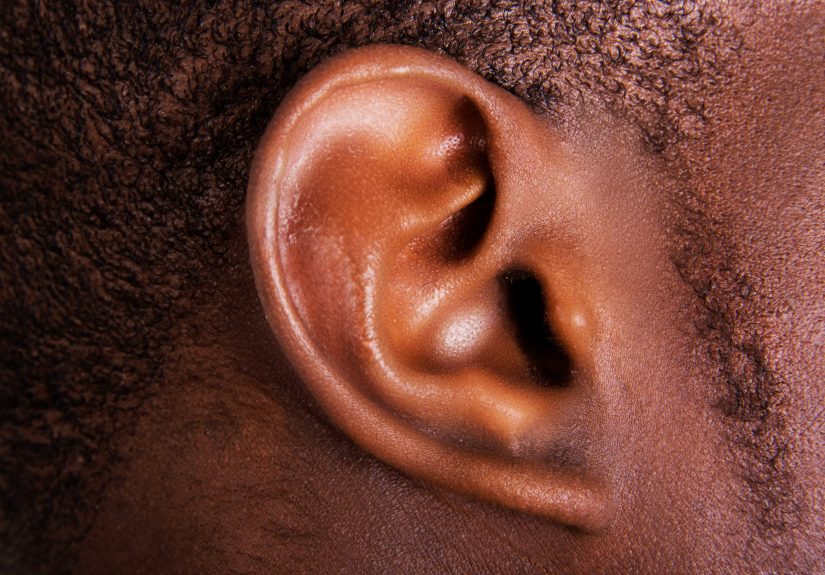
This area is the overachiever of hidden grime. The skin behind the ears can collect sweat, oil, shampoo residue, styling products, sunscreen, dead skin cells, and whatever mystery substance lives on the arms of your glasses. Because it sits in a crease and often hides under hair, it is easy to miss completely. Plenty of people assume shampoo runoff counts as washing it. That is a nice thought. It is also often untrue.
Behind the ears is also an area where oily skin and inflammation can show up. That matters because conditions such as seborrheic dermatitis can affect the ears and the skin around them. When buildup lingers, the result can be odor, itchiness, flaking, irritation, or a general “why does this spot feel weird?” experience.
The fix is simple. While showering, use warm water and a gentle cleanser on your fingertips or a soft washcloth, then clean the skin behind each ear deliberately. The key word here is behind, not inside. Do not go digging into the ear canal with cotton swabs, fingernails, or a level of confidence you did not earn in medical school. The goal is to clean the outer skin folds, not wage war on earwax.
2. Between Your Toes
If your feet spend most of the day sealed in socks and shoes, congratulations: you have created a tiny tropical resort for moisture. The skin between the toes is warm, damp, and often neglected. Many people let soapy water run over their feet and call it a day, but that does not always remove sweat, dead skin, and trapped debris.
This is a big deal because fungi love warm, moist environments. That is why athlete’s foot often shows up between the toes. Dermatology and public health guidance consistently emphasizes washing feet daily and drying them thoroughly, especially in the toe spaces. When that area stays damp, irritation and fungal problems are more likely. For people with diabetes or circulation issues, even minor skin breakdown on the feet deserves attention because infections can become more serious faster.
Good foot hygiene is not glamorous, but it works. In the shower, wash the tops, soles, heels, and between the toes with soap and water. After you step out, dry your feet carefully, paying extra attention to the spaces between the toes. This is not the moment for a dramatic speed-rub with a towel while hopping on one leg. Slow down and actually dry the area. Your socks, shoes, and future self will thank you.
3. Your Belly Button
The belly button is basically a lint pocket with ambition. It is a skin fold, it traps moisture, and depending on its shape, it can hold sweat, dead skin, dirt, and bacteria like it is collecting souvenirs. People often forget it exists until it smells odd, feels irritated, or produces the deeply offensive realization that yes, navels need maintenance too.
Medical guidance on belly button care is refreshingly low drama: use soap, water, and your fingertip to clean gently around and just inside the opening, then rinse and dry well. That drying step matters because moisture left behind in skin folds can encourage irritation and yeast overgrowth. If you have a piercing, you need to be even more mindful, since jewelry can trap product residue and bacteria.
Not every belly button needs intense scrubbing. In fact, aggressive cleaning can irritate the skin. But completely ignoring it is not ideal either. A gentle, regular clean is usually all it takes to keep the area from becoming musty, itchy, or weirdly memorable.
Why These Body Parts Get So Dirty So Fast
The common thread is not bad character. It is anatomy. The three most overlooked body parts in the shower all share features that make grime more likely to stick around: they are folded, moist, oily, hard to see, or easy to forget. Behind the ears sits in a crease near hair and skin oils. Between the toes is boxed into a humid environment for hours every day. The belly button is a tiny recessed skin cave that collects debris better than it has any right to.
These spots also do not get the same automatic attention as your face, underarms, or hair. Most people do not skip washing their armpits because body odor gives quick feedback. The belly button is quieter. The toe web spaces are less obvious. The skin behind the ears rarely sends a push notification. So the areas most likely to be skipped are often the areas where buildup can sit longest.
How to Wash These Areas Properly Without Overdoing It
Good hygiene is not about scrubbing your skin into submission. Healthy skin needs a protective barrier, natural oils, and a balanced microbiome. Overwashing with harsh cleansers, very hot water, or aggressive friction can dry and irritate the skin. So the goal is targeted cleaning, not a full-body sandblasting.
Smart Shower Routine for Overlooked Hotspots
- Use warm, not scalding, water.
- Choose a gentle cleanser rather than a heavily fragranced, harsh soap.
- Wash behind the ears intentionally with your fingers or a soft cloth.
- Wash your feet fully, including between the toes.
- Clean your belly button gently with soap, water, and your fingertip.
- Rinse well so cleanser residue does not stay trapped in folds.
- Dry thoroughly after the shower, especially the belly button and between the toes.
If you are prone to dry skin, eczema, or irritation, keep the cleanser mild and the shower short. If you use lotion, do not slather moisturizer between your toes. That area usually needs dryness, not extra moisture.
Common Shower Mistakes That Make the Problem Worse
One of the biggest myths in personal hygiene is that water alone equals clean. Water helps, sure, but many overlooked body parts need a little direct attention. Another mistake is assuming shampoo or body wash runoff magically covers every inch of your body. It does not. Your products are not little hygiene interns doing surprise detail work while you rinse.
People also go too hard in the other direction. They scrub sensitive areas aggressively, use rough tools, or stick objects where they definitely do not belong. Cleaning behind your ears does not mean digging into the ear canal. Cleaning your feet does not mean taking a cheese grater to a patch of dry skin. Cleaning your belly button does not require excavation equipment.
And then there is the final classic mistake: failing to dry properly. In folds and tight spaces, leftover moisture can be just as problematic as leftover soap.
When a “Missed Spot” Becomes a Medical Issue
Sometimes a neglected shower area is just a neglected shower area. Other times, it becomes itchy, red, flaky, painful, or smelly enough to deserve real attention. See a healthcare professional if you notice persistent rash, cracking, drainage, bleeding, swelling, or pain in any of these regions. The same goes for repeated athlete’s foot, worsening irritation behind the ears, or a belly button that smells bad even after gentle cleaning.
If you have diabetes, poor circulation, a weakened immune system, or recurrent skin infections, take foot hygiene especially seriously. In that case, “I’ll deal with it later” is a bad strategy wearing a towel.
Real-Life Experiences: The Shower Spots People Forget More Than They Admit
Ask enough people about personal hygiene, and you discover a universal truth: everyone assumes they are doing great until one oddly specific moment proves otherwise. Maybe it happens after a long workout, when the shoes come off and the smell suggests your toes have been conducting unauthorized science experiments. Maybe it happens when you touch behind your ear after a humid summer day and realize there is an embarrassing amount of sweat, oil, and sunscreen residue hanging out there like it paid rent. Or maybe it is the belly button moment, which usually arrives with confusion, denial, and then acceptance.
One common experience is the “I shower every day, so how is this possible?” reaction. That makes sense on the surface. Daily showering feels like a complete solution. But real life is messy. Most showers are rushed. People shampoo, wash the obvious zones, rinse, and move on. When you are tired, late, distracted, or standing under hot water rethinking every decision you have ever made, the hidden skin folds do not always get a starring role.
Gym-goers often notice the foot issue first. After long hours in sneakers, sweat builds up, socks trap moisture, and the spaces between the toes become the forgotten afterparty nobody cleaned up. Travelers run into the same thing. Long flights, walking-heavy days, hotel showers, and repeat-wear shoes can turn normal feet into cranky feet fast. What looks like simple dryness can become itching, peeling, or that unmistakable athlete’s-foot annoyance if the area is not washed and dried well.
The behind-the-ears problem tends to surprise people who wear glasses, earbuds, hats, or lots of hair products. That skin can collect more residue than expected, especially in warm weather. Some people notice breakouts or irritation there and immediately assume it is random bad luck. Then they clean the area carefully for a week and realize the “mystery skin issue” was mostly a hygiene blind spot with excellent hiding skills.
The belly button stories are usually the funniest because people genuinely forget it needs care. Plenty of adults admit they never thought about washing it directly until they read an article, heard a doctor mention it, or noticed odor after a sweaty day. Belly buttons are easy to ignore because they rarely complain early. But once they do, they are not subtle. A little trapped soap, sweat, lint, and moisture can create a whole situation where none needed to exist.
Parents notice these missed spots in kids too. Children often “wash” by touching a wet washcloth to their general torso and declaring victory. Toes are skipped, ears are decorative, and belly buttons might as well be fictional. The same habits can quietly follow people into adulthood. That is why these reminders matter: not because people are dirty, but because most people are operating on autopilot.
The good news is that fixing these shower mistakes is easy. You usually do not need a new routine, a fancy product lineup, or a bathroom shelf that looks like a skincare influencer’s studio. You just need intention. Ten extra seconds behind the ears. A real wash between the toes. A gentle clean of the belly button. That is it. Small changes, very normal products, dramatically less weird buildup.
And honestly, that is the most relatable part of the whole topic. Hygiene is rarely about giant failures. It is about tiny missed details repeated over time. Once you know where the usual blind spots are, you can clean smarter without making showering feel like a military operation. That is a win for your skin, your comfort, and anyone who shares a bathroom, a bed, or a pair of close conversational distances with you.
Conclusion
The study that sparked this conversation did not just give us a fun gross-out headline. It offered a useful reminder that the most overlooked body parts in the shower are often the ones most likely to trap sweat, oil, moisture, and debris. Behind the ears, between the toes, and inside the belly button are easy to miss, but they are also easy to clean once you know they matter.
The best shower routine is not the harshest one. It is the smartest one. Use gentle cleanser, pay attention to the hidden folds and creases, rinse well, and dry carefully. That small upgrade can help reduce odor, irritation, and the risk of common skin problems without wrecking your skin barrier. So the next time you shower, give those three forgotten spots a little extra love. Your microbiome may not send a thank-you note, but your skin will probably get the message.






 Close
Close