
Table of Contents >> Show >> Hide
- What Makes a Plant Great for Terrariums?
- The 12 Best Terrarium Plants for Miniature Gardens
- 1. Air Plant (Tillandsia stricta)
- 2. ‘Aquamarine’ Pilea (Pilea glauca ‘Aquamarine’)
- 3. Black Mondo Grass (Ophiopogon planiscapus ‘Nigrescens’)
- 4. Dwarf Golden Sweet Flag (Acorus gramineus ‘Minimus Aureus’)
- 5. Golden Clubmoss (Selaginella kraussiana ‘Aurea’)
- 6. ‘Moon Valley’ Pilea (Pilea involucrata ‘Moon Valley’)
- 7. Mother Fern (Asplenium bulbiferum)
- 8. Nerve Plant (Fittonia verschaffeltii)
- 9. Ripple Peperomia (Peperomia caperata)
- 10. Starfish Plant (Cryptanthus bivittatus)
- 11. Strawberry Begonia (Saxifraga stolonifera)
- 12. Mood Moss (Dicranum scoparium)
- Terrarium Care Basics for Happy Plants
- Real-Life Terrarium Experiences: What You Learn After a Few Mini Gardens
- Conclusion
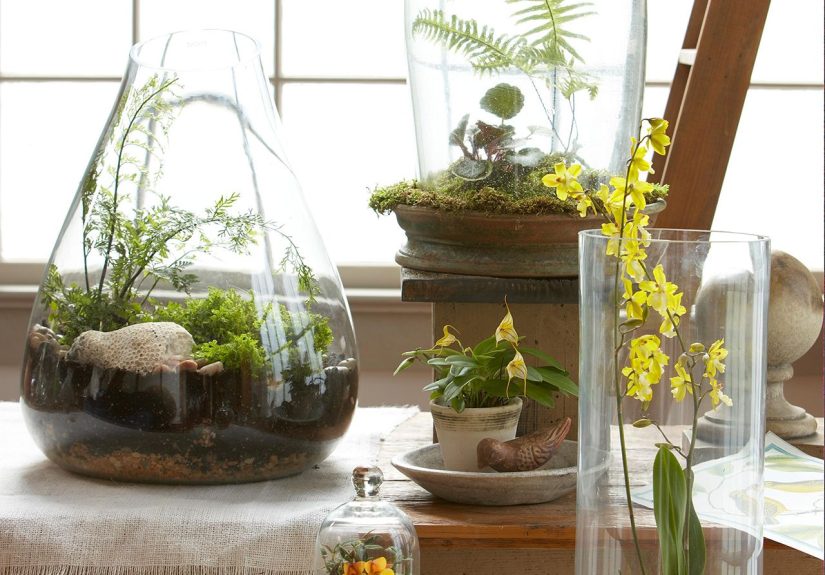
If you’ve ever wanted a tiny, low-maintenance jungle you can keep on your desk, a terrarium is basically a houseplant’s version of a studio apartment. Small space, big personality. The real magic, though, comes from choosing the best terrarium plants – the ones that actually enjoy living in a glass bowl with roommates and recycled air.
In this guide, you’ll meet 12 of the best terrarium plants for miniature gardens, plus get practical tips for choosing plants, keeping them healthy, and avoiding the classic “moldy science project in a jar” situation. Whether you’re building your first tabletop terrarium or refreshing one that’s looking tired, these plants will give you lush foliage, fun textures, and long-lasting greenery in a tiny footprint.
What Makes a Plant Great for Terrariums?
Before we dive into the plant list, it helps to understand what separates a “terrarium plant” from a regular houseplant. Terrariums create a small, controlled environment. In closed containers, humidity and moisture stay high. In open ones, air circulation is better, but the space is still shallow and limited.
Key Traits of Good Terrarium Plants
- Compact size: Plants that naturally stay under 12 inches tall work best. You can trim bigger plants, but it’s nicer when they don’t try to bust out of the glass every month.
- Love of humidity: For closed terrariums, choose humidity-loving plants like mosses, ferns, and many tropical foliage plants. Open terrariums can handle slightly drier choices.
- Moderate or low light needs: Most terrariums live near bright windows, not in direct sun. Plants that scorch easily in strong light are actually perfect here.
- Slow to medium growth: If a plant grows like it’s trying to conquer the world, it will outgrow the container quickly and crowd out everything else.
With that in mind, let’s meet 12 all-star terrarium plants that check these boxes and look amazing in miniature gardens.
The 12 Best Terrarium Plants for Miniature Gardens
1. Air Plant (Tillandsia stricta)
Air plants are the cool kids of the plant world – no soil required, just something to cling to and decent humidity. In a terrarium, you can tuck Tillandsia stricta into crevices between rocks, nestle it on a piece of driftwood, or let it hover in its own “floating” glass globe.
Why it’s great: You can rearrange air plants anytime without disturbing roots, which makes them perfect for experimental miniature landscapes. Their arching, grassy leaves and occasional bright blooms add movement and height without taking over the whole container.
Best setup: Use them in open or partially open terrariums where air can circulate. Mist occasionally, and soak the plant in water for 20–30 minutes every week or so, then let it dry before returning it to the container.
2. ‘Aquamarine’ Pilea (Pilea glauca ‘Aquamarine’)
If you want a plant that looks like a tiny river of foliage flowing through your terrarium, ‘Aquamarine’ pilea is it. Its silvery blue, bead-like leaves cascade over rocks and edges, softening hard lines.
Why it’s great: This pilea is naturally creeping and low-growing, so it acts like a living groundcover at the base of taller plants. It thrives in high humidity and dislikes harsh, direct sun – exactly the conditions inside a closed glass container.
Design tip: Plant it at the “front” of your terrarium and let the stems trail toward the glass, creating a layered look behind moss, stones, or miniature figurines.
3. Black Mondo Grass (Ophiopogon planiscapus ‘Nigrescens’)
Every miniature garden needs contrast, and black mondo grass brings drama in a very compact package. Its inky, strappy leaves form dense clumps that look like tiny ornamental grasses in your terrarium landscape.
Why it’s great: The deep purple-black foliage makes all the greens and golds around it pop. It also does well tucked into rocky pockets or raised “hills” in larger terrariums.
Care notes: Give it bright, indirect light and evenly moist soil. In small containers, you can divide clumps periodically and replant smaller sections to keep it from hogging space.
4. Dwarf Golden Sweet Flag (Acorus gramineus ‘Minimus Aureus’)
Imagine a tiny clump of chartreuse grass glowing under glass – that’s dwarf golden sweet flag. Its bright, sword-like blades naturally form low mounds that look like miniature tufts of meadow grass.
Why it’s great: The golden leaves add instant light and color, especially when paired with darker moss or black stones. It’s also moisture-loving and very tolerant of high humidity, making it ideal for the consistently damp soil in closed terrariums.
Best use: Plant small divisions toward the “middle ground” of your design to create depth between low mosses and taller foliage plants.
5. Golden Clubmoss (Selaginella kraussiana ‘Aurea’)
Golden clubmoss looks like delicate, chartreuse lace spread across the soil. Technically not a moss but a spikemoss, this low-growing plant happily carpets the floor of your terrarium with a soft, feathery mat.
Why it’s great: It thrives in the warm, humid, consistently moist conditions that make many houseplants sulk. Once established, it fills in bare spots beautifully and helps visually tie the whole miniature garden together.
Maintenance tip: It likes to spread, so give it room or be ready to trim and replant pieces. A quick haircut with scissors is usually all it needs to stay tidy.
6. ‘Moon Valley’ Pilea (Pilea involucrata ‘Moon Valley’)
‘Moon Valley’ pilea is the texture lover’s dream. The leaves look like they’ve been pressed with tiny craters and valleys, with bright green surfaces and darker veins that almost glow in the right light.
Why it’s great: It stays compact, but each leaf has so much character that a single small plant can become the star of your terrarium. The foliage pairs especially well with smooth mosses or fine-leaved ferns.
Care notes: It prefers bright, indirect light and high humidity, and it hates drying out completely. In a terrarium, that usually means you water the soil lightly when the top just begins to feel dry.
7. Mother Fern (Asplenium bulbiferum)
Mother fern brings soft, arching fronds to your miniature garden, like tiny palm trees for your moss “lawn.” When young, it stays small enough to work perfectly in medium-sized terrariums.
Why it’s great: As it matures, the fern produces baby plantlets right on its fronds. You can gently remove these and replant them to refresh the terrarium or start new ones. It turns one plant into a never-ending fern family.
Best placement: Use it as a backdrop plant in taller containers, where the fronds can arch gracefully without being squished against the glass.
8. Nerve Plant (Fittonia verschaffeltii)
Nerve plant is the terrarium equivalent of a statement throw pillow. Its leaves are boldly veined in white, pink, or red on a green background, creating intricate patterns that stand out against plainer foliage.
Why it’s great: Fittonia is famous for loving humidity and hating dry air – exactly why it often struggles as a regular houseplant but absolutely thrives in closed terrariums. The low, spreading growth habit makes it perfect for filling in the middle layer of your design.
Pro tip: If nerve plant starts to flop or crowd other plants, pinch it back. You can root those cuttings in moist substrate to create more plants and a fuller display.
9. Ripple Peperomia (Peperomia caperata)
Ripple peperomia looks like it belongs in a fantasy forest: heart-shaped leaves with deep grooves, sometimes tinted burgundy or silver, perched on slender reddish stems.
Why it’s great: It’s naturally small and slow-growing, so you don’t have to constantly prune it to keep it in scale. It also handles the warm, humid environment of closed terrariums beautifully, provided you don’t drown the roots.
Watering tip: The thick leaves store some moisture, so keep the soil slightly damp but never soggy. If you see condensation constantly dripping down the glass, crack the lid to let things dry a bit.
10. Starfish Plant (Cryptanthus bivittatus)
Looking for a focal point that doesn’t rely on flowers? Starfish plant has you covered. This small bromeliad forms a low rosette with striped leaves that can be red, pink, white, or deep green depending on the light.
Why it’s great: It adds a burst of color and star-shaped geometry in a small footprint. Because it’s slow-growing, it maintains its shape and size for a long time, making it a low-maintenance centerpiece plant.
Design idea: Place it slightly off-center on a raised mound of soil or a rock to create a natural “focal hill,” then surround it with moss and tiny companion plants.
11. Strawberry Begonia (Saxifraga stolonifera)
Despite the name, strawberry begonia is neither a strawberry nor a true begonia, but it borrows the best traits of both. It has rounded, slightly fuzzy leaves with attractive veining and sends out runners with baby plants at the ends.
Why it’s great: Those runners give a terrarium instant movement and whimsy as they trail over rocks or toward the glass. The reddish stems add color contrast against green foliage and moss.
Care notes: Keep the soil lightly moist and provide bright, indirect light. If runners get too crowded, simply snip and replant the baby rosettes elsewhere in the container.
12. Mood Moss (Dicranum scoparium)
Mood moss might be the most “terrarium” plant of them all. It forms plush, tufted cushions that turn deep, glossy green when moist and shift to a duller yellow-green when things dry out – hence the “mood.”
Why it’s great: It grows in clumps rather than racing across the entire container, so you can use it to create little islands of greenery, hills, and contours. It also makes the perfect soft carpet under taller plants.
Light & moisture: Mood moss appreciates bright, indirect light and constant, gentle moisture. It’s perfectly at home in closed terrariums, as long as the container isn’t baking in direct sun.
Terrarium Care Basics for Happy Plants
Even the best terrarium plants can’t survive a setup that’s working against them. Once you’ve chosen your cast of characters, keep these guidelines in mind so your miniature garden keeps thriving.
Light
Most terrarium plants prefer bright, indirect light – think near a window, but not in the harsh rays hitting the glass. Direct sun can turn your beautiful terrarium into a tiny greenhouse sauna, cooking the plants and steaming the moss.
Water
- Closed terrariums: Water sparingly. Once the soil is slightly moist and you see a gentle fog on the glass occasionally, that’s usually enough. Heavy condensation and dripping means you’ve gone too far.
- Open terrariums: These dry out faster. Water lightly when the top of the soil feels dry, but avoid letting plants sit in soggy substrate.
Air Circulation & Pruning
Open the lid of closed terrariums once in a while to let in fresh air, especially if you see mold. Trim any leaves that are yellowing, touching the glass, or crowding neighbors. A little regular grooming keeps the micro-jungle from turning into a tangle.
Real-Life Terrarium Experiences: What You Learn After a Few Mini Gardens
Terrariums look simple on Instagram – a cute jar, some moss, a tiny plant, maybe a miniature bench. In real life, building and living with them teaches you a few things that don’t always make it into the glossy photos.
1. Your first terrarium is a dress rehearsal. Most people overwater, overcrowd, or overcomplicate their first build. Maybe you squeeze in a thirsty fern next to a succulent, or you mound the soil too high and leaves press against the glass. That’s normal. The good news is that terrariums are relatively inexpensive experiments, and each one teaches you what works better next time.
2. Less plant variety usually looks more natural. It’s tempting to buy one of everything at the nursery: a nerve plant, a fern, three mosses, two pileas, a peperomia, and a bromeliad – all in a bowl the size of a cereal dish. In practice, repeating the same two or three plants in small clusters often looks more realistic, like a miniature landscape you might actually find in nature. For example, pairing mood moss with a few strawberry begonia runners and one starfish plant can create a complete scene all on its own.
3. Humidity-lovers really do better together. It sounds obvious, but mixing wildly different water needs in one container rarely works. People often try to tuck a cactus into a humid closed terrarium “just for contrast,” and it slowly rots at the base. Sticking to plants that all enjoy the same conditions – like pileas, ferns, mosses, and nerve plants – makes care simpler and keeps the whole ecosystem stable.
4. Scale matters more than the container size. A large glass jar with only one tiny plant can look a little lonely, while a small vessel jammed with big leaves feels cramped. The trick is to think in terms of scale: short plants at the “front,” medium ones in the middle, and taller or arching ones at the back. Using small-leaved plants like golden clubmoss or ‘Aquamarine’ pilea instantly makes the scene feel more miniature and detailed.
5. Condensation is your built-in feedback system. After a while, you start reading the glass like a weather report. A light mist on the walls in the morning that clears by midday? Perfect. Constant heavy droplets sliding down the sides? Too wet – open the lid and let some moisture escape. Bone-dry glass for days and limp plants? Time to water. Once you tune into that visual feedback, terrarium care feels much less mysterious.
6. Tiny adjustments can totally change the vibe. Swapping out one plant variation – say, replacing a green nerve plant with a pink-veined one – can make the whole scene pop. Sliding a clump of mood moss a little closer to a black stone or adding a single air plant perched on driftwood can take the design from “nice” to “wow, that’s a whole little world in there.” Terrariums reward small, thoughtful tweaks more than big overhauls.
7. Terrariums are secretly great mindfulness tools. There’s something strangely calming about trimming a fern with tiny scissors or nudging a trailing stem into place with tweezers. Many people find that checking on their terrarium – wiping the glass, removing a yellow leaf, admiring new growth – becomes a five-minute ritual that signals a break from screens and emails. Your miniature garden becomes a little living reminder to slow down.
8. Patience pays off. The prettiest terrariums rarely look perfect on day one. Moss takes time to knit together; tiny plants need a few weeks to settle in and push out fresh leaves. If a new build looks a little sparse, resist the urge to cram in more plants. Give the existing ones time to grow into the space. Watching that slow transformation is half the fun.
Once you’ve built a few terrariums and watched them evolve, you stop thinking of them as decor and start seeing them as mini ecosystems that you get to nudge and curate. The plants in this list – from dramatic starfish plant to humble mood moss – are reliable performers that make the learning curve gentler and the results more satisfying.
Conclusion
The right plants can turn even the simplest glass container into a thriving miniature garden. Air plants and starfish plant bring sculptural flair, pileas and pepperomias supply lush foliage and texture, and mosses and clubmosses stitch everything together like a living carpet. When you choose humidity-loving, compact species that share similar light and water needs, your terrarium becomes much easier to care for – and far more rewarding to look at.
Start with a few of the plants on this list, pay attention to light, water, and condensation, and don’t be afraid to experiment. Your first terrarium might not be perfect, but it will teach you exactly what you like – and pretty soon, you’ll have a whole collection of tiny gardens bringing calm, color, and a bit of magic to your shelves and desktops.





 Close
Close