
Table of Contents >> Show >> Hide
- Why Cupcakes Still Win
- The Cupcake Science That Changes Everything
- Classic Cupcake Recipes Worth Mastering First
- Unexpected Cupcake Recipes That Actually Work
- Frosting Strategy: Match Sweetness, Texture, and Stability
- Troubleshooting: Fast Fixes for Common Cupcake Problems
- Conclusion: Build Your Signature Cupcake Lineup
- Extended Cupcake Experiences (About )
Cupcakes are the overachievers of the dessert world: portable, party-friendly, and somehow still able to feel fancy with a single swirl of frosting. They can be nostalgic (hello, vanilla birthday cupcake), dramatic (triple-chocolate with ganache), or surprisingly sophisticated (think citrus-herb, chai spice, or brown-butter magic). This guide brings all of that together in one place: timeless classics, bold flavor twists, practical baking science, and the little tricks that keep cupcakes moist, tender, and bakery-worthy.
If you’ve ever baked cupcakes that came out dense, dry, cratered, or weirdly sticky to the liner, welcome. You’re among friends. Cupcakes are tiny cakes, and tiny cakes are delightfully unforgiving. The good news: once you learn a few repeatable techniques, your success rate shoots up fast. This article is designed for real kitchens, real schedules, and real cravings. You’ll get flavor ideas, method tips, and examples you can actually use this weekendwithout turning your sink into a mountain range of dirty bowls.
Why Cupcakes Still Win
Layer cakes are glorious, but cupcakes are practical brilliance. No slicing, no serving drama, no “who got the bigger piece” diplomacy. They travel better, freeze better, and let you offer multiple flavors in one batch. They’re also ideal for flavor experimentation: if one new idea doesn’t hit, you’ve lost one tray, not your entire dessert strategy.
The best cupcake recipes balance three things: texture (light but not dry), flavor (clear and memorable), and contrast (sweet cake, tangy filling, silky frosting, crunchy topping). Nail those three and people start asking, “Wait… did you make these?”
The Cupcake Science That Changes Everything
1) Start With Room-Temperature Ingredients
Butter, eggs, milk, sour creamlet them warm up before mixing. This helps fat and liquid emulsify smoothly, which means a finer crumb and more even rise. Cold ingredients can cause curdled batter and uneven texture. You’re not being fussy; you’re preventing cake chaos.
2) Cream Butter and Sugar Properly
For butter-based cupcakes, creaming is where structure begins. Beat softened butter and sugar until visibly lighter and fluffier, not just “combined.” Those tiny trapped air pockets expand in the oven and help your cupcakes lift. Under-creamed batter often bakes up heavy and flat.
3) Measure Flour Like It Matters (Because It Does)
Too much flour is the fastest route to dry cupcakes. If you have a kitchen scale, use it. If not, fluff flour in its container, spoon into the cup, and level with a knife. For extra-soft vanilla and white cupcakes, cake flour often gives a more delicate crumb than all-purpose.
4) Mix Gently Once Flour Goes In
Overmixing develops gluten and can make cupcakes tough. Undermixing leaves streaks of flour and uneven texture. Your goal is “just combined”no dry pockets, then stop. Think confident, not aggressive.
5) Fill Liners Correctly
Most recipes work best when liners are filled about two-thirds full. Overfill and you get mushroom tops or spillover. Underfill and you get sad little stumps that require architectural frosting to look intentional. Use a cookie scoop for consistency across the tray.
6) Trust Doneness Cues, Not Just Time
Ovens drift. Even good ovens have hot spots. Start checking a couple minutes early: tops should spring back lightly and a toothpick should come out with a few moist crumbs, not wet batter. Pulling them at the right moment is the difference between moist and dusty.
7) Cool Completely Before Frosting
“Slightly warm” is frosting’s mortal enemy. Let cupcakes cool in the pan briefly, then move to a rack. Once fully cool, frost. If you need to bake ahead, freeze unfrosted cupcakes airtight and frost the day you serve.
Classic Cupcake Recipes Worth Mastering First
Before the wild flavor experiments, build a strong core lineup. These are the classics that never fail at birthdays, office parties, school events, and “I need dessert by 7” emergencies.
Classic #1: Vanilla Bean Birthday Cupcakes
Flavor profile: buttery, fragrant vanilla, cloud-like crumb.
Why it works: balanced fat, good aeration, and a straightforward vanilla buttercream.
Pro move: Add a tiny touch of almond extract to the batter or frosting to amplify vanilla flavor without making it taste almond-forward.
Top with rainbow sprinkles for nostalgia or toasted coconut for a cleaner, grown-up finish.
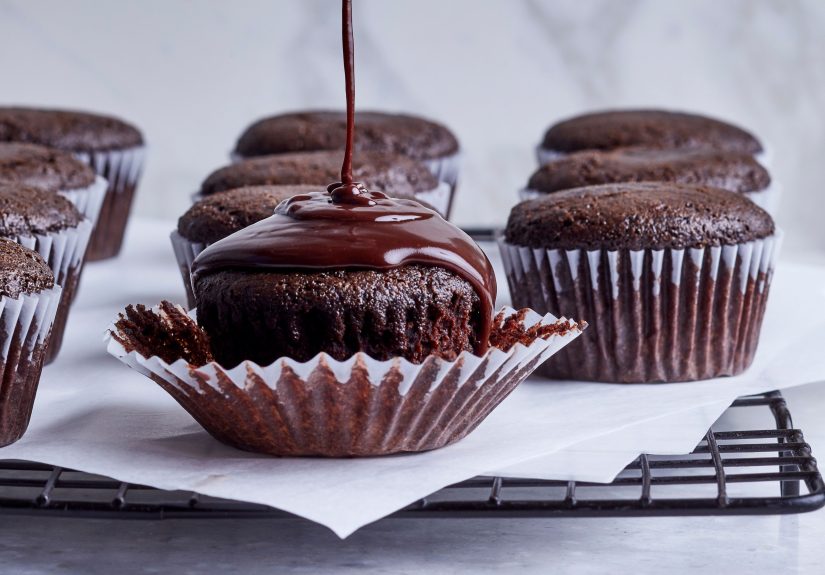
Classic #2: Deep Chocolate Fudge Cupcakes
Flavor profile: rich cocoa, moist crumb, intense but not bitter.
Why it works: cocoa + buttermilk (or sour cream) + oil creates tenderness and deep flavor.
Pro move: bloom cocoa with warm liquid or coffee for rounder chocolate depth.
Pair with chocolate buttercream for maximum drama, or whipped vanilla frosting for contrast.
Classic #3: Red Velvet With Cream Cheese Frosting
Flavor profile: lightly cocoa-forward cake with tangy frosting contrast.
Why it works: acid and cocoa create that signature velvet-like texture and flavor.
Pro move: don’t overdo food coloring; flavor and texture matter more than neon red.
Keep frosting slightly cool so it pipes cleanly and holds shape at room temperature.
Classic #4: Lemon Cupcakes With Tart Filling
Flavor profile: bright citrus cake, punchy center, creamy finish.
Why it works: acidity cuts sweetness and keeps each bite lively.
Pro move: core the center and add lemon curd after cooling.
Top with vanilla or lemon buttercream and a tiny zest sprinkle. This one disappears fast at spring and summer gatherings.
Unexpected Cupcake Recipes That Actually Work
“Unexpected” should mean smartly different, not random. These combos are bold but balanced, so they still taste like dessert and not a dare.
Unexpected #1: Chai Latte Cupcakes
Warm spices (cinnamon, cardamom, ginger, clove) in a soft vanilla base create bakery-café energy at home.
Frost with espresso buttercream or lightly sweetened cream cheese frosting.
Finish with a dusting of cinnamon for visual cue and aroma.
Unexpected #2: Banana Pudding Cupcakes
A nostalgic Southern-style idea turned handheld: vanilla cake, banana notes, creamy filling, and cookie crunch.
The secret is texture contrastsoft crumb, silky center, and a crisp topping added just before serving.
Unexpected #3: Chocolate + Peanut Butter Crunch
A classic flavor pair with modern structure: moist chocolate cake, peanut butter frosting, then a salty crunch element (chopped peanuts, brittle crumbs, or crisp cereal clusters).
Keep the topping light so the frosting still pipes beautifully.
Unexpected #4: Strawberry-Lemonade Cupcakes
Tangy lemon batter meets strawberry reduction or jam swirl. This works because fruit sweetness and citrus acidity keep each other in check.
If using fresh berries, concentrate flavor first (reduce puree) so the cake doesn’t taste watery.
Unexpected #5: Malted Chocolate Cupcakes
Add malted milk powder to chocolate batter or frosting for old-school soda-shop depth.
It reads nostalgic and new at the same time. Great for bake sales because people can’t quite identify why they love itthey just ask for another.
Frosting Strategy: Match Sweetness, Texture, and Stability
Cupcake frosting isn’t one-size-fits-all. Use buttercream when you want structure and clean piping. Use cream cheese frosting when you need tang to balance sweetness. Use whipped-style frostings when you want lighter mouthfeel (and serve promptly).
If your buttercream feels too stiff, add liquid gradually (teaspoon by teaspoon). Too loose? More sifted powdered sugar, a little at a time. For warm rooms, chill frosting briefly before piping and keep finished cupcakes away from direct sunlight or heat.
Troubleshooting: Fast Fixes for Common Cupcake Problems
- Dry cupcakes: likely overbaked or over-measured flour. Check earlier and weigh ingredients next time.
- Dense texture: overmixing after flour addition, or butter/sugar not creamed enough.
- Sinking centers: oven too hot, overfilled liners, or opening oven too early.
- Sticky liners: lower-quality liners or excess moisture; use grease-resistant liners and cool on a rack.
- Runny frosting: butter too warm; chill bowl briefly, then re-whip.
- Too sweet overall: add acid or salt contrast (citrus, cream cheese, pinch of salt, fruit filling).
Conclusion: Build Your Signature Cupcake Lineup
The best cupcake recipes are not just about flavorthey’re about reliability, texture, and personality. Start with your classic four (vanilla, chocolate, red velvet, lemon), then rotate in two unexpected flavors each month to keep your baking fresh and your crowd impressed.
Keep your method consistent, your ingredients measured, and your flavor pairings intentional. That’s how cupcakes go from “cute” to “can-you-make-these-again-next-week?”
And if anyone asks whether homemade cupcakes are worth it, hand them one warm-from-the-pan chocolate cupcake with silky frosting. Conversation over.
Extended Cupcake Experiences (About )
In real kitchens, cupcake success is usually less about talent and more about rhythm. The bakers who get consistent results tend to develop tiny habits: setting out ingredients early, preheating the oven longer than they think they need, and lining the pan before they start mixing. Those habits look boring, but they quietly eliminate half the reasons cupcakes fail. The first big “aha” moment many home bakers report is realizing that cupcakes reward planning more than speed.
Another common experience is the surprise of texture changes from one small adjustment. Someone switches from scooping flour directly from the bag to spoon-and-level (or weighing), and suddenly the cupcakes are softer. Someone stops beating the batter for an extra two minutes “just to be safe,” and suddenly the crumb is lighter. These are tiny mechanical changes, but they feel dramatic when the result goes from “fine” to “bakery level.” Cupcakes are excellent teachers because the feedback is immediate and obvious.
Flavor confidence often grows in stages. Most bakers start with vanilla or chocolate because they feel safe and familiar. Then they try one twistmaybe lemon curd filling or espresso in the frosting. After that, experimentation becomes less scary. A lot of people discover that “unexpected” flavors work best when one element stays classic. For example, a standard vanilla cake with a bold filling, or a classic chocolate base with a playful topping. Keeping one anchor flavor makes the cupcake feel intentional, not chaotic.
Frosting is where personality really shows up. Some bakers love precise piping with sharp ridges and tall swirls. Others prefer a relaxed, offset-spatula look that feels homemade in the best way. Both styles can look beautiful. What matters most is matching frosting texture to your goal. A softer frosting may taste luxurious but slump in warm rooms; a firmer frosting pipes beautifully but can feel heavy if over-sugared. The practical lesson many bakers learn is that texture is just as important as sweetness.
Storage and timing create another set of real-world experiences. Fresh cupcakes are wonderful, but schedules are real. People baking for school events or office celebrations often discover that freezing unfrosted cupcakes is a lifesaver. They bake ahead, cool completely, freeze airtight, then frost the day of serving. This approach lowers stress and often improves quality because decoration happens when the baker is calm and focused instead of rushing five minutes before leaving the house.
There’s also the social side of cupcakes, which is underrated. Cupcakes invite sharing in a way large cakes don’t. You can bring assorted flavors to one table and let people choose their own little moment of joy. Kids gravitate to bright sprinkles and chocolate swirls. Adults often reach for citrus, coffee, or less-sweet frostings. Bakers who make mixed batches quickly learn their crowd’s flavor map: who wants classics, who wants adventure, and who pretends they’re “just tasting” before taking a second one.
Over time, these experiences shape a personal cupcake style. Some bakers become known for immaculate vanilla cupcakes with perfect domes. Others become the “surprise flavor” person who always shows up with something new. Neither path is better. The best outcome is finding a system that fits your kitchen, your schedule, and your taste. That’s when cupcake baking stops feeling like a recipe and starts feeling like a craftrepeatable, creative, and genuinely fun.
If there’s one final shared experience across almost every baker, it’s this: confidence arrives one batch after another, not all at once. You learn from the tray that overbrowned. You adjust after the frosting that split. You laugh at the lopsided swirl, then pipe a better one. Eventually, cupcakes become less of a “special event project” and more of a dependable joy. And that’s the sweet spotwhen technique supports creativity, and your cupcakes taste exactly like your style.






 Close
Close