
Table of Contents >> Show >> Hide
- What “a great TV deal” actually means in 2025
- The 2025 TV deal calendar: when to buy and why
- Best TV deal “types” for 2025 shoppers
- OLED deals: best for movie nights (and bragging rights)
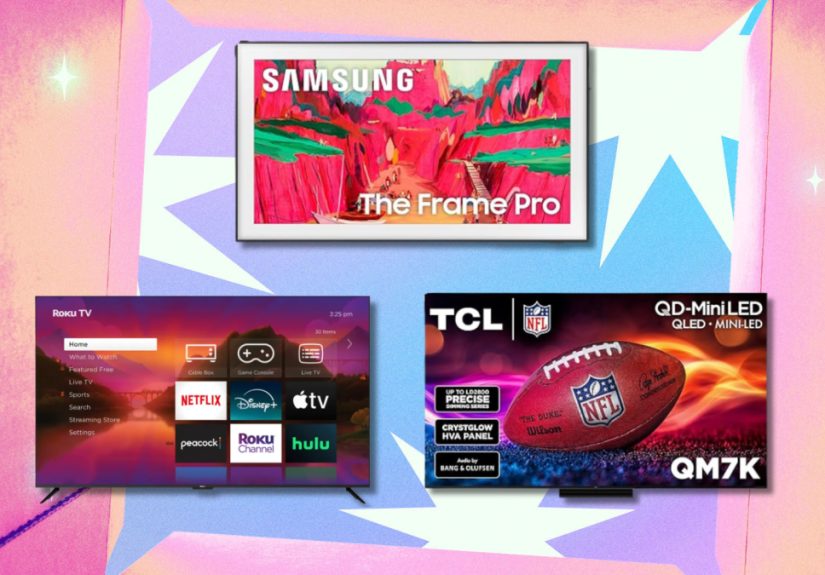
- Mini-LED and QLED deals: best for bright rooms and sports
- Big-screen bargains (75"–98"): where 2025 got spicy
- Small-but-mighty deals (42"–55"): best for bedrooms, apartments, and gaming
- Lifestyle TVs (art frames and design-forward models): deals exist, but they’re weird
- Retailer-by-retailer: where the best 2025 TV deals usually showed up
- Best Buy: the deal lab for mainstream shoppers
- Amazon: flash deals and convenience (with a side of chaos)
- Walmart: budget kings and “surprisingly decent” picks
- Costco and Sam’s Club: bundles, warranties, and fewer headaches
- Target: solid promos, especially during major sale weeks
- B&H and specialty retailers: great for specific models
- How to spot a “fake deal” in 60 seconds
- Accessories that made a good 2025 deal even better
- Quick-pick cheat sheet: 2025 deal targets by budget
- FAQ
- Real-world deal-hunting experiences from 2025 (the stuff people actually ran into)
- Conclusion
Buying a TV in 2025 felt a little like shopping for jeans: the “perfect fit” exists, but only after you try on
approximately 47 options, learn six new acronyms, and briefly consider moving to a cabin with no Wi-Fi.
The good news? 2025 was also an excellent year to score a legit TV dealespecially if you knew
when to shop, what specs to prioritize, and how to avoid the “mystery model number” trap.
This guide breaks down the best TV deals for 2025 the way a sane human would actually shop: timing, TV types,
retailers, and the quick checks that separate a real bargain from a “discount” that only exists in the imagination
of an overcaffeinated pricing algorithm.
What “a great TV deal” actually means in 2025
Deal #1: The price drops, but the TV stays good
A real deal is price-to-performance. In 2025, that often meant grabbing last year’s top-performing
OLED or Mini-LED when the next lineup started arriving, or pouncing on a midrange model that finally dipped into
“why not?” territory.
Deal #2: You’re not paying extra for specs you’ll never use
If you mostly stream shows and watch sports, you don’t need to pay premium pricing for the most advanced gaming
featuresor for a brightness level that could signal airplanes. If you do game, on the other hand, paying a
little more for 120Hz, VRR, and enough HDMI 2.1 ports can be the difference between “buttery smooth” and
“why does this feel like a flipbook?”
Deal #3: You’re buying the right screen size for your room
The sneaky secret of 2025: bigger screens kept getting more affordable. That didn’t mean everyone needed an
85-inch behemothit meant shoppers had more room to choose a size that fits their space without overpaying.
The 2025 TV deal calendar: when to buy and why
January to early February: Super Bowl season
The first “major TV deal season” of the year tends to arrive before the big game. Retailers lean hard into
big-screen promotions, and you’ll often see aggressive markdowns on mainstream sizes like 55″, 65″, 75″, and 85″.
If you wanted a TV fast, this was one of the best windows in 2025 to buy without waiting until Black Friday.
March to May: Spring clearance and model-year turnover
When new lineups roll in, older models get nudged off the stagesometimes politely, sometimes by getting
punted into clearance with a “please take me home” discount. In 2025, this was one of the smartest times to buy
a higher-tier TV (especially OLED or premium Mini-LED) at a more comfortable price.
July: Prime Day and mid-summer sale events
Mid-summer events became a dependable “second Black Friday” moment. In 2025, shoppers frequently saw steep
discounts on mainstream smart TVs, plus strong deals on last-gen premium sets. If you were patient, July often
rewarded youespecially if you had flexible brand preferences.
August to October: Pre-holiday ramp (aka “soft launch” deals)
Retailers warmed up for the holidays with early promotions, and 2025 was no exception. You could often find
very good prices before the November chaossometimes with better inventory and less “sold out in 11 seconds”
drama.
Late November: Black Friday and Cyber Week
Still the heavyweight champ for deal volume. In 2025, Black Friday remained the best time to find the widest
range of price drops across OLED, Mini-LED, and budget LED sets. The trick was filtering out the noisy deals and
focusing on models with solid reviews and reputable panels.
December: Post-holiday leftovers
When the holiday rush ends, some retailers discount remaining inventory or add extra incentives (bundles,
free delivery/installation promos, extended returns). If you didn’t need the TV for a specific event, late December
could be a quiet win in 2025.
Best TV deal “types” for 2025 shoppers
OLED deals: best for movie nights (and bragging rights)
OLED stayed the gold standard for deep blacks, cinematic contrast, and “wow” factor in dark rooms. The best OLED
deals in 2025 often showed up when:
- Last year’s OLED models got cleared out in spring.
- Entry-level OLED lines dipped low enough to compete with premium Mini-LED pricing.
- Black Friday pushed midrange OLEDs into unusually reasonable price territory.
Examples to watch (model families): entry-level OLED lines (often branded as a “B” tier), midrange
OLED lines (often a “C” tier), and QD-OLED options from major brands. In 2025, these categories repeatedly showed up
in deal roundups because they deliver premium picture quality without requiring you to sell a kidney.
Mini-LED and QLED deals: best for bright rooms and sports
If your living room is basically a sunroomor you watch a lot of daytime sportsMini-LED and strong local-dimming
QLED sets can be the best value. In 2025, the “sweet spot” was often midrange Mini-LED: high brightness, solid
contrast, and enough features for gaming and movies without premium OLED pricing.
Examples to watch (model families): popular Mini-LED lines from value leaders (often labeled as
“U” or “QM” series), plus premium “Neo QLED”-style lines from bigger brands when they dipped during major sales.
Big-screen bargains (75″–98″): where 2025 got spicy
In 2025, large screens weren’t just for people with dedicated home theaters and suspiciously roomy basements.
Deal seasons regularly pushed 75″ and 85″ into far more attainable pricing. The best big-screen deals tended to
come from:
- Strong midrange Mini-LED/QLED models (great brightness per dollar).
- Warehouse-club promotions and bundles (especially when inventory was high).
- Clearance pricing on previous-year premium models.
Pro tip: big screens magnify everythingincluding low-quality upscaling and weak motion handlingso don’t
sacrifice too much TV quality just to go massive.
Small-but-mighty deals (42″–55″): best for bedrooms, apartments, and gaming
Smaller premium TVs were a quiet highlight in 2025. A 42″–48″ OLED can be a fantastic “desktop-to-couch” gaming
screen, while a good 55″ can still be the perfect living-room size for many homes. Deals here often looked like:
- Last-gen OLEDs dropping into “impulse buy (but responsible)” territory.
- Midrange QLED sets offering excellent HDR for the price.
- Retailers bundling streaming devices or offering extended returns.
Lifestyle TVs (art frames and design-forward models): deals exist, but they’re weird
“Lifestyle” TVsthink art-frame stylesoften held price longer, then randomly dropped during a sale event as if the
pricing team remembered they had a mortgage too. If aesthetics mattered, 2025 sales sometimes offered meaningful
discounts, but you had to watch closely and move fast.
Retailer-by-retailer: where the best 2025 TV deals usually showed up
Best Buy: the deal lab for mainstream shoppers
Best Buy was a consistent place to find major brand deals, especially around sports events and Black Friday.
It also stood out for:
- Open-box discounts (often excellent if you inspect return policies and condition grades).
- In-store pickup options when shipping deadlines got tight.
- Occasional bundle promos (soundbars, mounting, or extended return windows).
Amazon: flash deals and convenience (with a side of chaos)
Amazon’s 2025 TV deals were great when you knew exactly what model you wanted. The upside: fast shipping and
frequent sale events. The downside: lots of near-identical model numbers and third-party listings you should
vet carefully.
Walmart: budget kings and “surprisingly decent” picks
Walmart often delivered strong pricing on entry-level and midrange TVs in 2025, plus occasional standouts from
name brands. It’s also a common place for retailer-specific variantssometimes fine, sometimes a spec downgrade.
(More on that in a minute.)
Costco and Sam’s Club: bundles, warranties, and fewer headaches
Warehouse clubs frequently offered compelling 2025 deals because the total package mattered:
competitive pricing, generous return windows, and included protection plans or accessories in some cases.
If you value peace of mind, this is the “sleep better” option.
Target: solid promos, especially during major sale weeks
Target’s best TV deals in 2025 often lined up with storewide events and holiday promos.
If you already shop there regularly, stacking discounts and promos could make a good deal even better.
B&H and specialty retailers: great for specific models
Specialty retailers can be excellent for enthusiasts chasing a particular modelespecially when mainstream
retailers are out of stock. In 2025, these shops sometimes matched major-sale pricing while keeping inventory
available a bit longer.
How to spot a “fake deal” in 60 seconds
1) Decode the model number (yes, really)
In 2025, the model number was your best defense against buyer’s remorse. Retailers sometimes carried variants
that look identical on a product page but differ in panel type, refresh rate, or HDMI features.
If the listing has a weird suffix or retailer-specific code, take a breath and verify specs from a reliable review
outlet before buying.
2) Check refresh rate and HDMI ports like you’re defusing a bomb
“120Hz” matters for gaming and smoother motion, but many budget sets in 2025 still leaned on 60Hz panels.
Also check:
- How many HDMI ports you get (and how many are HDMI 2.1).
- Whether VRR and ALLM are supported (especially for console gamers).
- Whether the TV supports your preferred HDR format (Dolby Vision and/or HDR10+).
3) Don’t ignore the return policy math
The “best deal” isn’t great if the TV arrives with a panel issue and returns are a nightmare.
In 2025, shoppers often favored retailers with strong return windowsespecially during holiday periodsbecause
large TVs are awkward to move and even more awkward to argue about.
Accessories that made a good 2025 deal even better
Soundbars: because your TV speakers are basically tiny whispers
Even expensive TVs can have mediocre sound. In 2025, pairing a discounted TV with a well-priced soundbar (or a
simple 2.1 system) was one of the highest “quality of life per dollar” upgrades.
If you’re deal-hunting, watch for bundlesor buy the TV first and add audio during the next sale.
HDMI cables: buy the right one once
If you have a next-gen console or a gaming PC, look for an Ultra High Speed HDMI cable for 4K at 120Hz and VRR.
For most streaming boxes, you don’t need to overthink itbut you do want a reputable cable brand and the correct
length for your setup.
Mounts and placement: the “free” picture upgrade
Before spending more money, place the TV at a comfortable eye level and reduce glare. In 2025, many “my new TV
looks weird” complaints were solved with… moving a lamp. I wish I were kidding.
Quick-pick cheat sheet: 2025 deal targets by budget
Under $500
- 55″ budget 4K LED TVs with decent HDR support.
- Occasional midrange 55″ QLED deals during major sales.
- Great for: casual streaming, bedrooms, and “I just need a TV” setups.
$500–$1,000
- 65″ QLED/Mini-LED sweet spots during big sale events.
- Entry-level OLED sizes (often 42″–48″) when discounts got aggressive.
- Great for: sports fans, bright rooms, and gamers who want real features.
$1,000–$2,000
- Premium 65″ OLED deals (especially on last-gen models).
- High-performing 75″ Mini-LED options that rival OLED in impact.
- Great for: movie lovers who also watch with lights on.
$2,000+
- Flagship OLEDs and large-screen premium models during limited windows.
- 85″–98″ “statement TVs” that dominated living rooms in 2025.
- Great for: dedicated home theater vibes and “yes, we host game day.”
FAQ
Should you buy an 8K TV in 2025?
For most people, no. In 2025, 4K content was still the practical standard, and the best deals were usually on
excellent 4K TVs with strong HDR performance. If you found an 8K TV at a steep discount and you understand the
tradeoffs, it can be finebut it wasn’t the best value target for most households.
Is open-box or refurbished worth it?
Often, yesif you buy from a reputable retailer, confirm return terms, and verify the condition rating.
In 2025, open-box deals were a smart way to jump a tier (for example, from “fine” to “great”) without paying full
price. Just inspect the screen carefully and keep all packaging until you’re sure.
Is OLED burn-in still a thing?
OLED technology and safeguards improved a lot, and typical mixed use is generally fine. But if you watch the same
channel with static logos all day, every day (or use it as a constant-news display), consider Mini-LED insteador
at least use built-in screen protection features.
Real-world deal-hunting experiences from 2025 (the stuff people actually ran into)
Here’s what deal hunting looked like for real shoppers in 2025based on common scenarios people described
across deal seasons, forums, and retailer patterns. No superpowers required, just a little strategy and a willingness
to refresh a page without spiraling into existential dread.
Experience #1: The “I waited too long and now it’s pickup only” moment.
A classic 2025 story: you spot a killer price on a well-reviewed 65″ TV during Super Bowl season, decide you’ll buy
it tomorrow (because you’re a responsible adult who “doesn’t impulse buy”), and tomorrow the only option is
curbside pickup… 47 miles away… in a snowstorm… at 8:12 a.m.
The lesson? If a deal is truly excellent on a popular size, shipping inventory can vanish fast. In 2025, the smarter
move was to buy when you see a strong price from a reputable retailer with a decent return policy. If you’re unsure,
prioritize retailers with longer return windows so you can evaluate the TV at home without pressure.
Experience #2: The model number mystery and the “wait, why is this cheaper?” puzzle.
Shoppers in 2025 frequently stumbled on “almost the same” model names: one version at a big-box retailer for less,
and another version elsewhere for more. Sometimes the cheaper one was a legitimate sale. Other times, it was a
variant with fewer HDMI 2.1 ports, a different panel, or a less capable processor. The lesson? Before checkout,
open a second tab and confirm the exact model number and core specs. If you can’t find a credible spec breakdown
or review of that precise model, treat the deal like a suspicious text message from “your bank.”
Experience #3: The soundbar bundle that looked unnecessary… until the first movie night.
Many 2025 deal bundles included soundbars, and plenty of shoppers rolled their eyesuntil they heard TV speakers
struggle with dialogue in an action scene (which is basically every modern show). The lesson? If the bundle adds a
meaningful audio upgrade for a reasonable bump in price, it can be a better overall deal than a TV-only discount.
If the bundle is junky or overpriced, skip it and wait for a dedicated audio sale.
Experience #4: “It looked amazing in the store” vs. “why does it look weird at home?”
Bright store lighting and vivid demo loops can make any TV look impressive. In 2025, a lot of buyer regret came
from not considering room lighting and viewing angles. The lesson? If you have a bright room, prioritize brightness
and reflection handling (often a strength of Mini-LED). If you watch mostly at night, OLED’s contrast can be
unbeatable. And no matter what you buy, plan on a quick settings tweak: turning off ultra-aggressive motion
smoothing can transform “soap opera vibes” into “cinema vibes” in about 12 seconds.
Experience #5: The happiest shoppers weren’t the ones who chased the lowest price.
The most satisfied 2025 buyers tended to do two things: (1) pick a short list of models that fit their needs, and
(2) buy when the price hit a “good enough” thresholdrather than obsess over the absolute lowest possible number.
The lesson? If you set your target (for example: “65-inch Mini-LED with 120Hz and solid HDR”), you can grab a great
deal without living in constant refresh-mode. Your time is worth something too.
Conclusion
The best TV deals for 2025 weren’t magicthey were pattern-based. If you shopped during major sale windows,
prioritized the specs that actually match your habits, and verified the exact model you were buying, you could land
a screen that feels wildly premium without paying wildly premium money.
Pick your deal season, choose your TV type (OLED for cinema, Mini-LED for bright-room punch, or budget LED for
straightforward value), and remember: the best “feature” is the one you’ll notice every daylike clear motion for
sports, great HDR for movies, or enough HDMI ports for all your gear. Happy hunting.





 Close
Close