
Table of Contents >> Show >> Hide
- The Tiny Ship With the Big Attitude
- Meet the Man Behind the Minnow: Newton Minow
- Sherwood Schwartz vs. Network Control
- Why Add an Extra “N”? The Art of Plausible Deniability
- Was It Really a “Middle Finger” to the FCC?
- What This Says About TV Censorship, Then and Now
- Why This Trivia Still Hooks Us
- Conclusion: A Tiny Ship, a Big Message, and One Extra “N”
- Extra: of “Been There, Got the Notes” Experiences (and Why the Minnow Feels Familiar)
Model: GPT-5.2 Thinking
You know that sunny little earworm that begins with a “three-hour tour” and ends with seven people
inventing coconut Wi-Fi? Right. Gilligan’s Island is comfort TVbright colors, big characters,
low stakes (unless you’re the Skipper’s blood pressure).
But tucked into that goofy premise is a surprisingly pettyand deliciously nerdypiece of TV history:
the boat’s name, the S.S. Minnow, wasn’t just “aww, a tiny fish.” It was also a wink, a jab,
and a network-era version of subtweeting a federal regulator.
Yes, the Gilligan’s Island boat name is basically a sitcom smile with a raised middle finger behind
its back. Let’s unpack why.
The Tiny Ship With the Big Attitude
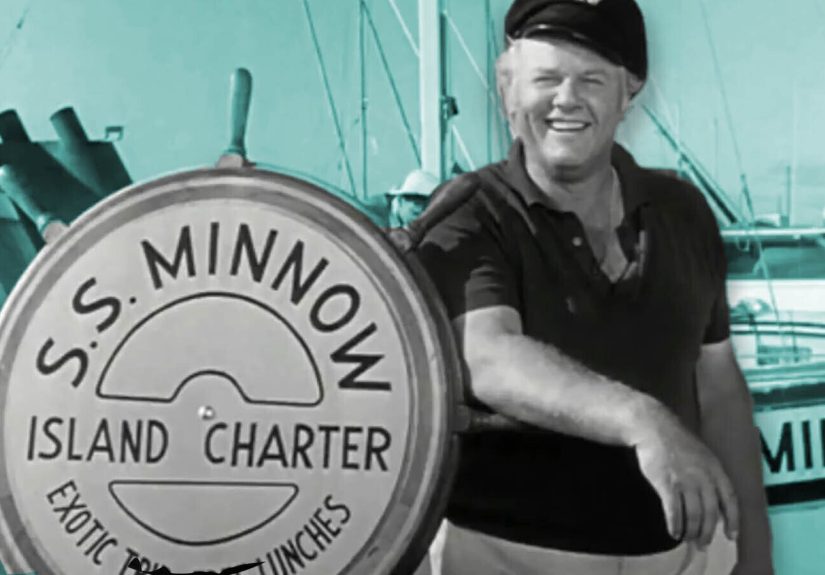
In-universe, the S.S. Minnow is a modest charter boat. In the theme song, it’s “this tiny ship” that gets
tossed around by a storm like a salad in a hurricane. Naming it after a small fish feels obvious: minnows are
small, harmless, andif you’re a larger fishbasically a snack with ambitions.
That surface-level explanation works so well that most viewers never suspect the deeper joke. Which is exactly
what makes it such a good joke. It’s stealth pettiness: the kind that survives standards-and-practices meetings
because it looks wholesome on paper.
Why “Minnow” Was the Perfect Cover Story
- It sounds nautical. Fish + ocean = nobody asks questions.
- It fits the premise. A “tiny ship” named after a tiny creature is neat symmetry.
- It’s plausible branding. Tourists love cute names. “S.S. Existential Dread” doesn’t sell tickets.
But behind the cute fish façade is an inside joke aimed at a man who, in the eyes of some TV creators,
represented the moment the fun police got a bigger budget.
Meet the Man Behind the Minnow: Newton Minow
The “Minnow” was widely understood as a dig at Newton N. Minow, who chaired the
Federal Communications Commission (FCC) in the early 1960s. If you’ve ever heard the phrase
“vast wasteland” used to dunk on television, that’s his legacyone part critique, one part cultural
grenade.
The “Vast Wasteland” Speech: The Day TV Got Yelled At
In 1961, Minow delivered a now-famous speech to broadcast leaders, essentially challenging them to watch a full
day of their own programming and then try not to cringe. The phrase “vast wasteland” stuck because it was blunt,
sticky, and just insulting enough to be unforgettable.
Importantly, the point wasn’t “ban everything fun.” The speech argued that TV could be extraordinaryand that
broadcasters had a public responsibility to aim higher. Still, when you’re a writer-producer trying to get a gag
past nervous executives, “public responsibility” can feel like someone just replaced your comedy toolbox with a
pamphlet.
So Was Minow a Censor?
Not in the cartoon-villain senseno twirling mustache, no stamp that reads “DENIED: TOO SILLY.”
But the FCC’s oversight of broadcast licenses meant that criticism from the top could create a serious
“better safe than sorry” vibe. And when corporate America gets scared, it doesn’t get braveit gets
notes.
Sherwood Schwartz vs. Network Control
Sherwood Schwartz, the creator/executive producer behind Gilligan’s Island, wasn’t just
writing a breezy island sitcom. He was also working during a period when networks were increasingly
tightening their grip on showstone, content, structure, everything.
In interviews and retellings, Schwartz framed Minow’s era as a turning point: networks, now more anxious about
responsibility and perception, asserted more control over what made it on air. To a producer, that can feel like
you’re building a sandcastle while someone keeps “helpfully” redecorating it with a bulldozer.
The Pilot Problem: When “Helpful” Means “Surprise Surgery”
One of the stories that often comes up is Schwartz’s frustration with network meddlingsuch as changes made to
the pilot process and extra footage being added in ways he disliked. Whether you agree with his diagnosis or not,
the emotional logic is relatable: if you believe someone helped empower the people who keep rewriting your work,
you might want a little payback.
And so, instead of writing an angry letter on fancy stationery, Schwartz did what TV people do best:
he put the jab in the show.
Why Add an Extra “N”? The Art of Plausible Deniability
Here’s the chef’s-kiss detail: the regulator’s surname is Minow. The boat is the
Minnow.
That extra “N” is doing a lot of work. It turns a direct callout into a fish. It transforms “we named our boat
after a government official we’re mad at” into “what? it’s a cute little fish namewhy are you being weird?”
Broadcast-Era Subtweeting 101
- Make the reference clear to insiders.
- Make it defensible to everyone else.
- Smile innocently when asked about it.
It’s the same strategy comedians use when they want to roast someone in a way that sails past the “be nice”
committee. The Minnow wasn’t just a ship; it was a loophole with life jackets.
Was It Really a “Middle Finger” to the FCC?
“Middle finger” is modern phrasing. Early-’60s network television generally didn’t do literal middle fingers
(unless hidden behind a palm tree and a sponsor was feeling rebellious). But as a metaphor, it fits:
the S.S. Minnow is a prank with a purpose.
If you imagine the FCC as a strict hall monitor and TV creators as kids trying to pass notes in class, naming your
show’s doomed boat after the hall monitor is absolutely the kind of revenge a creative person would choose.
Not violent. Not illegal. Just petty enough to be satisfyingand permanent enough to live in reruns forever.
The Best Part: Minow Apparently Took It in Good Humor
One reason this trivia endures is that it doesn’t end with a bitter feud. Accounts over the years describe Minow
as amused, even honored, by the referenceturning the whole thing into the rarest of cultural moments:
a clapback that becomes a friendship story instead of a lawsuit.
What This Says About TV Censorship, Then and Now
The Minnow story is fun because it’s petty, but it’s also revealing. It captures a real creative tension that
still exists: the push-and-pull between makers and gatekeepers.
1960s Broadcast Standards: One Remote, Three Networks, Infinite Anxiety
In the network era, executives lived with a constant fear of backlashfrom advertisers, affiliates, and yes,
regulators. That fear translated into control. And control translated into formulas: safer jokes, cleaner edges,
fewer surprises.
Today’s Version: Algorithms, Platforms, and the New “Public Interest”
Swap “license renewals” for “brand safety,” “platform policies,” and “monetization guidelines,” and you can see
the shape of the same debate. Creators still do the dance:
- How edgy can you be before the system punishes you?
- Who decides what “responsible” looks like?
- Can you sneak meaning in through a fish-shaped loophole?
The S.S. Minnow is basically a fossil record of that dancepressed into pop culture amber.
Why This Trivia Still Hooks Us
Part of the charm is that it reframes Gilligan’s Island. Suddenly, the show isn’t just “coconuts and
confusion.” It’s also a little time capsule of how TV people felt when the rules of the game changed.
And it’s a reminder that writers and producers rarely waste a good opportunity for a private jokeespecially one
that can’t be easily removed once it’s on film. You can cut a line. You can rewrite a scene. But renaming the
boat after it’s painted on the hull? That’s work. Petty, committed, artisanal work.
A Quick “Gilligan’s Island Boat Name” Trivia Box
- Boat name: S.S. Minnow
- Hidden reference: Newton N. Minow (FCC chairman, early ’60s)
- Why it matters: A symbolic jab about creative control and TV regulation
- Why it lasted: It’s funny, deniable, and endlessly repeatable
Conclusion: A Tiny Ship, a Big Message, and One Extra “N”
The next time you hear “a three-hour tour,” picture the S.S. Minnow not just as a plot device, but as a
floating punchlinean industry in-joke about the era when television started taking itself (and its regulators)
very seriously.
The boat’s name is the kind of rebellion only network TV could produce: polite on the surface, spicy underneath,
and cleverly disguised as wildlife. It’s not a rant. It’s not a manifesto. It’s a tiny fish with a gigantic
grudgeand it might be the funniest piece of “TV censorship” commentary ever painted on a sitcom prop.
Extra: of “Been There, Got the Notes” Experiences (and Why the Minnow Feels Familiar)
If you’ve ever created anything for a livingan episode, a campaign, a blog post, a TikTok, a stand-up setthen
the S.S. Minnow probably hits you in the same place it hits every writer’s room veteran: right in the “oh no,
here come the notes” muscle.
The most common experience isn’t dramatic censorship. It’s subtler: the slow transformation of a punchy idea
into a “safer” idea because everyone in the chain is trying to avoid being the person who gets blamed later.
In the broadcast era, that fear could be tied to affiliates and licensing pressure. Today, it’s tied to
screenshots, outrage cycles, demonetization, and the mysterious moods of platforms that claim they don’t have moods.
The lived reality (for creators and marketers alike) is that you start learning to speak two languages at once:
the language of the joke and the language of the defense. You pitch a line that’s sharp. You also pitch the
explanation for why it’s not “too sharp.” You don’t just write; you pre-lawyer. And once you get good at that,
you start building hidden compartments in your workplaces where meaning can live without getting flagged.
That’s why the Minnow feels like a creator’s victory. It’s a case study in how people adapt. When you can’t put
your frustration in a monologue, you put it in a name. When you can’t call out a powerful figure directly, you
add one letter and let plausible deniability do the heavy lifting. The audience gets a cute fish. The insiders
get a wink. Everyone winsexcept the storm, which remains undefeated.
Fans have their own version of this experience, too. There’s a specific joy in learning that something you loved
as a kid has an adult layer you missed: an Easter egg that wasn’t meant for you yet. It turns passive watching
into a little treasure hunt. You rewatch the opening credits, spot the name, and suddenly the show gains a new
dimension: it’s not just silly; it’s sly.
And if you work in modern media, the Minnow is basically therapy. It reminds you that creative people have always
wrestled with gatekeepingwhether it’s a federal commission, a network standards department, an advertiser, or an
algorithm with the temperament of a cat. The tools change. The platforms change. The panic changes outfits.
But the instinct stays the same: if you can’t win the argument in the boardroom, you might still win it in the art.
Sometimes all it takes is a tiny ship, a tiny fish, and one extra “N.”





 Close
Close