
Table of Contents >> Show >> Hide
- What Makes Coconut Water Different?
- 1. Coconut Water Can Help You Stay Hydrated
- 2. It Provides Electrolytes, Especially Potassium
- 3. It Can Be a Smarter Swap Than Sugary Drinks
- 4. It May Be Helpful After Light to Moderate Exercise
- 5. It May Support Recovery During Mild Illness
- 6. It May Offer Some Kidney Stone-Related Benefits
- 7. It Fits Well Into a More Balanced Diet
- When Coconut Water Is Not the Best Choice
- How to Choose the Best Coconut Water
- Easy Ways to Enjoy Coconut Water
- Everyday Experiences With Coconut Water
- Final Thoughts
If plain water is the reliable best friend of hydration, coconut water is the charming cousin who shows up with electrolytes and a tropical personality. It has been marketed as “nature’s sports drink,” praised for its potassium, and poured into everything from post-workout smoothies to wellness mocktails that cost more than lunch. But does coconut water actually deserve its healthy halo, or is it just a beach vacation in a bottle?
The honest answer is refreshingly normal: coconut water can be a healthy beverage, but it is not magic in a carton. It can help with hydration, provide useful electrolytes, and work as a smarter swap for some sugary drinks. At the same time, it is not automatically better than plain water, not ideal for every athlete, and not a great fit for everyone’s health situation. In other words, coconut water can absolutely earn a spot in a balanced diet, just maybe not the crown, cape, and dramatic slow-motion entrance.
What Makes Coconut Water Different?
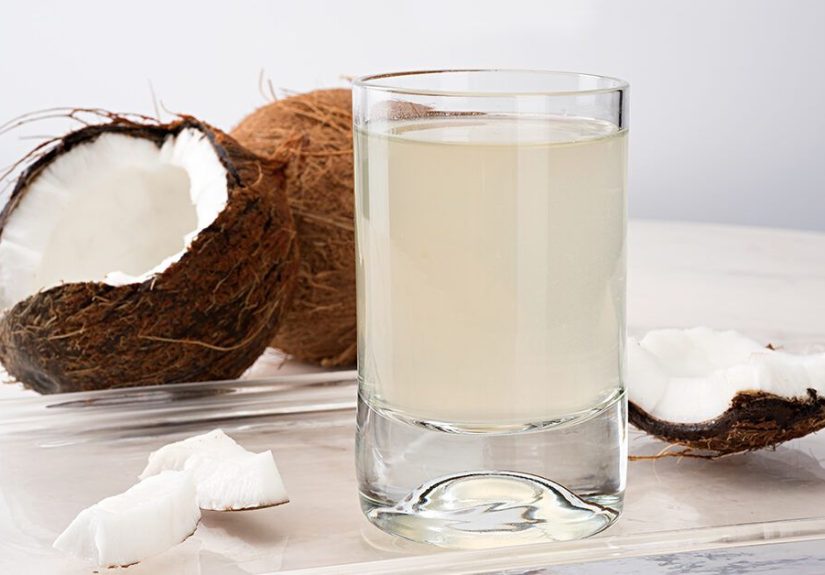
Coconut water is the clear liquid naturally found inside young green coconuts. Unlike coconut milk, which is made from coconut flesh and is much richer and higher in fat, coconut water is light, mildly sweet, and mostly water. It also contains naturally occurring carbohydrates and electrolytes such as potassium, sodium, and magnesium.
That combination is what makes it appealing. An average serving is lower in calories than many juices and sugary sports drinks, but it still offers flavor and minerals that plain water does not. For people who get bored with regular water, coconut water can feel like hydration with a little personality. Sometimes that is enough to make healthy habits stick.
1. Coconut Water Can Help You Stay Hydrated
The biggest benefit of coconut water is also the least dramatic: it helps with hydration. Since it is mostly water, it contributes to your daily fluid intake and can be useful after sweating, spending time in hot weather, or simply not drinking enough during the day.
This matters more than people think. Even mild dehydration can leave you feeling foggy, tired, headachy, and weirdly annoyed by absolutely everything. A beverage that makes hydration easier to maintain can be genuinely helpful, especially if you do not enjoy the taste of plain water.
That said, coconut water is not some superior liquid from the hydration gods. For most healthy adults, plain water is still the best everyday choice. Coconut water is better understood as a helpful option, not a miracle replacement. If it encourages you to drink more fluids overall, that is a real win.
2. It Provides Electrolytes, Especially Potassium
Coconut water’s nutrition reputation largely comes down to electrolytes. These minerals help regulate fluid balance, nerve signaling, muscle contraction, and normal heart rhythm. Potassium is the star here, and coconut water can contain a meaningful amount per serving.
Potassium is important because many Americans do not get enough of it. Diets low in potassium and high in sodium are linked with higher blood pressure risk. In practical terms, a potassium-rich food or beverage can help support a heart-healthy eating pattern, especially when it replaces something less nutritious.
This does not mean one bottle of coconut water will suddenly transform your blood pressure into a yoga instructor. But it can be one useful source of potassium in a bigger picture that includes fruits, vegetables, beans, dairy, and other nutrient-dense foods. Think of it as a supporting actor, not the entire cast.
3. It Can Be a Smarter Swap Than Sugary Drinks
One underrated health benefit of coconut water is what it can replace. If your usual drink is soda, sweet tea, a sugary fruit punch, or a neon sports drink you bought mostly because the bottle looked athletic, unsweetened coconut water may be a more balanced choice.
Many varieties are relatively low in calories and free of fat and cholesterol. They also tend to have fewer additives than heavily sweetened beverages. For someone trying to cut back on excess sugar without switching to boring sadness in a glass, coconut water can be a useful middle ground.
The key word here is unsweetened. Some brands add sugar, flavorings, or extra sodium, which can quickly turn a simple beverage into a dessert wearing a gym pass. The front label may say “natural,” “pure,” or “hydrating,” but the Nutrition Facts panel is where the real plot twist lives.
4. It May Be Helpful After Light to Moderate Exercise
Coconut water is often marketed to active people, and that is not entirely hype. After a walk, bike ride, casual gym session, or sweaty afternoon in the yard, it can help replace fluid and provide some electrolytes. If you enjoy the taste, it may be a pleasant recovery drink.
But there is a catch, and it is an important one: coconut water is especially rich in potassium, while sweat losses are often more about sodium. That means coconut water may not be the best standalone choice for prolonged, intense exercise in hot conditions, especially if you are sweating heavily for an hour or more.
For short or moderate workouts, it is totally reasonable. For endurance events, marathon training, or brutal summer practices, drinks with more sodium may do a better job. Coconut water is great at being coconut water. It does not need to audition as a universal sports drink.
5. It May Support Recovery During Mild Illness
When you are dealing with mild dehydration from heat, poor appetite, or a short-lived stomach bug, coconut water can sometimes be easier to sip than plain water. The mild sweetness and electrolytes may help some people drink more comfortably, especially when they feel washed out and unenthused about everything in the kitchen.
Still, this is not a one-size-fits-all medical solution. If vomiting or diarrhea is significant, if dehydration is severe, or if the person is a child, older adult, or someone with a medical condition, it is better to follow medical advice rather than freestyle your hydration plan from the beverage aisle. Coconut water can be helpful in mild situations, but it is not a substitute for proper treatment.
6. It May Offer Some Kidney Stone-Related Benefits
There is also some early research suggesting coconut water may have kidney-stone-related perks. Hydration is one of the most important steps in lowering kidney stone risk, and preliminary evidence suggests coconut water may increase certain urinary factors, such as citrate, that can be helpful in some cases.
This is promising, but not a green light to chug three liters a day and declare war on your kidneys with tropical enthusiasm. Kidney stones are complicated, and what helps one person may not help another. Coconut water may be a useful part of a hydration strategy, but it is not a cure, and anyone with a history of stones should follow personalized medical advice.
7. It Fits Well Into a More Balanced Diet
Sometimes the best health benefit of a food is not biochemical fireworks. Sometimes it is simply that the food is easy to live with. Coconut water can fit into a realistic eating pattern because it is convenient, portable, and enjoyable. Those things matter more than wellness culture likes to admit.
Healthy habits that feel pleasant tend to last longer. If an unsweetened carton of coconut water helps you skip a sugary drink, stay hydrated during a heat wave, or recover after a workout without feeling like you are forcing down plain water, that is practical nutrition. Not glamorous. Just useful. Which, frankly, is often better.
When Coconut Water Is Not the Best Choice
People with kidney disease or high potassium concerns
Coconut water can be high in potassium, which is usually a plus for healthy people. But if you have chronic kidney disease, a history of high potassium, adrenal issues, or you take medications that affect potassium levels, coconut water may not be the safest regular drink. In those cases, “healthy” can become “not for me,” and that is an important distinction.
People doing long, high-intensity workouts
If you are training hard for a long time in heavy heat, sodium replacement often matters more than potassium. Coconut water can still be part of the picture, but it may not be enough on its own.
Anyone buying the sweetened version by accident
This happens more often than people admit. Some products are basically flavored beverages with a coconut-water storyline. Look for 100% coconut water and pay attention to added sugars.
People treating it like plain water
Coconut water has calories and natural sugars. It is not outrageous, but it is not the same as plain water either. If you drink several large bottles every day, those extras add up.
How to Choose the Best Coconut Water
- Look for 100% coconut water.
- Choose unsweetened varieties whenever possible.
- Check the label for added sugar and added sodium.
- Pick a portion size that makes sense for your day instead of defaulting to the biggest bottle on the shelf.
- If you have a medical condition, ask your clinician whether coconut water fits your nutrition plan.
Easy Ways to Enjoy Coconut Water
You do not need to drink it straight from the carton while making intense eye contact with your post-workout reflection. Coconut water is pretty flexible. You can chill it and drink it on its own, blend it into smoothies, freeze it into popsicles, or use it in mocktails with lime and mint. Some people like it after a walk in the heat. Others prefer it in a smoothie with pineapple, spinach, and banana for a hydration-meets-breakfast situation.
The best use is the one you will actually repeat. Nutrition advice that works only in a fantasy life with infinite free time and matching glass bottles is not very useful.
Everyday Experiences With Coconut Water
One of the most common experiences people describe with coconut water is simple relief. After a hot commute, a long afternoon outside, or a workout that left them feeling wrung out like a dish towel, coconut water can feel easier to drink than plain water. The light sweetness makes it more appealing, especially for people who struggle to drink enough during the day. It is not dramatic. It is just that quiet, “Oh, I needed that” moment, which honestly deserves more respect.
Some runners and gym-goers say they like coconut water after lighter workouts because it feels less syrupy than many sports drinks. They want something refreshing, not a liquid candy experiment. Coconut water often fits that role well. But endurance athletes also notice its limits. After longer, tougher sessions, some say it tastes great but does not fully hit the mark unless they pair it with something salty. That tracks with the bigger nutrition picture: it can help, but it is not always the whole recovery plan.
People trying to cut down on soda or juice often have another kind of experience with coconut water: it helps them transition. Going straight from very sweet drinks to plain water can feel like jumping from fireworks to wallpaper. Coconut water lands somewhere in the middle. It has flavor, but usually not the sugar overload. For some, that makes it easier to build better habits without feeling deprived. No tiny violins. No dramatic breakup speech to sweet drinks. Just a smarter swap.
There is also the convenience factor. Busy parents, travelers, teachers, nurses, and anyone else with a schedule that laughs in the face of long lunch breaks often appreciate drinks they can grab quickly. A shelf-stable carton of coconut water in a bag, desk drawer, or car can be one of those practical backups that keeps a hectic day from turning into an accidental dehydration contest.
Then there are the taste reactions, which are all over the map and kind of hilarious. Some people love the clean, mildly nutty flavor right away. Others take one sip and look betrayed, as if the coconut made promises it did not keep. Brand differences matter here. Some are fresher and lighter, while others taste a little flat or oddly processed. People who think they hate coconut water sometimes discover they really just hate one particular brand.
Another common experience is that coconut water feels especially good when served very cold. This may sound obvious, but it matters. Chilled coconut water after time in the heat feels crisp and restorative in a way room-temperature beverages rarely do. Sometimes the health habit sticks not because of a nutrition chart, but because the sensory experience is genuinely pleasant. That is not trivial. That is behavior science wearing flip-flops.
Finally, many people find that coconut water works best when they stop expecting it to be a miracle. Once it is treated as a useful beverage instead of a cure-all, expectations improve and so does the experience. It can hydrate you, provide potassium, and help replace less nutritious drinks. That is already plenty. Not every healthy choice has to arrive on a unicorn.
Final Thoughts
Coconut water really does have health benefits, but the strongest ones are practical rather than magical. It can help with hydration, provide electrolytes like potassium, and serve as a lower-calorie alternative to many sugary drinks. It may also be useful after mild exercise, during hot weather, or as part of a balanced diet that supports heart health and smart hydration.
Still, plain water remains the everyday champion for most people. Coconut water is best viewed as a helpful option in the rotation, not a beverage that needs its own fan club. Choose an unsweetened brand, watch the label, and remember that what makes a drink healthy is not clever marketing. It is how well it fits your actual body, your routine, and your overall diet.







 Close
Close