
Table of Contents >> Show >> Hide
- What “At-Home Laser Hair Removal” Actually Means
- The Biggest Pros of At-Home Laser Hair Removal
- The Biggest Cons of At-Home Laser Hair Removal
- Who Is Most Likely to Benefit?
- Who Should Be More Careful?
- How to Use an At-Home Device More Safely and Effectively
- At-Home vs. In-Office Laser Hair Removal
- Common Experiences With At-Home Laser Hair Removal
- Final Verdict
- SEO Metadata
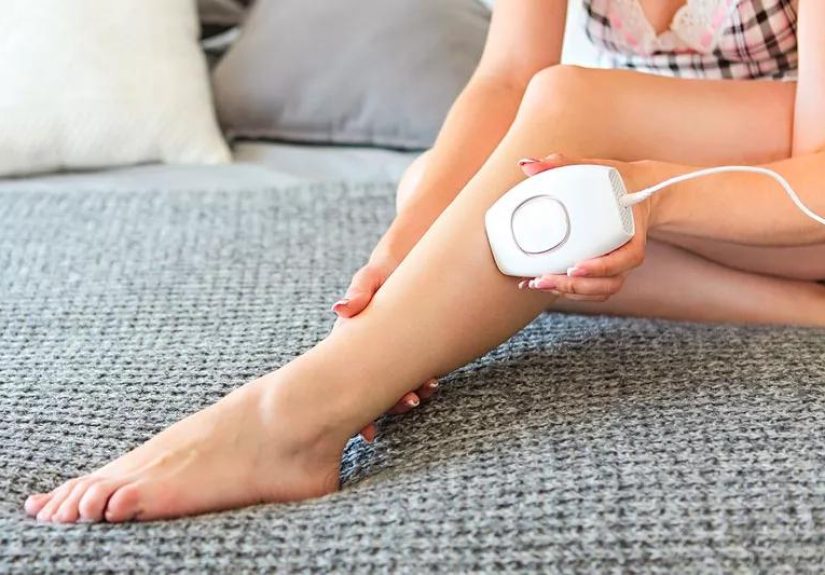
If shaving feels like a part-time job and waxing feels like paying to be betrayed by hot glue, at-home laser hair removal can sound like the hero of the story. The pitch is simple: buy one device, zap unwanted hair in your bathroom, and slowly break up with razors forever. It is a compelling idea, and for some people, it really can help reduce hair growth over time.
But there is a catch the size of a beauty aisle. “At-home laser hair removal” is often used as an umbrella term for devices that may use either true laser technology or intense pulsed light, also called IPL. These tools are generally less powerful than professional devices, which makes them more convenient and more accessible, but also slower and more limited. In other words, this is not a miracle wand. It is more like a very determined intern: helpful, sometimes impressive, but definitely in need of supervision.
This guide breaks down the real pros and cons of at-home laser hair removal, who tends to benefit most, where people get disappointed, and how to use a device more safely and intelligently. If you are trying to decide whether a home device is worth the money, time, and patience, here is the honest answer: it depends on your hair color, skin tone, expectations, consistency, and willingness to read the manual instead of treating it like decorative paper.
What “At-Home Laser Hair Removal” Actually Means
Before diving into the pros and cons, it helps to clear up a common misconception. Many devices marketed for home hair removal are not the same as the high-powered lasers used in a dermatologist’s office. Some are diode lasers, while many others are IPL devices. Both aim to target pigment in the hair follicle, generating heat that disrupts future hair growth.
That targeting process explains why these devices usually work best when there is clear contrast between hair and skin, especially darker hair against lighter skin. It also explains why blonde, gray, white, and red hair tend to be poor candidates. If the device cannot “see” enough pigment in the hair, it cannot do much useful work. It is a little like trying to find a black cat in a dark room, except the cat is your hair follicle and the flashlight cost a few hundred dollars.
Most home devices are designed for long-term hair reduction, not instant hair removal and not guaranteed permanence. You usually need a series of treatments over weeks or months, followed by occasional maintenance. So if your expectation is “one weekend, one gadget, zero leg hair forever,” reality may send a polite but firm rejection letter.
The Biggest Pros of At-Home Laser Hair Removal
1. Convenience Is the Main Selling Point
The biggest advantage is obvious: you can do treatments at home, on your own schedule, in your own sweatpants, without commuting to appointments or rearranging your week around a clinic calendar. That matters more than people admit. For many users, convenience is the difference between actually sticking with a hair removal plan and giving up after two sessions and a dramatic speech about “self-acceptance.”
Home devices also offer more privacy. Some people do not want to discuss facial hair, underarm hair, or bikini-area grooming with a stranger under fluorescent lighting. Fair enough. At-home treatment gives users more control over the experience and can feel less intimidating than an office procedure.
2. It Can Cost Less Than In-Office Treatments
Professional laser hair removal usually produces faster and more dramatic results, but it can be expensive, especially for large areas like legs or back. A home device often has a higher upfront cost than razors or waxing strips, but it may still be much cheaper than paying for a full series of clinic sessions.
For people who mainly want to reduce maintenance rather than achieve the most aggressive reduction possible, that tradeoff can make sense. If the device helps you shave less often, deal with fewer ingrown hairs, and cut down on salon visits, the math may work in your favor over time.
3. Less Stubble Drama Than Shaving
Unlike shaving, which removes hair at the skin’s surface and lets it return with impressive speed and attitude, laser or IPL-based devices aim below the surface at the follicle. Over time, this can lead to slower regrowth, finer texture, and patches that look less dense.
Some people also like these devices because they may reduce the cycle of razor burn, bumps, and ingrown hairs. That does not mean home treatment is irritation-free, but for users who constantly battle post-shave chaos, it can be a welcome upgrade.
4. You Control the Pace
Some users prefer starting with a small area, such as underarms or lower legs, before committing to larger zones. A home device makes that easy. You can test how your skin responds, see whether you can keep up with the routine, and decide whether the results justify continuing.
This sense of control is underrated. It is less of a leap than buying a full in-office package, and psychologically that makes the process easier for cautious beginners.
The Biggest Cons of At-Home Laser Hair Removal
1. Results Are Usually Slower and More Modest
This is the tradeoff users need to understand first. Home devices are typically less powerful than professional equipment, which is part of why they are sold for over-the-counter use. Lower power can mean a gentler experience, but it also usually means slower progress and less dramatic hair reduction.
Many users do see improvement, but it often takes persistence. Miss sessions, rush the process, or stop after a month because you expected movie-montage results, and disappointment is almost guaranteed. At-home devices reward consistency more than enthusiasm.
2. They Do Not Work Well for Everyone
Hair color and skin tone matter. These devices generally perform best on dark hair because dark pigment absorbs light more effectively. Very light hair often does not respond well. Some devices are also limited by skin tone range, which is why it is essential to check the manufacturer’s guidance and safety chart instead of assuming one device fits all.
This is one of the most frustrating cons because it is not about effort. A person can be diligent, patient, and perfectly consistent and still get weak results if their hair color or skin tone is not a good match for the technology.
3. Irritation and Pigment Changes Are Possible
Just because a device is sold for home use does not mean it is foolproof. Side effects can include redness, swelling, discomfort, and in some cases burns, blisters, or changes in skin color. The risk tends to be higher when the device is used incorrectly, when skin is tanned, or when a user is not an appropriate candidate for that device.
This is where the bathroom-spa fantasy crashes into medical reality. Light-based devices work by generating heat. Heat can help reduce hair growth, but it can also irritate or injure skin when settings are wrong, the device is poor quality, or the instructions are ignored in favor of confidence and vibes.
4. It Takes Real Discipline
At-home laser hair removal is not a one-and-done beauty hack. Most routines call for regular sessions over several weeks, sometimes monthly or biweekly at the beginning, followed by maintenance treatments. That sounds manageable until life gets busy, the charger disappears, and your motivation drops somewhere between week three and week six.
If you know you rarely stick with multi-step beauty routines, be honest with yourself. A home device can be effective, but only when it gets used consistently enough to matter.
5. Product Quality and Marketing Can Be Confusing
The market is crowded, and not every device is marketed clearly. Some products use “laser” as a catch-all term even when the device is actually IPL. Others make bold claims that sound far more dramatic than what most users should reasonably expect. That does not mean every device is bad. It means you need a little skepticism before handing over your money.
Check whether the device is intended for over-the-counter home use, review the supported skin tone and hair color guidance, and avoid assuming that expensive automatically means excellent. Fancy packaging is not a treatment protocol.
Who Is Most Likely to Benefit?
At-home laser hair removal is often best for someone with dark, coarse hair, relatively light-to-medium skin, realistic expectations, and the patience to follow a schedule. It can be especially appealing for areas that are annoying but manageable to treat at home, such as underarms, lower legs, arms, or the bikini line, depending on device instructions.
It can also be a decent option for people who are not chasing perfection. If your goal is “less hair, less often, less fuss,” home treatment may feel successful. If your goal is “glass skin, zero maintenance, immediate payoff,” the home route may feel underwhelming compared with professional treatment.
Who Should Be More Careful?
If you have very light hair, deeply tanned skin, highly reactive skin, or a history of pigment changes or keloid scarring, extra caution is wise. The same goes for anyone taking medications or managing skin conditions that could affect healing or light sensitivity. When in doubt, it is smarter to consult a dermatologist than to crowdsource medical advice from the comment section under a beauty reel.
Pregnancy, active skin irritation, recent tanning, and certain acne medications are also common reasons to pause and get professional guidance first. Safe use is less about bravery and more about judgment.
How to Use an At-Home Device More Safely and Effectively
Read the Instructions Like They MatterBecause They Do
Different devices have different skin tone guidance, treatment intervals, and safety features. Do not assume your new device works exactly like the influencer’s device, your friend’s device, or the one you almost bought at 2 a.m.
Patch Test First
A patch test can help you spot irritation before you treat a large area. This is not the glamorous part of the process, but neither is panicking over a preventable reaction.
Shave, Do Not Wax or Pluck
Most light-based hair removal methods work best when the hair root is present under the skin. Shaving is usually recommended before treatment, while waxing, plucking, or electrolysis can interfere because they remove the target the device is trying to treat.
Avoid Tanning Before and After Treatment
Recent sun exposure can raise the risk of side effects and make treatment less predictable. Sun protection is not optional here. It is part of the process.
Stick With the Schedule
Hair grows in cycles, which is why repeated sessions are necessary. Skipping treatments can slow progress and make the device seem less effective than it might have been with consistent use.
At-Home vs. In-Office Laser Hair Removal
If your budget allows and you want the best chance of faster, more dramatic results, in-office laser hair removal usually has the advantage. Professional devices are stronger, settings can be adjusted by trained clinicians, and experienced providers can better assess skin tone, hair type, and risks.
But that does not mean home devices are pointless. They fill a real niche. They are more affordable, more private, and more convenient. For the right user, they can be a practical middle ground between endless shaving and full clinical treatment.
Think of it this way: professional laser hair removal is the express lane, while at-home treatment is the scenic route. You may still get there. Just do not complain that the highway was faster after you chose the road with three coffee stops and a nap.
Common Experiences With At-Home Laser Hair Removal
One of the most common experiences is early optimism followed by a reality check. Many users start because they are tired of shaving every other day and love the idea of smoother skin with less maintenance. The first few sessions often feel exciting, but visible change may be subtle at first. That can make people wonder whether the device is working at all. In many cases, the answer is yes, but slowly. Users often report that the earliest signs of progress are finer regrowth, slower regrowth, or small patchy areas where hair seems less dense. The transformation is usually gradual rather than dramatic.
Another common experience is learning that consistency matters more than intensity. Some people begin with excellent intentions, use the device regularly for a month, then miss two or three sessions and lose momentum. Later, they conclude the device “did nothing,” when the more accurate description is that the treatment plan never really got a fair shot. People who tend to be happiest with home devices are often the ones who treat the process like brushing their teeth: not thrilling, not glamorous, but part of the routine.
Sensitive-skin users often describe mixed feelings. They may appreciate the privacy and convenience of home treatment, but also notice temporary redness, warmth, or mild discomfort after a session. Many say the sensation is tolerable, especially on lower settings, but certain areas can be more uncomfortable than others. Underarms and bikini-line regions tend to get more dramatic reviews than legs. In plain English: your shins may shrug, while your underarms may file a formal complaint.
People with ingrown hairs or razor bumps sometimes describe some of the most satisfying outcomes. Even when they do not get complete hair reduction, they may see enough reduction in coarse regrowth to feel the device was worth it. Less frequent shaving can mean fewer bumps, less irritation, and a smoother overall skin texture. For these users, success is not about being hairless. It is about breaking a cycle of irritation.
On the other hand, people with blonde, gray, red, or very fine hair often report disappointment. They may use the device correctly and still see minimal change. This can feel frustrating because the effort is real, but the technology has limits. A poor match between the device and the hair’s pigment is one of the biggest reasons users feel let down. It is not always user error. Sometimes the device is simply asking melanin to do a job that barely exists.
There is also a group of users who end up using home devices as maintenance after professional treatments. Their experience is often more positive because the heavy lifting has already been done in-office. In that situation, a home device may help manage occasional regrowth and stretch out the benefits of previous professional sessions. That is a smart use case and one that often gets less attention than flashy before-and-after marketing.
Final Verdict
The pros and cons of at-home laser hair removal come down to one central truth: it can be genuinely useful, but it is not universally effective and it is definitely not magic. The pros are real: convenience, privacy, lower long-term cost than many office treatments, and the potential for meaningful hair reduction when the user is a good candidate and sticks with the plan. The cons are just as real: slower results, limited effectiveness for some hair and skin combinations, the possibility of irritation or pigment changes, and the need for patience that borders on spiritual development.
If you are realistic, careful, and consistent, an at-home device can be a worthwhile tool. If you want the fastest path, have a more complex skin-and-hair profile, or are nervous about doing it yourself, a board-certified dermatologist remains the gold standard. Either way, the best choice is the one that matches your body, your budget, and your expectationsnot the one with the loudest ad and the smoothest promise.






 Close
Close