
Table of Contents >> Show >> Hide
- Table Setting Fundamentals (The Rules That Save You Every Time)
- The Three Core Place Settings (Basic, Casual, Formal)
- Occasion-by-Occasion Playbook
- 1) Brunch (the “cute but functional” table)
- 2) Family-style dinner (passable, shareable, not chaotic)
- 3) Holiday dinners (Thanksgiving, Christmas, big-family energy)
- 4) Weddings and formal receptions (when the table is part of the performance)
- 5) Outdoor parties (patio dinners, picnics, and “why is the wind like this?”)
- 6) Buffet-style gatherings (when the table setting is the “home base”)
- Glassware, Plates, and Layers: How to Make It Look “Done” Without Doing the Most
- Design and Décor That Won’t Fight the Food
- Etiquette That Matters (And the Parts You Can Relax About)
- Quick Fixes for Common Table-Setting Problems
- Experience-Based Tips: What Really Happens at the Table (and How to Win Anyway)
- Conclusion: Set the Mood, Then Set the Fork
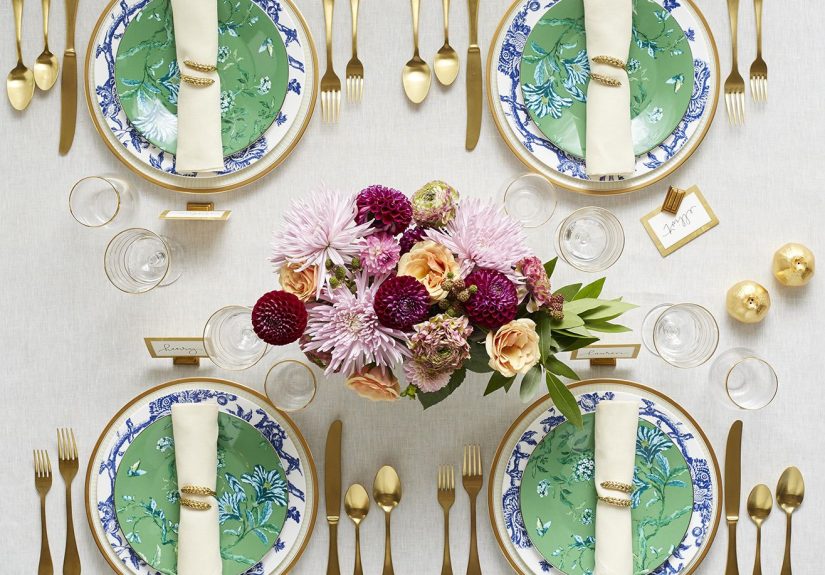
A well-set table is basically a silent hype-person. Before anyone takes a bite, the place setting tells your guests:
“I planned this,” “You’re welcome here,” and “Yes, I do own matching forks.” The good news? You don’t need a butler,
a ballroom, or a drawer of mystery spoons to pull it off. You just need a few reliable rules, a menu-based game plan,
and the confidence to say, “This is the dessert fork. Probably.”
This guide breaks down table place settings from everyday casual dinners to formal holiday spreads, plus real-world
shortcuts for small tables, family-style meals, and those “I invited people and now I’m sweating” moments.
Table Setting Fundamentals (The Rules That Save You Every Time)
1) Build the setting from the menu, not your imagination
The most common mistake is setting out everything you own like you’re auditioning for a period drama. Don’t.
Use only what the meal requires. If there’s no soup, skip the soup spoon. If nobody’s eating oysters, the oyster fork
can stay in retirement.
2) Outside-in is the universal cheat code
Place utensils in the order they’ll be usedfrom the outside moving inward toward the plate. Guests shouldn’t have to
play “Fork Roulette” while their food gets cold. This one rule explains about 80% of table etiquette and 100% of why
fancy dinners look like they’re armed.
3) Left and right: forks left, knives and spoons right
Forks sit on the left. Knives and spoons go on the right. Knife blades face inward toward the plate (not outward like
you’re warning the bread to behave).
4) Glasses live above and to the right
Your water glass typically sits above the knife area, with additional stemware forming a tidy cluster to the right.
If you’re serving multiple wines, arrange them so the “first used” glass is easiest to reach.
5) Napkin placement should feel graceful, not like a scavenger hunt
Napkins can go to the left of the forks, on the plate, or (in some formal settings) neatly near the forks. The key is
that guests should be able to grab the napkin without knocking silverware into an interpretive percussion solo.
The Three Core Place Settings (Basic, Casual, Formal)
Basic place setting (Everyday dinners, weeknight meals, relaxed breakfasts)
This is your “I’m a functional adult” setup. It’s simple, clean, and works for most meals.
- Plate centered in front of the chair (placemat optional).
- Fork on the left.
- Knife on the right, blade facing the plate.
- Spoon to the right of the knife only if needed (soup, cereal, stew, dessert-in-a-bowl situations).
- Water glass above the knife area, slightly to the right.
- Napkin to the left of the fork or on the plate (choose what feels easiest for guests).
Small-table tip: If you’re tight on space, place the napkin on the plate and skip anything not used in the meal.
Minimal doesn’t mean cheapit means intentional.
Casual place setting (Dinner parties, Sunday suppers, “nice but not fussy” gatherings)
Casual doesn’t mean careless. It means your table can look polished without requiring a diagram and a minor in etiquette.
Add pieces only when the menu calls for them.
- Everything in the basic setup, plus:
- Salad plate (often placed on top of the dinner plate) if you’re serving a salad course.
- Soup bowl (on top of the salad plate) if soup is served first.
- Salad fork to the left of the dinner fork if salad comes first; otherwise, place it outside the dinner fork.
- Wine glass to the right of the water glass if wine is served.
Casual-but-elevated move: Add cloth napkins, a simple centerpiece, and consistent glassware.
Guests remember the vibe more than the brand of plate.
Formal place setting (Holidays, multi-course meals, weddings, milestone dinners)
Formal settings are basically “menu architecture.” Everything has a job and a reason. The goal isn’t to intimidate anyone;
it’s to make each course feel seamless.
- Charger (service plate) centered at each seat (optional but classic for formal meals).
- Dinner plate may arrive later depending on service style; first-course plates can sit on the charger.
- Forks on the left in order of use (outermost is used first).
- Knives and spoons on the right in order of use (outermost used first), knife blade facing in.
- Dessert utensils can be placed above the plate or brought out with desserteither is acceptable depending on style and space.
- Bread plate above the forks, with a butter knife placed across or at an angle.
- Glassware above/right: water plus wine glasses arranged neatly (often forming a small triangle/cluster).
- Place card if seating is assigned (highly recommended for weddings and big holidays).
Reality check: Even formal has limits. You generally don’t stack more than a small number of utensils at once.
If the menu gets very course-heavy, additional utensils can be brought out with specific courses.
Occasion-by-Occasion Playbook
1) Brunch (the “cute but functional” table)
Brunch is a social sport. People talk with their hands, reach for coffee refills, and somehow end up with syrup on their sleeves.
Keep the setting tidy and forgiving.
- Basic setup + coffee cup and saucer to the right (or brought out with coffee).
- Juice glass if serving juice; keep it small to avoid crowding.
- Knife is essential for pastries, toast, and anything involving butter or jam.
- Optional: small side plate for pastries if your main plate will get crowded.
2) Family-style dinner (passable, shareable, not chaotic)
Family-style meals are cozy until someone tries to pass a giant salad bowl over a candle. The trick is planning “landing zones”
so serving dishes don’t hover awkwardly above your guests.
- Use a basic or casual place setting.
- Leave open space in the center for shared dishes.
- Keep centerpieces low so guests can see each other (and not just hear disembodied chewing).
- Consider serving spoons placed in each bowl/platter so people don’t start using personal forks as tongs.
3) Holiday dinners (Thanksgiving, Christmas, big-family energy)
Holiday tables run on tradition, timing, and one relative who arrives early “to help” and then eats all the cheese.
Use a formal-leaning setting, but don’t overwhelm the table.
- Use chargers if you want a formal look, but make sure there’s still room for serving platters.
- Set only the utensils you’ll actually use. Add steak knives only if needed.
- Place cards are a peace treaty in paper form. Use them.
- Plan for multiple glasses if you’re serving more than one beverageotherwise guests end up hydrating out of wine glasses like it’s a medieval banquet.
4) Weddings and formal receptions (when the table is part of the performance)
Weddings are where place settings become set design. Consistency matters because guests see everything at once.
- Formal place setting with assigned seating.
- Menu-driven utensils onlydon’t add “extra” flatware just because it looks fancy.
- Glassware should match the beverage plan (water + wine is common; champagne may be served separately).
- Keep the napkin easy to grab. Guests will use it early and often.
5) Outdoor parties (patio dinners, picnics, and “why is the wind like this?”)
Outside dining is delightful until a napkin tries to escape. Build a setting that survives nature.
- Use heavier napkins (cloth or thicker paper) and consider a simple fold or napkin ring.
- Choose stable glassware (or stemless options) to reduce tipping.
- Keep décor low and weighted (small vases, sturdy candles in holders, or no flame if it’s breezy).
- If bugs are a factor, consider covered serving pieces and keep sweet drinks away from direct sun.
6) Buffet-style gatherings (when the table setting is the “home base”)
With buffets, the place setting should be streamlinedguests already have a lot to juggle.
- Basic setting at the table: plate, fork, knife, napkin, water glass.
- Place extra utensils near the buffet line if certain foods need them (serving spoons, steak knives, dessert forks).
- Set dessert utensils later or put them at the dessert station to avoid clutter.
Glassware, Plates, and Layers: How to Make It Look “Done” Without Doing the Most
Plates: stack with purpose
A stack can look elegant, but it should also match the service sequence. A common approach:
appetizer/salad plate on top, then dinner plate later (especially in more formal service).
Chargers: the easiest “formal” upgrade
Chargers are decorative underplates that frame the setting and add drama. Think of them as jewelry for your dinnerware.
They’re typically removed before the main course or swapped out as plates change.
Glassware: keep the cluster tidy
For many formal layouts, water and wine glasses sit above and to the right of the plate in a compact grouping
that’s easy to reach and hard to knock over. If you’re serving both white and red, arrange them logically so guests
aren’t crossing arms like they’re defusing a bomb.
Design and Décor That Won’t Fight the Food
Choose a “foundation” and stick to it
Tablecloth, runner, placematspick your base layer, then build. A clean foundation makes even simple dinnerware feel intentional.
Centerpieces should be low, narrow, or movable
If guests can’t see each other, you’ve built a floral privacy fence. Low arrangements, candles in safe holders,
or a line of small bud vases keeps conversation flowing.
Napkins are your easiest “luxury signal”
Cloth napkins instantly elevate the table. Fold them simply, place them where guests can grab them easily,
and let the color or texture do the work.
Etiquette That Matters (And the Parts You Can Relax About)
The etiquette that helps guests
- Clarity: utensils in order of use, only what’s needed.
- Comfort: napkin placement that doesn’t require rearranging the setting.
- Space: avoid overcrowdingespecially with family-style service.
- Consistency: matching layouts reduce confusion, especially at big events.
The etiquette you can soften
- Mixing dish patterns can look amazing if there’s a unifying color or shape.
- Placemats with a tablecloth aren’t a crimejust make sure it doesn’t look bulky.
- Dessert utensils can be preset or brought later. Do what works for your service style.
Quick Fixes for Common Table-Setting Problems
“My table is small and the setting looks crowded.”
Reduce pieces. Put the napkin on the plate. Use one wine glass or serve wine from a side station. Skip chargers.
Make the table feel breathablecrowding reads stressful, not sophisticated.
“I’m serving multiple courses but I don’t own a million forks.”
That’s normal. Set the essentials, then bring out specialty utensils with the course (or use one fork/knife and swap as needed).
Guests care more about a smooth meal than a museum display of flatware.
“Family-style food plus a centerpiece equals disaster.”
Choose a centerpiece that’s slim and low, or plan to move it once food hits the table.
If your décor blocks serving dishes, décor is the problem.
Experience-Based Tips: What Really Happens at the Table (and How to Win Anyway)
Here’s the part most “perfect table setting” guides skip: real humans are involved. Real humans reach across the table.
Real humans spill. Real humans ask, “Which glass is mine?” while holding the only glass they’ve touched for the last 12 minutes.
So let’s talk about the lived reality of table place settingsthe patterns hosts see over and overand how to design your setup
to feel effortless even when it’s not.
First, the napkin is the opening move. At most gatherings, it’s the first thing guests look for when they sit down.
If the napkin is trapped under a pile of forks, people will tug, clink, and accidentally launch a utensil like a tiny silver javelin.
That’s why napkins placed on the plate (or clearly to the side) often feel calmer, especially when you’re hosting anyone who’s
a little nervous about “doing it right.” The easiest guest experience is the best etiquette.
Next, the “outside-in” rule isn’t just traditionit’s anti-anxiety architecture. Guests relax when the table tells them what to do.
When you set only the utensils needed for the meal, nobody has to wonder if that extra spoon is for soup, dessert, or a
ceremonial blessing of the roast. And if you’re serving family-style, fewer pieces means fewer obstacles when passing bowls
aroundbecause nothing says “community” like a shared salad and nothing says “mild panic” like passing it over three wine glasses.
Another common hosting moment: the table looks gorgeous… until the food arrives. This is where many tablescapes go wrong.
A centerpiece that seemed “not that big” becomes a conversation blocker once serving platters show up. The best hosts quietly
design a table with empty space on purpose, like leaving breathing room on a calendar. Low florals, a row of small candles,
or a few bud vases often win because they can slide aside without anyone needing a forklift. If you love a dramatic centerpiece,
consider making it removable and relocating it to a sideboard once dinner starts. It’s the ultimate magic trick: the table
suddenly becomes more comfortable without losing style.
Then there’s glassware. People are generally careful with plates; they are wildly optimistic about their ability to not knock over
a stemmed glass. If you’re hosting a group that likes to gesture while telling stories (so… most groups), consider sturdier glasses,
fewer stems, or a tighter glass cluster that doesn’t creep into elbow territory. If you’re serving multiple beverages, it’s often
smoother to keep the table setting simple (water + one wine glass) and offer specialty drinks from a side station. Guests get what
they want, and your table doesn’t look like a glass instrument display.
Finally, here’s an experience-based truth: the best table setting is the one that matches the mood. A casual taco night with a
formal five-fork layout feels like overdressing for a backyard barbecue. And a milestone anniversary with paper plates can feel
like you forgot the assignment. The win is aligning formality with the occasionthen adding one thoughtful touch. Maybe it’s cloth
napkins at a casual dinner. Maybe it’s place cards at a holiday meal to reduce chaos. Maybe it’s a charger at a wedding reception
for that extra “wow.” Guests remember how the table made them feel: welcomed, comfortable, and like you actually wanted them there.
The forks are just the supporting cast.
Conclusion: Set the Mood, Then Set the Fork
Table place settings aren’t about showing offthey’re about making a meal feel smoother, warmer, and more intentional.
Start with the basics, let the menu guide what you put out, and lean on the outside-in rule when you’re unsure.
Whether you’re hosting brunch, a holiday dinner, or a casual weeknight meal that somehow turned into a gathering,
a well-planned place setting turns “eating” into “an occasion.”





 Close
Close