
Table of Contents >> Show >> Hide
- Who Is the Great Kiskadee?
- Why This Rescue Story Captured So Much Attention
- The “Mini Bird Mom”: Cute, Clever, and More Meaningful Than It Looks
- What Great Kiskadees Eat in the Wild
- Baby Bird Rescue: When Helping Helpsand When It Hurts
- Why the Nest Location Matters
- The Internet Loves a Tiny Survivor
- What This Story Teaches About Compassion
- How to Respond If You Find a Baby Bird
- Why Great Kiskadees Are Built for Attention
- The Bigger Message: Creativity Should Serve the Animal
- Experience Notes: What Stories Like This Feel Like in Real Life
- Conclusion
Every so often, the internet pauses its regularly scheduled chaosarguing over pineapple on pizza, pretending to understand crypto, and watching raccoons steal cat foodto collectively melt over one tiny animal. This time, the star was not a designer dog, a dramatic cat, or a raccoon with the confidence of a small-town mayor. It was a baby great kiskadee, a bright, bold bird known for its yellow belly, black-and-white head, and big personality.
The story began in Serra, Espírito Santo, Brazil, when Paulo Henrique reportedly found a newborn great kiskadee on the ground after a powerful windstorm. The chick had fallen from a nest high on an electricity pole, leaving Paulo with a difficult choice: walk away and hope for the best, or intervene because the bird was exposed, helpless, and impossible to return safely to its nest. Paulo chose compassion. Then he added engineering. Then the internet added applause.
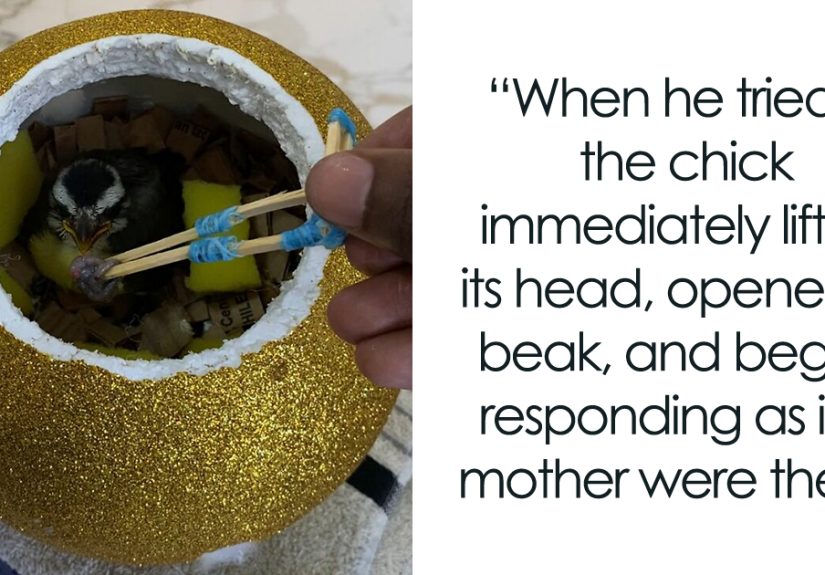
What made the story go viral was not just that Paulo rescued the bird. It was the oddly brilliant detail that followed: he built a handmade “mini bird mom” to help feed the chick. Using simple household materialscardboard, sponge, matchsticks, dental floss, glue, and a little imaginationhe created a tiny feeding tool that looked enough like a mother bird to trigger the chick’s feeding response. The result was part wildlife rescue, part arts-and-crafts project, and part “dad who said he didn’t want a pet but now has a custom feeding device.”
Who Is the Great Kiskadee?
The great kiskadee, scientifically known as Pitangus sulphuratus, is a large, loud, and extremely noticeable member of the tyrant flycatcher family. If most flycatchers are subtle little birds that blend into branches like shy introverts at a networking event, the great kiskadee is the one wearing a yellow jacket and announcing its entrance.
Adult great kiskadees are famous for their bold appearance: a bright yellow belly, a white throat, brown wings, a black facial mask, and a strong white eyebrow stripe. They are usually around robin-sized but stockier, with a sturdy bill and a confident posture. Birders often recognize them by their loud, three-syllable call, which sounds like their name: “kis-ka-dee.” Nature really does love branding.
In the United States, great kiskadees are most strongly associated with southern Texas, especially the Lower Rio Grande Valley. Across the wider Americas, they are found through Mexico, Central America, and much of South America. They thrive in open woodlands, streamside thickets, groves, orchards, towns, and areas with large trees. They are comfortable around people, which helps explain why a nest on or near human infrastructure is not surprising.
Why This Rescue Story Captured So Much Attention
Animal rescue stories go viral because they hit a very specific emotional button: the “tiny creature, huge stakes” button. A baby bird on the ground is fragile. A strong windstorm adds drama. A nest on an electricity pole adds practical difficulty. And then Paulo’s homemade bird “mom” adds the kind of charming absurdity the internet cannot resist.
There is also something deeply human about solving an urgent problem with whatever is nearby. Paulo did not appear in a laboratory with a wildlife hospital budget and a drawer labeled “Emergency Fake Kiskadee Beaks.” He used ordinary materials and observation. He noticed the chick needed food. He knew the baby might respond better to something resembling a parent. He experimented carefully until he found a way to help the bird open its beak and feed.
That combinationkindness plus creativityis irresistible. It reminds people that compassion is not always cinematic. Sometimes it looks like a person sitting at home with glue, cardboard, dental floss, and a baby bird who has somehow become the new boss of the household.
The “Mini Bird Mom”: Cute, Clever, and More Meaningful Than It Looks
At first glance, the mini bird “mom” seems like a funny craft project. Look closer, and it reveals something important about animal behavior. Many baby birds respond to visual and movement cues when feeding. A parent approaches, a beak appears, and the chick instinctively opens its mouth. By making a small tool that resembled a parent bird’s beak, Paulo helped create a more natural feeding signal than a plain human hand or utensil.
That does not mean everyone should start building bird puppets in the kitchen. Wildlife care is complicated, and in many places, including the United States, raising wild birds often requires permits or licensed rehabilitation support. Baby birds can be injured, dehydrated, chilled, stressed, or fed the wrong diet very easily. What works in one emergency situation is not automatically a universal guide.
Still, the idea behind Paulo’s invention is fascinating. It shows how observation matters. He did not simply force care onto the animal. He tried to understand what the chick needed from the chick’s perspective. That is the part worth celebrating: not just the gadget, but the empathy behind the gadget.
What Great Kiskadees Eat in the Wild
Great kiskadees are famously flexible eaters. Although they belong to the flycatcher family, they do not limit themselves to catching insects midair like tiny feathered fighter jets. They also eat fruit, small fish, snails, frogs, lizards, and other small prey. They may visit feeders for fruit such as bananas, and they are bold enough to sample food around human spaces when the opportunity appears.
This varied diet helps explain why the species does well in many habitats. A picky bird might struggle when conditions change. A great kiskadee, on the other hand, seems to look at the buffet of life and say, “Yes, I’ll try that.” This adaptability has helped the bird thrive across a broad range in the Americas.
For a chick, however, feeding is not simple. Young birds need the right foods, the right size portions, the right timing, the right warmth, and the right handling. Paulo reportedly studied the bird’s natural diet and offered suitable foods such as insects and fruit. That detail matters because the wrong food can harm a baby bird quickly. Bread, milk, and random kitchen scraps may feel helpful to a human, but they are not safe emergency diets for most wild chicks.
Baby Bird Rescue: When Helping Helpsand When It Hurts
One reason this story needs thoughtful context is that many people accidentally “rescue” birds that do not need rescuing. Wildlife experts often explain the difference between nestlings and fledglings. Nestlings are very young birds that may have few feathers and are not ready to leave the nest. Fledglings are older, more feathered birds that hop around awkwardly while learning to fly. Fledglings may look abandoned, but their parents are usually nearby, feeding them and watching from a safe distance.
If a healthy fledgling is hopping on the ground, the best action is often to leave it alone or move it only a short distance away from immediate danger, such as a road, dog, or cat. If the bird is a nestling and the nest is nearby, returning it to the nest is usually the best option. The old myth that parent birds reject babies touched by humans is not true in the way many people believe. Birds are far more concerned with keeping their young alive than filing a complaint about human fingerprints.
But Paulo’s situation had complications: a storm, a chick on the ground, a nest too high to reach, and an unsafe public area. That is the kind of scenario where quick action may be necessary. In general, people who find an injured or orphaned wild bird should contact a licensed wildlife rehabilitator, veterinarian, or local wildlife agency as soon as possible.
Why the Nest Location Matters
Great kiskadees build bulky nests, often with a side entrance. They may place nests in trees, dense foliage, or sometimes human-influenced spaces. In Paulo’s story, the nest was reportedly high on an electricity pole, which created an obvious safety problem. Nobody should climb utility structures to return a bird. That is not heroic; that is how a rescue story becomes an emergency services story.
Urban wildlife often faces this kind of conflict. Birds adapt to cities, towns, and neighborhoods because there are trees, insects, food scraps, water sources, and nesting opportunities. But those same places come with hazards: traffic, wires, pets, construction, storms, and curious humans. A nest that seems secure one day can become dangerous after strong wind.
This is why local wildlife professionals are so important. They understand how to evaluate whether a bird should be returned, transported, warmed, monitored, or left alone. The most compassionate action is not always the most hands-on action. Sometimes helping wildlife means stepping back. Other times, as in this viral kiskadee story, it means stepping in carefully because the natural option is no longer available.
The Internet Loves a Tiny Survivor
Part of the charm of the story is that the chick did not look like a polished wildlife documentary star. Baby birds often pass through a stage best described as “adorably unfinished.” Their feathers may be sparse, their bodies may look oversized in unexpected places, and their expressions can suggest they have just learned about taxes.
That vulnerability makes people care. The mini bird “mom” gave viewers an easy symbol: a small handmade object standing in for protection, patience, and nurture. It also made the rescue visually memorable. Millions of animal stories pass across social media, but a tiny kiskadee being fed by a homemade cardboard parent? That sticks.
The story also taps into a larger trend: people are increasingly fascinated by individual animals with distinct personalities. A great kiskadee is not just “a bird” here. It becomes a characterbold, hungry, fragile, responsive, and alive because someone noticed. When stories make wildlife feel personal, they can inspire people to learn more about species they might otherwise overlook.
What This Story Teaches About Compassion
The best part of Paulo’s story is not that he became internet-famous. It is that the rescue started before anyone was watching. He saw a helpless animal and acted. Virality came later. That order matters.
True compassion is usually inconvenient. It interrupts the commute, changes the day’s plans, and sometimes requires cleaning up after a tiny creature with no respect for flooring. It asks a person to do research, call experts, think carefully, and make decisions under pressure. It may also involve explaining to family members why there is a homemade bird puppet on the table.
But compassion also has limits. Loving wildlife does not mean turning every wild animal into a pet. A successful rescue should aim for the animal’s welfare, independence, and, whenever possible, return to the wild. Human attention can be helpful in emergencies, but wild birds are not collectibles, props, or permanent companions. The goal is not to make the animal need us. The goal is to help it survive without us.
How to Respond If You Find a Baby Bird
Paulo’s viral rescue is heartwarming, but most people should follow a cautious process if they find a baby bird. First, determine whether the bird is injured. Warning signs include visible wounds, weakness, inability to stand, closed or half-closed eyes, coldness, or contact with a cat or dog. If any of these signs appear, contact a licensed rehabilitator quickly.
Second, decide whether the bird is a nestling or a fledgling. A nestling is usually too young to be out of the nest and may need to be returned if the nest is reachable. A fledgling may be on the ground naturally while learning to fly. It may look clumsy, but clumsy is not the same as abandoned. Think of it as the bird version of a teenager learning to parallel park.
Third, avoid feeding or giving water unless a qualified rehabilitator instructs you. This is one of the most common mistakes people make. Baby birds can aspirate liquid, choke, or suffer from inappropriate foods. Keeping the bird warm, quiet, and safe while arranging expert help is often better than improvising a meal.
Why Great Kiskadees Are Built for Attention
Even without a viral rescue, great kiskadees are attention magnets. They are loud, colorful, bold, and active. They perch in the open, dart after prey, raid fruit, and defend nests with impressive confidence. Cornell and Audubon descriptions of the species emphasize its boisterous behavior, striking colors, and willingness to live around towns and open wooded areas.
That personality makes the bird a perfect fit for a viral animal story. A great kiskadee is not a shy background bird. It has main-character energy. The chick in Paulo’s care was not yet the loud adult that birders know, but the species’ reputation gives the story extra sparkle. Viewers were not just watching any baby bird. They were watching the early chapter of a bird that might one day shout its own name from a tree like a feathered town crier.
The Bigger Message: Creativity Should Serve the Animal
There is a fine line between creative rescue and attention-seeking content. Paulo’s story appears to resonate because the invention served a practical purpose: helping the chick feed. The mini bird “mom” was not merely a prop for likes. It was a response to a real need.
That distinction matters in the age of viral animal videos. Not every cute clip is ethical. Some animals are stressed, mishandled, or placed in risky situations for entertainment. Responsible viewers should ask: Did this action help the animal? Was the animal safe? Was expert advice involved? Is the goal rehabilitation, not possession?
In this case, the rescue story became popular because it reflected care, improvisation, and tenderness. The internet can be exhausting, but it still knows how to recognize a good little miracle when one hops into view.
Experience Notes: What Stories Like This Feel Like in Real Life
Anyone who has ever found a small bird on the ground knows the strange rush of emotions that follows. First comes surprise. Then worry. Then the sudden realization that this tiny creature has no interest in waiting while you search “what to do with baby bird” with one hand and panic with the other. The world gets very quiet around the animal. Traffic, errands, messages, and deadlines fade for a moment because a living thing is right there, vulnerable and breathing.
That is why Paulo’s experience feels relatable even to people who have never seen a great kiskadee in person. The exact species may be tropical and colorful, but the feeling is universal. A storm passes. A nest fails. A human notices. Suddenly, responsibility arrives in a very small package.
The most meaningful lesson from experiences like this is patience. Baby birds do not operate on human schedules. They need warmth, calm, and frequent care from the right source. They do not understand that you have work, dinner, laundry, or a phone battery at 3 percent. In that sense, rescue is humbling. It reminds people that care is not a mood. It is a series of actions repeated carefully, even when nobody is clapping.
Another experience many rescuers describe is the tension between attachment and release. It is natural to feel connected to an animal you helped. You remember the first time it opened its beak, the first time it stood more steadily, the first time it looked less fragile. But with wildlife, love has to point outward. The healthiest ending is not a bird that stays forever because it trusts humans too much. The healthiest ending is a bird strong enough to live as a bird.
There is also a lesson in observation. Paulo’s mini bird “mom” worked because he paid attention to what the chick responded to. Good care often begins with noticing small details: Is the bird warm? Is it alert? Does it react to movement? Is it safe from pets? Is the nest reachable? Are the parents nearby? Rushing can create mistakes, but careful observation can save lives.
Finally, stories like this can change how people see ordinary spaces. A gate, a sidewalk, a utility pole, a patch of grassthese are not just background scenery. They are part of a shared habitat. Birds nest above us, insects move below us, and storms rearrange lives we rarely notice. The great kiskadee chick became famous because someone looked down at the right moment and cared enough to act. That is a simple experience, but it is powerful. It suggests that kindness does not always require grand resources. Sometimes it begins with attention, continues with responsibility, and, occasionally, involves a cardboard bird mom that becomes the internet’s favorite tiny miracle.
Conclusion
The viral story of Paulo Henrique rescuing a baby great kiskadee and building a mini bird “mom” is more than an adorable internet moment. It is a reminder that creativity and compassion can work together when an animal is truly in danger. It also gives readers a chance to learn about one of the Americas’ most charismatic birds: loud, yellow-bellied, bold, adaptable, and impossible to ignore.
Still, the story should inspire thoughtful care, not reckless imitation. If you find a baby bird, the best first step is to assess the situation carefully and contact a licensed wildlife rehabilitator when needed. Some birds need help. Many fledglings need space. All wildlife deserves respect.
Paulo’s handmade “mom” may have been small, but the message was big: paying attention can matter. A single act of kindness can become a second chance. And sometimes, the hero of the day is not wearing a capeit is holding cardboard, sponge, dental floss, and a very hungry bird.





 Close
Close