
Table of Contents >> Show >> Hide
- What Sparked the Wave of Support?
- Why This Update Landed So Hard With ‘Today’ Viewers
- Al Roker’s Health Journey, in Plain English
- Why His Message Matters Beyond Celebrity News
- How Fans Responded—and Why It Felt So Personal
- The Real Takeaway From Al Roker’s Emotional Health News
- Experiences Related to This Story That Many Readers Will Recognize
- Conclusion
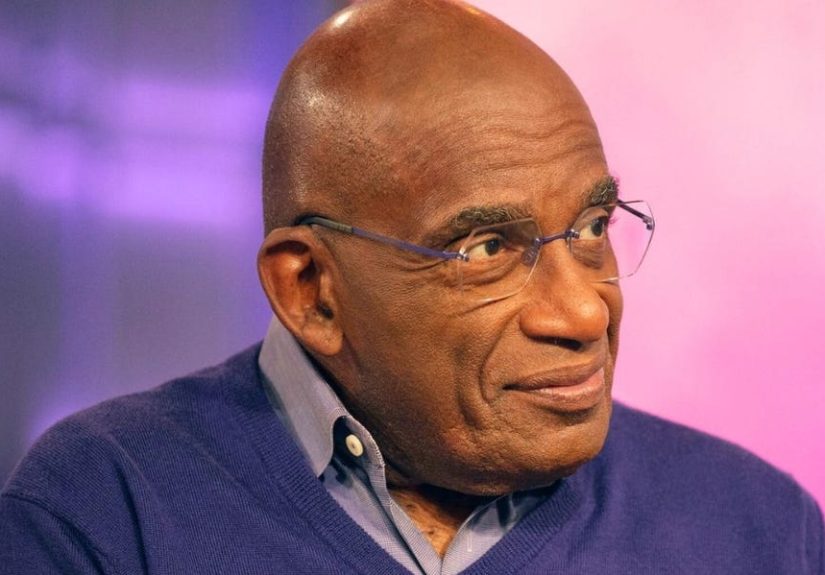
Morning TV viewers do not hand out emotional standing ovations for just anything. A new mug on the anchor desk? Nice. A slightly chaotic weather map? Classic. But when Al Roker shares heartfelt health news, the reaction is different. It gets personal, fast. That is exactly what happened when the beloved Today star reflected on a major milestone in his health journey and fans flooded him with support.
The reason this moment resonated so deeply is simple: people were not reacting to a random celebrity update. They were responding to a man they have invited into their mornings for decades, a broadcaster who has handled major medical scares with honesty, humility, and just enough humor to keep things from turning unbearably heavy. In a media world that often runs on polished sound bites and suspiciously perfect lighting, Roker has built a reputation for sounding like an actual person. That matters.
So when headlines declared that Today fans were rallying around Al Roker over emotional health news, the real story was not panic. It was relief. It was admiration. And, maybe most importantly, it was a reminder that public conversations about illness, recovery, screening, and resilience can actually help people instead of just scaring them half to death before breakfast.
What Sparked the Wave of Support?
The fan response was triggered by an emotional post marking five years since Roker underwent prostate cancer surgery in November 2020. In the message, he looked back at that difficult chapter, thanked his medical team, and encouraged men to get their PSA checked, especially men of color, who face higher risks with prostate cancer. When followers worried that the post might mean he was facing another crisis, he quickly clarified that this was an anniversary update, not a fresh diagnosis. He explained that he had been in remission since May 2021, that his PSA was negligible, and that he was doing well.
That clarification changed the mood immediately. What could have turned into a swirl of anxious speculation became something warmer: a digital exhale. Fans congratulated him, praised him for speaking openly, and thanked him for using a deeply personal milestone to push a public-health message. That combination is part of what makes Roker such an effective communicator. He does not just announce good news and move on. He tries to turn his own experience into something useful for other people.
In other words, this was not merely celebrity wellness content dressed up for Instagram. It was a veteran broadcaster saying, in effect, I made it through something scary, and I want you to pay attention to your own health too. That lands differently.
Why This Update Landed So Hard With ‘Today’ Viewers
To understand why the reaction was so emotional, you have to understand the long memory of the Today audience. Roker is not just a weather anchor who appears, points at clouds, and vanishes. He has been a fixture of American mornings since joining the show full-time in 1996. Over time, viewers have watched him report through storms, crack jokes with co-hosts, celebrate family milestones, and navigate painful medical setbacks in public view. By now, he feels less like a distant TV personality and more like the dependable uncle of morning television—the one who tells you the forecast, makes a pun, and somehow also gives the room a pulse.
That familiarity made his past health struggles feel unusually intense for many viewers. His 2020 prostate cancer diagnosis was serious, but it came with a hopeful note because the disease had been caught and he was able to move quickly toward treatment. Then came the much more frightening 2022 health crisis involving blood clots, internal bleeding, and multiple surgeries. That period was a gut punch for fans because the tone shifted from concern to genuine alarm. Suddenly, this cheerful daily presence was gone from the screen, and the updates were no longer routine.
Because the public remembers the scary parts
Roker has since spoken candidly about how serious that 2022 crisis became. He was hospitalized with blood clots in his leg and lungs, missed the Macy’s Thanksgiving Day Parade for the first time in 27 years, and later revealed the internal complications were far more extensive than many people realized. His return to Today in early 2023 was emotional because viewers understood they were not just welcoming back a co-worker from sick leave. They were welcoming back someone who had been through a life-threatening ordeal.
So when he shares a positive health update now, fans do not read it in a vacuum. They read it against the backdrop of everything that came before: the cancer diagnosis, the surgeries, the long recovery, the visible emotion of his colleagues, and the unmistakable sense that he had survived something big. That history is why even good news from Roker tends to arrive with extra emotional volume.
Because he made the scary parts useful
There is another reason people respond so strongly to him: he has never acted as though his health journey was too private, too awkward, or too messy to discuss. Instead, he has repeatedly chosen candor over polish. He has spoken about screening, recovery, walking, resilience, and the value of support systems. He has also made a point of talking about the disproportionate burden prostate cancer places on Black men. That is not small talk. That is public service wearing a familiar face and a good tie.
Plenty of celebrities share health news. Far fewer turn it into advocacy without sounding preachy. Roker manages to do that because he never seems to be performing sainthood. He sounds like a guy who knows he got lucky in some crucial moments, worked hard in others, and wants people to stop postponing appointments they really should make.
Al Roker’s Health Journey, in Plain English
Roker’s prostate cancer story began with a routine checkup after a pandemic-era delay. Bloodwork showed elevated PSA levels, additional testing followed, and a biopsy confirmed cancer. He ultimately chose surgery in November 2020 to remove his prostate. By May 2021, he was declared cancer-free and moved into regular follow-up monitoring. Later, that follow-up schedule eased from every six months to annual visits—the kind of detail that sounds boring until you realize boring is exactly what you want from post-cancer surveillance.
One of the more striking parts of his recovery story is how practical it was. He has described walking as a crucial part of getting back on his feet after surgery, and that steady, everyday approach fits his public persona perfectly. No miracle powder. No suspiciously dramatic reinvention. Just movement, consistency, and the understanding that healing is often less glamorous than people imagine.
That same mindset appears in the way he talks about wellness more broadly. Over the years, Roker has been open about gastric bypass surgery, weight maintenance, fitness, and the daily work of protecting long-term health. He has stressed that there is no magic bullet, only habits, effort, and a willingness to keep going. That perspective gives his updates credibility. He is not selling a fantasy. He is describing maintenance, which may be the least flashy but most honest word in all of health writing.
Then came the 2022 crisis, which was a very different beast. Hospitalization for blood clots turned into something more complicated, involving internal bleeding and additional surgeries. His recovery took time, and when he finally returned to the show, the emotion was obvious on all sides. Co-hosts choked up. Fans cheered. Roker, true to form, mixed gratitude with jokes. That return helped cement a public image that was already strong: he is resilient, yes, but he is also deeply human.
Why His Message Matters Beyond Celebrity News
The biggest takeaway from this story is not simply that fans love Al Roker. It is that the health message attached to his update matters. Prostate cancer remains one of the most common cancers affecting men in the United States, and outcomes are far better when it is detected early. Major health organizations have noted that localized and regional prostate cancer carry very high five-year relative survival rates, while outcomes are far worse once the disease is distant or advanced. That gap is exactly why screening conversations matter.
Roker has been especially consistent about emphasizing risk for Black men, and that is not rhetorical flourish. Public health authorities have repeatedly found that Black men are more likely to develop prostate cancer and more than twice as likely to die from it as other men. When Roker tells men of color to pay attention to PSA testing and get checked, he is not freelancing with a hot take. He is echoing a real and urgent health disparity.
PSA screening is not glamorous, but neither is panic
One reason Roker’s advocacy works is that it strips away the false drama around screening. He does not frame checkups as a terrifying mystery box. He frames them as something adults do because pretending nothing is wrong is not actually a medical plan. For a lot of people, especially men who avoid discussing health until a crisis forces the issue, that kind of message can be more persuasive than a formal awareness campaign.
And yes, prostate health can be an awkward topic. Roker has basically acknowledged as much, while also making it clear that embarrassment is a terrible substitute for prevention. That plainspoken honesty is one of the reasons fans keep showing up for him. He makes the conversation feel possible.
Representation matters in health conversations
It also matters that this message is coming from a Black man with enormous mainstream visibility. Health disparities do not disappear because a brochure exists in a waiting room. People often need to see someone they trust model the conversation first. Roker has done that repeatedly. He has talked about screening, treatment, recovery, and ongoing monitoring in a way that is informative without sounding clinical. That balance is harder than it looks.
He also frames support in a realistic way. He has spoken about the role his wife, Deborah Roberts, played as an advocate during appointments, asking follow-up questions and helping process complicated information. That detail is worth noting because it reflects a common experience in serious illness: when people hear the word cancer, their brains tend to short-circuit. Having another person in the room is not sentimental fluff. It can be essential.
How Fans Responded—and Why It Felt So Personal
Fan reactions to Roker’s emotional health news were supportive, affectionate, and intensely personal. That tone makes sense because viewers have watched his colleagues support him in much the same way. During his 2022 recovery, members of the Today team showed up at his home to sing Christmas carols and lift his spirits. Craig Melvin later revealed he had donated blood intended for Roker during that period. Those details turned what could have been a generic TV-family narrative into something concrete and moving.
Audiences notice those moments. They help explain why viewers react to Roker with more than casual goodwill. They have seen his co-hosts worry about him, miss him, and celebrate him. They have also seen Roker return that affection with warmth, jokes, and loyalty. That mutual support gives his story an extra emotional layer. It feels less like celebrity coverage and more like a public witness to real friendship.
There is also the time factor. When someone has been on television for decades, they become stitched into personal routines. People saw Roker before school, before work, while packing lunches, while recovering from their own rough years, while trying to keep a household moving. So when he shares good health news, people are not only happy for him. They are also relieved for the familiar rhythm he represents.
And that is why the phrase fans rally around Al Roker does not feel exaggerated. It describes a genuine emotional exchange. He shares. People respond. He keeps it honest. They keep showing up.
The Real Takeaway From Al Roker’s Emotional Health News
If there is one reason this story works so well, it is that it refuses to become either cheap drama or sterile medical copy. It sits in the more meaningful middle. Roker’s update was emotional, but not because it suggested disaster. It was emotional because it marked survival. It reminded people that five years after cancer surgery, and several years after a brutal health crisis, he is still here, still working, still joking, still telling people to take their health seriously.
That kind of story travels because it contains something people want more of right now: realism without despair. Roker does not present himself as invincible, and he definitely does not pretend recovery is tidy. But he also does not surrender to fear. He talks about medicine, monitoring, walking, family, and the odd miracle of getting to keep doing ordinary things. That is a powerful message because ordinary life is exactly what illness threatens to steal.
So yes, Today fans rallied around Al Roker over emotional health news. They rallied because they were relieved. They rallied because they care. And they rallied because he used a vulnerable moment to remind other people to pay attention to their own bodies. In the crowded universe of celebrity headlines, that is one of the rare updates that actually earns the emotion attached to it.
Experiences Related to This Story That Many Readers Will Recognize
One reason stories like this hit so hard is that they do not stay on the screen. They pull readers straight into their own memories. Maybe it is the memory of someone saying, “It’s probably nothing,” right before it turned out to be something. Maybe it is the long walk into a follow-up appointment, the phone call no one wanted to make, or the weirdly normal feeling of stopping for coffee while your brain is trying to process medical language you never wanted to learn. When Al Roker shares a health milestone, people are not just seeing his timeline. They are seeing pieces of their own.
For some families, the most relatable part is the role of the advocate. Serious health conversations can scramble even the calmest person. One partner hears half the sentence and mentally leaps three months ahead. The other starts taking notes, asking questions, and making sure somebody explains the next step in actual English. That dynamic showed up in Roker’s story, and it rings true for a lot of households. Big diagnoses are rarely solo experiences, even when only one person is the patient. The whole family ends up learning a new vocabulary of tests, follow-ups, medications, and cautious optimism.
Others will recognize the emotional whiplash of recovery. A good update does not erase the bad days that came before it. It just casts them in a different light. People who have been through surgery, cancer treatment, blood clots, or other major setbacks often describe the same strange mix of gratitude and disbelief afterward. You are thrilled the numbers look better. You are relieved the scan is clear. But there is also a quiet awareness that your life has been split into before and after. Roker’s update carries that same feeling. It is celebratory, yes, but it is also grounded in the knowledge that health can change fast.
There is something else many viewers may relate to: the way humor survives even in serious situations. Families do this all the time. They crack dumb jokes in waiting rooms, argue about snacks in hospital cafeterias, and cling to ordinary banter because it keeps fear from taking over the whole room. Roker has long used humor that way. It is not denial. It is balance. It is a way of saying, “This is scary, but I am still myself.” That can be deeply reassuring to other people who are trying to stay recognizable to themselves in the middle of medical chaos.
And then there is the quiet power of a clear follow-up result. A negligible PSA. A stable scan. A routine annual visit instead of a frantic one. These moments do not always make big headlines, but for people who understand the stakes, they can feel enormous. They mean a holiday can stay a holiday. A family dinner can just be dinner. Tomorrow can go back to being boring, and boring, in health terms, is often beautiful. That is why a story like this can move so many readers. Beneath the celebrity angle, it is really about a universal hope: that the next update will be better than the last one.
Conclusion
Al Roker’s emotional health news did more than generate warm comments from loyal viewers. It reopened an important conversation about screening, survivorship, and the kind of honest public storytelling that can genuinely help people. His update was not about stoking fear. It was about perspective. Five years after prostate cancer surgery, and after a frightening series of later health challenges, he was able to share good news, encourage others to get checked, and remind fans why they have stuck with him for so long.
That is the real reason the response felt so powerful. People were not just cheering for a TV star. They were cheering for resilience, early detection, community support, and the possibility that one person’s difficult story might push someone else to make a lifesaving appointment. Not bad for a morning-show weather legend who still knows how to turn a deeply personal moment into something useful for everyone watching.







 Close
Close