
Table of Contents >> Show >> Hide
- What Are Toe Raises, Exactly?
- Why Toe Raises Work (The “What’s Happening in There?” Part)
- How to Do Toe Raises (Perfect Form, No Drama)
- Programming: Sets, Reps, and Progression That Makes Sense
- Common Mistakes (And How to Fix Them Fast)
- Who Should Try Toe Raises?
- Toe Raises for Specific Goals
- Safety Notes (Because Your Feet Are Not Spare Parts)
- Quick Routine: 5 Minutes, No Equipment
- Conclusion
- Toe Raise Experiences ( of Real-World “Yep, That’s Exactly It”)
If your ankles feel a little “meh,” your balance feels a little “whoops,” or your shins get cranky when you walk fast,
run, or climb stairs, you don’t necessarily need a fancy gadget or a gym membership. You might just need to practice
something delightfully unglamorous: toe raises.
Toe raises are the underrated sibling of calf raises. Calf raises lift your heels. Toe raises lift your toes.
That’s it. That’s the whole plot. But this tiny motion trains the muscles on the front of your lower legespecially
the tibialis anteriorwhich helps you pull your foot upward (a movement called ankle dorsiflexion).
And that matters more than most people realize, because dorsiflexion helps your foot clear the ground when you walk.
No clearance = more scuffing, tripping, and the classic “Why is my sneaker trying to eat the sidewalk?” moment.
What Are Toe Raises, Exactly?
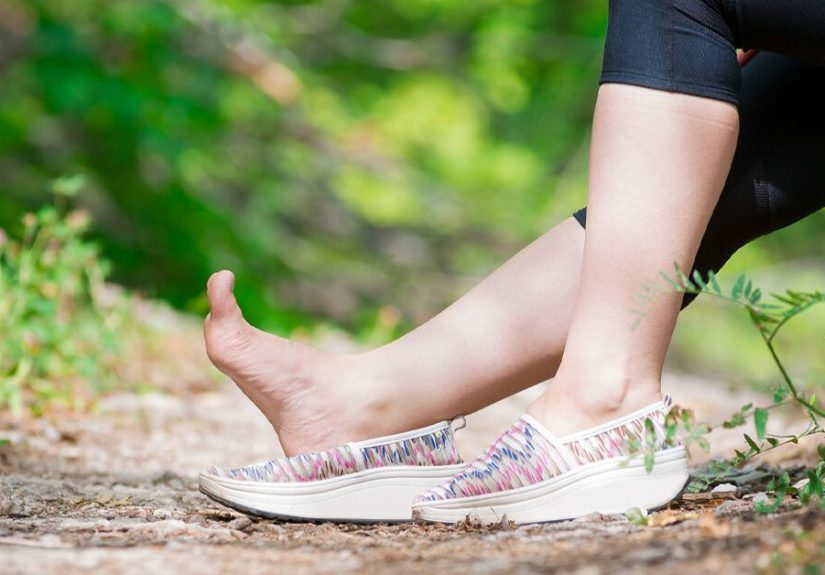
A toe raise is a controlled lift of the toes while the heels stay planted. Think: “toes up, toes down,” like you’re
politely tapping out a beatexcept your shin is doing the drumming.
Toe raises vs. calf raises
- Toe raise: toes lift, heels stay down (dorsiflexion focus).
- Calf raise: heels lift, toes stay down (plantarflexion focus).
Both are useful. But if you only train calves and ignore the front of the lower leg, you’re building the “push”
without the “pull.” Your ankles like balanceliterally and figuratively.
Why Toe Raises Work (The “What’s Happening in There?” Part)
Toe raises primarily train the tibialis anterior (front/outer shin) along with supporting muscles that help
stabilize the ankle and foot. When the tibialis anterior gets stronger, it’s easier to lift the forefoot, control the
foot’s position during movement, and keep ankle mechanics more steady.
Benefits you can actually feel in real life
- Stronger shins and ankles: helpful for daily walking, stairs, and uneven ground.
- Better foot clearance while walking: less toe-drag and fewer stumbles.
- Improved balance and stability: especially when paired with simple balance drills.
- Support for ankle rehab: often included in return-to-activity programs after sprains.
- Runner-friendly resilience: stronger dorsiflexors can help your lower legs tolerate training better (when progressed sensibly).
Important note: toe raises are not a magic spell for every lower-leg problem. They’re a tool. A very handy tool. But
like any tool, you’ll get the best results when you use it with good form, a smart progression, and a little patience.
How to Do Toe Raises (Perfect Form, No Drama)
Option 1: Standing toe raises (classic version)
- Stand tall with feet hip-width apart. Hold a wall or counter lightly if you need balance.
- Keep your heels planted and lift your toes as high as you comfortably can.
- Pause for a beat at the top (1–2 seconds), then lower your toes slowly.
- Repeat for smooth, controlled repsno bouncing, no speed-running your way through it.
Option 2: Seated toe raises (easy start, great for consistency)
- Sit upright in a sturdy chair with feet flat on the floor.
- Press heels down and lift the front of your feet (toes and the balls of your feet).
- Lower with control and repeat.
Option 3: Wall-lean toe raises (more challenge, same simplicity)
- Lean your back against a wall and step your feet slightly forward.
- Keep heels heavy and lift your toes upward.
- Lower slowly and repeat. This tends to light up the shins fasterin a good way.
Programming: Sets, Reps, and Progression That Makes Sense
The best plan is the one you can repeat consistently. Start small, then build.
Beginner plan (2–4 weeks)
- Frequency: 3–5 days per week
- Sets/Reps: 2–3 sets of 10–15 reps
- Effort: You should feel your shins working, but you shouldn’t feel sharp pain.
Intermediate plan (after you own the basics)
- Progress to: 3–4 sets of 12–20 reps
- Add a pause: hold 2–3 seconds at the top of each rep
- Slow the lowering: 2–4 seconds down (that controlled “eccentric” phase can be gold)
Strength-focused progressions (pick one)
- Resistance band dorsiflexion: loop a band around your forefoot and pull toes toward your shin against resistance.
- Heel walks: short, controlled walks on your heels with toes lifted (start with 10–20 steps).
- Loaded toe raises: add light resistance only when bodyweight reps are easy and pain-free.
If you’re coming back from an ankle sprain or dealing with balance issues, progress more gradually and consider a
clinician-guided planespecially if you’re not sure what “good soreness” versus “bad warning sign” feels like.
Common Mistakes (And How to Fix Them Fast)
1) Letting heels lift
If your heels pop up, you’ve turned a toe raise into a weird calf raise remix. Cue: “heels glued down.”
2) Leaning back like you’re dodging responsibility
Keep your ribs stacked over your hips. If you need support, use a wall or counteryour shins don’t need your whole
body doing interpretive dance.
3) Going too fast
Toe raises reward control. Slow reps create a stronger training signal and help your ankle learn stability.
4) Doing them through sharp pain
Muscle fatigue or mild soreness is common. Sharp pain, sudden swelling, numbness, or worsening symptoms are not
“push through it” moments. They’re “pause and reassess” moments.
Who Should Try Toe Raises?
Toe raises can fit into a lot of routines because they’re low-cost, low-space, and easy to scale. They’re especially
useful if you relate to any of these:
- You sit a lot and your ankles feel stiff when you stand up.
- You’re rebuilding strength after an ankle sprain.
- You want better balance and steadier feet on uneven ground.
- You’re a runner or walker who wants stronger lower legs (and fewer “shin complaints”).
- You notice toe-drag or frequent tripping (get evaluatedtoe raises can be part of the solution, not the whole story).
Toe Raises for Specific Goals
For balance and fall prevention
Pair toe raises with a simple balance drill (like a supported single-leg stand). The combination trains strength and
coordination togetheruseful for real-world stability.
For ankle mobility (dorsiflexion range)
Toe raises strengthen the muscles that pull the foot upward, but mobility can also depend on joint motion and soft-tissue
flexibility. Consider adding gentle dorsiflexion stretches or mobility drills if you feel limited.
For runners and active people
Start with seated or standing toe raises, then progress to wall-lean versions or banded dorsiflexion. Keep the goal
simple: build capacity over time, not overnight superhero shins.
Safety Notes (Because Your Feet Are Not Spare Parts)
- If you have diabetes, neuropathy, significant circulation issues, or unexplained numbness/weakness, talk with a clinician before loading foot/ankle work.
- If you suspect foot drop or have repeated tripping, get medical advicestrength work may help, but the cause matters.
- Discomfort in the muscle is normal; sharp pain in the joint, tendon, or bone is a stop sign.
Quick Routine: 5 Minutes, No Equipment
- Seated toe raises: 2 sets of 15 reps
- Standing toe raises (light support): 2 sets of 12 reps, 2-second pause at the top
- Heel walks: 2 rounds of 10–20 steps
Do this 3–5 times per week. When it feels easy, slow it down, add pauses, or add a setprogress doesn’t have to be dramatic to be effective.
Conclusion
Toe raises are simple, but they’re not “small.” They train ankle dorsiflexion, strengthen the tibialis anterior, and
support steadier walking, better balance, and more resilient lower legs. If you want an exercise that’s easy to learn,
easy to repeat, and surprisingly useful for everyday movement, toe raises deserve a spot in your routine.
Toe Raise Experiences ( of Real-World “Yep, That’s Exactly It”)
People often underestimate toe raises because they look like the warm-up you do while waiting for your coffee to brew.
Then they try their first real setslow reps, heels planted, toes lifting highand suddenly the shins start sending
messages like, “Hello, yes, we are alive, and we would like to file a complaint.” That early burn is common, especially
if your routine has been calf-dominant (lots of walking, stairs, running) but your dorsiflexors haven’t been trained on purpose.
One common experience is the “desk-to-daily-life” realization. After long stretches of sitting, ankles can feel stiff
and steps can feel clunkylike your feet forgot the script. Adding seated toe raises during short breaks (a few sets
while checking messages or listening to music) often helps people feel more “switched on” when they stand up. It’s not
magic; it’s simply reminding the front-of-shin muscles to do their job. The best part? Nobody at home even notices
you’re trainingunless you make a dramatic face, which is optional but understandable.
Another frequent story: walkers and runners who deal with recurring lower-leg fatigue notice that toe raises make hills
and longer distances feel smoother over time. At first, the progress is subtleless toe scuffing, fewer moments where
the foot slaps down when tired, and a slightly steadier stride near the end of a workout. Later, people often report
that they “trust” their ankles more, especially on uneven ground. That confidence tends to show up when you least
expect itlike stepping off a curb without thinking about it, or recovering faster from a little wobble.
For those rebuilding after an ankle sprain, toe raises often become a milestone exercise. The early phase can feel
awkward: the motion is small, one side feels weaker, and the shin may fatigue quickly. But when people stick to a
gradual planmore quality than quantitymany notice that the ankle feels less “wobbly” during daily tasks. A favorite
moment is when someone realizes they can walk faster or climb stairs without that hesitant, protective step. The body
starts to move like it remembers how.
And yes, plenty of people also experience the classic “I did too much too soon” lesson. Toe raises can irritate the
front of the shin if you jump from zero to hero. The smarter experience is learning to scale: fewer reps, slower tempo,
more rest days, and progress by inches, not leaps. The win is that toe raises are forgivingyou can adjust them easily
and still get results. In other words: you don’t need perfect shins. You just need consistent ones.






 Close
Close