
Table of Contents >> Show >> Hide
- Turmeric and Curcumin Are Related, But They Are Not Twins
- Turmeric vs Curcumin at a Glance
- Why Curcumin Gets More Attention in Research
- What the Research Actually Suggests
- So, Which Should You Take?
- Potential Side Effects and Safety Issues
- Why Product Quality Matters So Much
- Practical Examples: What the Right Choice Looks Like
- The Best Answer for Most People
- Practical Experiences Related to Turmeric vs Curcumin: What People Often Notice
- Final Verdict
If you have ever stood in the supplement aisle staring at a bottle that says turmeric and another that says curcumin, congratulations: you have already met modern wellness marketing. Both sound healthy. Both sound golden. Both seem to promise a calmer, less creaky version of you. But they are not the same thing, and choosing between them is less about hype and more about goals, expectations, and safety.
Here is the short version before we get into the spicy details: turmeric is the whole root or spice, while curcumin is one of turmeric’s best-known active compounds. If your goal is to add more anti-inflammatory foods to your diet, turmeric makes a lot of sense. If your goal is a concentrated supplement that has been studied for specific uses like joint discomfort or digestive complaints, curcumin is usually the ingredient getting the spotlight. That does not automatically make it better. It just makes it stronger, more targeted, and more likely to come with caveats.
So, which should you take? The honest answer is: it depends on whether you want food-based wellness, supplement-level potency, or no extra risk at all. Let’s break it down in plain English.
Turmeric and Curcumin Are Related, But They Are Not Twins
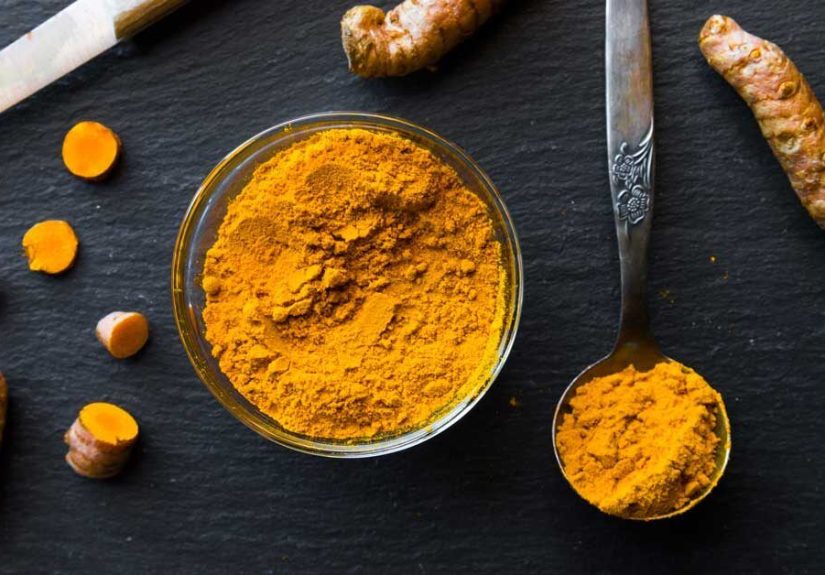
Turmeric is a plant root in the ginger family. It is the bright yellow-orange spice that colors curries, soups, rice dishes, and golden milk. It contains a variety of naturally occurring compounds, including curcuminoids. Curcumin is the most talked-about of those compounds because it appears to have anti-inflammatory and antioxidant activity.
Think of it this way: turmeric is the full band, while curcumin is the lead singer who gets all the interviews.
That matters because whole turmeric and isolated curcumin do not behave the same way in the body. Whole turmeric comes with smaller amounts of curcumin plus other plant compounds. Curcumin supplements are more concentrated and are often paired with ingredients like black pepper extract, phospholipids, or specialized delivery systems to improve absorption.
Turmeric vs Curcumin at a Glance
- Turmeric is the whole spice or root. It is best for cooking, general nutrition, and people who prefer a food-first approach.
- Curcumin is a concentrated compound extracted from turmeric. It is usually what researchers study when looking at supplements for inflammation-related benefits.
- Turmeric foods are gentler and usually lower risk for most people.
- Curcumin supplements may be more potent, but they are also more likely to cause stomach upset, interact with medications, or be a poor fit for someone with certain health conditions.
Why Curcumin Gets More Attention in Research
Curcumin is the star of the supplement world because it is the part of turmeric that researchers most often connect to anti-inflammatory and antioxidant effects. Some studies suggest it may help with conditions linked to inflammation, especially joint discomfort and certain digestive symptoms. That said, this is not a miracle molecule wearing a superhero cape. The evidence is promising in some areas, mixed in others, and nowhere near strong enough to treat curcumin like a cure-all.
One reason the curcumin conversation gets complicated fast is bioavailability, which is a fancy way of asking, “How much of this stuff actually gets into your system?” Curcumin is known for being absorbed poorly when taken by mouth. In other words, your body can greet it politely and then show it the exit.
That is why many supplements add black pepper extract, usually piperine, or use specialized formulations designed to help more curcumin get absorbed. This sounds great in theory, but it also means products vary wildly. One capsule may be a basic turmeric powder. Another may be a highly concentrated curcumin extract with absorption enhancers. They may both wear the same golden costume on the shelf, but they are not giving the same performance.
What the Research Actually Suggests
Turmeric as a Food
Using turmeric in food is the simplest and usually safest way to bring it into your life. It adds flavor, color, and a modest amount of beneficial plant compounds. When used in cooking, turmeric is part of an overall dietary pattern rather than a high-dose intervention. That is important because real health does not usually come from one heroic teaspoon. It comes from the bigger picture: vegetables, fiber, healthy fats, movement, sleep, and not pretending fries count as emotional support.
As a food ingredient, turmeric is especially appealing for people who want a low-drama wellness habit. You can stir it into lentils, roasted vegetables, soups, eggs, smoothies, or rice. Pairing it with black pepper and some fat, such as olive oil or yogurt, may improve absorption a bit. No supplement organizer required.
Curcumin as a Supplement
Curcumin supplements are more likely to be considered when someone wants a concentrated product for a specific reason, especially support for joint discomfort or inflammation-related symptoms. Some studies have found benefits for osteoarthritis symptoms and for certain digestive complaints. But even here, the evidence is not a universal green light. Different studies use different formulas, doses, and time frames, so results are not always easy to compare.
That means two things can be true at once: curcumin may help some people, and the supplement aisle still oversells it like it is trying to win an Oscar for Best Supporting Ingredient.
What Curcumin Does Not Deserve
Curcumin should not be treated like a substitute for medical care. It is not a proven fix for heart disease, cancer, dementia, depression, or metabolic disease just because a label uses enthusiastic fonts and words like “advanced.” A lot of supplement claims sprint far ahead of the evidence. If a product sounds like it can repair your joints, protect your brain, detox your liver, and organize your garage, it is time to back away slowly.
So, Which Should You Take?
Choose Turmeric if You Want a Food-First Option
Turmeric is usually the better pick if your goal is everyday wellness rather than high-dose supplementation. It makes sense if:
- You want to add more antioxidant-rich, plant-based ingredients to your meals.
- You prefer getting benefits from food instead of pills.
- You are not looking for a supplement to target one specific symptom.
- You want something affordable, flexible, and easy to use consistently.
Turmeric is also ideal for people who know themselves well enough to admit that buying a supplement is easier than remembering to take it. A spice jar in the kitchen often gets more real-world use than a bottle hiding behind vitamin D and old gum.
Choose Curcumin if You Need a Concentrated Supplement Approach
Curcumin may be the better option if you and your healthcare professional have a clear reason to use a supplement, especially for inflammation-related concerns where a concentrated formula makes more sense than culinary turmeric. It may fit if:
- You want a standardized ingredient rather than a general spice powder.
- You are specifically looking at evidence tied to curcumin supplements.
- You understand that absorption matters and product quality matters even more.
- You are willing to check the label carefully and review possible interactions first.
In plain terms, if turmeric is the “eat better” option, curcumin is the “use a targeted tool carefully” option.
Choose Neither Until You Talk to a Clinician if Safety Is a Concern
This is the least glamorous advice in the article, which probably means it is the most useful. Turmeric and curcumin supplements are not a smart self-experiment for everyone. Pause first if you take blood thinners, cancer therapies, or multiple medications, or if you have a history of kidney stones, unexplained liver issues, or a sensitive digestive system.
Food-level turmeric is one thing. Concentrated supplements are another. Your body may treat them very differently.
Potential Side Effects and Safety Issues
Let’s talk about the part supplement ads prefer to hide behind a sunflower field.
Both turmeric and curcumin are generally considered reasonably safe in food amounts. Short-term supplement use can also be tolerated by many people, but “natural” does not mean “risk-free.” Possible side effects include nausea, reflux, stomach upset, diarrhea, and constipation. Some people also find that black pepper-enhanced formulas are a little too exciting for their stomachs.
Drug interactions are a bigger issue than many people realize. Turmeric and curcumin may interfere with certain medications, including blood thinners, and some cancer centers advise patients to discuss turmeric supplements before using them during treatment. There are also concerns about kidney stone risk in some people and emerging evidence that turmeric or curcumin supplements can, in rare cases, be linked to liver injury.
That does not mean every capsule is dangerous. It means the supplement should be treated with the same respect you would give any biologically active product. Which is to say: more caution, fewer vibes.
Why Product Quality Matters So Much
If you decide to take curcumin, quality matters more than catchy packaging. Supplements vary in strength, purity, added ingredients, and how much curcumin they actually deliver. Some combine turmeric powder with a small amount of extract and market the whole thing like a precision wellness missile. Others use proprietary blends, which is often code for “we would prefer not to say too much.”
Look for products that clearly list:
- The exact form used, such as turmeric powder, turmeric extract, or curcumin extract.
- The amount per serving in milligrams.
- Whether the formula includes piperine or another absorption enhancer.
- Third-party testing or quality verification.
If the label makes huge promises and tiny disclosures, that is not confidence. That is glitter with a barcode.
Practical Examples: What the Right Choice Looks Like
Example 1: A healthy adult wants to eat more anti-inflammatory foods and likes to cook. Turmeric is probably the better choice. It is easy to add to soups, curries, roasted cauliflower, rice, scrambled eggs, and salad dressings.
Example 2: Someone with persistent knee discomfort is curious about supplements after reading up on inflammation. Curcumin may be worth discussing with a healthcare professional, especially if they want a more standardized product than kitchen turmeric can provide.
Example 3: A person on blood thinners sees a flashy “turmeric curcumin complex” online and thinks, “What could go wrong?” This is exactly the moment to not freestyle your supplement plan.
Example 4: Someone with a sensitive stomach tries a high-potency formula with black pepper and quickly regrets their optimism. In that case, food-based turmeric may be easier to tolerate, or the supplement may not be worth continuing.
The Best Answer for Most People
For most healthy adults, turmeric as a food is the best starting point. It is simple, inexpensive, and easy to use in a sustainable way. It lets you enjoy the plant without jumping straight into high-dose supplementation.
Curcumin makes more sense when there is a specific reason for using a supplement and when the person taking it understands that stronger is not always smarter. Because curcumin is more concentrated, it can also bring more risk, more label confusion, and more need for common sense.
So if you are choosing between the two, here is the practical rule:
- Pick turmeric for everyday cooking and general wellness.
- Pick curcumin only when you want a more targeted supplement and have checked whether it fits your health situation.
- Pick neither for now if you take medications or have medical conditions that make supplement interactions a concern.
That answer may not be as dramatic as “unlock the healing power of ancient gold,” but it is far more useful.
Practical Experiences Related to Turmeric vs Curcumin: What People Often Notice
In real life, the turmeric-versus-curcumin decision rarely starts in a lab. It usually starts in a kitchen, a pharmacy aisle, or after a friend says something like, “You should totally try this, it changed my life,” which is a sentence that should probably require a permit.
Many people who start with turmeric in food describe the experience as gradual and easy to maintain. They are not expecting fireworks. They add turmeric to soups, stews, roasted vegetables, oatmeal, smoothies, or rice and simply like the idea that their meals now contain one more flavorful plant ingredient with some research behind it. For them, the biggest benefit is often consistency. Food feels normal. It folds into everyday life. Nobody has to remember a second supplement after lunch or wonder whether they already took one this morning.
People who try curcumin supplements usually go in with a more specific expectation. They may want help supporting joints, easing soreness, or trying a nonprescription option before discussing other strategies with a clinician. Their experience can be more mixed. Some feel encouraged because the product feels more purposeful and measurable than a spice jar. Others are surprised to learn that not all curcumin supplements are comparable. One bottle may be mild, another may include piperine, and another may use a specialized delivery system. So when people compare results, they are often not comparing the same kind of product at all.
Another common experience is disappointment caused by unrealistic expectations. Turmeric and curcumin are often marketed with language that sounds one step away from wizardry. People may expect instant relief, dramatic anti-aging effects, or visible changes in a week. Then real life shows up, wearing sweatpants, and reminds everyone that nutrition and supplements usually work more like nudges than plot twists. If someone notices benefits, they are often subtle: feeling a little better, moving a little easier, or feeling good about building a healthier routine.
Stomach issues also come up in real-world use more often than glossy labels suggest. Some people do fine with turmeric in meals but find concentrated supplements too harsh, especially formulas that include black pepper extract. Others do not mind the supplement itself but dislike the burden of checking interactions with medications or wondering whether a product is truly high quality. That uncertainty can turn a “healthy habit” into a low-grade stress hobby.
One of the most practical experiences people report is this: turmeric is easier to live with, while curcumin is easier to market. That does not make curcumin bad. It simply means food-based choices often win on sustainability, while supplements win on potency and precision. In the long run, the best option is usually the one a person can use safely, afford consistently, and fit into daily life without turning wellness into a part-time job.
That is why many people land on a middle path. They use turmeric in food regularly and only consider curcumin supplements when there is a clear reason, a trustworthy product, and a medical green light. It is not flashy, but it is smart. And smart tends to age better than hype.
Final Verdict
If you want the most practical answer to Turmeric vs Curcumin: Which should you take?, here it is: start with turmeric if you want a simple, food-based habit; consider curcumin only if you want a more concentrated supplement and you have a good reason for it. For many people, the best move is not chasing the strongest capsule on the shelf. It is choosing the option that matches your goal, your body, and your actual life.
Because the best supplement decision is not the one that sounds the most impressive. It is the one you can defend after reading the label all the way to the bottom.







 Close
Close