
Table of Contents >> Show >> Hide
- What Is Tuscan Bean Soup?
- Why You’ll Love This Tuscan Bean Soup Recipe
- Ingredients for the Best Tuscan Bean Soup
- How to Make Tuscan Bean Soup
- Tips for a Truly Excellent Tuscan White Bean Soup
- Easy Variations
- What to Serve With Tuscan Bean Soup
- How to Store and Reheat It
- Common Mistakes to Avoid
- Why This Recipe Works
- Experience: What It’s Like to Make and Eat Tuscan Bean Soup Again and Again
- Final Thoughts
If ever there were a soup that could make your kitchen smell like you suddenly became the kind of person who casually bakes bread and owns beautiful wooden spoons, it would be Tuscan bean soup. This rustic Italian-inspired classic is cozy, hearty, and deeply satisfying without being fussy. It leans on pantry staples, loves a glug of good olive oil, and turns humble beans into something rich enough to feel like dinner, not a side quest.
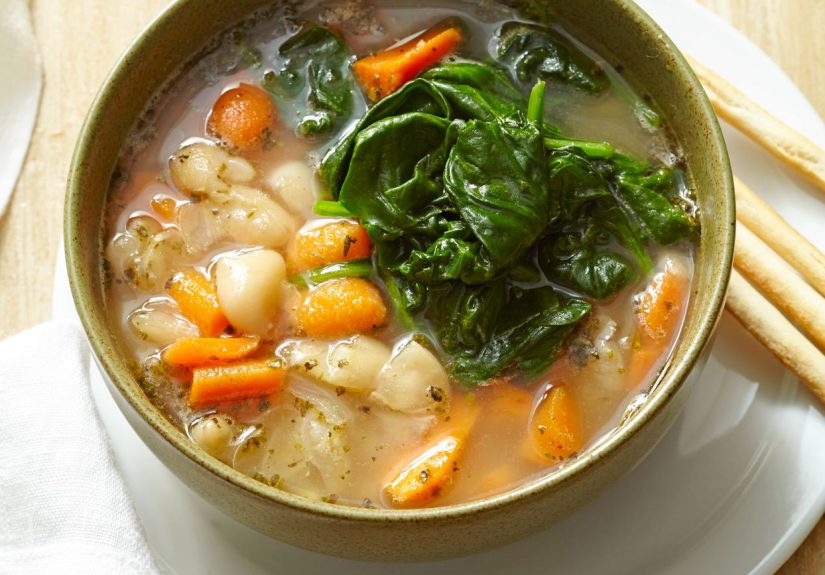
A great Tuscan bean soup recipe is all about balance: creamy white beans, aromatic vegetables, garlic, herbs, broth, greens, and a finishing touch that wakes everything up. Some versions are brothy, some are silky, and some drift into ribollita territory with bread folded in until the soup becomes almost stew-like. The good news is that all of them taste like comfort wearing an expensive wool scarf.
This version keeps the soul of a traditional Tuscan-style soup while staying weeknight-friendly for an American kitchen. You can make it with canned beans, build deep flavor in one pot, and still end up with a bowl that tastes like it spent all day quietly becoming wonderful on the stove.
What Is Tuscan Bean Soup?
Tuscan bean soup is a rustic soup built around white beans, olive oil, vegetables, herbs, and broth. In many interpretations, it also includes kale, escarole, spinach, or cabbage. Some versions add pancetta or bacon for smoky depth, while others stay vegetarian and rely on Parmesan rind, tomato paste, or simply excellent olive oil to create savory richness.
It is related to the broader Tuscan tradition of simple, hearty cooking that makes inexpensive ingredients taste like a reward. That is why this soup works so well: beans are affordable, filling, and naturally creamy. Once they simmer with onion, carrot, celery, garlic, and herbs, the broth becomes velvety and full-bodied without needing much cream or flour. In other words, the beans do the heavy lifting while you take the credit.
Why You’ll Love This Tuscan Bean Soup Recipe
- It uses easy-to-find ingredients and mostly pantry staples.
- It is hearty enough for dinner but not so heavy that you need a nap immediately afterward.
- It tastes even better the next day, which makes leftovers feel like a small personal victory.
- It can be made vegetarian, extra garlicky, spicy, or more stew-like depending on your mood.
- It pairs beautifully with toasted bread, grated cheese, or a simple salad.
Ingredients for the Best Tuscan Bean Soup
Here is the ingredient lineup for a rich, balanced, deeply comforting pot of soup that serves about 6:
- 2 tablespoons extra-virgin olive oil
- 4 ounces diced pancetta or bacon (optional)
- 1 medium yellow onion, diced
- 2 medium carrots, diced
- 2 celery stalks, diced
- 4 garlic cloves, minced
- 2 tablespoons tomato paste
- 3 cans cannellini beans, drained and rinsed
- 6 cups low-sodium chicken broth or vegetable broth
- 1 Parmesan rind (optional, but highly recommended)
- 1 bay leaf
- 1 teaspoon chopped fresh rosemary, or 1/2 teaspoon dried
- 1 teaspoon chopped fresh thyme, or 1/2 teaspoon dried
- 1 small bunch Tuscan kale, stems removed and leaves chopped
- 1 to 2 teaspoons kosher salt, to taste
- 1/2 teaspoon black pepper
- 1/4 teaspoon red pepper flakes, optional
- 1 to 2 teaspoons fresh lemon juice or a small splash of red wine vinegar
- Freshly grated Parmesan cheese, for serving
- Crusty bread, for serving
Ingredient Notes That Actually Matter
Cannellini beans are the classic choice because they are creamy, mild, and sturdy enough to simmer without falling apart immediately. Great Northern beans also work well. Navy beans can step in too, though they create a slightly softer texture.
Olive oil is not just a cooking fat here. It is part of the flavor profile. Use a good extra-virgin olive oil, especially for finishing the soup.
Kale gives the soup structure and a little bitterness that balances the creamy beans. Tuscan kale, also called lacinato or dinosaur kale, is ideal, but spinach or escarole can work if that is what you have.
Parmesan rind is one of those tiny upgrades that makes people think you know secrets. And you do. This is one of them.
How to Make Tuscan Bean Soup
1. Build the flavor base
Set a large Dutch oven or soup pot over medium heat. Add the olive oil and pancetta, if using. Cook until the pancetta starts to crisp and releases some fat. Add the onion, carrots, and celery. Cook for about 8 to 10 minutes, stirring now and then, until the vegetables soften and smell sweet and savory.
Add the garlic and cook for about 30 seconds. Stir in the tomato paste and let it cook for 1 to 2 minutes. This quick step deepens the flavor and knocks out the raw edge.
2. Add the beans, broth, and herbs
Pour in the beans and broth. Add the Parmesan rind, bay leaf, rosemary, thyme, black pepper, and red pepper flakes if using. Bring everything to a gentle boil, then lower the heat and simmer for about 20 minutes.
This is where the soup starts acting like it has been planning something all day.
3. Thicken the soup naturally
To create that signature creamy texture, scoop out about 1 to 1 1/2 cups of beans and broth and mash them with a fork, or blend a small portion of the soup using an immersion blender. Stir the mashed mixture back into the pot.
This is the best trick in the whole recipe. You get a thicker, richer broth without flour, roux, or a random splash of cream trying to steal the spotlight.
4. Add the greens
Stir in the chopped kale and simmer for another 8 to 10 minutes, until the greens are tender but still vibrant. Taste the soup and season with salt. Add the lemon juice or vinegar at the end to brighten the flavor.
5. Serve like you mean it
Remove the Parmesan rind and bay leaf. Ladle the soup into bowls and finish with grated Parmesan, a drizzle of olive oil, and thick slices of toasted crusty bread. If you want to go slightly more traditional and rustic, place torn stale bread in the bowl first and ladle the soup over it.
Tips for a Truly Excellent Tuscan White Bean Soup
Use canned beans, but use them intelligently
Canned beans make this recipe fast and reliable. To keep the texture lush, mash some of them into the broth instead of leaving every bean whole. That is what gives the soup body and helps it taste less like “I opened three cans and hoped for the best.”
Don’t rush the vegetables
The onion, carrot, and celery base does more than fill the pot. It creates sweetness and depth. If you undercook the aromatics, the soup will still be good, but not unforgettable.
Finish with acid
Beans and broth can taste a little flat without something bright at the end. Lemon juice or red wine vinegar adds lift and keeps the soup from tasting heavy.
Make it ahead
This soup is one of those magical dishes that gets better after a night in the fridge. The beans absorb more flavor, the broth thickens slightly, and the whole thing settles into itself beautifully.
Easy Variations
Vegetarian Tuscan bean soup
Skip the pancetta or bacon and use vegetable broth. Keep the Parmesan rind if you eat cheese, or leave it out and add a little nutritional yeast for savory depth.
Tuscan bean soup with sausage
Brown a little Italian sausage before the vegetables for a richer, heartier version. It turns the soup into a full cold-weather event.
Ribollita-style bean soup
Add torn stale bread during the last few minutes of cooking or place toasted bread in the bottom of each bowl. The bread thickens the soup and gives it that rustic Tuscan-country-kitchen personality.
Creamier bean soup
Blend more of the soup for a smoother texture. You can also stir in a spoonful of creme fraiche or a splash of cream, though the beans usually provide enough richness on their own.
What to Serve With Tuscan Bean Soup
The obvious answer is crusty bread, and the obvious answer is correct. Garlic-rubbed toast, grilled sourdough, or a slice of rustic country loaf all work beautifully. A simple salad with lemon vinaigrette is also a smart pairing because it keeps the meal bright. If you want to stretch dinner further, serve the soup with roasted vegetables, a small antipasto plate, or grilled chicken on the side.
And yes, a shower of Parmesan on top is encouraged. This is not the moment for restraint.
How to Store and Reheat It
Let the soup cool, then refrigerate it in an airtight container for up to 4 days. It will thicken as it sits, so add a splash of broth or water when reheating. Warm it gently on the stovetop or in the microwave until hot.
You can also freeze it for up to 3 months. If you plan to freeze the soup, consider adding the greens after thawing and reheating so they stay fresher in texture and color.
Common Mistakes to Avoid
- Not seasoning in layers: Salt the soup thoughtfully at the end, especially if your broth and cheese add sodium.
- Skipping the bean-mashing step: If you want a rich broth, this matters.
- Overcooking the greens: Kale should be tender, not tired.
- Using weak broth: Since the ingredient list is simple, every element has to pull its weight.
- Forgetting the finish: Olive oil, lemon, and cheese are not decoration. They complete the soup.
Why This Recipe Works
This Tuscan bean soup recipe works because it layers flavor in a way that feels both old-world and practical. The vegetables create sweetness, the garlic and herbs add aroma, the beans provide creaminess, and the broth ties everything together. Kale adds texture, while Parmesan rind and olive oil bring in savory depth. A final hit of acid keeps the soup lively.
It is economical, adaptable, and deeply comforting. That is probably why variations of it have stayed popular for so long. It is not trying to be trendy. It is just trying to be delicious, which is often the smarter career move.
Experience: What It’s Like to Make and Eat Tuscan Bean Soup Again and Again
There is something quietly reassuring about making Tuscan bean soup. It does not demand restaurant-level knife skills or a shopping list long enough to require emotional support. It asks for beans, vegetables, broth, and a little patience. In return, it gives you a pot of food that feels generous in a way many fast meals do not. The first time you make it, you notice the smell: onion, carrot, celery, garlic, herbs, olive oil. It is the kind of aroma that makes people wander into the kitchen and ask what is cooking, as if they were definitely not just there a minute ago looking for snacks.
The experience gets even better once you realize how flexible the soup is. Some nights it feels rustic and simple, especially when served with thick toast and a drizzle of olive oil. Other nights it feels surprisingly elegant, especially if you finish it with finely grated Parmesan, cracked black pepper, and a salad on the side. It can be dinner for a busy Wednesday, a lazy Sunday lunch, or the thing you make when the weather is gloomy and everyone suddenly starts acting like soup is a personality trait.
One of the best parts of this recipe is how forgiving it is. If your carrots are a little larger than planned, the soup survives. If you only have two cans of beans and need to stretch the pot with more broth and bread, it adapts. If you forgot to buy kale but have spinach, the world keeps turning. That flexibility makes the soup feel less like a strict recipe and more like a dependable method you can return to over and over.
Then there is the next-day experience, which might be the real reason so many cooks love bean soup. The flavors deepen overnight. The broth becomes silkier. The beans absorb seasoning and somehow become even more comforting. Reheating a bowl the next day feels like a reward from your past self, who apparently had excellent judgment. Add fresh lemon, a little more cheese, maybe some toast rubbed with garlic, and leftovers suddenly feel suspiciously luxurious.
There is also a practical pleasure in serving this soup to other people. It is affordable, it feeds a crowd, and it suits a wide range of tastes. Meat eaters like it with pancetta or sausage. Vegetarians love it without either. People who think soup is not a real meal usually change their minds after one bowl and a piece of crusty bread. It has that rare ability to feel wholesome without tasting like it is trying to teach you a lesson.
Most of all, Tuscan bean soup creates the kind of kitchen experience many home cooks want more of: low drama, high reward. You chop a few vegetables, stir the pot, mash some beans, and suddenly dinner feels grounded, warm, and human. It is not flashy, and that is exactly why it wins. It tastes like care. It tastes like home. And if you happen to eat it standing at the stove with a spoon before anyone else gets a bowl, that is not a mistake. That is quality control.
Final Thoughts
If you want a soup that is practical enough for a weeknight and soulful enough for a slow weekend dinner, Tuscan bean soup is hard to beat. It proves that a few humble ingredients can still produce a deeply satisfying meal when treated with a little attention. Keep a few cans of cannellini beans in the pantry, a wedge of Parmesan in the fridge, and a loaf of crusty bread on standby, and you are never far from a truly comforting dinner.
In other words, this is not just a good bean soup recipe. It is the kind of recipe that earns repeat status, gets passed around, and quietly becomes part of your regular cooking life. Which is exactly what the best recipes do.







 Close
Close