
Table of Contents >> Show >> Hide
- The Story: An Abandoned Egg, a Built Nest, and Two Very Determined Dads
- Why Would a Vulture Egg Be Abandoned in the First Place?
- Meet the Birds: Vultures Are Built for Commitment (and Clean-Up)
- So… Are Same-Sex Bird Pairs “A Thing”?
- Why the Adoption Worked: Incubation Is a Skill, Not Just an Instinct
- Zooming Out: What This Story Says About Conservation
- What the Internet Gets Wrong (and What It Gets Right)
- Why Vultures Deserve a Reputation Upgrade
- What It’s Like to Witness Vulture Dads in Action: Real-World Experiences
- Conclusion: A Sweet Story With Serious Meaning
Some love stories are candlelit dinners. Others are… two enormous birds taking turns sitting on a mystery egg like it’s the hottest new subscription service. In one of those “nature is wilder than the internet” moments, a bonded pair of male vultures stepped in when an egg was left without proper careand did what good parents do: they showed up, warmed it, guarded it, and fed the chick like they had a shared calendar invite titled Parenting: Extremely Important, No Reschedules.
This article breaks down what happened, why it matters, what it teaches us about vulture behavior and conservation, and why this story is less “tabloid twist” and more “biology doing biology.” We’ll keep it fun, but we’ll also keep it realbecause vultures deserve better than being reduced to background villains in every desert movie ever made.
The Story: An Abandoned Egg, a Built Nest, and Two Very Determined Dads
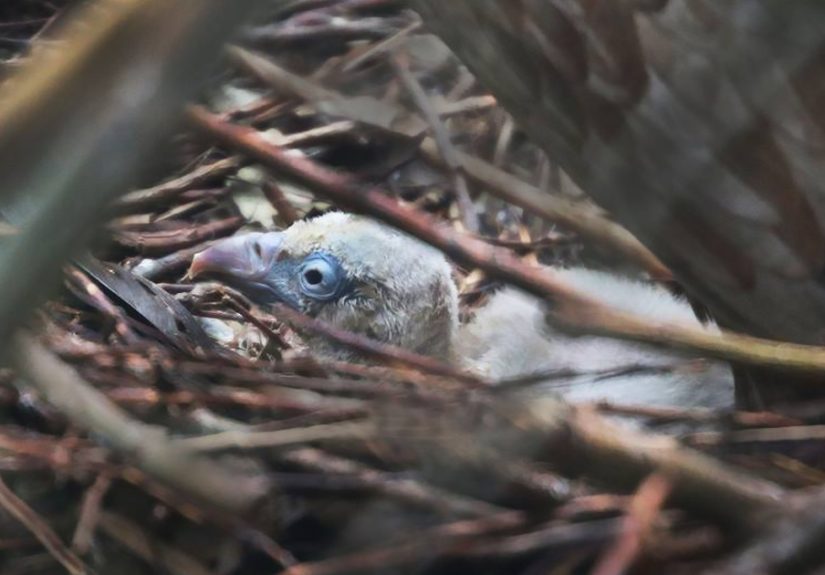
The headline version goes like this: zookeepers discovered a fertile vulture egg that wasn’t being incubated. They initially protected it in a controlled setting (because eggs do not come with backup batteries). But then, instead of leaving it to an incubator start-to-finish, caretakers placed the egg into the nest of a long-bonded pair of male vultures.
Here’s where the plot gets wholesome: the two males did exactly what you’d hope. They took turns incubatingbecause even devoted dads need snack breaksuntil the egg hatched. After that, they cared for the chick by feeding it regurgitated food, which is the standard “baby bird meal plan,” even if it sounds like the worst smoothie bar in town.
Important note: the chick wasn’t “created” by the male pair biologically. The parenting part is the headline. The genetics are just the fine print. And in the world of conservation, successful parenting is not a footnoteit’s a big deal.
Why Would a Vulture Egg Be Abandoned in the First Place?
If you’re imagining a dramatic breakup scene in the aviary, take a breath. Egg abandonment can happen for very unromantic reasons, including:
- Inexperience: some birds simply aren’t ready to incubate reliably, especially young or first-time breeders.
- Stress or disturbance: changes in environment, social dynamics, or human activity can disrupt nesting behavior.
- Poor pair coordination: in species where partners trade incubation duties, timing mattersbad “shift handoff” can doom an egg.
- Egg placement problems: eggs can end up in suboptimal spots (cold surfaces, unsafe corners) where incubation fails.
In managed-care settings like zoos, staff watch for these issues closely, because eggs are preciousespecially for species that lay few eggs and invest heavily in each chick.
Meet the Birds: Vultures Are Built for Commitment (and Clean-Up)
Vultures don’t get enough credit. They’re not just “spooky scavengers.” They’re essential sanitation workers of the natural worldspecialists that remove carcasses quickly, which helps limit the spread of disease and supports ecosystem health.
Even their “bald head” look? That’s not a fashion statement; it’s a hygiene strategy. No feathers means less gunk and fewer bacteria clinging around after feeding. If you’ve ever judged a vulture’s appearance, congratulationsyou’ve been outsmarted by evolution.
And when it comes to parenting, many vulture species are all-in. They tend to invest serious time and energy into raising chicks. That’s part of why a stable pair bond matters: raising a large raptor chick is not a solo hobby.
So… Are Same-Sex Bird Pairs “A Thing”?
Yes. Same-sex pair bonding and courtship behaviors have been observed across many animal species, including birds. In some cases, same-sex pairs may form when:
- there’s an imbalanced sex ratio (more of one sex than the other),
- individuals fail to find a compatible opposite-sex mate,
- social bonding provides benefits (territory defense, nesting sites, stability),
- or the species naturally supports flexible social structures.
Crucially, pairing and parenting are related but not identical. A same-sex pair can be strongly bonded and still not produce an egg together. But if a fertile egg becomes availableabandoned, at risk, or surpluscaretakers may sometimes place it with an attentive pair that has demonstrated strong nesting instincts.
This isn’t “making a statement.” It’s using behavior that already exists to improve outcomes for chicks. In conservation work, the priority is survival and welfare, not labels.
Why the Adoption Worked: Incubation Is a Skill, Not Just an Instinct
We talk about incubation like it’s automatic, but it’s closer to an endurance sport with a thermostat problem. Successful incubation requires:
- consistent warmth (and not too warmeggs are picky),
- steady attendance (no “oops, forgot the egg” moments),
- proper positioning and turning (many birds adjust eggs to keep development even),
- nest defense (because other animals do not respect personal boundaries).
Zoos often evaluate potential foster parents by observing how reliably they sit on eggs or even “practice eggs” (dummy eggs). In other species, keepers have documented that testing brooding behavior can help identify the best foster parentsbecause being eager is cute, but being consistent is what hatches chicks.
Zooming Out: What This Story Says About Conservation
It’s easy to treat the “two dads” angle as a viral feel-good momentand it is genuinely sweet. But there’s a bigger conservation takeaway: every successfully raised chick matters when populations face threats like habitat loss, poisoning, and collisions with human infrastructure.
Vulture conservation is a serious global issue, and accredited zoos often support field programs, research, rescue, and rehabilitation efforts. In the United States, collaborative wildlife programs also show how intensive managementincluding captive breeding and carefully managed releasescan help keep critically threatened species from disappearing.
So while the headline might feel like a novelty, the underlying lesson is practical: if a bonded pair can incubate reliably and raise a chick safely, that’s valuable information for animal care teamsand potentially a win for species management.
What the Internet Gets Wrong (and What It Gets Right)
Wrong: “This proves animals are just like humans.”
Animals aren’t tiny feathered people in a soap opera. Same-sex pairing in birds doesn’t map neatly onto human identity, culture, or relationships. The behavior is real, but the meaning is biological and ecological, not social.
Wrong: “This is unheard of.”
Same-sex pairing, fostering, and cooperative parenting aren’t brand-new discoveries. They’re simply underreported and often misunderstood.
Right: “Good parenting can come from unexpected places.”
This is the heart of it. Care behavior is behavior. If the birds do the jobincubate consistently, feed appropriately, protect the chickthen the chick benefits. That’s the point.
Why Vultures Deserve a Reputation Upgrade
If you only remember one thing, let it be this: vultures are ecological first responders. They remove carcasses quickly, which reduces opportunities for disease spread and discourages other scavengers that may bring more human-wildlife conflict. They’re not gross; they’re efficient.
And as parents? Many vultures are patient, persistent, and surprisingly tenderat least by the standards of a bird that can locate lunch from the next zip code over.
What It’s Like to Witness Vulture Dads in Action: Real-World Experiences
You don’t fully appreciate vulture parenting until you watch it happen up close. Not in a dramatic, movie-trailer waymore like witnessing a two-bird routine built on quiet teamwork and relentless consistency.
First comes the stillness. Visitors often describe it as “boring” at first: one vulture sits, barely moving, like a stone statue with feathers. But that’s the point. Incubation is an exercise in staying put. When you realize that bird has been maintaining warmth for hourssometimes swapping shifts with its partneryou start to see the work behind the calm.
Then you notice the handoff. In well-bonded pairs, the shift change can look almost casual: one bird approaches, the sitting bird adjusts, and the egg remains covered like it’s being guarded by a living blanket. It’s not flashy. It’s disciplined. People who’ve watched foster pairs often say the most striking part is how little chaos there is. No frantic flapping, no “whose turn is it?” meltdownjust a smooth exchange that looks suspiciously like competence.
When the chick arrives, the mood changes. Keepers and bird staff frequently talk about how attentive vulture parents become after hatching. The adults stay close, posture more defensively, and respond quickly to the chick’s needs. If you’re lucky enough to catch feeding time (or the moments right before it), you’ll see the adult lean down and the chick lift upan interaction that’s quick, intimate, and very much “this is how our species does it.” It’s also the moment many people finally stop calling vultures “creepy” and start calling them “kinda adorable,” which is honestly an emotional journey worth taking.
Behind the scenes, the experience is even more intense. Wildlife care teams monitor nests with the patience of people watching sourdough rise. They look for subtle signs: Is the egg being covered consistently? Is the adult repositioning properly? Is the partner participating or just loitering like a roommate who “forgets” to do dishes? In many facilities, staff have learned that successful foster parenting often correlates with pairs that already show strong nesting behaviorsbuilding, defending, and brooding reliably, even before a viable egg is introduced.
For families and kids, it’s a surprisingly powerful lesson. You’ll hear parents explaining that “parenting is caring,” and kids asking questions that are both hilarious and profound: “Do they have names?” “Do they take turns?” “Is the baby going to be okay?” Watching two birds cooperate over something fragile makes the whole idea of care feel tangible. It becomes less about viral headlines and more about the simple reality that some animals form bonds and raise young with dedication.
In the end, the most common “experience” people take away is a new respect for a bird they previously ignored. Two dads, one egg, a lot of patienceand a reminder that nature’s most underrated creatures can also be some of its most committed caregivers.
Conclusion: A Sweet Story With Serious Meaning
“Two gay vultures hatch an abandoned egg together” sounds like the setup to a joke. But it lands as something better: a true example of animal behavior, cooperative parenting, and the practical problem-solving that good wildlife care teams use to give chicks the best chance at life.
It’s also a reminder that vulturesoften mocked, misunderstood, and unfairly cast as villainsare vital animals with complex social lives and real conservation importance. If two devoted dads can turn a vulnerable egg into a thriving chick, maybe it’s time we stop underestimating the cleanup crew of the sky.







 Close
Close