
Table of Contents >> Show >> Hide
- First, a quick refresher: What ulcerative colitis does to the body
- So what’s the connection between UC and heart disease?
- Heart disease risk: What does “higher risk” actually mean?
- Blood clots: the “sneaky” cardiovascular issue in UC
- Medications: How UC treatment can help (and sometimes complicate) heart risk
- What to do if you have UC and want to protect your heart
- 1) Treat remission like a heart-health strategy
- 2) Use “Life’s Essential 8” as a simple checklist
- 3) Monitor the boring numbers (because boring is powerful)
- 4) Move in UC-friendly ways
- 5) Eat in a way that respects both your colon and your arteries
- 6) Don’t ignore sleep and stress (they’re not “soft” factors)
- When to talk to a doctor sooner rather than later
- Bottom line
- Experiences people commonly report about UC and heart health (and what to do with them)
Ulcerative colitis (UC) is the kind of condition that can make you feel like your colon is auditioning for a drama seriesunpredictable flare-ups, urgent bathroom trips, fatigue, and a body that sometimes acts like it’s mad at you for existing.
But UC doesn’t always stay in its lane. Because it’s an inflammatory disease, UC can affect systems far beyond digestionincluding your heart and blood vessels.
Here’s the good news: knowing the connection between UC and heart disease doesn’t mean you’re doomed to a future of cardiology waiting rooms and awkward treadmill tests.
It means you can get smarter about preventionespecially during flares, when risk can stack up. Let’s break it down in plain English, with a little humor and a lot of practical strategy.
First, a quick refresher: What ulcerative colitis does to the body
UC is a chronic inflammatory bowel disease where your immune system misfires and causes inflammation and ulcers in the lining of the large intestine (colon).
Symptoms often come and go in waves (flares and remission), and the inflammation can be mildor “please cancel my plans forever” severe.
UC is not “just a gut problem”
When inflammation is persistent, it can spill over into the bloodstream. Think of inflammation like smoke: the fire might be in the colon, but the smoke can drift into other rooms.
That systemic inflammation is one of the main reasons researchers have studied whether UC (and IBD overall) is linked to higher cardiovascular risk.
So what’s the connection between UC and heart disease?
Many studies have found that people with inflammatory bowel disease (including UC) have a modestly increased risk of cardiovascular problems such as ischemic heart disease, heart attack, and strokeespecially during periods of active disease.
The risk isn’t usually described as “sky-high,” but it’s meaningful enough that it should change how you think about prevention.
Why inflammation matters for your heart
Atherosclerosis (plaque buildup in arteries) is not only about cholesterolit’s also an inflammatory process. Chronic inflammation can:
- Stress the lining of blood vessels (endothelial dysfunction), making arteries less “flexible.”
- Promote plaque formation and instability (so plaque is more likely to rupture).
- Increase clotting tendency, which can raise the risk of clots in veins and arteries.
- Trigger changes in metabolism and blood lipids during flares and steroid treatment.
In short: if UC inflammation is roaring, your cardiovascular system may feel the heat.
Risk can spike during flares (and that’s not just a theory)
During active flares, several “heart-unfriendly” factors often show up together:
- Dehydration from diarrhea (which can affect blood pressure and electrolytes).
- Electrolyte imbalances (which can contribute to palpitations or rhythm issues in vulnerable people).
- Anemia from bleeding, which forces the heart to work harder to deliver oxygen.
- Reduced activity because you feel awful (understandably).
- Inflammation itself, which nudges blood vessels and clotting in the wrong direction.
Heart disease risk: What does “higher risk” actually mean?
Most people with UC will not suddenly develop heart disease simply because they have UC.
The bigger issue is that UC can quietly add “extra weight” to your overall risk profileespecially if you also have traditional risk factors like high blood pressure, high LDL cholesterol, diabetes, smoking, or obesity.
Traditional risk factors still matter (a lot)
If you have UC and also have high blood pressure, high cholesterol, smoke, or have diabetes/prediabetes, those are still the biggest drivers of cardiovascular risk.
UC-related inflammation may amplify what’s already there.
Blood clots: the “sneaky” cardiovascular issue in UC
When people think “heart disease,” they usually think clogged arteries. But in UC, clot risk deserves its own spotlight.
UC is associated with a higher risk of blood clots (venous thromboembolism), especially during flares and hospitalization.
Why clots matter for the heart and lungs
A clot in the leg (deep vein thrombosis) can travel to the lungs (pulmonary embolism), which can be life-threatening.
That’s not “heart disease” in the classic sense, but it’s a major cardiovascular eventand one that can sometimes be preventable with the right precautions in high-risk situations (like being hospitalized).
Clot warning signs to take seriously
- DVT: one-sided leg swelling, pain, warmth, redness.
- PE: sudden shortness of breath, chest pain (especially with breathing), rapid heart rate, fainting, coughing blood.
If you suspect a clot, that’s emergency-levelnot “I’ll message my doctor next week” energy.
Medications: How UC treatment can help (and sometimes complicate) heart risk
Controlling inflammation is often heart-protective
One of the most practical ideas in the UC–heart conversation is this: fewer flares and less systemic inflammation may mean less cardiovascular stress over time.
Staying in remission isn’t only about fewer bathroom sprintsit’s also a long-game investment in whole-body health.
Steroids: effective short-term, messy long-term
Corticosteroids can be powerful for calming severe inflammation, but they’re not meant as a long-term maintenance strategy.
They can raise blood pressure, increase blood sugar, promote weight gain, and worsen fluid retentionbasically a highlight reel of cardiovascular risk factors if used too long.
If you’re on steroids (especially repeatedly), it’s smart to monitor:
blood pressure, blood sugar/A1C, and weightbecause prevention is easier than trying to undo months of “prednisone physics.”
JAK inhibitors and cardiovascular warnings (important)
Some advanced therapies used in inflammatory conditions include JAK inhibitors (for example, tofacitinib).
The FDA has required boxed warnings for certain JAK inhibitors due to increased risk of serious heart-related events (like heart attack and stroke), blood clots, cancer, and death in specific higher-risk populations.
This doesn’t mean these drugs are “bad”it means the decision should be individualized, especially if you’re over 50 or have cardiovascular risk factors.
If you’re considering a JAK inhibitor, ask your clinician directly:
“How does my personal heart risk affect this choice, and what should we monitor?”
Aspirin, NSAIDs, and the “two-doctor problem”
People with UC sometimes end up with advice from different specialists that can feel like it came from separate universes.
For example, a cardiology plan might include aspirin or other agents, while GI plans often avoid certain NSAIDs because they can worsen GI symptoms in some people.
The fix is not to play medical tug-of-war with your meds.
The fix is coordination: ask your GI and cardiology/primary care teams to align on what’s safest for you.
What to do if you have UC and want to protect your heart
You don’t need to become a marathon runner who eats chia seeds with a side of kale confetti.
You need a realistic, repeatable plan that matches your UC lifebecause prevention only works if you can actually do it.
1) Treat remission like a heart-health strategy
- Take maintenance meds as prescribed (even when you feel fine).
- Report early flare signs (so you can treat sooner and shorten the flare).
- Discuss steroid-sparing options if you need frequent steroid courses.
2) Use “Life’s Essential 8” as a simple checklist
The American Heart Association’s “Life’s Essential 8” covers the basics that move the needle for cardiovascular health:
eat better, be more active, avoid nicotine, get healthy sleep, manage weight, control cholesterol, manage blood sugar, and manage blood pressure.
If that list feels like a lot, pick two items to focus on for the next month. Consistency beats perfection.
3) Monitor the boring numbers (because boring is powerful)
Ask your primary care clinician how often you should check:
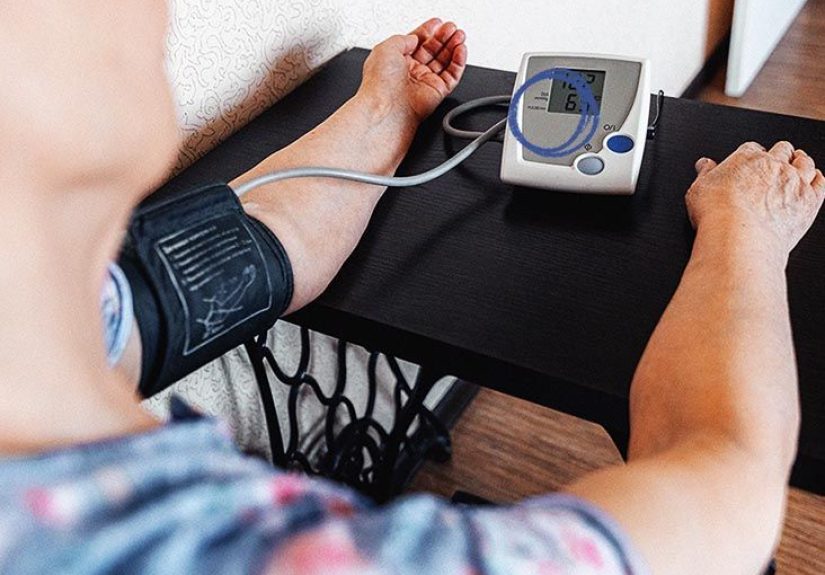
- Blood pressure
- Cholesterol (LDL, HDL, triglycerides)
- Blood sugar / A1C (especially if you’ve used steroids)
- Weight and waist circumference
4) Move in UC-friendly ways
Exercise doesn’t have to mean “high intensity” to help your heart.
Walking, cycling, swimming, resistance bands, and light weights can improve blood pressure, insulin sensitivity, sleep, and mood.
During a flare, movement might mean gentle stretching or a short walkstill worthwhile.
5) Eat in a way that respects both your colon and your arteries
Heart-healthy eating patterns (often Mediterranean-style) emphasize fruits, vegetables, whole grains, beans, nuts, fish, and unsaturated oils.
UC complicates this because fiber tolerance can change, especially during flares.
A practical approach:
- In remission: gradually build a diverse diet with plenty of plant foods you tolerate.
- During a flare: simplify (lower-residue/low-fiber may help some people temporarily), prioritize hydration, and re-expand your diet as symptoms calm.
- Always: limit ultra-processed foods when possible, and watch added sugars and excess sodium.
6) Don’t ignore sleep and stress (they’re not “soft” factors)
Poor sleep and chronic stress can worsen inflammation, raise blood pressure, and make flares harder to manage.
If UC is affecting sleepnighttime urgency, pain, anxietytell your care team. That’s not “just life”; it’s treatable information.
When to talk to a doctor sooner rather than later
Call promptly (or seek urgent care/emergency care) if you have:
- Chest pain, chest pressure, or unexplained shortness of breath
- Sudden weakness, facial droop, trouble speaking (stroke warning signs)
- New irregular heartbeat or persistent palpitations with dizziness
- Possible blood clot symptoms (leg swelling/pain, sudden shortness of breath)
A specific example (because real life is messy)
Imagine someone with UC who hits a rough flare: frequent diarrhea, poor sleep, low appetite, and they start prednisone.
Within two weeks, their blood pressure creeps up, their blood sugar runs higher than usual, and they’re too exhausted to move much.
None of those changes mean they’re “getting heart disease” immediatelybut it’s a perfect window for prevention:
check blood pressure, adjust diet and hydration, monitor glucose if needed, and shorten steroid exposure by transitioning to an effective maintenance plan.
Bottom line
UC and heart disease are connected mainly through inflammation, flare-related stress on the body, and clot riskplus the way some treatments can shift blood pressure and blood sugar.
The smartest strategy is not panic. It’s prevention: control inflammation, reduce traditional risk factors, and monitor the basics.
If you have UC, your heart doesn’t need you to be perfect.
It just needs you to be consistentespecially when your colon is having a “main character moment.”
Experiences people commonly report about UC and heart health (and what to do with them)
This section isn’t medical advice and it’s not meant to diagnose anything. It’s here because, in real life, people don’t experience “risk factors.”
They experience Tuesday. They experience symptoms. They experience worry. And sometimes they experience a body that sends confusing messages.
Many people with UC describe a strange emotional whiplash: you finally get your GI symptoms under control, and then you hear about heart disease risk and think,
“Cool, so my colon is calm, but now I have to worry about my heart too?” That reaction is incredibly commonand completely understandable.
The helpful reframe is this: the UC–heart link is mostly about long-term patterns, not a sudden surprise attack.
So your daily choices and your care plan matter a lot.
During flares, some people notice their heart feels “louder.” They may feel a racing pulse after climbing stairs, or they get lightheaded more easily.
Sometimes that’s dehydration, sometimes anemia, sometimes anxiety, and sometimes it’s just the body working harder because it’s under stress.
What people often find most useful is treating flare management like whole-body management: hydrate aggressively (with electrolytes if needed),
track symptoms, and tell a clinician if fatigue or shortness of breath feels out of proportion.
It’s not overreactingit’s information gathering.
Steroids deserve their own mini-storytime. A lot of people report that prednisone works like a miracle for gut inflammation but turns them into a hungry, wired, emotional raccoon.
Along with mood and sleep effects, some notice swelling, higher blood pressure readings, or higher blood sugar on labs.
The experience can feel unfair: you’re treating one problem and collecting side quests.
The practical takeaway is not “never use steroids”sometimes they’re necessary.
The takeaway is: use them thoughtfully, monitor the numbers, and push for a maintenance strategy that reduces repeated courses.
People often feel empowered when they track home blood pressure for a few weeks during steroid treatment and bring those readings to appointments.
Another common experience is confusion about food. Heart-healthy advice can sound like “eat more fiber,” while UC flare advice may sound like “fiber is your enemy.”
People often do best with a flexible, phase-based mindset: in remission, slowly expand variety and build a heart-friendly eating pattern with tolerable plants;
in flares, simplify temporarily, then reintroduce as symptoms calm.
Many people report that working with a dietitian familiar with IBD helps them stop treating meals like a pop quiz they didn’t study for.
Finally, there’s the psychological part: some people describe a low-grade fear of “missing something serious” when they have chest discomfort or palpitations.
UC can make you hyper-aware of bodily signals, because you’ve learned (the hard way) that symptoms matter.
A useful approach is creating an action plan with your clinician: what symptoms are urgent, what can wait 24 hours, and what should be tracked.
Having a plan reduces anxiety because you’re not forced to improvise at 2 a.m. while Googling symptoms with one eye closed.
The lived experience of UC is often about learning what you can control: inflammation control, smoking avoidance, sleep routines, movement you can tolerate, and routine checkups.
Over time, many people find that heart health becomes less scary when it’s treated like a checklist rather than a mystery.
Not glamorous, surebut neither is adulting, and yet here we all are.





 Close
Close