
Table of Contents >> Show >> Hide
- Why Terracotta Pots Are Perfect for a Summer Refresh
- Supplies You Need to Update a Terracotta Pot
- Step 1: Clean the Terracotta Pot Properly
- Step 2: Lightly Sand Rough Spots
- Step 3: Plan Your Summer Design
- Step 4: Prime If You Want a Strong, Solid Color
- Step 5: Paint in Thin Coats
- Step 6: Seal the Pot for Outdoor Durability
- Step 7: Choose the Right Plants for a Summer Terracotta Pot
- Step 8: Plant It the Right Way
- Creative Ways to Update a Terracotta Pot Without Full Paint
- Common Mistakes to Avoid
- How to Style Updated Terracotta Pots for Summer
- Maintenance Tips for Painted Terracotta Pots
- Budget-Friendly Terracotta Pot Makeover Ideas
- Experience Notes: What Actually Works When Updating a Terracotta Pot for Summer
- Conclusion
A terracotta pot is the blue jeans of the garden world: reliable, slightly dusty, surprisingly stylish, and somehow appropriate in almost every setting. But after a few seasons of sun, soil, mineral stains, and that mysterious patio grime nobody admits to causing, even the prettiest clay pot can start looking less “Mediterranean courtyard” and more “forgotten behind the shed.” The good news? You do not need to replace it. You can update a terracotta pot for summer with paint, sealant, simple patterns, fresh plants, and a little design confidence.
This project is one of the easiest summer DIY upgrades because it gives instant visual impact without requiring power tools, complicated measurements, or a dramatic trip to the hardware store where you pretend to know what every nozzle does. Whether you want a bright coastal planter, a soft cottage-style herb pot, a modern color-blocked design, or a gently aged terracotta finish, the same basic process applies: clean, dry, design, paint, protect, and plant.
Terracotta is especially loved for outdoor container gardening because its porous clay allows air and moisture to move through the pot walls. That breathability can help prevent soggy soil, which is great for herbs, succulents, lavender, rosemary, and many drought-tolerant summer plants. The trade-off is that terracotta dries out faster than plastic or glazed ceramic, so summer watering matters. A stylish pot is wonderful, but a stylish pot with a crispy basil plant is just a tiny clay tragedy.
Why Terracotta Pots Are Perfect for a Summer Refresh
Terracotta has a warm, earthy color that already feels like summer. It pairs beautifully with greenery, white flowers, blue accents, striped cushions, wicker furniture, and almost anything that belongs near a glass of lemonade. Unlike trendy plastic planters, clay pots age naturally. A few scuffs and mineral marks can even make them more charming.
But terracotta is also affordable and easy to customize. A plain pot can become a patio centerpiece with only a small amount of paint. You can create a whole coordinated set for a porch, balcony, garden bench, windowsill, or outdoor dining table. Even better, this is a forgiving project. If your painted stripe is not perfectly straight, call it “handmade character.” If your dots are uneven, congratulationsyou have invented rustic confetti.
Best Summer Styles for Terracotta Pot Makeovers
Before grabbing a brush, choose a visual direction. Summer designs work best when they feel light, fresh, and not too fussy. Here are a few reliable ideas:
- Coastal: white, navy, pale blue, sand, and soft gray with stripes or simple wave patterns.
- Modern patio: matte black, cream, sage green, or terracotta-on-terracotta color blocking.
- Cottage garden: soft florals, scalloped borders, faded pastels, and hand-painted herb labels.
- Mediterranean: limewash effects, aged clay, olive green, cobalt accents, and planted herbs.
- Boho summer: sun motifs, arches, dots, warm neutrals, and jute or raffia details.
For the most timeless look, let some of the natural terracotta show. The clay color acts like a built-in neutral and keeps the finished pot from looking too “craft table explosion.”
Supplies You Need to Update a Terracotta Pot
You can keep this project simple. Most of the supplies are inexpensive, and you may already have several at home.
- Terracotta pot with a drainage hole
- Dish soap and warm water
- Scrub brush or sponge
- White vinegar for mineral buildup, optional
- Fine-grit sandpaper, optional
- Drop cloth, cardboard, or old newspaper
- Painter’s tape or rubber bands for clean patterns
- Acrylic craft paint or exterior acrylic paint
- Paintbrushes or foam brushes
- Outdoor-safe clear sealer
- Potting mix, plants, and small stones or mesh for the drainage hole
If the pot will live outside all summer, choose paint and sealer labeled for outdoor use. Acrylic paint is popular for terracotta crafts because it is easy to apply and comes in endless colors, but exterior acrylic paint usually holds up better against sun and rain. For edible herbs or vegetables, keep paint and sealant on the outside of the pot and avoid coating surfaces that will directly touch soil unless the product label clearly says it is safe for that use.
Step 1: Clean the Terracotta Pot Properly
Do not paint over dirt. That sounds obvious, but summer optimism makes people do strange things. Terracotta collects dust, algae, fertilizer salts, and soil residue, and paint will not bond well to a dirty surface.
Start by removing old soil and brushing off loose debris. Wash the pot with warm water and a little dish soap. If the outside has white mineral stains, soak or wipe the surface with a diluted vinegar solution, then rinse thoroughly. For pots that previously held diseased plants, disinfecting is smart before reuse. After cleaning, let the pot dry completely. This may take 24 to 48 hours because terracotta absorbs moisture.
Drying is not the glamorous part, but it is the part that keeps your paint from bubbling, peeling, or staging a tiny rebellion two weeks later.
Step 2: Lightly Sand Rough Spots
If your pot has rough patches, old flaking paint, or gritty mineral buildup, give it a gentle sanding with fine-grit sandpaper. You are not trying to erase its personality. You are simply creating a smoother surface for paint. Wipe away the dust with a dry cloth before moving on.
For a rustic aged pot, skip heavy sanding and keep some texture. For a crisp modern pot, spend a few extra minutes smoothing the surface and rim.
Step 3: Plan Your Summer Design
A good terracotta pot update starts with a simple plan. Complicated designs can look charming, but they also increase the chance that you will be holding a tiny paintbrush at midnight asking why you chose 47 individual lemons as a border.
For beginners, try one of these easy designs:
- Painted rim: Paint only the top band for a clean, minimal update.
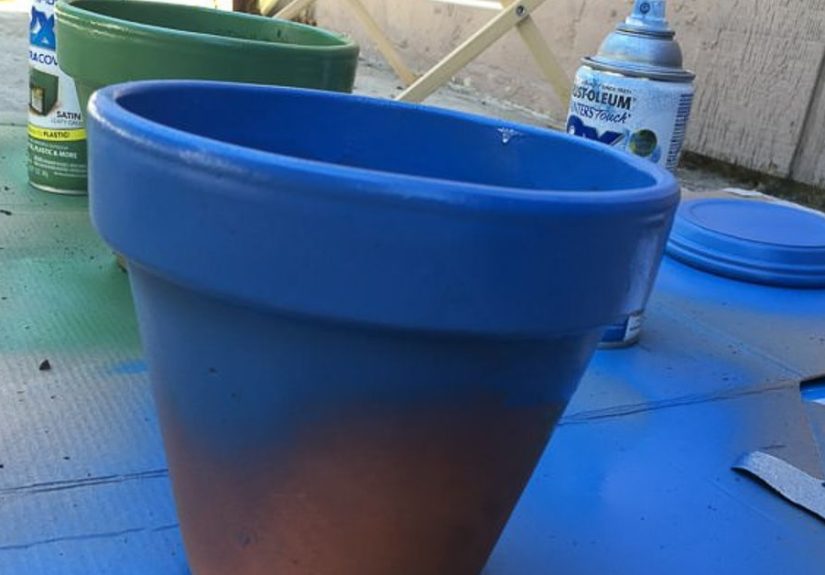
- Color block: Paint the lower half of the pot and leave the upper half natural clay.
- Diagonal dip effect: Use painter’s tape to create an angled color section.
- Polka dots: Use the end of a brush handle or a round sponge for easy dots.
- Herb label pot: Paint a small chalkboard-style rectangle and label basil, mint, parsley, or thyme.
- Sunset bands: Layer warm summer shades like coral, peach, ocher, and cream.
Painter’s tape helps create straight lines, but press it down well, especially along the pot’s curved surface. Rubber bands can also make quick stripes. For a softer handmade look, skip the tape and embrace brushy edges.
Step 4: Prime If You Want a Strong, Solid Color
Primer is optional, but it helps if you want an opaque finish or are using pale colors over dark clay. It also gives paint a better surface to grip. Choose a primer suitable for porous surfaces or outdoor projects. Apply a thin coat, let it dry according to the product directions, and avoid clogging the drainage hole.
If you prefer the natural clay to peek through, skip primer and apply paint directly in thin layers. This works especially well for washed, weathered, or vintage-inspired finishes.
Step 5: Paint in Thin Coats
Thin coats are the secret to a smooth terracotta pot makeover. Thick paint can drip, crack, or dry unevenly. Apply the first coat, let it dry, then add another if needed. Two thin coats usually look better than one heavy coat.
For a dipped look, paint the bottom third or half of the pot. For a stripe, rotate the pot slowly as you paint. For a speckled look, flick paint lightly with a stiff brush, but do this outside unless you want your kitchen counter to look like it developed freckles.
Color Ideas That Feel Fresh for Summer
Summer color should make your outdoor space feel bright but not chaotic. Try these combinations:
- White and terracotta: crisp, sunny, and classic.
- Sage and cream: calm, garden-friendly, and modern.
- Cobalt and clay: bold Mediterranean energy.
- Coral and peach: cheerful without shouting.
- Black and natural clay: dramatic, graphic, and stylish.
- Yellow and white: happy porch vibes, basically sunshine with a drainage hole.
Step 6: Seal the Pot for Outdoor Durability
Sealing helps protect the painted surface from moisture, sun, and general outdoor drama. Terracotta absorbs water, and moisture moving through the clay can cause exterior paint to bubble or peel over time. A clear outdoor sealer adds durability, especially for pots exposed to rain or frequent watering.
Apply sealer in light coats and let each coat dry fully. Matte sealer keeps the look soft and natural. Gloss sealer makes colors pop but can look less earthy. If you want a natural aged finish, use sealer sparingly or choose a low-sheen product.
Remember that sealing changes how the pot breathes. Fully sealing the inside may reduce the clay’s natural moisture-wicking ability. That can be useful for moisture-loving annuals, but less ideal for succulents or Mediterranean herbs that enjoy quick-draining conditions. Match the finish to the plant.
Step 7: Choose the Right Plants for a Summer Terracotta Pot
The prettiest pot still needs the right plant. Terracotta dries faster than nonporous containers, especially in hot sun. That makes it great for plants that prefer good drainage and dislike soggy roots.
Great Plant Choices for Terracotta
- Rosemary
- Thyme
- Lavender
- Oregano
- Sage
- Succulents
- Geraniums
- Marigolds
- Portulaca
- Small ornamental peppers
For a classic summer kitchen-garden look, plant basil in a painted terracotta pot near the door. Just remember basil is thirstier than rosemary or thyme, so check the soil often. For sunny patios, geraniums and marigolds are cheerful, tough, and photogenic enough to make your porch look like it has a lifestyle blog.
Plants That May Need Extra Care
Moisture-loving plants such as ferns, peace lilies, and some tropical foliage plants can struggle in unsealed terracotta outdoors because the soil dries quickly. You can still use terracotta for them, but choose a larger pot, water more often, place it in partial shade, or use a sealed interior if appropriate.
Step 8: Plant It the Right Way
Use fresh, high-quality potting mix rather than garden soil. Garden soil can compact in containers and block drainage. Cover the drainage hole with a small piece of mesh, a coffee filter, or a curved pottery shard to keep soil from escaping while still allowing water to flow.
Add potting mix, position the plant, fill around the roots, and water thoroughly. Do not pack the soil like you are preparing it for a wrestling match. Firm it gently so roots have support but air and water can still move.
After planting, place the pot where the plant’s light needs match the location. A lavender pot belongs in strong sun. A mint pot can handle some shade. A succulent wants bright light and careful watering. The plant gets a vote too.
Creative Ways to Update a Terracotta Pot Without Full Paint
Paint is not the only option. If you love the raw clay look, you can update a terracotta pot in subtler ways.
Add a Limewash or Whitewash Effect
Mix a small amount of white acrylic paint with water and brush it lightly over the pot. Wipe away the excess with a rag before it dries. The result is soft, aged, and perfect for cottage or Mediterranean styling.
Use Twine, Raffia, or Jute
Wrap natural twine around the rim or lower section of the pot and secure it with outdoor-safe adhesive. This adds texture and works beautifully with herbs or trailing plants.
Create a Faux Aged Finish
For an old-world look, dab on watered-down white, gray, or mossy green paint and blot it unevenly. Keep the effect random. Real aging does not arrive in perfect stripes, and neither should fake aging.
Add Simple Plant Markers
Instead of painting the pot itself, tuck in a painted wooden marker or stamped metal label. This is practical for herbs and keeps the pot flexible if you change plants later.
Common Mistakes to Avoid
A terracotta pot makeover is easy, but a few mistakes can shorten its life.
- Painting a damp pot: trapped moisture can ruin the finish.
- Skipping cleaning: dirt and salts prevent paint from bonding well.
- Using indoor-only paint outside: sun and rain can quickly wear it down.
- Forgetting drainage: even the cutest pot needs a working drainage hole.
- Overwatering after sealing: sealed pots may dry differently than raw terracotta.
- Choosing the wrong plant: match the pot’s drying behavior to the plant’s needs.
How to Style Updated Terracotta Pots for Summer
Once your pot is painted, sealed, and planted, give it a proper place to shine. Grouping pots is one of the easiest ways to make a patio or porch feel designed. Use odd numbers, vary heights, and repeat at least one color so the arrangement looks intentional.
For a front porch, place two matching painted terracotta pots on either side of the door. For a balcony, line smaller pots along a railing shelf with herbs and trailing flowers. For an outdoor dining table, use a mini terracotta pot with thyme, basil, or a small succulent as a centerpiece. It looks charming, smells fresh, and politely suggests you are the kind of person who has their life togethereven if your laundry chair says otherwise.
Maintenance Tips for Painted Terracotta Pots
Summer can be rough on outdoor containers. Heat, UV rays, watering, and sudden storms all test your finish. To keep your updated pot looking fresh, wipe it occasionally with a damp cloth, avoid harsh scrubbing, and lift it slightly off surfaces so water can drain away. Pot feet, small stones, or a plant stand can help airflow under the pot.
Check soil moisture regularly. Because terracotta is porous, many plants need more frequent watering in hot weather. The finger test works well: push your finger about an inch into the soil. If it feels dry at that depth, it may be time to water, depending on the plant.
At the end of the season, clean the pot before storing it. In cold climates, do not leave waterlogged terracotta outdoors through freezing weather. Moisture inside the clay can expand when frozen and crack the pot. Store empty pots in a dry protected spot when possible.
Budget-Friendly Terracotta Pot Makeover Ideas
You do not need expensive supplies to create a high-end look. Use leftover exterior paint from another project. Mix custom colors from craft paints. Shop thrift stores, yard sales, and garden center clearance racks for pots with good bones. A scratched pot can become the best candidate for an aged finish.
For a coordinated summer set, paint several pots with the same base color but different simple patterns. One can have stripes, one dots, one a painted rim, and one a label panel. The result feels collected rather than overly matched.
If you are updating pots for a party, paint mini terracotta pots and use them as table settings. Add a small herb, write each guest’s name on a tag, and let them take the pot home. It is charming, affordable, and far more useful than another paper favor destined for the junk drawer.
Experience Notes: What Actually Works When Updating a Terracotta Pot for Summer
The first thing experience teaches you about terracotta pot makeovers is patience. The project looks like it should take 20 minutes, and the painting part might. But the cleaning and drying time matters more than people expect. A pot that feels dry on the outside can still hold moisture inside the clay. When paint goes on too early, it may look fine at first, then start bubbling after the first few waterings. Letting the pot dry for a full day or two is not wasted time; it is insurance.
Another lesson: simple designs usually age better. A pot painted entirely in a trendy color can be fun, but a natural terracotta pot with a painted rim or lower band often looks good for years. The clay gives warmth, while the paint adds personality. If you are nervous about color, start with white, cream, sage, navy, or black. These shades work with most outdoor furniture and plants. Neon pink may be delightful, but it also has a way of demanding attention like a flamingo with a microphone.
For outdoor use, sealing makes a noticeable difference. Pots that sit under a covered porch may survive with minimal protection, but pots exposed to rain and full sun benefit from a clear outdoor sealer. Matte finishes tend to look more natural on terracotta than shiny ones. Gloss can be beautiful for bold patterns, but it may also make a handmade pot look more like plastic. Testing sealer on the back or bottom of the pot helps you avoid surprises.
Plant choice also changes the success of the project. Herbs such as rosemary, thyme, oregano, and sage look especially good in terracotta and usually appreciate the fast-draining environment. Basil can thrive too, but it needs more consistent moisture. Succulents are excellent for smaller painted pots, especially if the pot has drainage and the soil is gritty. Ferns and tropical plants can work in shady areas, but they may need more watering than expected.
One practical trick is to update pots in batches. Cleaning one pot takes almost the same setup as cleaning five. Lay them out, wash them together, let them dry together, and paint them assembly-line style. This makes it easier to create a coordinated summer container garden without spending an entire weekend hunched over one lonely pot.
Finally, do not chase perfection. Terracotta is earthy by nature. It looks best when it has a little irregularity, texture, and sun-baked charm. A slightly uneven brushstroke can look more expensive than a flawless factory finish because it feels personal. The goal is not to make the pot look brand new. The goal is to make it look loved, useful, summery, and ready to hold something green.
Conclusion
Updating a terracotta pot for summer is one of those rare DIY projects that is inexpensive, beginner-friendly, and genuinely useful. With proper cleaning, a thoughtful design, the right paint, a protective sealer, and a plant that suits the pot’s porous nature, you can turn a plain clay container into a fresh seasonal accent. Whether your style is coastal, cottage, Mediterranean, modern, or joyfully made-up as you go, terracotta gives you the perfect starting point.
Best of all, this project makes outdoor spaces feel cared for without requiring a full patio makeover. One updated pot can brighten a table. Three can refresh a porch. A whole cluster can make a balcony feel like a tiny summer garden retreat. And if anyone asks where you bought them, you get to say, “Oh, I made those,” which is half the fun and at least 80 percent of the bragging rights.






 Close
Close