
Table of Contents >> Show >> Hide
- First, a quick reality check: urine color is a clue, not a diagnosis
- Why kidney problems can change urine color (and appearance)
- Kidney failure vs. kidney disease: why “how much you pee” matters as much as color
- Urine colors and appearances to watch for in kidney failure
- The biggest “urine change” in kidney failure might be: barely any urine
- How to track urine changes like a normal person (not a full-time pee detective)
- When to call a clinician vs. when to seek urgent care
- What tests actually confirm what’s going on
- Practical kidney-friendly moves (especially if you’re at risk)
- Real-life experiences: what people notice (and what they wish they knew)
- Conclusion: treat urine color like a smoke alarm, not a crystal ball
If your body had a “check engine” light, your urine would be one of the dashboard gauges. It’s not always dramatic (sometimes it’s just… you ate beets), but
when kidney function drops, urine can change in ways worth paying attention toespecially if the changes stick around or show up with other symptoms.
This guide breaks down what different urine colors and “looks” can mean in kidney failure, what’s harmless vs. what’s urgent, and how to talk to your clinician
without sounding like you brought a paint swatch to your appointment (even though, honestly, that might be helpful).
First, a quick reality check: urine color is a clue, not a diagnosis
Urine color can hint at hydration, medications, foods, infection, bleeding, and kidney filtering problems. But you cannot diagnose kidney failure by urine color
alone. Many people with chronic kidney disease (CKD) feel fine for a long time, and the only way to confirm kidney disease is with blood and urine testing.
Why kidney problems can change urine color (and appearance)
Your kidneys filter wastes and extra water from your blood, then your body sends that mixture out as urine. When kidney function is reduced, a few things can happen:
- Concentration changes: You may produce less urine, or it may be more concentrated, making it darker.
- Blood leaks into urine: Irritation, inflammation, stones, tumors, or kidney-filter damage can cause blood in the urine (visible or microscopic).
- Protein leaks into urine: Damaged filters can let protein pass into urine (proteinuria), which can make urine look foamy or frothy.
- Infection/inflammation: White blood cells, bacteria, or crystals can make urine look cloudy.
- Medication and supplement effects: Certain drugs and vitamins can turn urine vivid shades (often harmless, but confusing).
Kidney failure vs. kidney disease: why “how much you pee” matters as much as color
“Kidney failure” often refers to very advanced loss of kidney function (sometimes called end-stage kidney disease/ESRD). At that point, kidneys may make
little or no urine. That’s important because a major change can be volume (peeing much less) even before color looks unusual.
Some people in advanced CKD still urinate, but the amount and concentration can change over time.
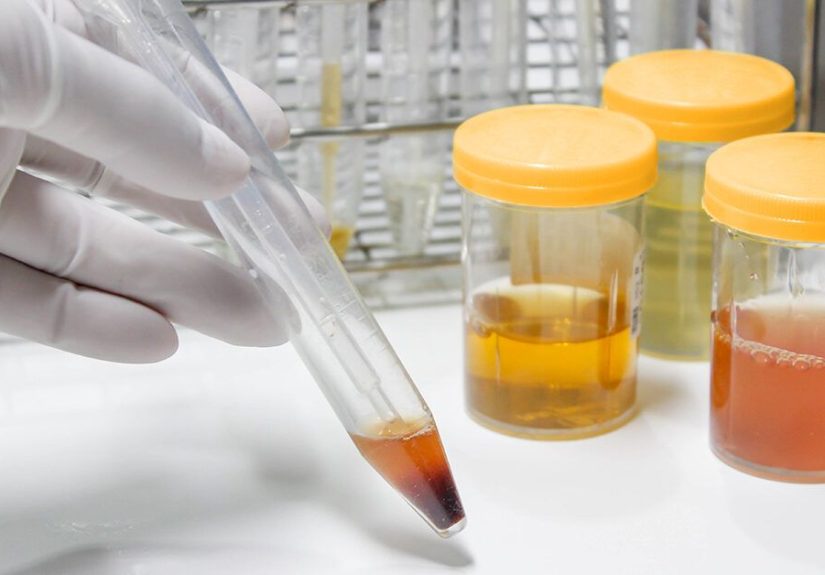
Urine colors and appearances to watch for in kidney failure
Here’s the practical “what you might see” listplus what it can mean and what to do next.
1) Clear or very pale yellow
Often means: You’re well-hydrated, or you’ve had a lot of fluid. Diuretics (“water pills”) can also increase urine volume and lighten color.
Kidney-failure angle: Pale urine doesn’t rule out kidney disease. In some situations, kidneys may have trouble concentrating urine, which can
lead to lighter urine even when the body isn’t “over-hydrated.”
Watch for: If pale urine comes with swelling, shortness of breath, or suddenly changing urine volume, talk to your clinician.
2) Dark yellow or amber
Often means: Concentrated urinecommonly dehydration, sweating, fever, vomiting, diarrhea, or just not drinking enough.
Kidney-failure angle: In advanced kidney disease, urine output can drop, and the urine you do make may look darker. But dark urine can also be
unrelated to kidneys (like not enough fluids). Context is everything.
Quick example: If you’re traveling, living on coffee, and your urine turns dark yellowdrink water, then re-check later. If it stays dark,
or you feel ill, don’t shrug it off.
3) Brown, tea-colored, or cola-colored
Often means: This can be caused by blood in the urine (sometimes it looks cola-colored), certain liver/bile issues, severe dehydration,
or muscle breakdown (myoglobin) after extreme exercise or injury.
Kidney-failure angle: Tea/cola urine is a “don’t ignore this” color because it can signal bleeding or serious systemic issues that may also
stress the kidneys.
Act fast if: You also have muscle pain/weakness, fever, flank pain, dizziness, confusion, or very low urine output.
4) Pink or red
Often means: Blood in urine (hematuria) is a top concern. Sometimes it’s from something straightforwardlike a UTI or kidney stonebut it can
also be from kidney disease or, especially in older adults, urinary tract tumors. Occasionally, foods (like beets) can temporarily mimic this.
Kidney-failure angle: Blood can appear when kidney filters are inflamed (for example, some forms of glomerulonephritis), and it may be an early
warning sign of kidney problems.
What to do: If you see red/pink urine and it’s not clearly explained by food or a known medication, contact a clinician promptly. If you have
clots, severe pain, fever, or trouble urinating, seek urgent care.
5) Cloudy, milky, or “hazy” urine
Often means: Infection (UTI), inflammation, crystals, mucus, or occasionally fat in urine. Cloudy urine plus burning, urgency, fever, or pelvic
pain often points to infection.
Kidney-failure angle: UTIs can occur alongside kidney disease, and severe infections can worsen kidney functionespecially if they move upward
toward the kidneys.
What to do: If cloudy urine comes with symptoms (burning, fever, chills, back/flank pain), get evaluated quickly.
6) Foamy or frothy urine (appearance matters more than “color” here)
Often means: Sometimes foam happens from a fast urine stream or toilet-cleaner residue. But persistent foam (especially thick
foam that doesn’t fade) can be a sign of protein in urine (proteinuria).
Kidney-failure angle: Proteinuria is a big kidney-health clue. When kidney filters are damaged, protein can leak into urine. Protein in urine is
also tied to CKD progression risk, which is why clinicians take it seriously.
Quick self-check: If it happens once after holding your bladder forever (we’ve all been there), it’s probably not dramatic. If it’s frequent or
getting foamier over time, ask your clinician about a urine test.
7) Orange, green, or blue
Often means: Medications, supplements, dyes, or less commonly, infection or metabolic conditions. For example, some vitamins can make urine
bright yellow; certain medications can cause orange urine. Green/blue shades can appear with specific drugs or dyes.
Kidney-failure angle: People with kidney disease are often on multiple medications, so color shifts from meds are common. The key question is:
Is it expected and temporary? If you’re unsure, ask.
The biggest “urine change” in kidney failure might be: barely any urine
In advanced kidney failure, kidneys may make little or no urine. If you notice a major drop in urine outputespecially with swelling, shortness
of breath, chest discomfort, confusion, or severe fatigueget medical help quickly. Even without dramatic color changes, low output can signal a serious problem.
How to track urine changes like a normal person (not a full-time pee detective)
- Use timing: First-morning urine is usually darker than midday urine. Compare “same time, different days.”
- Note recent changes: New supplements? Antibiotics? A big workout? A stomach bug? These can explain short-term shifts.
- Look for patterns: Persistent foam, repeat pink/red episodes, or tea/cola color deserves evaluation.
- Check for teammates: Color changes plus swelling, fatigue, nausea, itching, shortness of breath, or changes in frequency matter more.
When to call a clinician vs. when to seek urgent care
Call a clinician soon (same day to a few days) if you notice:
- Foamy urine that’s frequent or worsening
- Cloudy urine with mild urinary symptoms
- New dark urine that doesn’t improve with fluids (and isn’t clearly from meds/foods)
- Urine color changes lasting more than 24–48 hours without a clear reason
Seek urgent care / emergency evaluation if you have:
- Visible blood in urine (especially with clots)
- Tea/cola urine with muscle pain/weakness, fever, or feeling very ill
- Severe flank/back pain (possible stone or kidney infection)
- Fever/chills with urinary symptoms (possible kidney infection)
- Very low urine output or inability to urinate
- Shortness of breath, confusion, severe swelling, or chest symptoms
What tests actually confirm what’s going on
If urine changes raise concern, clinicians typically rely on a few high-value basics:
- Urinalysis (dipstick + microscopy): Looks for blood, protein, infection signs, and more.
- Protein testing: Often reported as albumin-to-creatinine ratio (ACR) or protein-to-creatinine ratio.
- Blood tests: Creatinine and estimated GFR (eGFR) help assess kidney function.
- Imaging: Ultrasound or CT may be used if stones, obstruction, or structural issues are suspected.
- Referral: Nephrology (kidney specialist) or urology depending on whether the concern is kidney-filter disease vs. urinary-tract bleeding.
Practical kidney-friendly moves (especially if you’re at risk)
Urine color can’t replace prevention. If you have diabetes, high blood pressure, a family history of kidney disease, or prior abnormal urine tests, these steps
tend to pay off:
- Know your numbers: Ask about eGFR and urine protein (ACR), not just “Is everything fine?”
- Manage blood pressure and blood sugar: These are leading drivers of CKD progression.
- Be careful with NSAIDs: Frequent or high-dose use can stress kidneys, especially in dehydration or pre-existing CKD.
- Follow fluid and salt guidance: In advanced CKD/heart issues, “just drink more water” isn’t always appropriatefollow your clinician’s plan.
- Don’t ignore infections: Treat UTIs promptly and report fever/flank pain quickly.
Real-life experiences: what people notice (and what they wish they knew)
The internet is full of dramatic “my pee turned purple and I saw the face of Elvis” stories. Real kidney-related urine changes are usually less theatrical and
more annoying: subtle shifts, repeated patterns, and that nagging feeling that something’s off. Below are common experiences people report
(composites, not individual medical stories), plus what tends to help.
The foam that wouldn’t quit
A lot of people describe noticing foam in the toilet and brushing it offuntil it keeps happening. The pattern is often: “It looked bubbly… then it started
looking like dish soap.” Some folks assume dehydration or protein shakes are the whole story. Sometimes it is. But when foam is persistent, clinicians often
check for proteinuria with a urine test. What people commonly wish they knew sooner: one weird pee isn’t the pointrepetition is. The helpful
move isn’t panic-googling at 2 a.m.; it’s tracking when it happens (morning vs. all day), whether it’s worsening, and mentioning it directly at a visit.
The “cola-colored” scare
Tea- or cola-colored urine understandably freaks people out. Some report it after a viral illness, severe dehydration, or intense exercise. A big lesson from
these scenarios: if urine turns very dark and you feel unwellfeverish, weak, dizzy, or achydon’t try to “power through” with sports drinks and
optimism. Clinicians worry about blood in urine, severe infection, or muscle breakdown (which can harm kidneys). People who get evaluated quickly often say the
most reassuring part was having a real explanation rather than guessing. And if it turns out to be blood, they’re usually glad they didn’t wait, because
hematuria can require follow-up even when pain is absent.
Dialysis days and the “how am I still peeing?” question
People with kidney failure who start dialysis frequently report surprise at how variable urine output can be. Some still make urine; others make very little.
Many describe urine becoming darker or more concentrated as output drops. The day-to-day focus shifts from color alone to a bigger picture: fluid gains between
treatments, swelling, breathing comfort, blood pressure, and energy. A recurring theme is that urine changes feel like a confusing side questuntil someone
explains that dialysis replaces part of kidney filtration, but residual kidney function (how much your kidneys still do) can vary widely. The
best “experience-based” advice here is also the least glamorous: follow your fluid plan, watch for sudden output changes, and report anything newespecially
blood, fever, or painbecause infections and bleeding still happen in dialysis patients.
The caregiver pattern-spotter effect
Caregivers often notice patterns before the patient doesespecially when symptoms creep in slowly. They might spot new swelling in ankles, a rising need to pee
at night, or persistent fatigue, and then connect it with urine changes like foam or darker color. What helps is turning “vibes” into specifics: a short note on
how often urine looks foamy, whether the person is peeing less, and any accompanying symptoms. Clinicians can work with details. “Something’s weird” is valid,
but “foamy urine most mornings for two weeks plus ankle swelling” is actionable.
What people say helped them most
- Asking for the right tests: “Can we check urine protein and eGFR?” is often more productive than “Is my urine color bad?”
- Being honest about meds and supplements: Yes, even the “totally natural” ones.
- Not normalizing scary signs: Blood, clots, fever, severe pain, or barely any urine aren’t “wait and see” situations.
- Using humor without minimizing: Joking about your “mystery pee palette” is fineskipping evaluation when it’s needed is not.
Conclusion: treat urine color like a smoke alarm, not a crystal ball
Urine color and appearance changes can be early, visible hints that something in the urinary systemor the kidneys themselvesneeds attention. In kidney failure,
watch not only for odd colors (pink/red, tea/cola, unusually dark) but also for the big functional shift: peeing much less or not at all.
If changes are persistent, unexplained, or paired with symptoms like swelling, fever, pain, or shortness of breath, get evaluated. Your kidneys are quiet
coworkerswhen they start sending colorful emails, it’s worth reading the message.







 Close
Close