
Table of Contents >> Show >> Hide
- What This Dish Tastes Like (and Why It Works)
- Ingredients
- How to Make Veal With Lemon and Mushrooms
- Chef Notes: How to Make It Taste “Restaurant-Level”
- What to Serve With Veal With Lemon and Mushrooms
- Smart Swaps and Variations
- Food Safety and Doneness (Quick, Non-Scary Version)
- Common Mistakes (and How to Avoid Them)
- Make-Ahead, Storage, and Reheating
- Conclusion: Bright, Savory, and Shockingly Easy
- Extra: of Real-Life “Experience” With Veal With Lemon and Mushrooms
This is the kind of dinner that makes people think you own a tiny restaurant and a bigger ego. Thin veal cutlets cook fast, mushrooms bring the savory vibes, and lemon shows up like the friend who tells you when you have spinach in your teethbright, sharp, and extremely helpful.
“Veal with lemon and mushrooms” lives in the same neighborhood as veal scallopini and piccata: quick sautéed cutlets + a pan sauce that tastes like it took all afternoon. The trick is simple: brown the mushrooms properly, don’t overcook the veal, and build a sauce that balances butter with lemon instead of letting either one bully the other.
What This Dish Tastes Like (and Why It Works)
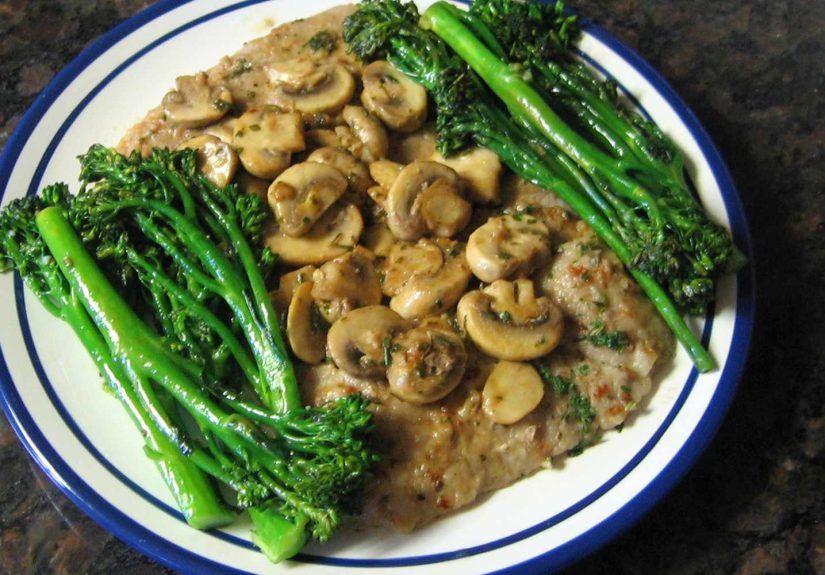
Expect tender veal with a light crust, earthy mushrooms, and a silky lemon-butter sauce that clings to everything in the best way. The flour dusting helps the cutlets brown quickly and gives the sauce just enough body to feel “restaurant-y” without turning it into gravy.
The flavor equation
- Umami: browned mushrooms + pan fond (those tasty browned bits)
- Brightness: lemon juice + a little zest
- Richness: butter (finished at the end for shine)
- Depth: a splash of dry white wine (or broth, if you’re avoiding wine)
Ingredients
This recipe serves 4 and lands on the table in about 30 minutes if you move with purpose (or 40 minutes if you stop to admire how fancy “shallot” sounds).
For the veal
- 1 1/4 to 1 1/2 pounds veal cutlets (scallopini), about 1/4-inch thick
- 1/2 cup all-purpose flour (or gluten-free flour blend)
- 1 teaspoon kosher salt, plus more to taste
- 1/2 teaspoon black pepper
- 2 tablespoons olive oil
- 2 tablespoons unsalted butter (for sautéing)
For the lemon-mushroom sauce
- 10 to 12 ounces mushrooms (cremini, button, or a mix), sliced or quartered
- 1 small shallot, finely minced (or 2 tablespoons minced onion)
- 2 cloves garlic, minced
- 1/2 cup dry white wine (Pinot Grigio/Sauvignon Blanc) or extra broth
- 1/2 cup low-sodium chicken broth (or veal stock if you have it)
- 1 to 2 teaspoons lemon zest (optional, but highly recommended)
- 3 tablespoons fresh lemon juice (about 1 large lemon), plus more to taste
- 2 tablespoons cold unsalted butter (for finishing the sauce)
- 2 tablespoons chopped fresh parsley
- Optional: 1 to 2 tablespoons capers (drained) for a piccata-style twist
- Optional: a small sprig of rosemary or a pinch of thyme
How to Make Veal With Lemon and Mushrooms
Step 1: Prep the cutlets
- Pat the veal dry with paper towels. If any pieces are thicker than 1/4-inch, place between two sheets of plastic wrap and gently pound to an even thickness.
- In a shallow dish, mix flour, salt, and pepper. Lightly dredge each cutlet, shaking off excess. (You want “light snowfall,” not “winter storm warning.”)
Step 2: Sauté the veal quickly
- Heat 1 tablespoon olive oil + 1 tablespoon butter in a large skillet over medium-high heat. When the butter foams and the pan looks shimmery, add veal in a single layer (work in batches).
- Cook 1 1/2 to 2 minutes per side, just until golden. Transfer to a plate. Repeat with remaining veal, adding the last tablespoon of oil and butter as needed.
Step 3: Brown the mushrooms (the flavor jackpot)
- Add mushrooms to the same pan. Sprinkle with a pinch of salt. Let them sit for a minute before stirringthis helps browning.
- Cook 6 to 8 minutes total, stirring occasionally, until mushrooms are deeply browned and the moisture has cooked off.
- Add shallot and cook 1 minute. Add garlic and cook 30 seconds, just until fragrant.
Step 4: Build the sauce
- Pour in the wine and scrape up browned bits from the pan. Simmer 2 to 3 minutes to reduce slightly.
- Add broth and simmer 2 minutes. Stir in lemon zest (if using). Remove the pan from heat and stir in lemon juice.
- Add the cold butter and swirl until melted and glossy. Taste and adjust: more lemon for brightness, a pinch of salt for balance, or capers for briny pop.
Step 5: Finish and serve
- Return veal (and any juices on the plate) to the pan. Warm gently for 30 to 60 secondsdon’t simmer hard or you’ll lose tenderness.
- Sprinkle with parsley. Serve immediately with your favorite side that welcomes sauce like it’s been waiting all day.
Chef Notes: How to Make It Taste “Restaurant-Level”
1) Don’t overcook the veal
Veal cutlets are thin and leanmeaning they go from tender to “why is my jaw doing cardio?” fast. Sear quickly, then let the sauce gently rewarm the meat at the end.
2) Use oil + butter (not just butter)
Oil raises the smoke point so you can brown without burning. Butter gives flavor. Together they behave like a functional team project, which is rare and beautiful.
3) Brown mushrooms like you mean it
Mushrooms contain lots of water, so they’ll steam first and brown later. Give them space, avoid constant stirring, and cook until they’re truly golden. That’s where the “meaty” mushroom flavor lives.
4) Add lemon juice at the right time
Lemon juice tastes brightest when it isn’t boiled to death. Stir it in after reducing the liquids, ideally off the heat, then finish with cold butter for a smooth, shiny sauce.
What to Serve With Veal With Lemon and Mushrooms
Your mission is to pick something that catches sauce. Here are reliable winners:
Starches
- Angel hair pasta or linguine
- Mashed potatoes or roasted baby potatoes
- Creamy polenta
- Buttered egg noodles
Vegetables
- Garlic green beans
- Roasted asparagus
- Sautéed spinach (great with lemon)
- Arugula salad with a simple vinaigrette
Wine pairing
Dry white wines work bestPinot Grigio and Sauvignon Blanc are classic picks. If you prefer red, keep it light: Pinot Noir, slightly chilled.
Smart Swaps and Variations
Don’t want veal?
Use thin chicken cutlets, turkey cutlets, or pork scaloppine the same way. Cooking times may vary by thickness, so rely on visual cues and a thermometer when possible.
Make it piccata-style
Add capers and a few thin lemon slices, and keep the sauce extra bright. It’s zingy, briny, and basically impossible not to like.
Make it creamy
Stir in 2 to 4 tablespoons heavy cream after reducing the wine/broth, then add lemon juice at the end so the sauce stays lively instead of flat.
Mushroom upgrade
Swap in shiitake or oyster mushrooms for deeper flavor. If you use dried porcini, soak them, chop them, and add a splash of the strained soaking liquid to the sauce for serious depth.
Gluten-free
Use a gluten-free flour blend or rice flour for dredging. You’ll still get browning and a slightly thicker sauce.
Food Safety and Doneness (Quick, Non-Scary Version)
For whole cuts like veal steaks, chops, and roasts, a commonly recommended safe minimum internal temperature is 145°F with a 3-minute rest. For ground veal, the commonly recommended safe minimum is 160°F.
For thin cutlets, many cooks rely on timing and visual doneness (they cook fast), but if you like certainty, a quick thermometer check takes two seconds and saves your dinner.
Common Mistakes (and How to Avoid Them)
- Overcrowding the pan: leads to steaming, not browning. Cook veal in batches.
- Stirring mushrooms constantly: slows browning. Let them sit and sear.
- Boiling the sauce after adding butter: can break the emulsion. Keep heat gentle.
- Adding lemon too early: can dull the brightness. Add near the end.
- Skipping the taste test: lemon varies a lot. Always adjust at the finish.
Make-Ahead, Storage, and Reheating
This dish is best fresh, when the veal is tender and the sauce is glossy. But leftovers can still be great if you treat them gently.
- Store: Refrigerate in an airtight container for up to 3 days.
- Reheat: Warm slowly in a skillet over low heat with a splash of broth or water. Avoid microwaving on high (it can toughen the meat).
- Freeze: Not idealthe sauce can separate and the texture changesbut you can freeze in a pinch for up to 2 months.
Conclusion: Bright, Savory, and Shockingly Easy
Veal with lemon and mushrooms is proof that “fancy” is often just “fast, but with a pan sauce.” Once you nail the mushroom browning and keep the veal from overcooking, you’ve got a weeknight recipe that also works for companybecause lemon makes everything feel intentional.
Keep it classic, go piccata-style with capers, or lean creamy when you want comfort. Either way, don’t forget the side that catches sauce. That’s not optionalthat’s the whole point.
Extra: of Real-Life “Experience” With Veal With Lemon and Mushrooms
This is one of those meals that teaches you how much of cooking is really heat management and confidence. The first time you make it, you might treat the pan like it’s a fragile museum exhibittiny heat, lots of stirring, gentle vibes. And then you wonder why the mushrooms look pale and the sauce tastes fine but not thrilling. The second time, you realize mushrooms are basically tiny water balloons pretending to be vegetables. They need heat and patience before they give you that deep brown color and rich flavor that makes the whole dish feel expensive.
Shopping for veal can be its own mini-adventure. Some stores label it “cutlets,” some call it “scallopini,” and some tuck it away like it’s a secret menu item. The best experience usually starts at the butcher counter: you ask for thin cutlets, and suddenly life is easier. If your cutlets are a little thick, pounding them out is oddly satisfyinglike taking a stressful day and turning it into dinner. The key is even thickness so everything cooks at the same speed. Uneven cutlets are how you end up with one piece that’s perfect and another that’s doing the texture of a flip-flop.
The sauce is where the “I totally meant to do that” magic happens. Deglazing with wine feels dramatic in a good way: you pour it in and instantly the pan smells like a restaurant. But the real lesson is restraint. Reduce the wine so it doesn’t taste raw, add broth for body, then step off the gas before adding lemon and butter. Butter isn’t just for richnessit also makes the sauce look glossy and smooth. Cold butter at the end is a tiny chef move that gives you a big payoff. If you crank the heat and boil it hard, the sauce can split and look oily, which is not the vibe you want when you’re trying to serve “silky lemon pan sauce” and not “sad butter soup.”
Lemon is also a personality. Some lemons are mellow, some are sharp, and occasionally you get one that tastes like it’s holding a grudge. That’s why tasting at the end matters. Add lemon juice in stages and stop when it tastes bright, not sour. And if you go a little too far, a pinch of salt or an extra knob of butter can bring it back into balance.
Finally, the most relatable “experience” part: what you serve it with. You can be a very organized person and still forget the side until the veal is already on the plate. This dish forgives you, because it’s great with whatever you can get on the table fastnoodles, potatoes, even a thick slice of bread that’s basically a sauce delivery system. And once you’ve made it a couple of times, it becomes a go-to: the meal you cook when you want comfort, brightness, and the ability to say, “Oh this? It’s just veal with lemon and mushrooms,” like that isn’t secretly an impressive flex.






 Close
Close