
Table of Contents >> Show >> Hide
- What the Dutchtub Original actually is (and why it’s not a “normal” hot tub)
- Key specifications that matter in real life
- What you get (and what you might add)
- What it feels like to own one (the unglamorous truth included)
- Where the Dutchtub Original shines (and where it doesn’t)
- Safety and setup essentials (because fire is not a decorative emoji)
- Maintenance, cleaning, and water habits that keep it enjoyable
- Price, value, and the “is this worth it?” conversation
- Buying tips: how to choose confidently
- Final thoughts: a design object that turns “outside” into a destination
- Real-world experiences and moments inspired by the Weltevree Dutchtub Original
There are hot tubs, and then there are stories you can sit in. The Weltevree Dutchtub Original is less “backyard appliance”
and more “tiny outdoor ritual machine” a wood-fired soaking tub that skips electricity, avoids complicated plumbing, and leans hard
into the simple joy of warm water + fresh air.
If that sounds like a lifestyle pitch, fair. But the Dutchtub has earned its reputation by being legitimately clever: it heats water through
natural circulation, using a stainless-steel coil with a fire basket, so warm water rises and moves through the tub without pumps. Translation:
you can set it up where you want (within reason), fill it with a hose, light a fire, and eventually find yourself staring at the sky like you’re
auditioning for a cottagecore movie montage.
What the Dutchtub Original actually is (and why it’s not a “normal” hot tub)
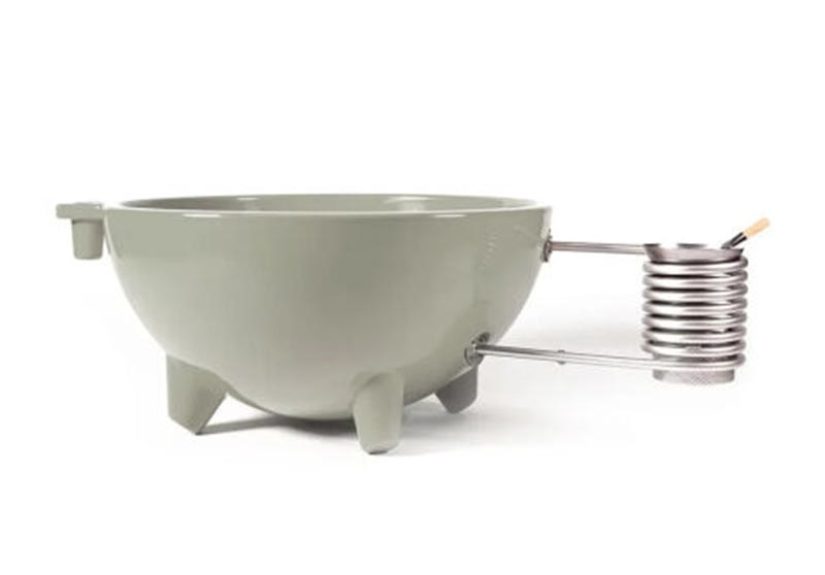
The Dutchtub Original is a wood-fired outdoor bath designed for soaking outside in a backyard, on a terrace, near a cabin, or anywhere you can
safely manage fire and water. It’s known for its iconic oval “bowl” shape and its external heating system: a steel coil with an integrated fire basket.
Instead of forcing water through a heater with a pump, the Dutchtub relies on physics (the dependable friend who never forgets your birthday).
How natural circulation heating works (no pump, no drama)
Here’s the gist: cooler water from the tub moves into the coil, the fire warms it, and the warmed water returns to the tub from the top. As warmer water
rises and cooler water sinks, circulation continues naturally. In practical terms, it means fewer moving parts, less maintenance, and fewer “Why is it
making that noise?” moments.
Expect heating to take a couple of hours depending on outdoor temperature, wind, your firewood, and how enthusiastically you’ve embraced your role as
“temporary fire wizard.” Many retailers and the maker note a typical target of around 100°F / 38°C in roughly 2–4 hours, depending on conditions.
Key specifications that matter in real life
Specs are only useful if they help you picture your actual Saturday. So let’s translate the important numbers into human terms.
Capacity and comfort
- Water capacity: commonly listed around 600–650 liters (roughly 160–170 gallons, depending on fill level).
- Seating: designed for up to four adults (it’s social, but not “invite your entire book club” social).
- Ergonomics: the tub’s shape is designed to support lounging rather than the classic “perch and pretend you’re comfortable.”
Materials and durability
The Dutchtub Original is typically described as a combination of a durable composite tub (often referenced as polyester/fiberglass composite) paired with
a stainless-steel heating coil. That combo matters: composites are lightweight for their strength and easy to wipe down, while stainless steel handles heat
and weather far better than “mystery metal from a discount bin.”
Size, weight, and the “can I move it?” question
The Dutchtub is frequently noted as weighing around 75 kg (about 165 lbs). That’s not “tuck it under your arm” light,
but it’s also not “call a crane” heavy. Many owners treat it as relocatable with planning: think two strong adults, a steady path, and an agreement
not to do heroics on a muddy slope.
Some accessory ecosystems include transport aids (like a hand trailer), which can make repositioning more realistic if you expect to move it seasonally.
What you get (and what you might add)
One of the Dutchtub’s signature moves is turning “waiting for the water to heat” into a vibe rather than a chore.
Many listings mention the tub comes with a few essentials to support that vibe.
Commonly included components
- Fire basket (the heart of the heating system)
- Cover (to help keep debris out and support heat retention depending on the cover type)
- Wok / lid piece (often positioned as a multi-use accessory for cooking over the heat source)
- Insulation mat (commonly recommended/paired to improve heat retention and protect the base)
Popular add-ons people actually use
Accessories can be fluff… or they can be the difference between “this is charming” and “why is the smoke doing interpretive dance in my face?”
The most practical add-ons tend to focus on efficiency, comfort, and seasonality:
- Chimney: helps guide smoke upward and can improve draft for more efficient burning (especially in colder or still air conditions).
- Wind shield: protects the fire from wind and can speed heating when weather is uncooperative.
- Winter cover: helps retain heat in colder months and reduces heat loss from the water surface.
- Ash pan/bowl: makes cleanup less like archaeology.
What it feels like to own one (the unglamorous truth included)
The Dutchtub Original isn’t a “press button, become human soup” kind of tub. It’s a manual, sensory, slow-luxury setup. That’s the point but it’s worth
understanding what the rhythm looks like.
The realistic soak timeline
- Fill the tub: connect a garden hose, fill to your preferred level (often around an hour depending on water pressure).
- Build a fire: start smaller than your ego thinks you need; you can always add wood.
- Wait + adjust: as the coil heats, warm water returns to the tub; occasional stirring helps even out temperature.
- Soak: the reward phase. Bring towels, water, and your best “I am one with nature” expression.
- Finish + cool down: let the fire burn out safely, cover the tub, and plan cleanup.
Cooking while soaking: gimmick or genius?
A wok accessory sounds like a design-studio flex until you imagine the scene: friends arrive, the fire is already going, and while the tub warms,
you sauté something simple outside. It’s less “cook a seven-course meal” and more “sear vegetables, warm tortillas, or do a dramatic stir-fry moment
for morale.”
The real win is psychological: you’re not “waiting,” you’re hosting an event. The Dutchtub doesn’t just heat water it gives your evening structure.
Where the Dutchtub Original shines (and where it doesn’t)
Best-fit scenarios
- Off-grid cabins and retreats: no electricity required for heating.
- Design-forward patios: it’s a functional object that also looks like modern outdoor art.
- Seasonal “reset” routines: weekend decompression, post-hike recovery, or winter stargazing soaks.
- Social gatherings: it becomes a focal point the way a fire pit does only wetter.
Not ideal for
- Instant gratification: if you want hot water now, wood-fired patience may not be your love language.
- Rules-heavy neighborhoods: smoke + open flame may clash with local restrictions or HOA policies.
- Set-and-forget sanitation expectations: this isn’t a chemically managed spa system unless you make it one.
- People who hate tending fires: if you dread firewood, you’ll resent the tub instead of enjoying it.
Safety and setup essentials (because fire is not a decorative emoji)
A wood-fired tub demands basic outdoor-fire common sense. Not glamorous, but extremely important.
Placement
- Place on a stable, level surface with appropriate protection beneath if recommended by the seller.
- Keep clear distance from structures, overhanging branches, fences, and anything that would be upset by heat or embers.
- Consider wind direction so smoke doesn’t drift into seating areas (or directly into the face of your most dramatic friend).
Fire management
- Use dry, suitable firewood; wet wood = extra smoke + slower heating.
- Never leave the fire unattended.
- Keep a bucket of water or fire extinguisher nearby as a basic precaution.
- Be mindful of the coil area: metal gets hot because it’s doing its job.
Temperature control
Because heat comes from a live fire, temperature control is hands-on: adjust the fire intensity, manage airflow, and use stirring to distribute heat.
Many guidance notes mention stirring occasionally to even the temperature throughout the tub. The goal is comfort, not lobster cosplay.
Maintenance, cleaning, and water habits that keep it enjoyable
One reason design lovers adore the Dutchtub is that it’s relatively low-tech. But low-tech doesn’t mean no-care.
Treat it well and you’ll get more “magical bath nights” with fewer “why is there a leaf civilization forming” moments.
Cleaning basics
- Rinse and wipe: regular wipe-downs help prevent buildup.
- Cover when not in use: reduces debris, bugs, and general outdoor chaos.
- Drain as needed: frequency depends on use, weather, and whether you add anything to the water.
Water reuse and sustainability considerations
Some owners keep water for multiple uses when they avoid soaps and detergents (and when temperatures and local conditions allow). Others prefer fresh fills
for each session. If you plan to reuse water, be realistic about hygiene and keep a close eye on local guidance and your own comfort level.
Price, value, and the “is this worth it?” conversation
The Dutchtub Original sits firmly in the premium design category. You’re paying for an iconic object, durable materials, and a unique heating approach
not for hidden jets, smartphone apps, or a Bluetooth speaker that will inevitably play the same playlist forever.
Value comes down to how you’ll use it:
- If you want a daily, instant spa routine, you may find it inconvenient.
- If you want a weekend ritual, a gathering centerpiece, or an off-grid luxury, it can feel like a once-in-a-long-time purchase that keeps paying you back in calm.
- If you care about outdoor design aesthetics, it doubles as functional sculpture.
Buying tips: how to choose confidently
Ask yourself these practical questions
- Do I have a safe place for an open flame? (Legally and physically.)
- Am I okay tending a fire for 2–4 hours? (Or can I make that part fun?)
- Where will water come from and drain to? (Especially if you’re using it away from standard plumbing.)
- How will I handle winter use? (Covers, wind protection, and realistic expectations matter.)
- Who will use it most? Solo reset soaks and small-group hangs are its sweet spot.
Accessories that are worth budgeting for early
If you live somewhere windy or cold, prioritize the chimney and/or wind shield and a winter cover. If you dislike messy cleanup, an ash pan is a small
add-on that saves disproportionate annoyance.
Final thoughts: a design object that turns “outside” into a destination
The Weltevree Dutchtub Original is for people who want their relaxation to feel earned not because suffering builds character, but because the process
(fire, warmth, air, time) is part of what makes the soak feel different than a standard indoor bath. It’s simple, iconic, and intentionally analog.
Done right, it becomes a ritual: gather wood, watch the water warm, cook something small, step into the tub, and let the world get quiet.
In a culture obsessed with speed, the Dutchtub’s greatest feature may be that it won’t rush you.
Real-world experiences and moments inspired by the Weltevree Dutchtub Original
Because the Dutchtub Original is such a “hands-on luxury,” the best way to understand it is through the kinds of moments it tends to create. Below are
experience-style scenarios gathered from common owner themes and the practical realities of wood-fired soaking the good, the funny, and the “note to
self: bring more towels next time.”
1) The “Friday decompression” routine
The week ends, your brain is still answering emails in its sleep, and you decide tonight is the night. You fill the tub while you tidy the patio.
The hose runs, and instead of scrolling, you do small, satisfying tasks: stack wood, set out a lantern, and place a water thermometer where you can find it.
When the tub is full, you build the fire slowly. The first ten minutes are quiet except for the crackle and it’s surprising how quickly your shoulders drop.
The best part is that the waiting doesn’t feel like waiting. You’re outside. You’re tending something simple. You stir the water occasionally, check the
temperature, and realize you’ve spent an entire hour not doom-scrolling. When the water finally hits that “yes, this is it” warmth, you step in and feel
your nervous system file a formal resignation letter.
2) The “friends came over and now this is a whole event” evening
The Dutchtub is sneaky: it turns casual hangouts into mini-celebrations. Friends arrive, see the tub, and immediately ask questions like,
“So… you just light a fire and it gets hot?” Someone becomes the unofficial fire assistant. Someone else volunteers to chop citrus for drinks.
The fire becomes the center of the gathering before anyone even gets in the water.
Then the wok comes out. Not as a high-pressure cooking performance more like warm snacks and simple food: sautéed peppers, sizzling dumplings, or a quick
stir-fry that tastes better because you made it outdoors. By the time the water is ready, everyone’s already relaxed. The tub isn’t just a soak; it’s a
social anchor. And yes, someone will say, “This is the best idea you’ve ever had,” even if your best idea was once “let’s order pizza.”
3) The “winter sky, warm water” contrast that feels borderline unfair
In cooler weather, the Dutchtub experience gets dramatic in the best way: cold air, warm water, and steam rising while the sky looks like a planetarium.
This is when covers and wind protection earn their keep. You’ll also learn quickly that setup matters: a dry robe within arm’s reach, footwear that won’t
turn into ice skates, and a plan for where wet towels will go.
The payoff is huge. That contrast crisp air on your face and warmth everywhere else makes you feel like you’ve hacked winter. You’ll also notice the
fire becomes more than a heat source; it’s atmosphere. The ritual feels ancient, even if you’re listening to a modern playlist.
4) The learning curve (aka: the first time you do it, you’ll improvise)
Most people’s first session includes at least one “oops” that becomes a funny tradition. Common classics: underestimating how much firewood you’ll want on hand,
forgetting the stirring step and ending up with temperature zones like a lazy river, or realizing you put the towels just far enough away to be annoying.
None of these are disasters they’re part of turning the Dutchtub into your system.
After a few uses, it becomes second nature: you’ll know how much wood your setup typically needs, how wind affects the burn, and the exact moment the water
becomes perfect. That’s the charm: it’s not plug-and-play, it’s learn-and-love.





 Close
Close