
Table of Contents >> Show >> Hide
- Prunes 101: The Simple Definition
- How Prunes Are Made (No Lab Coat Required)
- What Do Prunes Taste Like?
- Prune Nutrition: What’s Inside the Wrinkly Package?
- Why Prunes Help With Constipation (And Why It’s Not Only “Because Fiber”)
- Prunes and Gut Health Beyond Constipation
- Do Prunes Have Other Health Benefits?
- Prunes vs. Prune Juice: Which One Should You Choose?
- How Many Prunes Should You Eat a Day?
- Potential Downsides and Who Should Be Careful
- How to Eat Prunes Without Feeling Like You’re 87
- Buying and Storing Prunes Like a Pro
- Prune Experiences: What People Notice in Real Life (About )
- Conclusion
Prunes have a weird superpower: they’re both a humble snack you can toss in a lunchbox and the fruit your
friend mentions when they’re trying to “get their life together” after a few days of questionable hydration choices.
(We’ve all been there. Your water bottle has, too.)
But what exactly are prunes? Are they a different fruit than plums? Are they basically candy?
Are they only for grandparents who keep hard candies in their pockets like tiny edible life lessons?
Let’s clear it up, in plain English, with real nutrition facts and practical examplesplus a few laughs, because
food education shouldn’t feel like homework.
Prunes 101: The Simple Definition
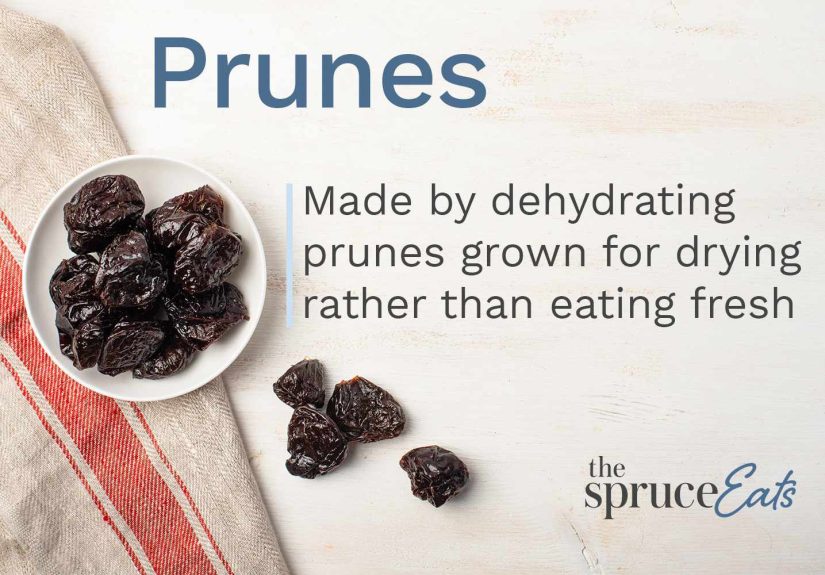
Prunes are dried plums. That’s it. No secret fruit species, no mysterious “prune tree” that only grows
in fairy tales. When certain varieties of plums are dried (dehydrated), they become what we commonly call prunes.
You’ll also see them labeled as dried plums in many U.S. grocery stores.
Are all plums prunes?
Not exactly. While any prune is a plum that’s been dried, not all plums dry well into prunes. The plum has
to have the right sugar and moisture balance so it dries without fermenting or turning into a sticky science project.
In the U.S., a classic prune variety is the European plum (Prunus domestica), including a well-known type often
linked to “French” or d’Agen plums.
How Prunes Are Made (No Lab Coat Required)
The prune-making process is basically a glow-down that’s actually a glow-up: ripe plums are harvested, cleaned,
sorted, and then dried in controlled conditions until most of the water leaves the fruit. Drying concentrates
flavors and sugars, changes the texture into that chewy bite, and helps the fruit last much longer than fresh plums.
Why California prunes are a big deal
If you’ve ever heard “California prunes,” it’s not just marketing sparkle. California is a major U.S. prune-growing
region, with orchards concentrated in certain valleys where climate conditions support large-scale production.
That’s one reason “California prunes” show up as a familiar label in American supermarkets.
What Do Prunes Taste Like?
Prunes are naturally sweet, with a deep, caramel-like fruit flavor (think: plum meets raisin meets “wait,
why did I underestimate this?”). They’re chewy, sometimes slightly sticky, and can be soft or firmer depending
on moisture level and how they’re stored.
If you grew up thinking prunes are “only for constipation,” you might be surprised: they’re also fantastic in
oatmeal, salads, baked goods, smoothies, and savory dishes where a little sweetness balances salty or tangy flavors.
Prune Nutrition: What’s Inside the Wrinkly Package?
Because prunes are dried, they’re more concentrated than fresh plums. That means you get more nutrients per bite
but also more natural sugar per bite. The headline nutrients people talk about most are:
fiber, potassium, and helpful plant compounds (like polyphenols).
A realistic serving size (so we stay friends with our stomachs)
A commonly referenced serving is about 4 prunes. In research summaries of dried plums, that amount is
described as around 92 calories, with about 2.4 grams of fiber and roughly 280 mg of potassium,
plus vitamin K. That’s not magicit’s just concentrated fruit doing concentrated fruit things.
Fiber: the reason prunes have a reputation
Prunes contain both soluble and insoluble fiber. Insoluble fiber helps add bulk, while soluble fiber can help form a
softer gel-like texture in the gutboth can support more comfortable, regular bowel movements when paired with
enough fluids.
To put that in context, many nutrition resources in the U.S. discuss fiber goals around the idea of
about 14 grams of fiber per 1,000 calories (which lands near 28 grams/day for someone eating 2,000 calories).
Most people don’t hit that regularlyso a fiber-forward snack can help close the gap.
Why Prunes Help With Constipation (And Why It’s Not Only “Because Fiber”)
Prunes earned their bathroom-halo reputation for more than one reason. Yes, fiber matters. But prunes also
contain sorbitol, a naturally occurring sugar alcohol that can draw water into the intestines, helping soften stool.
They also contain plant compounds that may influence gut function.
What research and major health sources say
-
Some clinical research has found dried plums can improve stool frequency and consistency in mild-to-moderate constipation,
sometimes performing better than psyllium in specific comparisons. -
Health organizations and medical outlets commonly mention prune juice or prunes as a traditional, food-based approach
that can help constipationoften alongside advice like hydration, activity, and gradually increasing fiber.
Practical takeaway: if you’re trying prunes for constipation, start small (like 2–4 prunes), drink water, and give your body
a little time. Going from “zero prunes” to “a full bag in one sitting” is the kind of decision your intestines will remember.
Prunes and Gut Health Beyond Constipation
Even if constipation isn’t your issue, prunes can still be a gut-friendly food. Their fiber can help support a healthy digestive
rhythm, and their plant compounds may help feed beneficial gut bacteria.
That said, prunes can be a bit intense for some peopleespecially those sensitive to FODMAPs (like sorbitol).
If prunes make you gassy or bloated, it doesn’t mean you “failed at fruit.” It means your gut is giving feedback.
Adjust the portion, try them with meals, or choose other fiber sources.
Do Prunes Have Other Health Benefits?
Prunes aren’t a miracle cure, but they show up in health conversations for a few good reasons:
nutrient density, fiber, potassium, and antioxidant compounds. Here’s how that can connect to common wellness goals.
1) Heart support (fiber + potassium = a helpful combo)
Fiber intake is widely associated with better heart markers in overall dietary patterns, and potassium is an important mineral
involved in healthy blood pressure regulation. Prunes aren’t the whole planbut they can be part of a pattern that includes
fruits, vegetables, legumes, whole grains, nuts, and seeds.
2) Bone health (promising, but don’t oversell it)
Dried plums (prunes) are frequently discussed in bone health research summaries, especially for older adults.
Reviews describe prunes as containing nutrients and compounds (including vitamin K, potassium, and polyphenols)
that may support bone metabolism. Some studies suggest benefits for bone mineral density or markers of bone turnover,
but the best approach is still “evidence-informed and realistic”: prunes can complementnot replacecore bone-health habits
like adequate calcium/vitamin D, strength activity, and medical guidance when needed.
3) Antioxidants and inflammation
Prunes contain polyphenols, including phenolic acids, that act as antioxidants in foods. Antioxidants are part of why plant-rich
diets are associated with better long-term health outcomes. Again, the main point is pattern: prunes are a solid tool in the toolbox,
not the toolbox itself.
Prunes vs. Prune Juice: Which One Should You Choose?
Both can work, but they’re not identical.
Whole prunes
- More chewing (which can help you feel satisfied)
- Fiber stays intact
- Easy snack, easy to portion
Prune juice
- Can be easier to take if you don’t like the texture of prunes
- Still contains helpful components, but typically less fiber than the whole fruit
- Portion can creep up fast (it’s easy to drink more calories than you meant to)
If your goal is general nutrition, many people prefer whole prunes. If your goal is constipation relief and you struggle with the fruit,
prune juice can be a practical optionjust keep portions reasonable.
How Many Prunes Should You Eat a Day?
There’s no one “perfect number,” but a common, sensible range is 2–6 prunes depending on your goal and tolerance.
For constipation support, some people start with 2–4 and adjust. For general nutrition, a small serving a few times a week can fit well.
If you have a medical conditionespecially kidney disease (potassium concerns), diabetes (carb balance),
or chronic GI issuesask a clinician or registered dietitian for personalized advice.
Potential Downsides and Who Should Be Careful
Prunes are wholesome, but they’re still powerful little fruits. Watch for:
Gas, bloating, or diarrhea
Sorbitol and fiber can be a lot if you’re not used to them. Increase slowly and drink water.
High potassium considerations
Potassium is great for many people, but those with certain kidney conditions may need limits.
Added sugar “prune snacks”
Plain prunes are naturally sweet already. If you’re buying prune bars, candy-like bites, or “fruit snacks,” check labels for added sugars.
How to Eat Prunes Without Feeling Like You’re 87
Prunes deserve a modern rebrand in your kitchen. Try them like this:
Snack ideas
- 2–3 prunes + a handful of nuts (sweet + salty + satisfying)
- Chop into Greek yogurt with cinnamon
- Stuff with a little nut butter (tiny dessert energy, no fancy equipment)
Breakfast upgrades
- Dice into oatmeal with walnuts
- Blend into smoothies for sweetness and body
- Stir into overnight oats (they soften beautifully)
Savory moves
- Chop into grain bowls with roasted veggies
- Use in sauces for chicken or pork (adds depth and balances acidity)
- Simmer into a quick compote for cheese boards
Buying and Storing Prunes Like a Pro
Buying tips
- Pitted prunes are easiest for snacking and cooking.
- Look for prunes that are plump and flexible, not rock-hard.
- If you see “dried plums,” don’t overthink itit’s the same idea.
Storage tips
- Keep them sealed to prevent drying out.
- A cool pantry works; the fridge can extend freshness if you keep them for a long time.
- If they feel dry, you can soften them by letting them sit in warm water for a few minutes (then drain).
Prune Experiences: What People Notice in Real Life (About )
If you asked ten people about prunes, you’d get ten storiesand at least three of them would start with,
“Okay, so I was… having a situation.” That’s the thing about prunes: they’re one of the few foods that people
talk about with a mix of curiosity, gratitude, and a tiny bit of embarrassment. But in everyday life, prunes show up
in more ways than bathroom conversations.
One common experience is the “portion discovery” moment. Someone buys prunes because they heard they’re healthy,
tries a handful, and thinks, “Wow, these are basically nature’s candy.” Then they learn that prunes are delicious
and effective, which is a combo you should respect. Many people find the sweet spot (pun intended) is a small serving
two to four prunesespecially if they aren’t used to high-fiber foods. The goal is comfort, not chaos.
Another real-life prune moment happens in the kitchen. People often expect prunes to taste “medicinal,” but then they
chop a few into oatmeal or blend them into a smoothie and realize they add richness without tasting like a “health food.”
Prunes can replace part of the sugar in recipes because they bring natural sweetness and moisture. Bakers sometimes
use them like a secret weapon: blended prunes can make muffins or brownies softer, and the flavor reads as deep fruitiness
rather than “Hi, I’m a prune.”
Then there’s the “lunchbox surprise” experience. Prunes are portable, shelf-stable, and don’t get bruised like fresh fruit.
People who need quick snacks (students, busy parents, anyone surviving a long workday) often end up appreciating prunes
because they’re low effort. Toss a few in a bag with nuts and you’ve got a snack that feels more grown-up than chips
but less dramatic than a full-on meal prep container.
Travel is another place prunes earn points. Changes in routinedifferent food, less water, long periods of sittingcan throw digestion off.
Some people keep prunes around as a gentle “just in case” option. The experience is usually less about instant results and more about
nudging the body back into a normal rhythm. It’s the nutrition version of texting a friend, “Hey, you good?” rather than calling an emergency meeting.
Finally, a lot of people notice the social side of prunes: the stigma is fading. You’ll hear more folks talk about “dried plums,”
gut health, fiber goals, and simple food-based habits. The shared experience is that prunes are surprisingly normal once you actually try them.
They’re not a punchlinethey’re just a useful, tasty fruit that happens to have a talent for helping people feel better.
Conclusion
Prunes are simply dried plumssweet, chewy, and far more versatile than their reputation suggests. They’re rich in fiber and potassium,
contain helpful plant compounds, and have real evidence behind their long-standing role in supporting regular digestion.
Whether you snack on a few, stir them into breakfast, or use them to add depth in savory cooking, prunes can be a smart,
practical addition to a balanced diet. Start with a small portion, listen to your gut, and let this wrinkly little fruit
prove it deserves a spot in modern pantries.







 Close
Close