
Table of Contents >> Show >> Hide
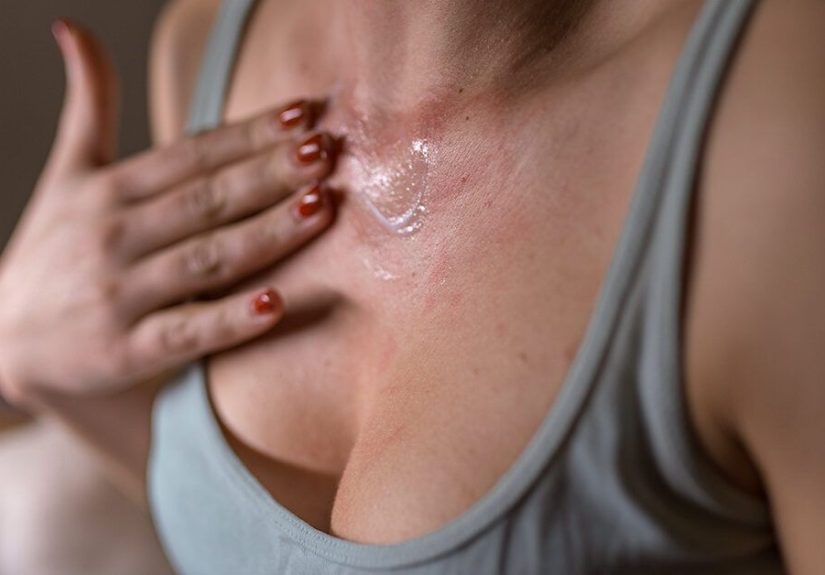
A rash on the breast can be concerning, and it may have a variety of causes, some of which are simple to treat while others require more attention. Whether it’s a red, itchy patch or more severe symptoms like blisters or scaling, understanding the potential causes can help you identify the issue and decide on the next steps. This article dives into the possible reasons behind a rash on the breast, how to recognize each cause, and the available treatments.
Common Causes of a Rash on the Breast
1. Skin Irritation from Clothing
One of the most common causes of a rash on the breast is irritation from clothing. Tight bras, synthetic fabrics, or those with irritating seams or elastic bands can rub against the skin, leading to redness and discomfort. Friction can break down the skin barrier, which may result in rashes. These rashes often appear as red, itchy bumps or a general irritation where the fabric contacts the skin.
2. Allergic Reactions
An allergic reaction to skincare products, detergents, or even the fabric of your clothing can trigger a rash on the breast. Common allergens include scented lotions, deodorants, and certain fabrics, especially those that contain latex or other synthetic materials. The rash from an allergic reaction may be itchy, red, and sometimes swollen. If you suspect an allergy, try eliminating the suspected trigger and see if the rash resolves.
3. Eczema (Atopic Dermatitis)
Eczema is a chronic skin condition that can cause red, itchy patches on any part of the body, including the breast area. People with eczema often experience flare-ups triggered by environmental factors like weather, stress, or allergens. The skin may appear dry, scaly, and cracked, and the rash can worsen with scratching. Treating eczema involves moisturizing the skin and using topical corticosteroids or other prescribed medications.
4. Fungal Infections
Fungal infections, like yeast infections, are another common cause of rashes on the breast, particularly under the breast fold. The area under the breast is often warm and moist, which creates an ideal environment for fungal growth. The rash caused by a fungal infection often appears as a red, itchy patch that may become scaly and develop a characteristic ring-like shape. These infections are often treated with antifungal creams or ointments prescribed by a doctor.
5. Contact Dermatitis
Contact dermatitis is a type of skin irritation that occurs when the skin comes in contact with an irritating substance. This can be caused by products such as soaps, lotions, or even body wash. The rash may appear suddenly and can vary from mild redness to severe blistering. If you suspect contact dermatitis, identify and avoid the irritant. Over-the-counter hydrocortisone creams can help alleviate the symptoms.
6. Shingles
Shingles, also known as herpes zoster, is a viral infection that causes a painful, blistering rash, usually on one side of the body. It typically affects people who have previously had chickenpox, as the virus remains dormant in the body. The rash associated with shingles can appear anywhere, including on the breast. The rash often starts with a tingling sensation and then develops into a red, blistering area. Early antiviral treatment is essential to reduce the severity of the condition.
7. Breast Cancer (Rare but Serious)
While it’s rare, breast cancer can cause a rash in some cases. One form of breast cancer that may present with a rash is inflammatory breast cancer (IBC). This aggressive type of cancer causes the skin of the breast to appear red, swollen, and sometimes bumpy, resembling an infection. Other symptoms include pain, warmth, and a sudden change in the appearance of the breast. If you notice a persistent rash along with other concerning symptoms, seek medical advice immediately.
8. Hidradenitis Suppurativa
Hidradenitis suppurativa is a chronic skin condition that causes painful lumps, abscesses, and rashes in areas where skin rubs together, including under the breast. These lumps can become inflamed and may rupture, causing scarring over time. While the exact cause is unknown, it is often linked to genetics, smoking, and obesity. Treatment often involves antibiotics, drainage, and sometimes surgery for severe cases.
When to See a Doctor
Most rashes on the breast are harmless and can be treated with over-the-counter creams or by avoiding known irritants. However, if the rash is persistent, painful, or accompanied by other symptoms like fever, discharge, or changes in the size or shape of the breast, it’s important to consult with a healthcare provider. A healthcare professional can accurately diagnose the cause of the rash and recommend the appropriate treatment.
How to Prevent a Rash on the Breast
1. Choose Breathable Fabrics
Wearing loose, breathable fabrics like cotton can help prevent skin irritation caused by tight clothing. This is especially important if you’re prone to fungal infections or eczema flare-ups under your breasts.
2. Use Gentle, Unscented Products
To avoid allergic reactions or skin irritation, opt for gentle, unscented soaps, lotions, and deodorants. Avoid products with harsh chemicals or fragrances, as they can trigger rashes and worsen skin conditions.
3. Maintain Proper Hygiene
Keep the breast area clean and dry. Make sure to wash under the breasts regularly, especially if you sweat a lot, as moisture can lead to rashes and infections. Dry the area thoroughly after showering to prevent fungal growth.
4. Moisturize Regularly
Using a good moisturizer, especially if you suffer from eczema or dry skin, can help maintain the skin’s barrier and prevent rashes. Look for hypoallergenic moisturizers that are gentle on the skin.
Conclusion
Rashes on the breast can stem from a variety of causes, ranging from simple skin irritation to more serious conditions. Identifying the cause is essential in determining the right treatment and ensuring your comfort. If you have persistent or painful rashes, it’s important to seek medical advice. With the right care, most rashes can be treated effectively, and preventive measures can help reduce the likelihood of future flare-ups.
Experiences with Breast Rashes
Many people have dealt with rashes on their breasts at some point, and sharing personal experiences can help others who are going through the same situation. One common experience is dealing with a rash caused by clothing. I’ve had a rash on my breast from wearing a new sports bra. It wasn’t until I switched to a cotton bra that the irritation went away. Another experience was when I developed a red, itchy rash under my breast due to a yeast infection. I noticed that it got worse during the summer months when I sweat more. Using an antifungal cream cleared it up in a few days, and I learned to keep the area dry during hot weather.
Some people experience rashes as part of an eczema flare-up. A close friend of mine has struggled with eczema on her chest for years. She found that using a fragrance-free moisturizer and avoiding stress helped manage her symptoms. Her rash would come and go, but it always seemed to flare up when she was feeling particularly anxious or during seasonal changes. Other individuals who have experienced rashes due to allergies have found relief after switching to hypoallergenic products, such as body washes and laundry detergents.
It’s important to keep in mind that everyone’s body reacts differently, so what works for one person may not work for another. If you’ve experienced a rash that doesn’t seem to go away or gets worse over time, it’s a good idea to consult a doctor. They can help determine the cause and suggest the best course of action for you.







 Close
Close