
Table of Contents >> Show >> Hide
- 1. Fatty Fish: A Rich Source of Omega-3 Fatty Acids
- 2. Leafy Greens: Nutrient-Dense and Heart-Healthy
- 3. Berries: Antioxidant Powerhouses
- 4. Whole Grains: Boosting Heart Health with Fiber
- 5. Nuts and Seeds: Healthy Fats for Heart Protection
- 6. Beans and Legumes: Plant-Based Proteins for Heart Health
- 7. Avocados: A Heart-Healthy Source of Healthy Fats
- Conclusion
Heart failure is a serious condition that affects millions of people around the world. It occurs when the heart becomes too weak or damaged to pump blood effectively, leading to insufficient oxygen and nutrients being delivered throughout the body. While there are various treatments and medications available, one of the most powerful ways to protect your heart is through a healthy diet. Certain foods can help strengthen the heart, improve its function, and reduce the risk of heart failure. In this article, we will explore the best foods to include in your diet to help protect against heart failure.
1. Fatty Fish: A Rich Source of Omega-3 Fatty Acids
One of the best foods for heart health is fatty fish, such as salmon, mackerel, and sardines. These fish are rich in omega-3 fatty acids, which have been shown to reduce inflammation, lower blood pressure, and decrease triglyceride levels. Omega-3s also play a role in improving the function of blood vessels, which is essential for maintaining a healthy heart.
Studies have shown that people who consume more omega-3 fatty acids have a lower risk of heart disease and heart failure. These healthy fats help reduce the strain on the heart and promote overall cardiovascular health. Aim to include fatty fish in your diet at least two to three times a week to reap the benefits.
2. Leafy Greens: Nutrient-Dense and Heart-Healthy
Leafy greens, such as spinach, kale, and swiss chard, are packed with essential nutrients that support heart health. They are rich in potassium, magnesium, and fiber, which help regulate blood pressure and support healthy blood vessel function. Potassium, in particular, plays a crucial role in controlling blood pressure levels, making it an important nutrient for heart failure prevention.
Additionally, leafy greens are high in antioxidants, which help reduce oxidative stress and inflammationtwo factors that contribute to heart disease. Including a variety of leafy greens in your diet on a daily basis can help protect against heart failure and improve overall heart function.
3. Berries: Antioxidant Powerhouses
Berries, such as blueberries, strawberries, and raspberries, are rich in antioxidants, particularly flavonoids, which have been shown to have protective effects on the heart. These antioxidants help reduce inflammation and oxidative stress, both of which can damage blood vessels and lead to heart disease. Berries are also high in fiber, which is beneficial for heart health by helping to lower cholesterol levels and improve blood sugar control.
Incorporating a handful of berries into your diet every day can provide your heart with a natural boost of protective nutrients. Whether added to smoothies, salads, or eaten as a snack, berries are a delicious and heart-healthy option.
4. Whole Grains: Boosting Heart Health with Fiber
Whole grains, such as oats, quinoa, and brown rice, are packed with fiber, which is crucial for heart health. Fiber helps lower LDL cholesterol (the “bad” cholesterol), regulate blood sugar levels, and reduce the risk of heart disease. Additionally, whole grains contain antioxidants and essential minerals, such as magnesium, which support the overall function of the heart.
Consuming whole grains instead of refined grains, such as white bread and pasta, can help reduce the risk of developing heart failure. Try to incorporate a variety of whole grains into your meals, such as adding oats to your breakfast or swapping white rice for quinoa at dinner.
5. Nuts and Seeds: Healthy Fats for Heart Protection
Nuts and seeds, including almonds, walnuts, flaxseeds, and chia seeds, are excellent sources of healthy fats, protein, and fiber. These foods are rich in monounsaturated and polyunsaturated fats, which help reduce inflammation and lower cholesterol levels. Walnuts, in particular, are high in omega-3 fatty acids, which provide similar heart-protective benefits as fatty fish.
In addition to their healthy fats, nuts and seeds are also rich in magnesium, potassium, and antioxidants, all of which are essential for heart health. Snacking on a handful of nuts or adding seeds to your salads and smoothies can help support a healthy heart and protect against heart failure.
6. Beans and Legumes: Plant-Based Proteins for Heart Health
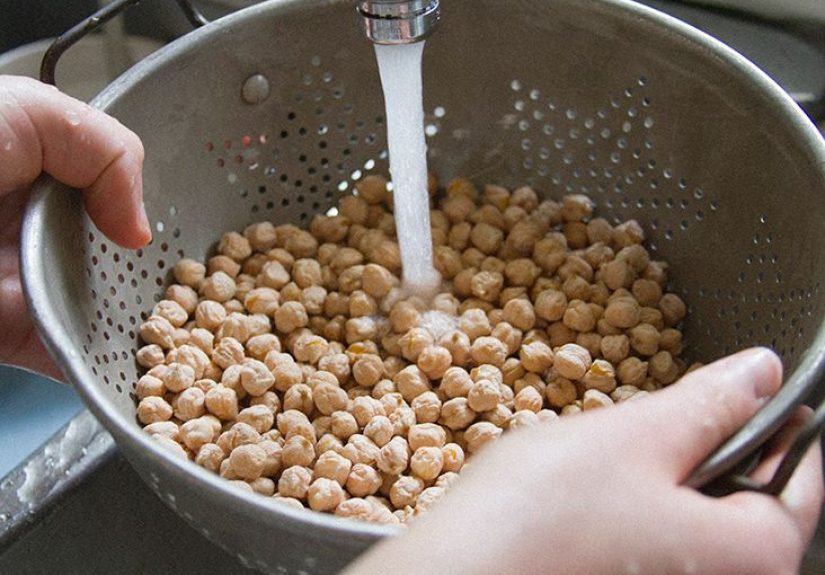
Beans and legumes, such as lentils, chickpeas, and black beans, are an excellent source of plant-based protein and fiber. These foods are low in fat and can help lower cholesterol levels, making them an ideal addition to a heart-healthy diet. The fiber in beans and legumes also helps regulate blood sugar levels, which is important for preventing heart disease and heart failure.
Incorporating beans and legumes into your meals can help reduce your reliance on animal-based proteins, which are often higher in saturated fat. Try adding beans to soups, stews, or salads for a hearty and heart-healthy meal.
7. Avocados: A Heart-Healthy Source of Healthy Fats
Avocados are another great food for heart health due to their high content of monounsaturated fats. These healthy fats help reduce bad cholesterol (LDL) levels while increasing good cholesterol (HDL) levels. Avocados are also rich in potassium, which supports healthy blood pressure levels and helps prevent heart failure.
In addition to healthy fats, avocados are packed with fiber, vitamins, and antioxidants, making them a nutrient-dense food that supports overall heart health. You can enjoy avocados in salads, sandwiches, or as a creamy topping for toast.
Conclusion
Incorporating these heart-healthy foods into your diet can help protect against heart failure and promote overall cardiovascular health. By focusing on nutrient-dense foods like fatty fish, leafy greens, berries, whole grains, nuts, seeds, beans, and avocados, you can improve heart function, reduce inflammation, and lower the risk of heart disease. Remember, a heart-healthy diet is just one part of a healthy lifestyle, which should also include regular physical activity, stress management, and maintaining a healthy weight.
By making these foods a regular part of your daily meals, you can take proactive steps toward protecting your heart and supporting a long and healthy life.
Experience With Heart-Healthy Foods: My Journey to Better Heart Health
When I first started focusing on heart health, I wasn’t sure where to begin. I knew the importance of eating a balanced diet, but I didn’t realize just how much food could impact my heart. After researching heart-healthy foods, I began to incorporate more fatty fish and leafy greens into my meals. I found that salmon, when paired with a kale salad, was not only delicious but also satisfying. I also made sure to snack on a handful of almonds or walnuts instead of reaching for chips.
Over time, I noticed a significant improvement in my energy levels and overall well-being. I felt more active, less fatigued, and even noticed my cholesterol levels improved during my last checkup. What amazed me most was how easy it was to make these small changes in my diet and how quickly I started feeling the benefits. If you’re looking for simple, effective ways to protect your heart, I highly recommend starting with these foods.
So, whether you’re looking to prevent heart failure or simply improve your heart health, making these dietary changes can make a huge difference. Eating a variety of heart-healthy foods not only tastes great but can also lead to a longer, healthier life.
sapo: Protect your heart with the best foods for heart failure prevention! Learn about fatty fish, leafy greens, whole grains, and more to improve heart health.







 Close
Close